
United Fetish Priest Defends Sammy Gyamfi Amid Controversy Over Donation to Nana Agradaa

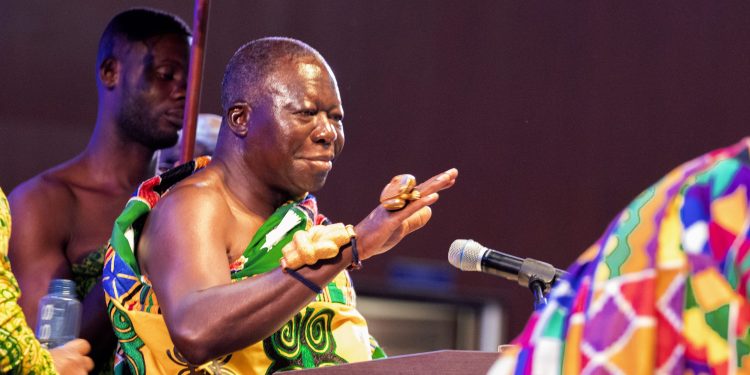
President of the United Fetish Priest Association of Ghana, has come to the aid of Sammy Gyamfi, the Acting CEO of the Ghana Gold Board, who is facing increasing calls for his dismissal following an $800 cash donation he made to the controversial figure, Evangelist Patricia Asiedu Asiamah, widely known as Nana Agradaa. The backlash against Gyamfi escalated after the donation, which occurred during a public event, ignited a wave of criticism from various segments of society. Supporters of Gyamfi argue that the reaction to his gesture is both hypocritical and unjustified. “What crime has Sammy Gyamfi committed?” Nana Mosi asked pointedly. “He gave Agradaa $800 at a public event, not in secrecy. Yet some people are calling for his head.” Pointing to the double standards prevalent in political donations, Nana Mosi highlighted the frequent distribution of gifts by politicians to their supporters. “We’ve seen politicians distribute cars, fridges, TV sets, and huge sums of money to delegates during both internal elections and the 2024 general elections. Why were they not questioned?” he challenged. Emphasizing that the donation should not be mistaken for bribery or corruption, Nana Mosi stated that Gyamfi, as a notable political figure, has the financial means to make such contributions. “This was not a backdoor deal. It was done openly. Agradaa demanded the money, and Sammy Gyamfi did not promise her anything in return. So where is the wrongdoing?” he questioned. Nana Mosi also advised the leadership of the National Democratic Congress (NDC) to withstand external pressures to dismiss Gyamfi, warning that such a move could damage the party’s reputation and unity. “Sammy Gyamfi has done nothing wrong. The NDC should protect him, not punish him,” he urged, standing firmly by Gyamfi in the face of rising public scrutiny. As the debate continues, the future of Gyamfi’s position at the Ghana Gold Board remains uncertain, but Nana Mosi’s outspoken support adds a significant voice to the ongoing discourse about political donations and accountability in Ghana. Source: Apexnewsgh.com
GNAT-LAS Calls for Extended Maternity Leave to Support Nursing Mothers in Education
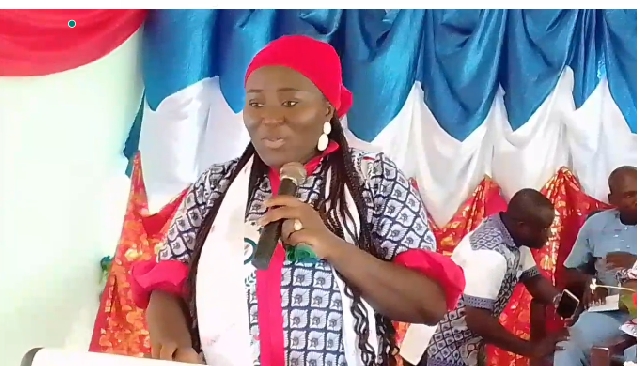
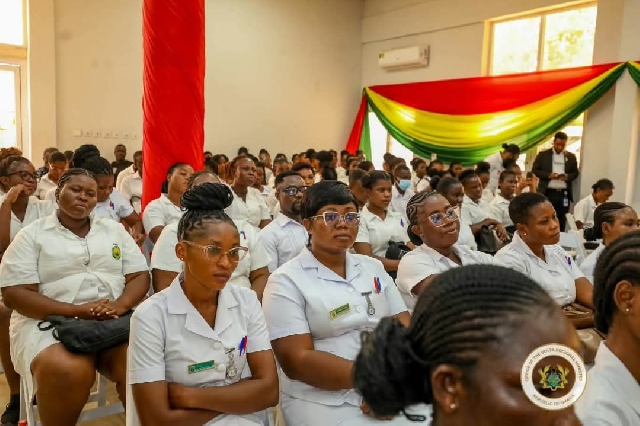
The Ghana National Association of Teachers Ladies Society (GNAT-LAS) in the Abura-Asebu-Kwamankese (AAK) District of the Central Region has urged the government to extend the current 12-week paid maternity leave for public sector nursing mothers to a minimum of six months. This call aims to address the pressing needs of nursing mothers, particularly teachers, who require ample time to bond with their newborns and adequately prepare to return to their teaching responsibilities. The appeal was made by Catherine Asaam, the outgoing GNAT-LAS District Coordinator and Headteacher of Brafoyaw AME Zion ‘B’ Basic School, during the 7th Quadrennial GNAT-LAS District Roundtable held in Abura Dunkwa on Tuesday, May 12, 2025. Asaam highlighted that extending the maternity leave is in line with health experts’ recommendations advocating for six months of exclusive breastfeeding, emphasizing the benefits for both mothers and their children. “Our request is rooted in both maternal and child health concerns, and the practical challenges female teachers face after childbirth,” Asaam stated. She underscored that a longer leave would not only benefit mothers physically and emotionally but would also enable them to transition back to work more effectively when they return to the classroom. The event, themed “The Ghana Education Service @50: Achievements, Challenges and the Way Forward in Motivating the Female Teacher for Quality Education Delivery,” attracted numerous dignitaries, including the District Chief Executive, Ms. Henrietta Baah; the Regional GNAT-LAS Coordinator; and Regional GNAT Chairman, Engineer Dr. Wilberforce Eshun. District Chief Executive for AAK, Mr. Daniel Mensah Wardy, acknowledged the appeal and noted that the governing NDC has already proposed a four-month maternity leave extension in its 2024 manifesto. He promised to bring the GNAT-LAS request to the attention of party leadership for further consideration. The gathering also featured remarks from guest speaker Mrs. Henrietta Ghartey Paintsil, Central Regional Manageress of the AME Zion Educational Unit, who stressed the integral role of female teachers in national development. “Empowering the female teacher is key to empowering students and building the nation,” she declared, noting the significant contributions of women educators in ensuring basic education is accessible to all Ghanaian children. The event showcased an exhibition by all six GNAT-LAS locals in the district, a Miss GNAT-LAS beauty contest, and elections for new district executives, creating a vibrant atmosphere that celebrated the achievements and contributions of female teachers in the community. Source: Apexnewsgh.com
Mali’s Military Regime Dissolves Political Parties Amidst Surge of Protests for Democracy

Mali’s military government, led by Colonel Assimi Goita, announced the dissolution of all political parties on Tuesday, May 7, 2025. This decision comes on the heels of recent anti-government protests and escalating demands for the restoration of democratic governance. The announcement was made during a televised address to the nation, which followed a series of opposition arrests and a sweeping decree that suspended all political activities across the country. As placards proclaiming “Down with dictatorship, long live democracy” echoed through the streets during demonstrations on May 3 and 4, it became evident that public sentiment was reaching a boiling point—prompting the regime’s swift and harsh reaction. This crackdown follows a contentious national dialogue held in April, where proposals to extend Goita’s rule until 2030 ignited outrage among civil society and human rights groups. Critics denounced the plan as a blatant attempt to entrench military rule while disregarding the calls for democratic reform. Reports have surfaced of alarming disappearances among opposition figures, intensifying fears among political activists. Human Rights Watch confirmed that on Thursday, masked gunmen arrested Abba Alhassane, the Secretary-General of the opposition party CODEM. On the same day, Yelema party leader El Bachir Thiam was allegedly abducted in Kati, and another CODEM youth leader, Abdoul Karim Traore, has gone missing. “We fear he has been taken too,” lamented a party member who chose to remain anonymous when speaking to Reuters. Goita initially rose to power in a military coup in 2020, citing the previous civilian government’s inability to combat escalating jihadist violence from groups linked to ISIL and al-Qaeda. The coup was preceded by a severe crackdown on anti-government protesters that resulted in at least 14 fatalities. Since assuming control, the military regime has implemented stringent measures to solidify its rule, effectively dismantling many democratic safeguards. Rights groups have accused the government, along with its allies—including Russian Wagner forces—of widespread human rights abuses. As Mali finds itself mired in turmoil and uncertainty, the dissolution of political parties marks a significant step backward for the country’s hopes of democratic restoration. The cries for change from a courageous citizenry continue to grow louder, yet the military government’s firm grip on power threatens to overshadow these vital demands for justice and democracy. Source: Apexnewsgh.com
Alarming Rates of 14,877 Teenage Pregnancies in Bono Region
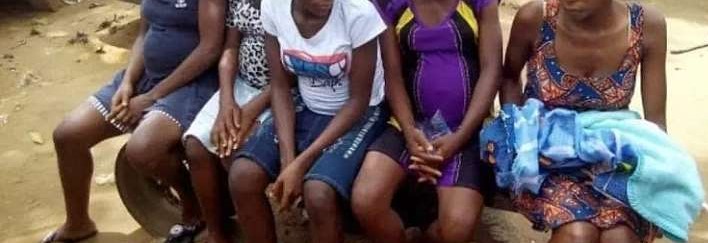
The Bono Region has reported a staggering 14,877 teenage pregnancies between 2021 and 2024. Apexnewsgh reports These figures were shared by Rita Adjoa Ansong, the Deputy Director of Nursing Services (Public Health) at the Bono Regional Directorate of Health, during a stakeholders’ meeting held in Sunyani. This event was part of the activities marking the African Vaccination Week (AVW) and the Child Health Promotion Week (CHPW), both organized by the health directorate. During her presentation, Miss Ansong provided a detailed breakdown of the alarming statistics. In 2021, there were 3,999 recorded teenage pregnancies and 388 cases of abortion. The following year, 2022, saw 4,058 pregnancies and 351 abortions. In 2023, the numbers were slightly lower, with 3,492 pregnancies and 217 abortions. However, 2024 showed little improvement, with 3,328 pregnancies and 282 abortions reported to date. Describing the teenage pregnancy situation as “worrying,” Miss Ansong emphasized the urgent need for stakeholders to enhance Family Planning (FP) coverage among sexually active teenagers in the region. “Family planning empowers girls to make informed decisions about their sexual and reproductive health,” she explained, highlighting its importance in enabling girls to continue their education and avoid unintended pregnancies. Miss Ansong identified several barriers to accessing family planning services, including prevalent myths and misconceptions, a lack of community support, and outdated cultural and religious beliefs. She noted that in 2024, regional family planning coverage reached 39.58% of the expected target group—women and girls of reproductive age—up from 36.45% in 2023. This improvement was seen as a positive sign, attributed to increased partner collaborations, a consistent supply of family planning commodities, and the re-registration of users of long-acting reversible contraceptive (LARC) methods. Furthermore, organizations such as Marie Stopes, DKT, and the Planned Parenthood Association of Ghana (PPAG) contributed to this increase by providing free commodities, thus making family planning more accessible to the local population. Emphasizing the broader implications, Miss Ansong stated that effective family planning not only helps prevent unintended pregnancies but also leads to healthier pregnancies and a reduction in maternal deaths. She urged all stakeholders and the media to actively engage in raising awareness and dismantling the barriers that hinder access to family planning services. Earlier in the meeting, Dr. Prince Quarshie, the Deputy Director of Public Health, explained that the gathering’s primary goal was to raise awareness about the significance of immunization and comprehensive child health services across the nation. He highlighted that the forums are essential for strengthening collaboration among various stakeholders, including government agencies, development partners, community leaders, health professionals, and the media. Celebrated annually during the last week of April, African Vaccination Week (AVW) aims to promote immunization as a vital lifesaving intervention, an initiative established by the World Health Organization (WHO) in 2010. Additionally, the Child Health Promotion Week (CHPW), initiated by the Ministry of Health in 2004, focuses on nutrition, immunization, and preventive care for children under five, observed from May 5 to May 9 each year. As the Bono Region confronts these pressing challenges, the call for increased awareness and action could not be more urgent, aiming for a healthier future for both the youth and the community at large. Source: Apexnewsgh.com
Minister Elizabeth Ofosu-Adjare Addresses Price Controls Amidst Cedi Appreciation

The conversation around pricing continues to evolve. Elizabeth Ofosu-Adjare, the Minister for Trade, Industry, and Agribusiness, recently addressed a pressing concern: the government’s inability to compel traders to lower prices, even as the Cedi appreciates and inflation eases. Speaking after a closed-door meeting with leading business groups—including the Ghana Union of Traders Association (GUTA), the Association of Ghana Industries (AGI), and the Food and Beverage Association of Ghana (FABAG)—the Minister emphasized the limitations imposed by Ghana’s liberalized market system. “The government does not have the authority to enforce price controls,” she explained. Instead, she advocated for dialogue as the most effective approach to ensuring relief for consumers. Ofosu-Adjare reported that the discussions with key stakeholders had proven fruitful. Some manufacturers have expressed their willingness to reduce prices as a response to recent macroeconomic improvements, such as the strengthening of the Cedi and a decline in inflation rates. “I am happy to inform you that the direct importers have agreed to lower their prices, and some have already taken that step,” she shared with optimism. However, she acknowledged the complexity of the situation. Representatives from GUTA and AGI provided insights during the meeting, confirming that while the stabilization of the Cedi is a positive development, it may take time for these changes to translate into lower consumer prices. “They need a bit of time for it to reflect in the prices. It will happen gradually,” she reassured the stakeholders. In a marketplace where prices often fluctuate alongside economic indicators, the discussions led by Minister Ofosu-Adjare highlight the balance between governmental influence and the realities of a liberalized economy. As consumers await potential price reductions, the path forward relies on collaboration and a commitment to seizing economic opportunities for the benefit of all. Source: Apexnewsgh.com
Garu MP Decries Lack of Tarred Roads: Causing pneumonia among residents
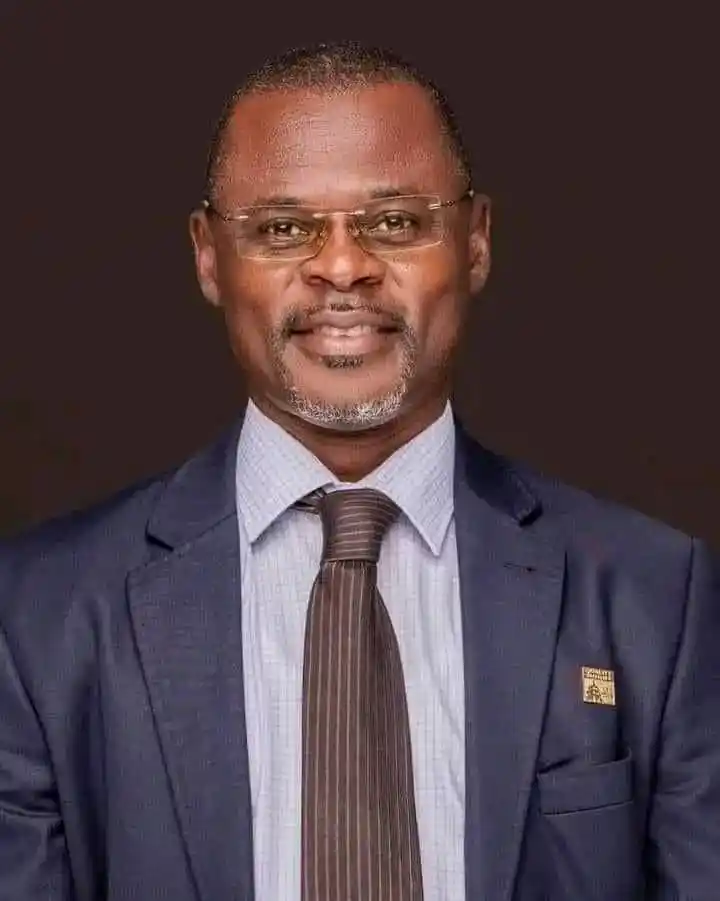
Thomas Anaba, the Member of Parliament for Garu, has stepped forward to address a pressing issue that continues to plague his constituency: the complete unavailability of tarred roads causing a shocking 45% increase in pneumonia cases among residents. Apexnewsgh reports In a recent appearance on Point Blank monitored by Apexnewsgh, Dr. Anaba pointed fingers at the previous New Patriotic Party (NPP) administration, attributing this state of disrepair to their actions. Dr. Anaba’s frustration is palpable as he recounts the history of Garu’s roads. “We had tarred roads up until a certain point,” he emphasized, reflecting on a time when the roads were well-maintained and accessible. However, he explained that this all changed towards the end of 2023. The NPP government awarded a contract to their own parliamentary candidate, with the intent of upgrading the existing roads. Yet, instead of improvement, the old tarred surfaces were removed completely. “The promise was to replace them with asphalt, but nothing ever materialized,” he lamented. The repercussions of this decision have been dire. Dr. Anaba highlighted the detrimental impact of the dust that now envelops the constituency, noting a shocking 45% increase in pneumonia cases among residents. “As we speak, there isn’t a meter of coal tar road in Garu,” he stated, urgency ringing in his voice. “The dust has become a health crisis, directly tied to the actions of the previous government.” The concerns raised by Dr. Anaba reflect a broader issue of infrastructure neglect, one that has left the people of Garu struggling for basic safety and health. As the dust swirls around them, the residents are left yearning for the roads that once connected their community—roads that have since disappeared under the guise of unfulfilled promises and political maneuvering. Source: Apexnewsgh.com
After Manasseh Azure Awuni and Co, You Could Never Trust H.E. John Mahama Not to Be Merciful Again: The Case of Sammy Gyamfi and Agradaa’s Dollarized Union

By: Awineyesma Abiire, Bolgatanga Technical University In a world where perceptions shape our understanding of leadership, the words of American poet Robert Frost resonate deeply. Between 1873 and 1964, Frost famously remarked, “After Jonah, you could never trust God not to be merciful again.” This sentiment echoes through the corridors of Ghanaian politics, especially following the actions of public figures such as Manasseh Azure Awuni, Hon. Kennedy Agyepong, and Captain Smart, who have hurled accusations against former President John Mahama. Despite the negative tones of their narratives, several have come forward to apologize, and Mahama, known for his capacity for forgiveness, has accepted these contrite gestures with grace. This brings us to the recent case of Sammy Gyamfi and the controversial circumstances surrounding Agradaa’s “dollarized” union. After witnessing Gyamfi’s public apology for his questionable actions, I find it hard not to believe in Mahama’s tendency for mercy. However, this mercy should not be mistaken as favoritism towards Gyamfi but seen as a broader symbol of hope for the many individuals seeking the courage to reach out to public figures for assistance. Surprisingly, many Ghanaians appear unconcerned about Gyamfi’s reckless behavior regarding his personal security. His blatant disregard for safety, in a world where unpredictability can lead to unforeseen consequences, is alarming. History has shown that numerous prominent figures—journalists, politicians, and educators—have lost their lives due to neglecting this crucial aspect. It is imperative that those in the public eye take their security seriously to ensure their safety and longevity. Adding to the controversy, Gyamfi’s misconduct occurred during the very week the Code of Conduct for appointees was launched. Witnessing his actions was infuriating, and my frustrations were compounded by the public apology that followed. His humble admission of wrongdoing prompted me to reflect on the need for mental health support; a genuine acknowledgment of one’s faults is often indicative of deeper struggles that may require professional intervention. It pains me to see some supporters justifying his behavior rather than encouraging him to seek help. The question remains: should Sammy Gyamfi face punishment? I believe a thorough investigation is required to gauge the appropriate response. The widespread anger felt by many citizens, including myself, must be examined carefully within the contexts of justice, fairness, and mercy. As I analyze my own feelings, I recognize the presence of sadism in our society—a psychological condition where some derive pleasure from the misfortunes of others. It’s crucial for each of us to assess whether our anger is rooted in genuine concern or the darker nature of delight in someone else’s distress. This anger might revolve around various factors related to the controversy—who was involved, what was given, the context, and even the monetary denomination. If these emotions lack personal connection, perhaps we do not need to seek psychological guidance. As we reflect on the situation facing Gyamfi, it’s essential for young appointees within the current government to acknowledge their significant role in shaping the future of Ghana. They must approach their duties with diligence and civility. Otherwise, we run the risk of endowing future leadership to a Methuselah-like figure, surrounded solely by others of their kind, leading to a government devoid of fresh ideas and innovation. The path we choose today will ultimately define the leadership landscape for generations to come. Source: Apexnewsgh.com