
GJA Aspirant Charles Mawusi Engages Members in Upper East Region

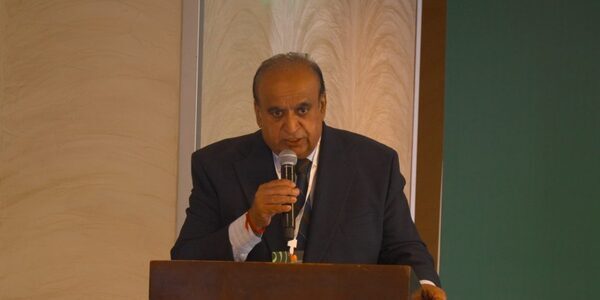
The aspiring National President of the Ghana Journalists Association (GJA), Charles Mawusi, has taken his campaign to the Upper East Region, where he engaged members of the association in good standing. Apexnewsgh reports During the engagement, Mr. Mawusi outlined his ideas for improving the welfare of members, focusing on developing the GJA’s conference center land. Mr. Mawusi proposed developing the land into a hostel facility that would cater to members from other regions visiting Accra. He suggested that members could access the hostel at a minimal fee or have a certain number of free nights per year. This initiative, he believes, would be a significant step in improving member welfare. Additionally, Mr. Mawusi proposed revamping the cafeteria at the conference center, where a vendor would be responsible for cooking, while the GJA would control the sale of drinks. He estimated that at least GHc1.00 from each bottle of drink sold would go into the GJA’s coffers. He also suggested turning part of the cafeteria into an event center for weddings and other activities, leveraging the strategic location of the GJA office to generate revenue. Mr. Mawusi emphasized that these initiatives would not only improve member welfare but also generate revenue for the GJA. He is developing the conference center land and creating an event center, and the association would be able to tap into the potential of its strategic location and create new streams of income. He pleaded with members to vote for him as their next GJA president. The election will be held on June 30, 2025, across the region. Source: Apexnewsgh.com/Ngamegbulam Chidozie Stephen
GJA Election: Ngamegbulam Urges Candidates to Prioritize Member Welfare for a Stronger Future

The upcoming Ghana Journalists Association (GJA) election is more than just a voting event; it’s a chance to shape the future of journalism in Ghana. Media practitioners are watching closely as candidates step forward with hopes of leading the organization. The Editor-in-Chief of ApexNewsGH, Mr. Ngamegbulam Chidozie Stephen, has made it clear that this election should focus on something more vital than just titles or power. It’s about putting members’ well-being first. This approach can strengthen unity, boost professionalism, and ensure long-lasting growth within the GJA. The Ghana Journalists Association plays a big role in shaping how journalism is practiced across the country. Its mission is to promote press freedom, uphold ethical standards, and support media workers. With over 867 members, GJA influences policies that impact how news is reported, what standards journalists follow, and how the profession grows in Ghana. A strong GJA can help improve the quality of information reaching the public and protect journalists from unfair treatment. Prioritizing the needs of members brings many benefits. Happy, well-supported journalists tend to produce better work, enhancing the reputation of Ghanaian media. When members feel cared for, morale improves and professionalism rises. On the other hand, ignoring their concerns can lead to disharmony, low motivation, and a decline in media integrity. Leadership choices must focus on building a community where members feel valued and heard. Mr. Ngamegbulam emphasized that candidates should serve the interests of members first. He advocates for honest, transparent leadership that values inclusiveness. Candidates should not chase personal or political gains at the expense of unity among journalists. Instead, they should focus on building trust, sharing information freely, and making decisions transparently. Such qualities will create a stronger, more trustworthy GJA. Leaders who put members first can transform associations into powerful forces for change. For example, the Nigerian Guild of Editors has seen success because leaders prioritize their members’ development and well-being. Experts agree that when leaders listen to their members’ concerns and act on them, it results in better governance. This approach creates a sense of belonging and confidence in the leadership. Candidates should take simple but effective actions: Listen actively to members’ worries and suggestions. Create open forums for discussions. Make decisions based on consensus, not just personal interests. Regularly update members on progress and challenges. By following these steps, candidates can build trust and demonstrate true commitment to the community. Fair elections require clear rules and open procedures. This includes transparent candidate selection and election campaigns. Educational campaigns should ensure every member understands the process and knows how to participate. When everyone has equal access and voice, the election becomes a true reflection of members’ wishes. Candidates and election officials should be honest from the start. Sharing their visions, policies, and reasons for running helps members make informed choices. Using media and social platforms boosts transparency and shows accountability. When leaders communicate openly, trust naturally follows. Setting up oversight bodies can prevent bias or unfair practices during elections. Engaging external observers or partner organizations adds credibility. When members see a fair process, they feel more confident in their leaders and in the GJA’s future. Past elections have faced issues like political interference, division among members, and lack of resources. Disputes over candidate eligibility and election impartiality sometimes cause rifts. Recognizing these problems helps candidates prepare better strategies. Building common ground is vital. Candidates should focus on shared goals like media freedom and ethical standards. Facilitating dialogue among members can ease tensions and foster collaboration. Working towards a shared vision creates a stronger, more united GJA. International journalism bodies, such as the World Association of News Publishers or the International Federation of Journalists, can add credibility. Capacity-building workshops funded by these bodies prepare members for leadership roles and elections. Such partnerships provide resources and credibility, making elections more transparent. Putting members’ needs first isn’t just a nice idea, it’s a necessity. Candidates in the GJA elections have a duty to lead with integrity, transparency, and fairness. They should focus on creating a united, professional media community that serves Ghana and its people well. We all have a stake in ensuring that leadership truly reflects the interests of journalists. This election offers an opportunity to build a stronger, more honest GJA and safeguards press freedom. Mr. Ngamegbulam further cautioned that aspirants who are voted into office should avoid forming weak committees, citing the committee’s delay in approving membership at the national level as a major hindrance to progress. He emphasized the need for an efficient and expedited approach to processing membership applications to streamline the process and prevent unnecessary delays, ensuring qualified individuals can join without obstacles. Candidate, member, everyone has a vital role. By holding onto these core values, we can make sure Ghana’s journalism continues to grow in strength, trust, and professionalism. The future of Ghanaian media depends on the leaders we choose today. Let’s choose wisely. Source: Apexnewsgh.com
Upper East Regional Pres of GFD Urges Govt to Prioritize Disability Inclusion and Support Programs
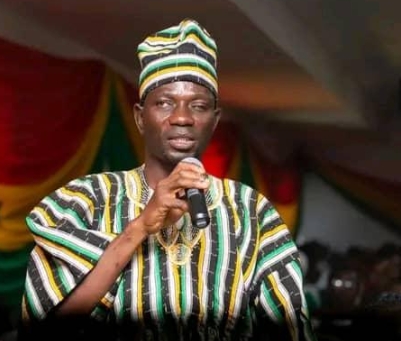
Disability advocacy plays a crucial role in creating inclusive and accessible communities. The Ghana Federation of Disability Organizations (GFD) champions the rights of persons with disabilities (PWDs), advocating for equality in all aspects of life. Apexnewsgh reports In the Upper East Region, challenges faced by PWDs are widespread, from poor infrastructure to limited access to education and healthcare. Akubire Mark Atia Ismael, the regional president of GFD, in his press release has made clear how crucial it is for the government to step up support and put policies into action that truly uplift PWDs. This article explores why disability inclusion matters for regional growth and details the specific requests from Ismael to improve PWDs’ lives. Including persons with disabilities in regional plans boosts community growth. When PWDs can work, learn, and access services freely, everyone benefits. In Upper East, data shows that PWDs often have lower employment rates, and many live below the poverty line. Supporting their inclusion helps increase income and reduces social gaps. When communities embrace diversity and accessibility, local economies thrive. Take, for example, regions in Ghana and neighboring countries. Places that have invested in accessible schools and workplaces saw more employment for PWDs. These regions also gained stronger, more united communities. When PWDs contribute through work or skills, they add value to society, just like any other group. PWDs face numerous hurdles that block their path to equality. Accessibility issues: Most public buildings and transportation are not equipped for wheelchairs or visually impaired individuals. This lack of infrastructure limits their independence. Healthcare barriers: Many PWDs can’t access specialized medical services or rehabilitation centers. This gap leads to worsening health conditions. Educational obstacles: Schools lack the resources or inclusive policies to support children with disabilities. As a result, many children stay out of school or receive subpar education. These challenges keep PWDs from fully participating in society and reaching their potential. The government must address these barriers for genuine progress. One major concern is the lack of financial support. Ismael calls for more funding dedicated to disability programs. This would cover assistive devices, like wheelchairs or hearing aids, plus rehabilitation and skills training. Sustainable funding ensures these programs keep running long-term, not just as short-term projects. Some regions worldwide have successfully used targeted grants and international aid to boost disability support. Ghana can learn from such models by creating clear budgets that prioritize PWD programs, making sure funds reach those who need them most. Making public spaces accessible is critical. This means constructing buildings with ramps, lifts, and clear signage. Renovating existing facilities with universal design standards can greatly reduce barriers. Better transport options are also key accessible buses or shared taxis allow PWDs to move around freely. When urban planning includes accessibility in all new projects, PWDs gain the freedom to participate fully in daily activities. Healthcare needs urgent attention. Establishing specialized health units for PWDs improves diagnosis, treatment, and support. Inclusive education is just as vital. Schools should adopt policies and train teachers to cater to children with disabilities. Partnering with NGOs and international organizations can boost resources and expertise. These collaborations will help deliver quality services and inclusive learning environments. Current laws protecting PWDs must be enforced better. Strengthening legislation ensures PWDs are recognized and protected legally. New policies should promote employment and social inclusion, making sure PWDs can access opportunities. It’s essential to establish monitoring systems. Regular checks will verify if policies work and help identify gaps. This accountability ensures ongoing progress. Changing attitudes is perhaps the biggest challenge. Campaigns that promote understanding and reduce stigma are needed. Employers and service providers should receive training on disability inclusion. Working with local leaders and communities creates a culture of acceptance. When everyone understands and values diversity, social barriers begin to fall. Creating lasting change requires everyone working together. Involving PWDs and advocacy groups in policymaking ensures their voices are heard. Collaboration among government agencies, private companies, and non-profits will foster innovative solutions. Ghana has seen success with joint initiatives where all sectors contribute. These efforts prove that teamwork leads to better outcomes. Setting clear goals makes tracking progress easier. Establishing measurable targets and regularly reviewing results keeps programs on track. Feedback from PWDs helps refine policies and services. Using data helps allocate resources efficiently, ensuring that efforts actually meet needs. Government: Focus on increasing budgets for disability rights and reform policies. NGOs & Community Groups: Raise awareness and improve local support services. PWDs & Families: Stay informed about available resources and participate in decision-making processes. Both individuals and organizations play a part in fostering an inclusive society. Meanwhile, the recent appeals by Akubire Mark Atia Ismael highlight how much work remains to support PWDs effectively. Prioritizing funding, accessibility, healthcare, education, and legal reforms creates a path toward true inclusion. When the government acts swiftly and continues to listen, the Upper East Region can become a leader in disability support. He believes the key is consistent effort and strong partnerships. “Together, we can build communities where everyone has equal chances to thrive. It’s time to turn these key requests into actions that transform lives”. The future of the Upper East Region depends on how well we support persons with disabilities today. He stressed Source: Apexnewsgh.com/Ngamegbulam Chidozie Stephen