

Fuel Prices Set to Rise by 6% to 9% in Upcoming Pricing Window, COPEC Warns

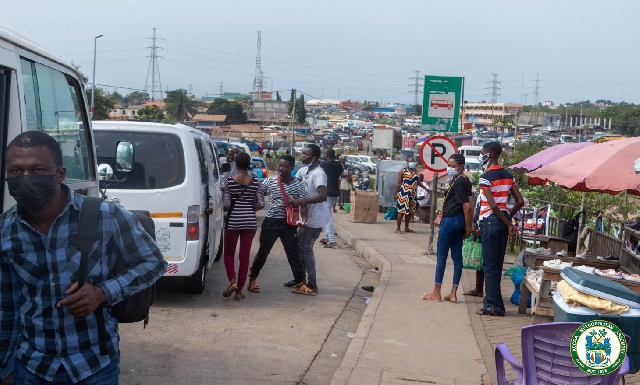
According to market analysis conducted by the Chamber of Petroleum Consumers (COPEC), fuel prices at the pump are projected to increase by between 6% and 9% during the second pricing window of July 2025. This anticipated rise comes as a response to current market indicators and is set to take effect from Wednesday, July 16, 2025. The mean retail price of petroleum products is expected to rise by an average of 8% from current levels once the new pricing window opens. Specifically, petrol prices are forecasted to increase by 6.47%, moving from an average of GHS11.59 per litre. Diesel, on the other hand, is anticipated to experience the most significant jump, rising by 9.30% from its current mean price of GHS12.97 per litre. In contrast, Liquefied Petroleum Gas (LPG) is projected to see a slight decrease, with prices expected to fall by 0.45% per kilogram, providing a small relief amidst the broader increases. In a statement released on Tuesday, July 15, COPEC explained that these projections are based on current market indicators. The estimates assume stability in global Free-On-Board (FOB) petroleum prices and the cedi-dollar exchange rate in the near term. This is notable, especially as crude oil prices have recently seen a 4.89% drop, falling from $74.43 to $70.79 per barrel, and the Ghanaian cedi has depreciated by 0.47%, shifting from GHS10.5288 to GHS10.5785 per dollar. COPEC attributed the expected price hikes primarily to the introduction of a GHS1 Energy Sector shortfall and debt repayment levy, recently implemented by the Ministry of Energy. This new financial measure is seen as a significant driver of the upcoming price increases. The Chamber also warned that final pump prices could vary within a ±5% margin from the estimates, depending on actual market movements as the pricing window progresses. As consumers brace for these changes, the implications of rising fuel prices on everyday expenses continue to be a pressing concern for many. Read below the statement by COPEC CHAMBER OF PETROLEUM CONSUMERS – (COPEC) ACCRA 14 July 2025 * FUEL PRICES ARE EXPECTED TO GO UP 6%-9% IN THE SECOND PRICING WINDOW OF JULY 2025* The current mean fuel price is expected to go up by about 8% in the next Pricing Window Analysis of Projection Barring any unforeseen major changes in global Petroleum FOB prices and the Dollar: Cedi exchange rates, indications across the downstream petroleum market are that, in the next window beginning 16 July 2025, the mean pump retail price of Petrol is expected to go up by 6.47% of the current mean price of GHS11.59/L ii. The mean price of diesel is also expected to go up by 9.30% of the current mean price of GHS12.97/L and iii. Mean LPG price per kg is also to go down by about -0.45%. Acknowledging that, the Crude price has gone down by -4.89% from $74.43/barrel to $70.79/barrel and that the Cedi has slightly depreciated relatively to the Dollar from an average rate of $1:GHS10.5288 to $1:GHS10.5785 (-0.4720%), coupled with the introduction of the Energy Sector shortfall and debt repayment levy of GHS1 by the Ministry of Energy, the following will constitute the projected mean retail prices for Petroleum products to within ±5% of COPEC’s projection starting from 16 July 2025. Petrol .. GHS12.34/L Diesel .. GHS14.18/L The Mean Price for Petrol and Diesel..GHS13.26/L LPG.. GHS11.55/kg Thus, a 14.5 kg of LPG cylinder would be expected to be sold at GHS167.43 within the next window. Below are the detailed descriptions. PETROL Though the international FOB price of petrol has decreased from $740.93/MT to $716.30/MT (-3.32%), the retail price works up to GHS12.34/L Thus, the retail price of Petrol is expected to increase by 6.47% of the current mean pump retail price of GHS11.59/L, to close selling between GHS11.72/L and GHS12.96 /L , within ±5% range of COPEC’s projected figure of GHS12.34/L. DIESEL In the same manner, with the International FOB price of diesel increasing from $722.48/MT to $743.07/MT (2.85%), the projected mean retail pump price for the next window shall be GHS14.18/L Diesel is therefore expected to increase in price by about 9.30% of the current mean pump retail price of GHS12.97/L to be selling between GHS13.47/L and GHS14.89/L , within ±5% range of COPEC’s projected figure of GHS14.18/L. 3.0 Mean Price of Petrol and Diesel The mean price of petrol and diesel for the coming window per available parameters shall be GHS13.26/L . The mean pump price is therefore expected to increase by 7.96% over the current mean price of GHS12.28/L to be be selling between GHS12.60/L and GHS13.92/L, within ±5% of COPEC’s projected mean price of GHS13.26/L. LPG With the international FOB price of LPG decreasing from $492.70/MT to $465.52/MT (-5.41%), the projected retail price of LPG is expected to be on the average at GHS11.55/kg. Thus, within ±5% error, LPG is expected to be selling between GHS10.97/kg and GHS12.12/ kg. Remarks: 1. COPEC is very much appreciative of the fairly stable Dollar:Cedi exchange rate, which is being enjoyed in the fuel industry. * It is anticipated that the Dollar: Cedi exchange rate will continue to improve for the benefit of the general consumers of petroleum products. COPEC maintains that, Government must do all it can to reduce taxes on LPG or to subsidize the price of LPG to promote and encourage its nationwide accessibility and usage which will eventually help save the environment from further degradation by the use of firewoods. Currently, the total taxes and levies on retail prices of Petrol and Diesel is about 26.55%. * COPEC is requesting for the reduction of tax rates or to take off some of the fuel taxes to lessen the burden on consumers. * Alternatively, a formula can be adopted to vary the total levies with change in the Dollar:Cedi rate. We further appeal to the government not to relent in getting Tema Oil Refinery (TOR) back on stream in order to avoid or reduce the importation of finished products, with possible associated fuel contamination. COPEC wishes to appeal
It is so sad that the Upper East Region is consistently left out of national development–ALAGUMGUBE Founder

In a passionate plea, Mr. Gabriel Agambila, leader and founder of ALAGUMGUBE, has expressed deep disappointment over the consistent neglect of the Upper East Region in national development. ApexNewsGH reports “It is so sad that the Upper East Region is consistently left out of national development, while our 15 Members of Parliament remain in Accra, seemingly detached and inactive,” Agambila lamented, voicing the frustration shared by many community members. The bone of contention is the government’s decision to invest in ultra-modern sports facilities in the six newly created regions, while the Upper East Region still lacks a suitable sports stadium. According to Mr. Agambila, the absence of adequate facilities has had serious repercussions for local sports teams. The only football team from the Upper East that qualified for the premiership has been forced to play its home matches away from the region, alienating supporters and depriving the community of local game excitement. Lower division teams face similar challenges, causing stress for team owners hoping to develop successful soccer programs. ALAGUMGUBE is urging the President and the Minister of Sports to reconsider their decision and include the Upper East Region in plans for building sports facilities. “If this is not addressed, we will have no choice but to block all political activities in the region,” Agambila warned, highlighting the group’s commitment to equitable development. Agambila pointed out the glaring inequality: some newly established regions had sports facilities built prior to their creation, while the Upper East continues to be overlooked. As voices in the region grow more resolute, there’s growing hope that the government will act to ensure the Upper East isn’t left behind in sports development, fostering local talent and community pride. Source: Apexnewsgh.com/Ngamegbulam Chidozie Stephen
Ghana Shippers’ Authority Strengthens Regulation to Enhance the Shipping Sector
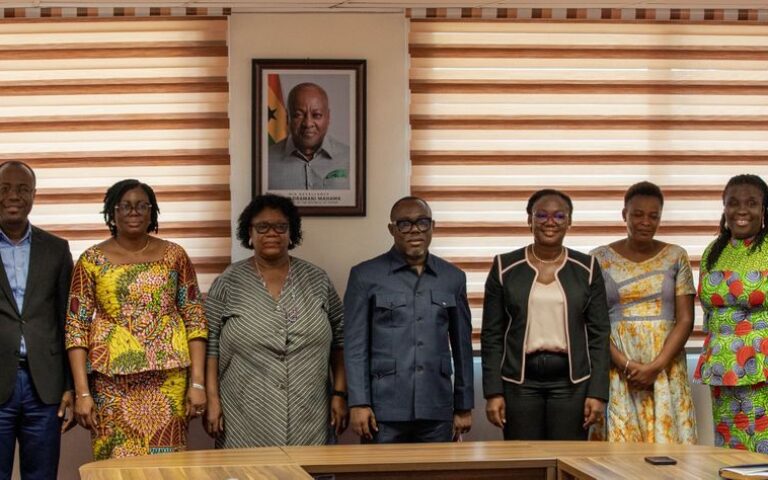
Amid growing concerns regarding the implementation and effectiveness of the Ghana Shippers’ Authority Act, 2024 (Act 1122), the Ghana Shippers’ Authority (GSA) is ramping up its enforcement efforts to better regulate the shipping and logistics sector. In a statement issued on Tuesday, July 15, 2025, the GSA outlined its commitment to the new regulatory framework established by the Act, which was passed by Parliament in July 2024 and subsequently assented to by the President in October of the same year. This transformation has endowed the GSA with the authority to oversee the shipping service industry, including shipping lines, freight forwarders, terminal operators, and clearing agents. The Act requires these service providers to submit all proposed fees, charges, and tariffs for review and approval by the GSA before they can be implemented. The Authority confirmed that it has already exercised this power, rejecting various proposed fee hikes that lacked adequate commercial justification. Addressing concerns that the GSA’s regulatory actions could hinder trade, the Authority emphasized its collaborative approach rather than an adversarial one. “We are committed to conducting in-depth investigations, hearings, and stakeholder engagement to ensure fairness in our process,” the GSA stated. Additionally, the GSA is working alongside the Bank of Ghana (BoG) to tackle complaints from shippers and freight forwarders regarding the alleged arbitrary application of foreign exchange rates by certain shipping lines. A high-level meeting involving the GSA, BoG, and industry stakeholders took place on July 15 to address these concerns, with a directive from the BoG expected to be issued within the week. To facilitate the comprehensive enforcement of the Act, the GSA is also consulting with regulators across various transport modalities—including air, sea, and land—to draft the necessary Legislative Instrument that will operationalize the law. The Authority reiterated its dedication to protecting the interests of all stakeholders in the shipping and logistics sector, aiming to position Ghana as a preferred trade hub in the region. With these steps, the GSA is taking proactive measures to enhance the regulatory environment and ensure the sustainable growth of Ghana’s shipping industry. Source: Apexnewsgh.com
Banks Overcome Capital Shortfalls Post-DDEP, Yet Challenges Remain in Ghana’s Financial Sector
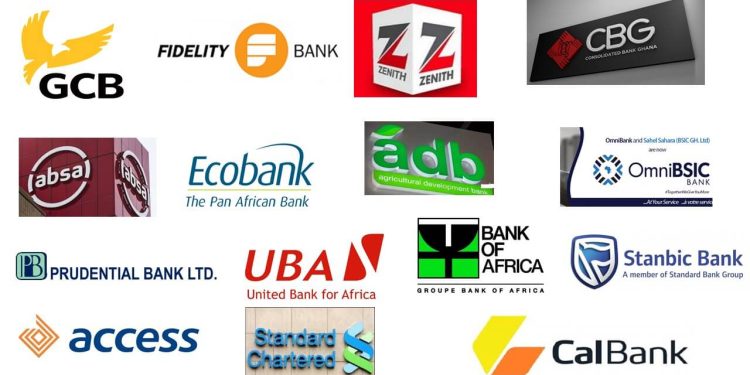
13 banks that experienced capital shortfalls following the Domestic Debt Exchange Programme (DDEP) have successfully met or exceeded their recapitalization requirements as of the end of 2024. These institutions are on track to restore their Capital Adequacy Ratio (CAR) to the mandated 13 percent by the end of 2025. Despite this encouraging progress, one state-owned bank, alongside several others, remains significantly behind schedule. Factors contributing to their struggles include delays in shareholder capital commitments, elevated levels of non-performing loans (NPLs), and slow recognition of credit impairments and provisioning. According to a recent IMF Country Report, these banks are now under intensified supervision from the Bank of Ghana, which is enforcing corrective measures to ensure they meet their recapitalization targets by the approaching 2025 deadline. Furthermore, the approval and implementation of the World Bank-funded segment of the Ghana Financial Sector Stability Fund (GFSF) could provide additional support to some of these institutions, contingent on securing adequate capital injections to qualify for assistance. The report highlights ongoing efforts from Ghanaian authorities to improve credit quality and tackle financial sector legacy issues. While growth in NPLs has slowed, the overall NPL ratio remains high, standing at 22.6 percent as of 2024—though this is a decrease from 26.7 percent in the first quarter of the year. To mitigate the NPL burden, regulators are urging banks to strengthen their credit risk management systems, enhance skills in loan classification and provisioning, and closely monitor the effectiveness of NPL reduction strategies. Furthermore, the IMF report indicates that specialized deposit-taking institutions (SDIs), crucial for promoting financial inclusion, continue to be weighed down by undercapitalization and unresolved legacy challenges. Key components of the Ghana Financial Sector Strengthening Strategy (GFSSS) remain to be implemented in order to address these issues effectively. The Bank of Ghana is also revisiting its prudential and operational risk standards, progressing with the implementation of Basel II and III framework. Notably, the Bank has officially communicated to the industry that all regulatory reliefs granted after the DDEP will come to an end by the close of 2025, signaling the need for banks to bolster their resilience moving forward. As the Ghanaian financial sector navigates these challenges, the combined efforts of regulatory bodies and banking institutions will be critical in ensuring a sustainable and stable economic environment. Source: Apexnewsgh.com
Defence Minister Launches Reforms for Ghana’s Military Veterans with New Governing Board

In a pivotal move for the welfare of Ghana’s military veterans, Minister for Defence, Dr. Edward Omane Boamah, has officially inaugurated the 4th Governing Board of the Veterans Administration Ghana (VAG). During the inauguration ceremony held in Accra, Dr. Boamah emphasized the pressing need for comprehensive reforms to uplift the lives of former service members who face numerous challenges after their service to the nation. Acknowledging the harsh realities that many veterans endure, including limited access to healthcare, financial hardship, and social exclusion, Dr. Boamah expressed grave concern. “Many of our gallant heroes struggle to access quality healthcare, face financial insecurity, and suffer social isolation,” he noted. “It’s disheartening that those who risked their lives for Ghana now battle to afford basic necessities.” To address these long-standing issues, the Minister outlined a comprehensive five-pronged approach aimed at transforming the welfare of veterans across the country. This plan includes: Healthcare Access: An expansion of the Mahama Cares Initiative to provide specialized medical care for veterans. Financial Security: Allocation of direct funding from the Defence Industries Holding Company (DIHOC) to support veterans’ needs. Post-Service Livelihoods: Introduction of skills training, continuing education, and employment opportunities to assist in reintegrating veterans into the workforce. Social Reintegration: Launch of community-based programmes to combat social isolation and promote inclusion. National Recognition: Establishment of formal channels to honor and celebrate the sacrifices made by veterans. “As Minister, I am committed to ensuring that those who served receive the dignity they have earned,” Dr. Boamah stated, urging the new board to prioritize veterans’ welfare in all its initiatives. The newly inaugurated board has been given a significant mandate, including: Leading critical policy reforms to address veterans’ needs. Ensuring the transparent and effective use of resources. Collaborating closely with the Ministry of Defence to expedite support initiatives. The announcement of these reforms comes at a time of growing national concern regarding the living conditions of many veterans, who have long advocated for improved pensions, healthcare, and housing. Under the renewed leadership of its newly appointed board, the VAG is poised to become a central vehicle for delivering meaningful reforms and long-term support to the veteran community. The 4th VAG Board is expected to convene within 14 days to develop a detailed operational roadmap to implement these new initiatives, paving the way for a brighter future for Ghana’s esteemed veterans. Source: Apexnewsgh.com
President Mahama Calls for Crackdown on Corrupt Security Personnel in Fight Against Illegal Mining
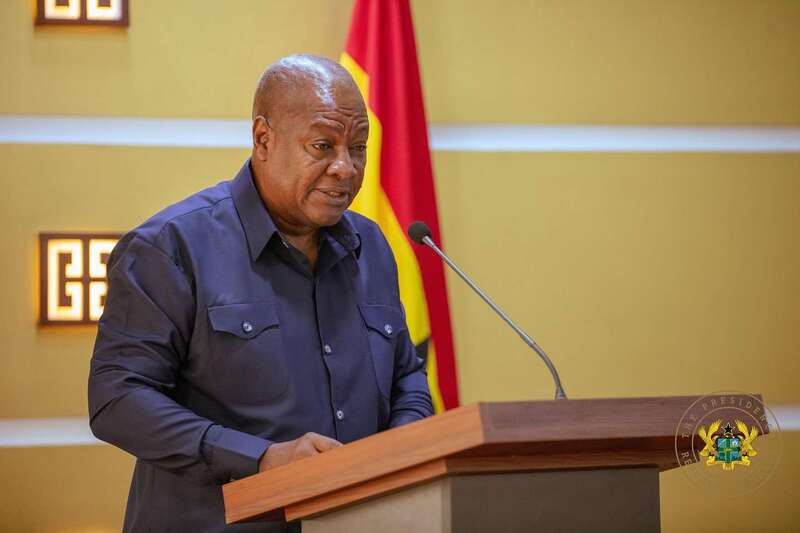
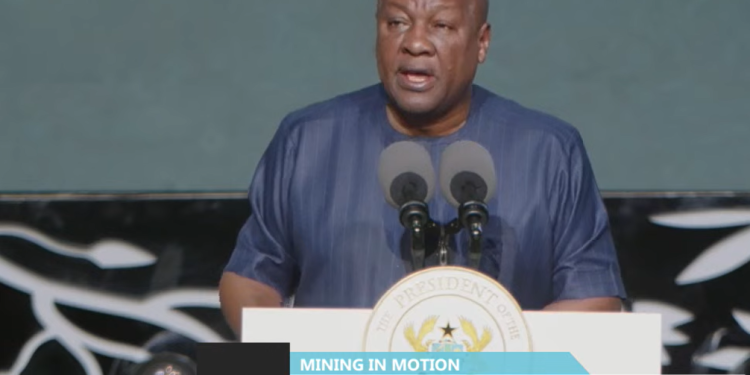
President John Dramani Mahama has issued a strong directive for the immediate arrest and prosecution of any security personnel found engaging in illegal activities while pretending to combat illegal mining, commonly referred to as “galamsey.” Speaking during his Thank You Tour in Sefwi Juaboso, located in the Western North Region, the President voiced his deep concern over rising reports of extortion by members of the anti-galamsey taskforce. The President revealed troubling allegations that some security operatives are harassing and demanding money from legally registered small-scale miners, a practice he labeled as detrimental to national efforts aimed at combating illegal mining. “Our forests, rivers, and green belts are national treasures, but we are alarmed by the environmental destruction reported across Awaso, Dadiaso, and Sefianyanso, primarily due to illegal mining,” he stated, emphasizing the urgent need to protect these vital resources. Describing the ongoing situation as a national emergency, President Mahama announced plans for the National Taskforce to intensify operations designed to safeguard forest reserves and water bodies from further degradation. He pointed out the alarming presence of unauthorized anti-galamsey taskforces that exploit legitimate mining companies by extorting money from them. “I’ve requested that the authorities arrest and prosecute any individuals involved in these illegal actions,” he added firmly. The President made it clear that no security officer—regardless of their rank—will be shielded from accountability if found guilty of misconduct. He stressed the importance of protecting legitimate miners, stating that they must not be preyed upon, but rather supported in their efforts to operate within the law. With this decisive stance, President Mahama aims to restore integrity to the fight against illegal mining and protect Ghana’s precious natural resources for future generations. Source: Apexnewsgh.com
New Energy Sector Levy Goes into Effect to Support Ghana’s Energy Infrastructure
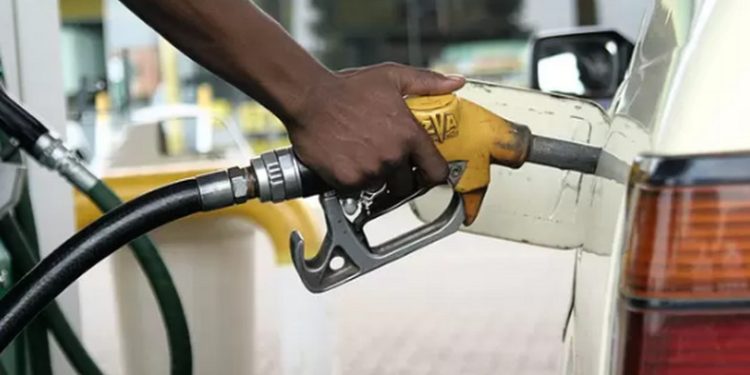
As of today, Wednesday, July 16, 2025, the revised Energy Sector Levy (Amendment) Act, 2025 (Act 1141) is officially in force, marking a significant shift in the energy financing landscape of Ghana. Commonly referred to as the Dumsor Levy (D-Levy) in local parlance, the government has announced this new levy regime and will be enforced by the Ghana Revenue Authority (GRA). The implementation of the amended levy comes after a previous postponement, which allowed authorities to closely monitor global market trends and maintain recent stability in domestic fuel prices. This strategic pause aimed to ensure that the activation of the levy would not adversely impact consumers during a delicate economic period. The decision to implement the revised levy was reached after comprehensive consultations with both the Ministries of Finance and Energy, alongside a thorough review of the current economic landscape. Officials assert that the timing of this activation is part of a broader initiative to stabilize the economy while addressing critical funding gaps in the energy sector. Under the new legislation, the rates associated with the Energy Sector Shortfall and Debt Repayment Levy (ESSDRL) have been increased across several key petroleum products. These adjustments are designed to bolster revenue mobilization efforts, which will aid in settling legacy debts and providing essential investments in energy infrastructure—an area considered vital for the nation’s growth and development. As the new levy is rolled out, stakeholders in the energy sector are hopeful that this move will lead to enhanced stability and improvements in service delivery, ultimately benefiting both consumers and the economy at large. Source: Apexnewsgh.com
President Mahama Prioritizes Rehabilitation of Critical Farming Roads for Economic Growth

President John Dramani Mahama has issued a clear directive to the Ministry of Roads and Highways. He is urging them to prioritize the rehabilitation of essential farming and feeder roads as part of his government’s ambitious $10 billion Big Push infrastructure programme. Speaking to a crowd in Sefwi Juaboso during his Thank You Tour, President Mahama underscored the urgency of the situation, particularly highlighting the poor condition of roads connecting farms to markets in the Western North Region. He acknowledged the mounting complaints from the agricultural community and affirmed that improving these roads is vital for national productivity and economic development. “These roads are not a luxury; they are a necessity. They carry cocoa, timber, food, and people. Without them, rural economies suffer,” he stated emphatically, conveying the critical role that infrastructure plays in sustaining livelihoods. In his address, the President assured the gathered constituents that contractors would be returning to work on the roadways without delay. He revealed that Minister for Finance, Dr. Cassiel Ato Forson, has confirmed the availability of funds for the projects, promising that contractors would receive payments within two weeks of submitting their certificates. This commitment aims to expedite the ongoing efforts and minimize disruptions in construction. The immediate focus will be on key routes in areas including Enchi, Elubo, Dadeso, Acuantumra, Ajuafua, Osei, Kodokoro, Seshiboikwa, and Asankragua, along with vital feeder roads in Sui, Bosunkwanta, Bonzan, Essam, and Bia West. These strategic improvements are seen as critical steps to bolster the agricultural sector, which forms the backbone of many rural economies. As part of the Big Push programme, which aims to allocate at least $2 billion annually beginning with the 2025 budget, President Mahama outlined his administration’s vision to modernize infrastructure and accelerate economic growth across the nation. “If a project is stalled after sod-cutting, it won’t be due to non-payment. If the contractor isn’t working, then something else is wrong—and that will be addressed,” he cautioned, signaling his government’s commitment to accountability and progress. With this renewed focus on infrastructure development, President Mahama reiterated his dedication to unlocking the full potential of rural communities, ensuring that growth and benefits reach every corner of the nation. Source: Apexnewsgh.com
Public Utilities Regulatory Commission Raises Alarm Over Illegal Meters in Bono East

The Bono East Regional Office of the Public Utilities Regulatory Commission has expressed serious concerns over the rising prevalence of unauthorized meters in the region. This illegal practice is significantly impacting the revenue of utility providers, particularly the Northern Electricity Distribution Company (NEDCo). Regional Manager Cassiel Eghan Asiedu revealed alarming information during the office’s mid-year review. He stated that substandard meters, not sourced from NEDCo or the Ministry of Energy, have infiltrated the homes of unsuspecting residents, resulting in substantial revenue losses that hinder key investments in the utilities sector. “We have become aware of some individuals going around selling unapproved meters to unsuspecting residents of the region. This action is illegal and seriously affects the revenue of NEDCo. We urge prospective customers to visit the utility for service connections and to refrain from purchasing from private individuals,” Mr. Asiedu cautioned. His remarks highlighted the ongoing challenges the office faces as it seeks to ensure compliance and protect both consumers and service providers. In a positive update, Mr. Asiedu shared that the Commission has successfully facilitated credit adjustments totaling GHC79,253.91 for customers who reported discrepancies in their electricity bills during the first half of the year. Additionally, the Commission aided in the recovery of GHC21,991.47 on behalf of NEDCo. Throughout the reporting period, the office received a total of 826 complaints from consumers and utilities alike. Remarkably, 791 of these complaints were resolved, representing an impressive 95.76% success rate. The primary grievance among consumers was the quality of service, which accounted for 91.64% of all complaints lodged. To further engage the community, the Commission reached out to over 32,000 customers through its public education initiatives, simplifying access to vital information for consumers. Mr. Asiedu emphasized the importance of consolidating these gains through ongoing, transparent stakeholder engagements, as well as the vigorous enforcement of operational benchmarks. As the Commission continues its work, it remains committed to ensuring that residents of Bono East are protected from illegal practices and that the integrity of utility services is upheld for the benefit of all. Source: Apexnewsgh.com
The Attorney-General Takes a Stand Against Illegal Mining

Attorney-General and Minister for Justice, Dr. Dominic Akuritinga Ayine, has mandated the Economic and Organised Crime Office (EOCO) to conduct a comprehensive investigation into allegations of illicit mining activities connected to Joseph Yamin, the ruling National Democratic Congress (NDC)’s National Organiser, and Yakubu Abanga, the National Vice Chairman. In a formal letter dated Tuesday, July 15, 2025, Dr. Ayine directed EOCO to summon Yamin and Abanga for questioning regarding their suspected roles in unauthorized mining operations, commonly known as galamsey. This directive comes in response to mounting public scrutiny, intelligence reports, and extensive media coverage highlighting the ongoing threats posed by illegal mining to Ghana’s natural resources, particularly its water bodies, forest reserves, and the livelihoods of rural communities. “These activities not only flout our mining regulations but also gravely endanger our water bodies, forest reserves, and local livelihoods,” the letter emphasized, underscoring the urgent need for intervention. Furthermore, Dr. Ayine’s instruction included expanding the investigation to include other individuals who may be complicit in these illicit activities. He particularly noted the importance of addressing points raised in the Prof. Frimpong-Boateng report on illegal mining, which has spotlighted critical issues in the sector. Recognizing the complexity of the situation, the Attorney-General also requested EOCO to collaborate closely with the Chief Executive Officer of the Minerals Commission. This partnership is deemed essential for providing support and guidance throughout the investigative process given the Commission’s key regulatory role. The Attorney-General’s actions reflect a broader commitment outlined in President John Dramani Mahama’s Reset Agenda, an initiative aimed at restoring integrity to Ghana’s natural resource governance and putting an end to illegal mining practices across the country. “The President has consistently reiterated his government’s firm commitment to eradicating illegal mining and restoring sanity to the natural resource governance regime in Ghana,” Dr. Ayine stated. EOCO has been cautioned to approach this investigation with the urgency and seriousness that it demands, aligning with its mandate under the EOCO Act of 2010 (Act 804). As the nation watches closely, this investigation could pave the way for greater accountability and sustainability in Ghana’s mining sector. Source: Apexnewsgh.com