
NAiMOS Cracks Down on Illegal Miners in Cape Three Points Forest Reserve

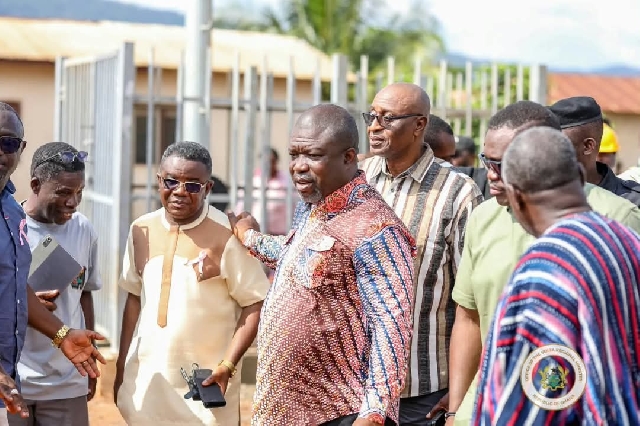
In a decisive operation to safeguard Ghana’s natural resources, the National Anti-Illegal Mining Operations Secretariat (NAiMOS) has conducted a successful security swoop in the Cape Three Points Forest Reserve, resulting in the arrest of several illegal miners and the destruction of mining equipment and narcotic substances. The operation, carried out in collaboration with security agencies and forestry officials, is part of the government’s intensified campaign against illegal mining (galamsey), which continues to threaten the nation’s water bodies, forests, and biodiversity. Security personnel moved swiftly to apprehend multiple suspects at various illegal mining sites hidden deep within the forest enclave. Officers also dismantled and destroyed a range of mining equipment, including changfang machines, water pumps, and excavators, to disrupt the illicit operations. In addition to the arrests and equipment destruction, a quantity of suspected narcotic substances was seized and destroyed on-site, highlighting the connection between illegal mining and other criminal activities. NAiMOS officials revealed that the coordinated operation was prompted by intelligence reports about a resurgence of illegal mining in the Cape Three Points area — a vital ecological zone renowned for its biodiversity and climate protection role. Following the raid, a NAiMOS spokesperson reaffirmed the Secretariat’s dedication to keeping Ghana’s protected areas free from environmental harm. He warned that the crackdown would be sustained and expanded to other hotspots, underlining a zero-tolerance approach toward illegal miners and their backers. Source: Apexnewsgh.com
BasicNeeds-Ghana and Mental Health Alliance Urge Government to Prioritize Mental Health Support During Disasters
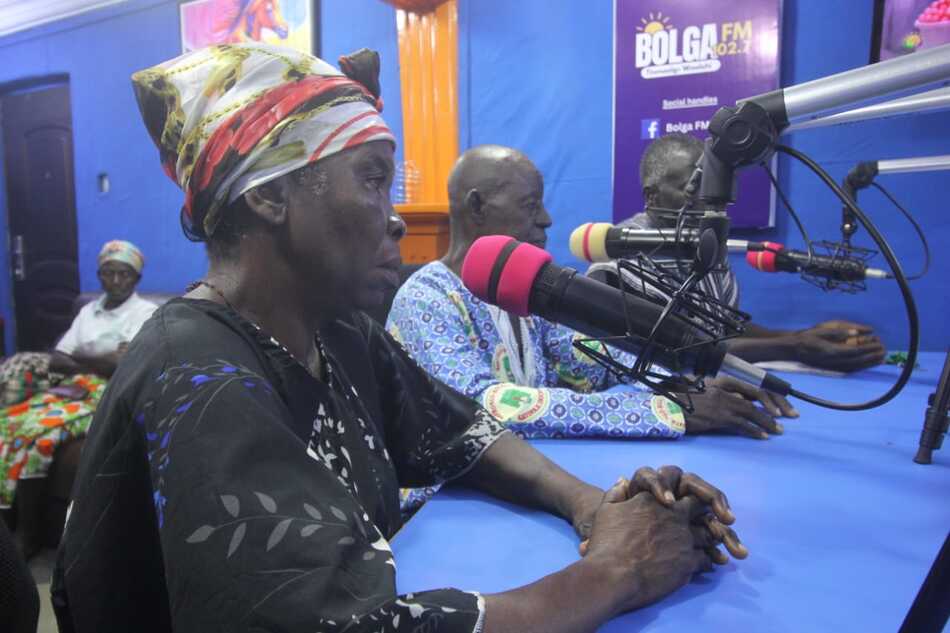
As the world observed World Mental Health Day on October 10, 2025, BasicNeeds-Ghana and the Alliance for Mental Health and Development (Mental Health Alliance) made a passionate call for Ghana to prioritize Mental Health and Psychosocial Support Services (MHPSS) during catastrophes and emergencies. This year’s global theme, “Access to Services: Mental Health in Catastrophes and Emergencies,” highlights a growing global concern: the urgent need to support the psychological and emotional well-being of people affected by crises. In a press statement, the Mental Health Alliance noted that Ghana has not been spared from disasters, from perennial floods, droughts, and fires to building collapses, road accidents, and conflicts. These incidents, the Alliance said, have left “individuals, families, and communities with lasting traumatic, psychological, and emotional injuries and scars.” Despite efforts to provide food, shelter, and water during emergencies, mental health support is often neglected. “While much attention and effort are given to physical survival, the psychological toll of such crises, though profound and often invisible, is mostly neglected,” the statement emphasized. The Alliance expressed deep concern about how vulnerable groups, including women, children, persons with disabilities, and people already living with mental health conditions, are disproportionately affected. “Without MHPSS, recovery remains incomplete,” it stated. “Families struggle to rebuild livelihoods, children’s education is disrupted, and communities remain fragile.” Calling for urgent action, the Alliance appealed to the Government of Ghana to: Integrate MHPSS into disaster preparedness and response frameworks such as NADMO and the MMDAs. Include MHPSS experts among first responders in emergencies. Increase investment in mental health within Ghana’s health budget. Equip frontline health workers and humanitarian actors with skills in psychosocial first aid. Strengthen community-based mental health support systems. Combat stigma through community-level awareness campaigns. “Addressing the mental health and psychosocial needs of survivors is not optional — it is essential for individual healing, family stability, and community resilience,” the statement added. The Alliance also commended Ghana’s progress, particularly the passage of the Mental Health Act, 2012 (Act 846) and the integration of mental health into primary health care. However, it warned that limited resources, urban-centered services, and lingering stigma continue to hinder access — especially in times of crisis. “As we observe World Mental Health Day 2025, let us reaffirm our commitment to make provision of mental health and psychosocial support part and parcel of our health and wellbeing needs,” the statement concluded. “No one should be left behind in times of crisis.” Source: Apexnewsgh.com