



President Mahama Pledges Unbreakable Progress in Second Term
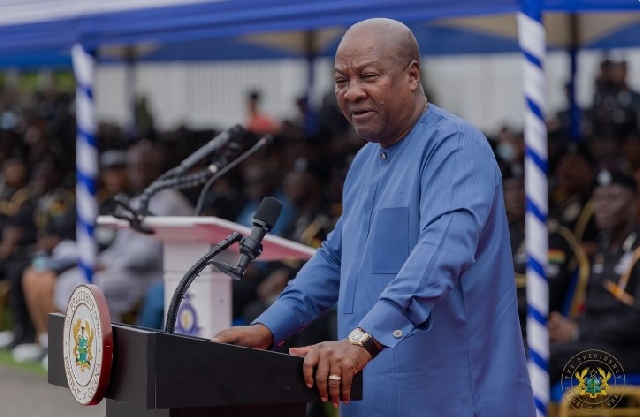
President John Dramani Mahama has begun his second term with a bold declaration: this time, the changes he brings to Ghana will be both profound and enduring. Returning to the presidency after an eight-year hiatus, President Mahama used the stage of the annual New Year School Conference on Tuesday, January 6, to outline his vision for a legacy of irreversible reforms. Addressing participants, he shared his resolve to elevate both the economy and governance systems to new heights. “I have decided to make this second mandate so graciously granted to me by Ghanaians count. I have pledged to raise our economy and governance to a level that no succeeding government can reverse,” he affirmed, signaling a new era of reform. President Mahama drew attention to the broader context of democratic backsliding in the region, stressing the need for Ghana to stand as a beacon of democratic resilience. “In a region where democracy is backsliding, we must demonstrate that democracy works and that our people can have faith in their leaders to uphold their interests and create opportunities for national prosperity,” he said. Reassuring the nation, President Mahama promised to uphold fiscal discipline and prudent economic management, vowing that such standards would not be compromised, even as the country approaches the 2028 election year. His commitment sets the tone for a second term dedicated to progress that cannot easily be undone, no matter who holds office next. Source: Apexnewsgh.com
BoG Governor Announces Policy Workshop to Strengthen Domestic Gold Purchase Programme
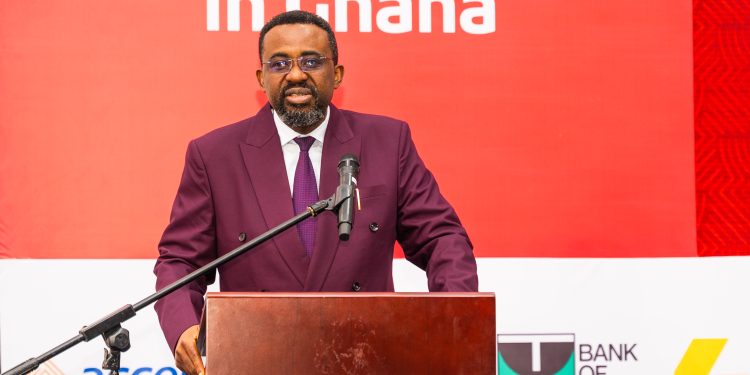
At the 77th Annual New Year School held at the University of Ghana on Tuesday, January 6, the Governor of the Bank of Ghana (BoG), Dr. Johnson Asiama, outlined a forward-looking strategy to enhance the country’s Domestic Gold Purchase Programme (DGPP). Addressing a diverse audience of experts, policymakers, and practitioners, Dr. Asiama revealed that the Central Bank, in collaboration with GoldBod and the Ministry of Finance, will soon organise a targeted policy workshop. The aim is to assess and refine the DGPP, drawing on global best practices to ensure the programme’s continued relevance and effectiveness. Dr. Asiama explained that the DGPP was launched at a time of considerable economic strain, but has since played a pivotal role in restoring confidence in Ghana’s economic outlook. “Arguably, the institutional role of the GoldBod has strengthened coordination across the value chain, while the introduction of a gold FX auction mechanism has enabled more structured and transparent intermediation of gold-related foreign exchange flows,” he noted. Looking ahead, Dr. Asiama called for the G4R programme to be firmly anchored within the broader framework of the Government of Ghana, emphasizing that responsibility for its sustainability should be shared across various institutions. He urged for informed debate, evidence-based analysis, and diverse perspectives on the DGPP, highlighting its status as a national priority. The planned workshop is set to bring together leading minds to chart a sustainable path for Ghana’s gold sector, ensuring that the DGPP continues to serve the country’s economic needs in line with international standards. Source: Apexnewsgh.com
Asantehene Calls for Closer Ties between Chiefs and Police
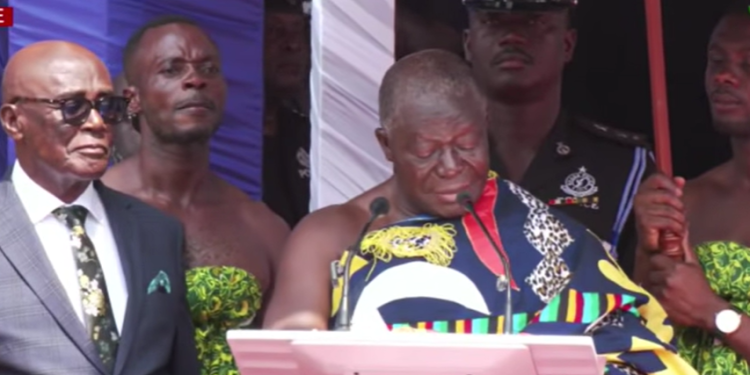
On a historic Tuesday, January 6, 2026, the revered Asantehene, Otumfuo Osei Tutu II, paid a courtesy visit to the Inspector General of Police (IGP), Mr. Christian Tetteh Yohuno. The visit was not just ceremonial, but a momentous call for change in the way security is managed across Ghana’s communities. During the meeting, Otumfuo Osei Tutu II proposed the forging of a closer partnership between traditional authorities and the Ghana Police Service. He urged the IGP to see chiefs not as bystanders, but as valuable allies in community policing. According to the Asantehene, “Let chiefs serve as allies in community policing. Let officers be trained to understand the customs of the people they protect.” He emphasized that genuine security and trust can only be achieved when the police and traditional leaders work together, with mutual respect and understanding. Otumfuo Osei Tutu II further advised that police officers should receive training in the customs and traditions of the communities they serve, as cultural awareness fosters better engagement and more effective conflict resolution. “Let dialogue proceed, deployment and mediation proceed confrontation. This is not softness but intelligence,” he said, advocating for intelligence and empathy as core pillars of modern policing. The Asantehene’s historic call sets the stage for a new era of collaboration, where chiefs and police unite to ensure peace, understanding, and safety for all. Source: Apexnewsgh.com
The Upper East Region’s Battle with Maternal Mortality
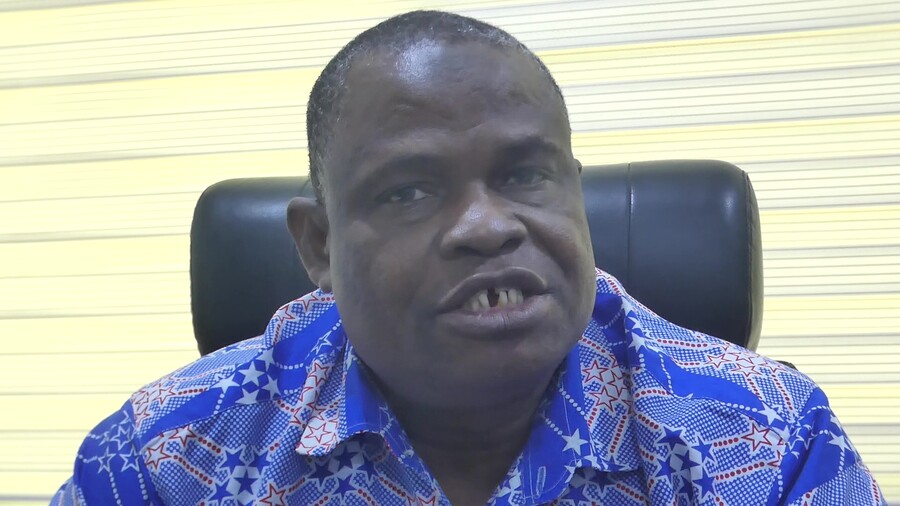
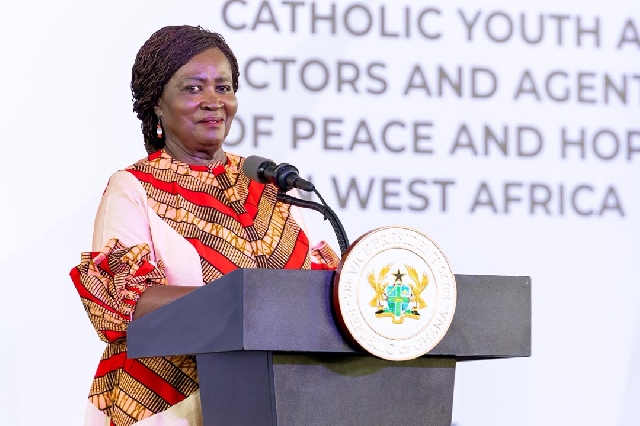
In 2025, the Upper East Region of Ghana was rocked by a heartbreaking revelation. Dr. Barimah Baba Abubakari, the Regional Director of Health Services, made a sobering announcement: over 60 women had died from maternal complications in the region that year alone. This news broke during the unveiling of a new National Health Insurance Scheme (NHIS) office in Nangodi, Nabdam District. As local leaders, health professionals, and residents gathered in anticipation of better healthcare access, Dr. Abubakari’s words cast a shadow, highlighting a crisis demanding urgent attention from all corners of society. He explained that these deaths were not inevitable. Many could have been prevented if expectant mothers received timely antenatal care, skilled delivery, and proper postnatal support. Yet, the problem extended beyond the reach of medical services. Deep-rooted social and cultural practices, he noted, often hinder women from seeking the care they need. Husbands, families, and community leaders all have crucial roles in encouraging women to attend clinics, deliver in health facilities, and seek help at the first sign of complications. Dr. Abubakari also addressed a persistent challenge: a critical shortage of healthcare professionals. Of the 35 medical officers posted to the region, only six reported for duty, and just one accepted a posting to a district hospital. This left many facilities understaffed, especially in rural areas where the need was greatest. Despite these difficulties, hope was in the air. The commissioning of the NHIS office was hailed as a positive step, promising to bring health insurance services closer to the people and improve access, especially for vulnerable groups. Dr. Mark-Kurt Nawaane, Member of Parliament for Nabdam and Chair of Parliament’s Health Committee, reassured the community of his dedication to strengthening healthcare delivery. He stressed the government’s unwavering commitment to universal healthcare by 2030, aligning with the global Sustainable Development Goals. As the event concluded, stakeholders agreed that the new NHIS office could become a turning point. With collective effort, from policymakers to families, the Upper East Region could look toward a future where maternal mortality is drastically reduced, and every woman has the chance for a safe, healthy birth. Source: Apexnewsgh.com