
Jersey returns £7m of ‘tainted’ funds to Nigeria
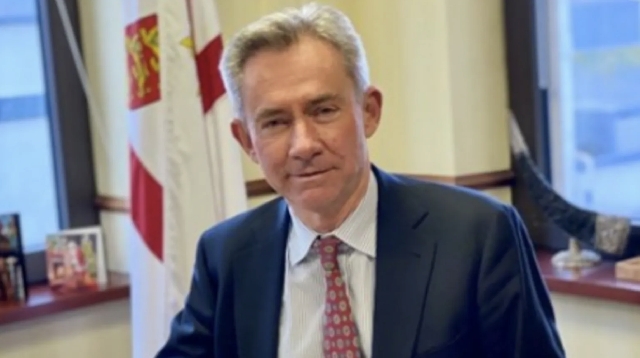
More than $9.5m (£7m) from “tainted property” held in a Jersey bank account is to be returned to the Government of Nigeria to support an infrastructure project. His Majesty’s Attorney General for Jersey Mark Temple KC signed a Memorandum of Understanding (MOU) in December to return the money. The MOU built on two previous agreements between Jersey and Nigeria involving the repatriation of more than $300m (£230m). In January 2024, the Royal Court found the funds were “more likely than not” proceeds from a corrupt scheme where third-party contractors diverted government funds “for the benefit of senior Nigerian officials and their associates”. Lateef Fagbemi, Nigeria’s Attorney-General and Minister of Justice, said the repatriated assets would be used “in line with the terms” of the MOU. He said: “The successful recovery and repatriation of the forfeited assets underscores the effectiveness of Nigeria’s collaborative efforts with its international partners in ensuring that there is no safe haven for illicitly acquired wealth or assets moved to foreign jurisdictions.” Funds will contribute to the final stages of a stretch of highway that acts as a “vital link” between Nigeria’s capital and its second-largest city. Temple said the return demonstrated “the strength of our civil forfeiture legislation as a powerful tool in the fight against corruption”. Source: bbc.com
Ukraine Offers to Release Captured Ghanaians Fighting for Russia, Says Foreign Minister Ablakwa
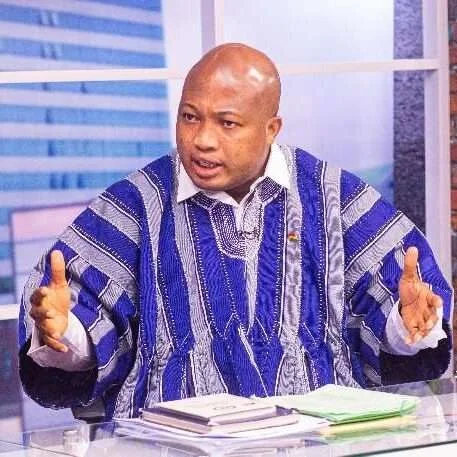
A new chapter in Ghana’s diplomatic efforts unfolded this week as the Minister for Foreign Affairs and Regional Integration, Mr Samuel Okudzeto Ablakwa, revealed that Ukraine is ready to hand over some Ghanaians captured while fighting as mercenaries for Russia. The announcement came via Mr Ablakwa’s official Facebook page, where he credited Ukraine’s Foreign Minister, Andrii Sybiha, for his cooperation and goodwill. “See you in Ukraine next month,” Mr Ablakwa wrote, hinting at imminent high-level talks to advance the process and secure the safe return of the detained citizens. Mr Ablakwa reaffirmed the government’s dedication to the safety and welfare of Ghanaians abroad. “The Ghanaian Government will continue to prioritise the safety and welfare of all our citizens, no matter how challenging it might be,” he stated, emphasizing Ghana’s unwavering commitment despite the complexities involved. He also highlighted the robust diplomatic ties between Ghana and Ukraine, noting that ongoing engagement continues to deliver positive outcomes for both countries. This partnership, he stressed, has been crucial in addressing sensitive issues and protecting Ghanaian nationals during turbulent times. The development comes as the world watches the Russia-Ukraine conflict with increasing concern about the recruitment and coercion of foreign nationals—including Ghanaians—into the fighting. Ghanaian authorities have repeatedly warned citizens against involvement in foreign armed conflicts and have intensified diplomatic efforts to secure the release and repatriation of affected nationals. As the government prepares for further negotiations in Ukraine, families back home remain hopeful that their loved ones will soon return, thanks to continued diplomatic vigilance and international cooperation. Below is the response from the Ukrainian Foreign Affairs Minister Source: Apexnewsgh.com
Manchester City Smash Transfer Record to Land Ghana’s Antoine Semenyo

It was a brisk January evening, but inside Manchester City’s Etihad Stadium, excitement was reaching fever pitch. The Premier League champions had just pulled off a historic signing, securing Ghana international Antoine Semenyo from AFC Bournemouth for a staggering £65 million – the largest fee ever paid for a Ghanaian footballer. The move was set in motion earlier in the week when City activated Semenyo’s release clause. By Thursday, January 8, 2026, the 26-year-old had completed his medical, capping off a whirlwind few days that began with a dramatic winning goal for Bournemouth against Tottenham Hotspur – his final act for the Cherries. Semenyo didn’t have to look far for suitors. Liverpool, Manchester United, Chelsea, and Tottenham had all been linked with the forward, but it was Manchester City who moved decisively, becoming the only club to officially trigger the release clause. The deal was sealed with a five-and-a-half-year contract, tying Semenyo to City until 2031. Speaking after putting pen to paper, a beaming Semenyo shared his excitement: “I am so proud to have joined Manchester City. This is a club with world-class players, world-class facilities, and one of the greatest managers ever. I believe City can take my game to the next level, and my best football is still to come.” Semenyo’s rise has been meteoric. Since joining Bournemouth from Bristol City in January 2023, he has made 110 appearances and has become renowned as one of the Premier League’s most dynamic forwards. This season alone, he netted 10 league goals, including a memorable brace against Liverpool and that last-minute winner versus Spurs. Bristol City, his former club, is celebrating too – they smartly negotiated a 20 per cent sell-on clause when selling Semenyo to Bournemouth for around £10 million. Now, with the record-breaking transfer, the Robins are set for a welcome windfall. For City, the arrival of Semenyo promises to inject fresh pace, strength, and versatility into their attacking ranks. And while he settles into life in Manchester, Semenyo is expected to maintain his crucial role with the Ghana Black Stars, having already amassed over 30 international caps and representing his nation at the 2022 FIFA World Cup in Qatar. With the ink barely dry on his contract, all eyes will be on Semenyo as he embarks on a new chapter in sky blue, ready to chase trophies and carve his name into Manchester City’s storied history. Source: Apexnewsgh.com
Swallowed by Drugs: Minister Rallies Youth and Parents in Fight Against Substance Abuse
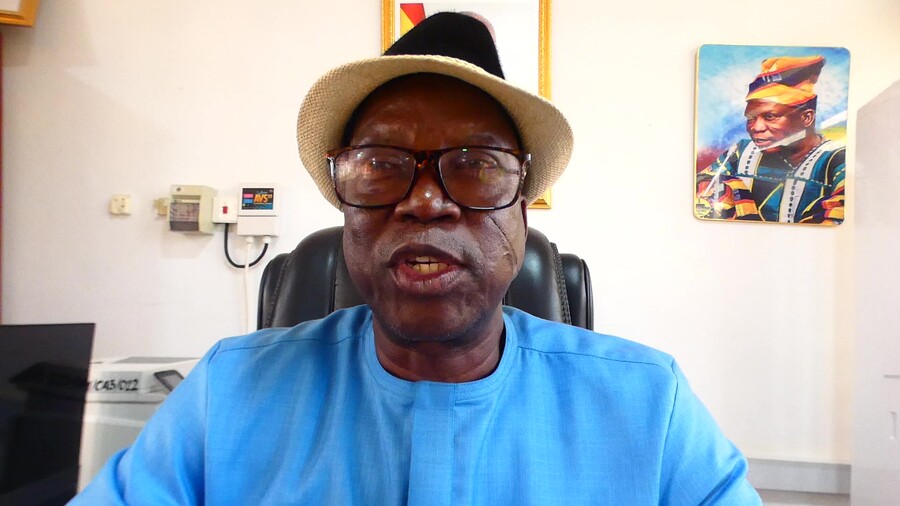
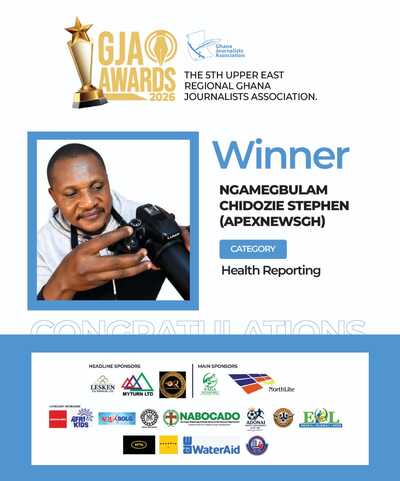
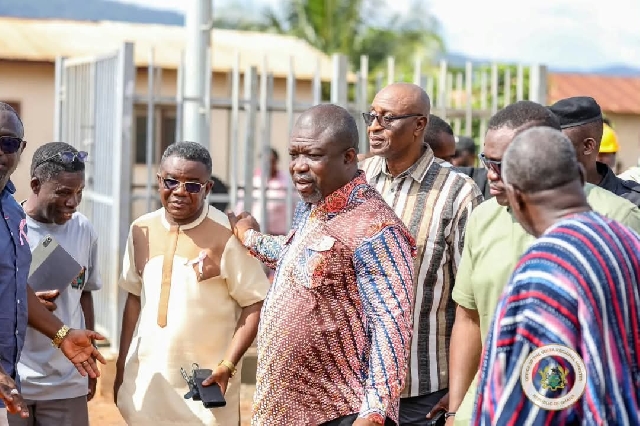
The Upper East Regional Minister, Mr. Akamugri Donatus Atanga, has expressed deep concern over the rising trend of drug and alcohol abuse among the youth in the region, cautioning that such practices only worsen personal struggles instead of resolving them. In a documentary titled “Swallowed by Drugs” with Apexnewsgh’s Ngamegbulam Chidozie Stephen, the Minister likened the reliance on drugs and alcohol as a way of coping with stress to “postponing problems.” “If you are seeing that you are stressed, and for that matter, you want to go under the influence of drugs or alcohol to free yourself, you are simply postponing that stress,” he warned. “Because when the influence of the drug is over, then you have worsened your situation.” Instead, Hon Atanga encouraged young people to channel their energy into productive activities. “I would want to advise that you should concentrate on your academic activities and other professions. If you are into crafts, focus on that. When you concentrate on that, it can take you out of your troubles far better than alcohol or drugs,” he said. The Minister further urged the youth to draw inspiration from those who have overcome hardship, rather than imitating negative examples. “Don’t allow the people who have lost their way to influence you. Rather, look for the successful people to join,” he advised. The Regional Minister did not spare parents from responsibility, stressing that family attitudes often shape the choices children make. He noted that dismissing or ignoring children’s concerns could push them toward substance abuse. “Sometimes, as parents, we push them into these things. If you knock at them whenever they raise concerns, they feel nobody minds them in society. Then they resign themselves to taking drugs so they can take comfort and adapt,” he explained. He urged parents to adopt open dialogue, counseling, and positive mentorship for their children. “When you see them taking drugs, sit them down, look for counselors, or help them associate with people of good character,” he advised. The Minister also pointed to the increasing availability of unregulated pharmacies and drinking spots as fueling the crisis. “Now you have pharmacies everywhere, some not properly regulated, where hard drugs can be accessed easily. You also have drinking spots all over, which makes alcohol too available,” he observed. He recommended stricter measures by local assemblies to regulate sales. “Assemblies should pass by-laws to supervise the sale of alcohol and the operation of pharmacies. Regular inspections must be done to ensure the drugs sold are wholesome,” he said, adding that such interventions would help reduce abuse. As “father of the region,” Hon. Atanga concluded with an appeal to the youth to resist the lure of substance abuse and invest in their future. “There is not only one person who faces difficulties. Others have faced even worse situations and overcome. If you put your time to proper use, you will sustain yourself and rise above depression and hardship,” he reminded. Source: Apexnewsgh.com
Dr. Mark Kurt Nawaane Empowers Nabdam Farmers with New Cooperatives, Seed Funding, and Fertilizer Support
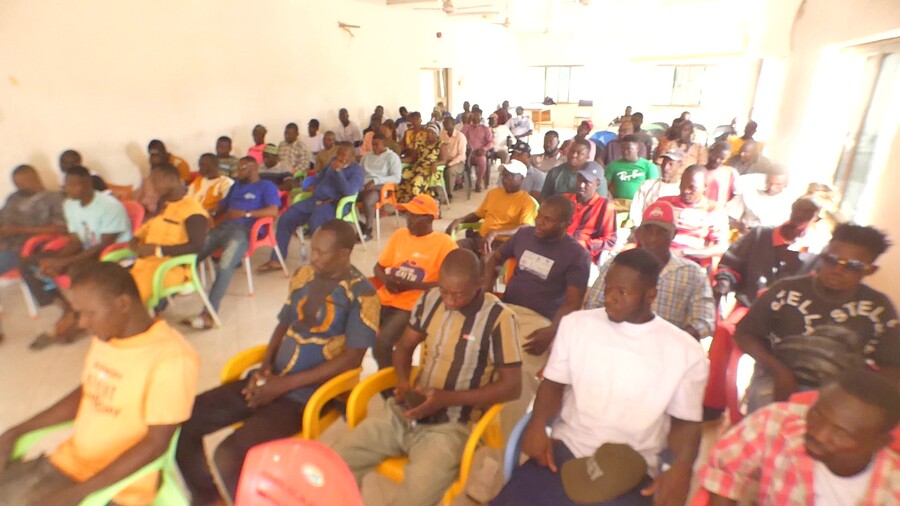
The Nabdam constituency was alive with excitement as Dr. Mark Kurt Nawaane, the Member of Parliament, inaugurated 19 newly formed cooperative farmers groups. The event marked a fresh chapter for local agriculture, promising unity, resources, and a renewed sense of purpose for farmers across the district. Before gathering the farmers for the main engagement, Dr. Nawaane took a significant step by facilitating the opening of a group bank account for the cooperatives. Demonstrating his commitment, he deposited GHC 50,000 as seed money into the account and further promised to support the groups with 190 bags of fertilizer, ensuring each cooperative had a solid foundation to launch their activities. During the inauguration, Dr. Nawaane addressed the farmers with a heartfelt speech that underscored the importance of collaboration. He explained that, while he had previously assisted individual farmers, the new approach under the leadership of President John Dramani Mahama’s government emphasized group organization for greater impact. “In the past, many small and scattered farmers’ groups made it difficult to distribute support fairly and efficiently,” Dr. Nawaane recounted. “This time, we decided to form area-based groups, neighbors working with neighbors, making it easier to share information and coordinate activities.” He encouraged the cooperatives to embrace this new structure, assuring them that a coordinator and temporary leaders would help guide their efforts. With the groups now formally registered, Dr. Nawaane stressed that the extent of assistance they would receive depended on their own initiative and collaboration. “You have your seed money in the Rural Bank in Nabdam. The kind of support you get will depend on your discussions, your ideas, and your willingness to work together,” he said. Dr. Nawaane advised the groups to hold regular meetings, register new members, and keep their operations open and inclusive. He suggested modest contributions from members to supplement the seed funding and reminded everyone that lasting progress is built on collective effort rather than waiting for large, infrequent handouts. “Always remember that God helps those who help themselves,” he reminded the crowd. The MP also touched on the economic realities of the district, citing a study by the Ghana Statistical Service that placed Nabdam at the highest poverty level in the region with a 68.6% multidimensional poverty index. “Should we continue to sit down and say that because we are poor, we do nothing? No. That is why I’ve identified farming as the area where, if we work hard and support each other, we can change our destiny.” Dr. Nawaane concluded by encouraging the groups to bring forward their concerns and ideas, assuring them of his ongoing support and the potential for greater assistance from banks and government programs. He praised the achievements of local farmers, noting that some were already among the best in the district, and expressed confidence that with unity and determination, Nabdam’s farmers could transform their fortunes. With the official inauguration complete and resources in place, the 19 cooperative groups are set to begin a new journey, one fueled by teamwork, practical support, and the shared vision of a more prosperous farming community. During the inauguration of the new farmers’ cooperative groups in the Nabdam District, the District Director of Agriculture, Mr. Rasheed Imoro, delivered an insightful address that highlighted both the challenges and the opportunities facing local agriculture. Drawing from recent surveys and development strategies, Mr. Imoro emphasized that poverty and hunger in the district were not just matters of food scarcity, but also linked to how communities approached development. He urged everyone to adopt a “SWORD analysis,” to examine their strengths and weaknesses and build upon them. “Our strength in Nabdam is agriculture,” Mr. Imoro noted, “yet, despite the majority of our people being involved in farming, we remain poor. The reason is simple: we have been working as individuals, each in our own corner.” Mr. Imoro praised Dr. Mark Kurt Nawaane, the Member of Parliament, for his hands-on efforts to support farmers. He shared that Dr. Nawaane’s willingness to make his tractor available for plowing, often at great personal effort, was a rare and commendable gesture in the region. “Our soil here is hard, and without tractors, it’s nearly impossible to prepare the land after the rains. The MP’s support means a lot to our community,” he said. Turning to the future, Mr. Imoro explained that government policies, such as the Feed Ghana program introduced by President John Dramani Mahama, were designed to transform agriculture with subsidies, mechanization, and new markets. However, he stressed that these benefits were most accessible to those organized in groups. “If you are in a group, you can access loans, set market prices for your produce, and have your voice heard, not just in Nabdam, but across the whole country,” he explained. He outlined how small farmer-based organizations (FBOs) could combine to form even stronger cooperatives, echoing Dr. Nawaane’s vision for area-based groups. “A group should have a minimum of 15 and a maximum of 40 members,” he advised, “with clear leadership and an active, workable bank account.” Mr. Imoro applauded Dr. Nawaane for providing seed money to register the cooperatives and open their accounts. He explained the importance of these accounts, not just for receiving funds, but also to show potential supporters, such as those who might drill boreholes for dry-season farming, that the group is financially responsible and sustainable. He encouraged members to make regular contributions, even as little as five cedis a week, to grow their collective resources. “I’ve seen groups elsewhere with as much as GHC 200,000 in their accounts. This is the way forward,” he said. Concluding his remarks, Mr. Imoro expressed gratitude for the focused efforts of both the MP and the district executive on uplifting agriculture in Nabdam. “I am 100% in support of these initiatives,” he declared. “My doors are always open. If you need anything related to agriculture, come to our office. We are here to help.” With his practical advice and endorsement, Mr. Imoro’s speech reinforced the message that cooperation and collective action are