


Ghana Airports Company Clarifies Firearm Rules for Air Travelers After Spike in Seizures
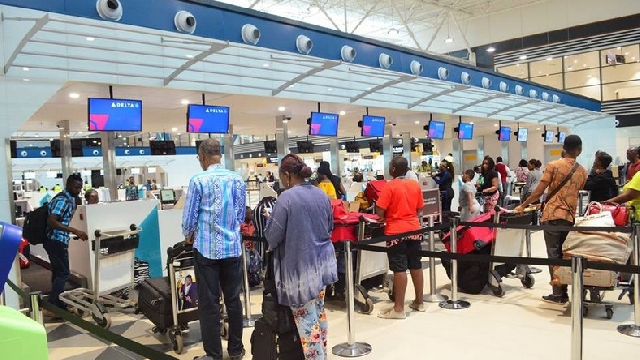
In the wake of alarming revelations from the 2024 Auditor-General’s report, showing that more than 2,000 illegal firearms and rounds of ammunition were seized at airports, the Ghana Airports Company Limited (GACL) has moved to clarify its firearms policy for air travelers. Appearing before the Public Accounts Committee of Parliament, GACL Managing Director Yvonne Opare addressed concerns about how firearms are handled at the country’s airports. She explained that the company, working under new directives from the Ghana Civil Aviation Authority, has put in place a fortified weapons declaration policy designed to boost safety and security for all passengers. “Anyone who wants to travel with a firearm must have the correct license and must formally declare the weapon to airport security before boarding,” Opare stated. “If you do not have the proper authorization, or you fail to declare your firearm, even if it is licensed, the weapon will be confiscated and handed over to the National Investigation Bureau.” Opare pointed out that, in previous years, there was no clear legal framework regulating the carriage of firearms through Ghana’s airports. Now, however, the rules are strict: only legally registered firearms that have been properly declared are permitted on flights. Any weapon discovered without proper paperwork or declaration is seized immediately. The strengthened procedures, she emphasized, are part of ongoing efforts to keep Ghana’s airports safe and to ensure that all firearms are accounted for before any passenger takes to the skies. Source: Apexnewsgh.com
NPP Moves to Expel Former Minister Over ‘Fake Party’ Claims
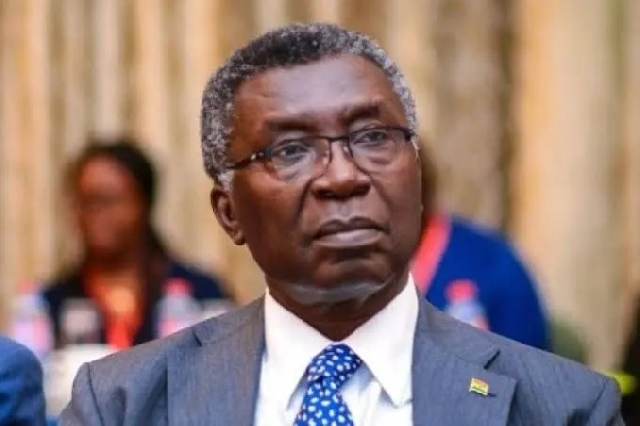
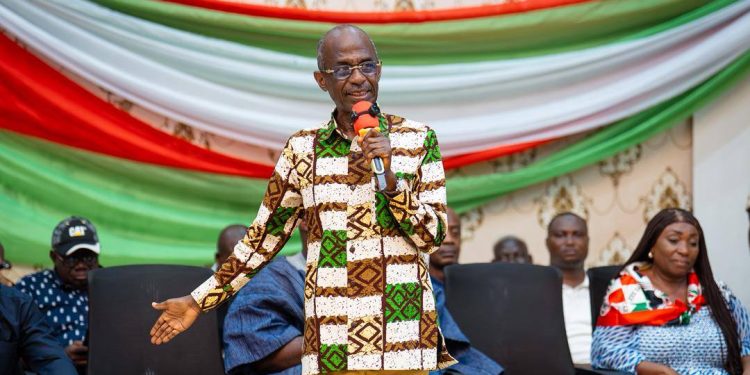
The New Patriotic Party (NPP) is taking steps to expel one of its most prominent former members, Professor Kwabena Frimpong-Boateng, after a series of explosive remarks that have rocked the party’s top ranks. The controversy erupted after Professor Frimpong-Boateng, a renowned heart surgeon and former Minister for Environment, Science, Technology, and Innovation, appeared on Channel One TV on Monday, January 12, 2026. During the interview, the respected academic did not hold back, calling the NPP a “fake party” and openly questioning the legitimacy of the party’s internal elections. The following day, the NPP leadership responded swiftly. In a statement signed by General Secretary Justin Kodua Frimpong, the party said it had taken note of Professor Frimpong-Boateng’s comments, which included allegations that the party’s 2023 presidential primary was rigged in favour of Vice President Dr. Mahamudu Bawumia, who later became the NPP’s presidential candidate for the 2024 general elections. According to the statement, Professor Frimpong-Boateng not only attacked the party’s credibility but also declared that he no longer considered himself a member. The NPP described his words as “disparaging” and “damaging to the unity, values, and integrity” of the party. The party strongly refuted the former minister’s claims, insisting that the 2023 presidential primaries were conducted in a manner that was “free, fair, transparent, and credible,” and pointing out that the outcome was broadly accepted by all participating candidates and supporters. Now, citing its constitutional mandate, the NPP says it has begun formal disciplinary proceedings to expel Professor Frimpong-Boateng, pledging to follow due process in the days ahead. The party’s leadership emphasized that unity and adherence to core values remain non-negotiable, even as it faces criticism from within its own ranks. Source: Apexnewsgh.com
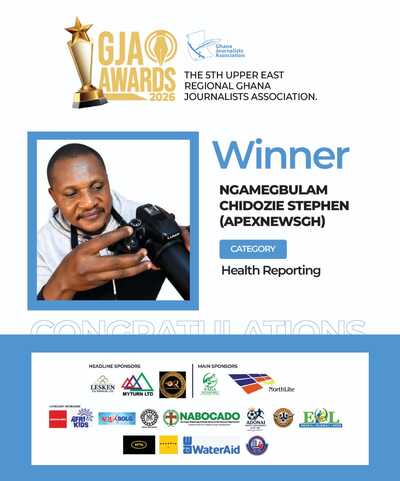
SWALLOWED BY DRUGS: Ngamegbulam Chidozie Stephen Warns Zamse Students About Dangers of Alcohol and Drug Abuse

One morning in June 2025, the students of Zamse Senior High Technical School were very excited. They gathered for assembly, talking and waiting for a special guest. The air felt electric. They were about to hear from Mr. Ngammegbulam Chidozie Stephen, a famous journalist from Apexnewsgh. Many knew his name from Facebook or had seen parts of his powerful documentaries. He came with an important message. He wanted to talk about a serious problem hurting Ghana’s young people: drug and alcohol abuse. His visit was timely. Following a report from the Narcotics Commission, had shocking news. Out of 50,000 Ghanaians struggling with drugs and alcohol, 35,000 were students. That meant most of those affected were in school, just like them. The country’s future was in danger. Mr. Ngamegbulam was no ordinary reporter. He made award-winning films. His latest documentary, “Swallowed by Drugs,” shared the sad stories of young people whose lives were ruined by addiction. Watch the full video here: When he walked onto the stage, the students clapped loudly. Some knew his face from social media. For others, this was their first time seeing him in person. They were ready to listen. He started speaking straight away, sharing a hard truth. “Many of our youth have used alcohol and drugs to ruin their own futures,” he said. “Some dreamed of being doctors. Others wanted to be nurses. But now, some are sitting at home, lost. Others are in mental hospitals. Their dreams are broken.” He stopped for a moment. The students were reticent, thinking about his words. He then asked them a big question. “Do you know that every year, more than 3 million people around the world die from alcohol and drugs? That number is bigger than most cities in Ghana. Every single one of those people was someone’s child, someone’s friend, or someone’s classmate.” The award-winning journalist looked at all the young faces before him. “This problem often starts right here, in school,” he explained. “You might have friends who think drinking or taking drugs is fun. They might be looking for excitement. But real joy doesn’t come from being drunk or high.” He discussed peer pressure, when friends encourage you to do something. “You might try something because a friend says it’s cool. But that one choice can change your whole life forever.” Then, he asked a direct question: “Who here knows about tramadol?” Almost every hand went up. He explained that tramadol is a strong medicine for pain, not for young people. Yet, some students hide it in their drinks, thinking it will make them strong or brave. He mentioned seeing scary videos online of young people standing stiff, not able to fall. “That is not strength,” he said softly. “That is the drug controlling them. The person inside is gone.” He listed other dangerous things: marijuana, shisha, and other drugs. “If you walk around town, you will see young people whose lives have been taken over by drugs and alcohol. But for you, it is not too late. You can choose a different path.” Mr. Ngamegbulam also corrected lies about drugs. “Some say drugs make you smarter or stronger. That is a falsehood. Drugs do not give you power. They destroy you,” he stated firmly. He told stories of students with big dreams who lost everything to addiction. “Your future matters to your family, to your country, and most importantly, to you,” he reminded them. He made it clear he was not there to criticize them. “I may not know your names,” he said kindly, “but I care about what happens to you. If you grow up to be a better person, your family is happy, your school is proud, and Ghana succeeds.” He encouraged them to support each other. “If you see a friend using drugs or alcohol, talk to them. Give them good advice. You can only truly succeed if you help each other succeed.” To give them hope, he pointed to Ghana’s successful leaders. “Do you know why some people become parliamentarians or ministers? It is because they focused on their dreams. They stayed away from drugs and alcohol. If you do the same, nothing can stop you from becoming great.” Finally, he gave them a task. “Take this message to your classrooms and homes. Tell your friends and family: ‘The future president of Ghana could be one of us. Don’t let alcohol or drugs steal that future.’” When he finished, the students’ excitement was clear. They had listened to a powerful, heartfelt talk full of important advice. The message was simple and clear: their future was precious, and it was worth protecting. Meanwhile, the documentary “Swallowed by Drugs” was supported by Endswell Pharmacy Limited Source: Apexnewsgh.com
Swallowed by Drugs: Substance Abuse Among Health Workers Alarming, Says Upper East Health Director
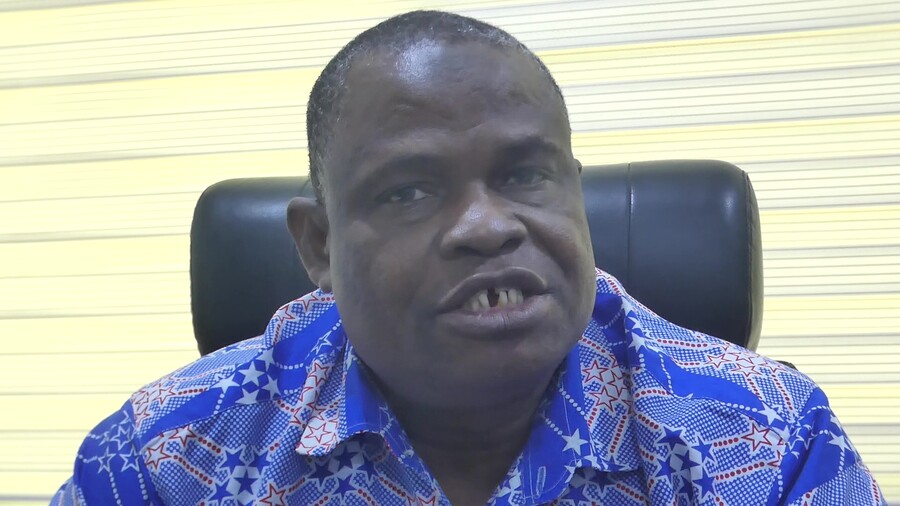
The Upper East Regional Director of the Ghana Health Service (GHS), Dr. Braimah Baba Abubakari, has expressed deep concern over the rising trend of substance abuse, not only among the youth but also within the health profession. Speaking with Ngamegbulam Chidozie Stephen of Apexnewsgh in a documentary titled “Swallowed by Drugs”, Dr. Abubakari revealed that the situation has “escalated beyond imagination” and now affects even health professionals who are expected to safeguard public health. “The issue of substance abuse is not a new thing, but what is frightening now is the age range of those involved,” he said. “We have people as young as 13 or 14 years already engaged in it. Some don’t even complete secondary school before getting hooked.” He warned that the implications for the future are dire, as early exposure often leads to lifelong dependency and social dysfunction. Equally disturbing, according to Dr. Abubakari, is the creeping trend among trainee professionals. “We now have some of our professionals who get engaged in substance use during their stay in training institutions such as nursing and teacher training colleges,” he lamented. “They eventually graduate and are assigned to work, but their addiction affects how they treat clients. This is why complaints about staff attitudes in health facilities are on the rise.” Dr. Abubakari also highlighted the alarming proliferation of drinking spots in the region, which he described as a major contributor to the crisis. “In some communities, every 50 to 100 meters, you find a drinking spot. Alcohol has become too accessible and too cheap, with as little as two cedis, you can buy a drink that gets you high,” he said. On the abuse of drugs like tramadol, Dr. Abubakari criticized the infiltration of unregulated products into the country through unapproved routes along Ghana’s borders. “Most of these drugs come from outside Africa and find their way into the Upper East through unapproved routes. That is destroying our youth,” he warned. “The Food and Drugs Authority and the security agencies must be on high alert to save the lives of the young ones.” In his final words, Dr. Abubakari appealed directly to young people, urging them to resist the lure of substances and instead focus on building their future. “The future is more enjoyable than what you think you’re experiencing now,” he said. “Addiction is not something you can save yourself from. Be courageous, be honest, and seek help. In a short time, you can get your life back on track and build a future for yourself, your children, and for Ghana.” Source: Apexnewsgh.com