








Tobacco’s Silent Threat: FDA Discusses Public Health, Policy, and Cultural Change
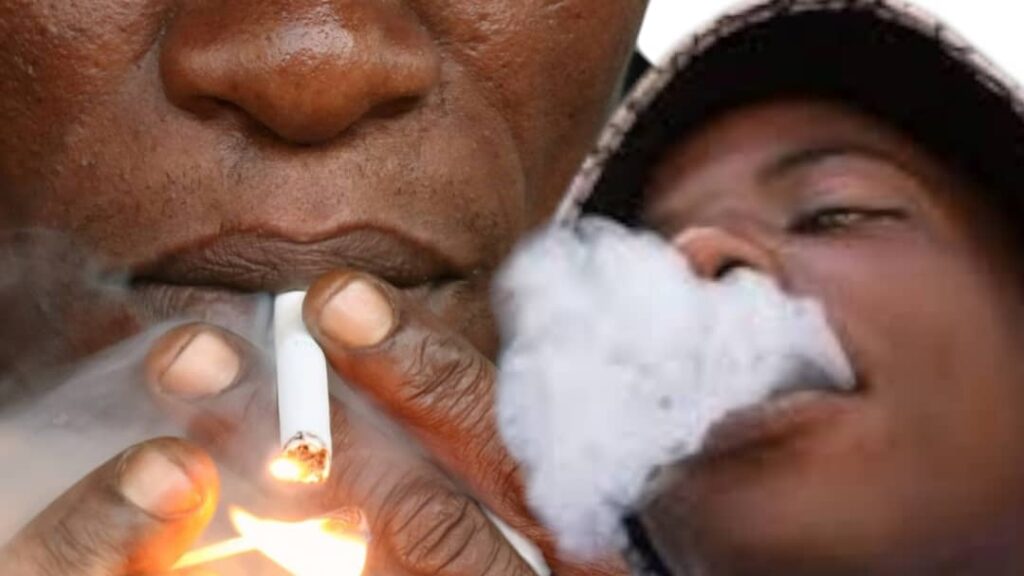
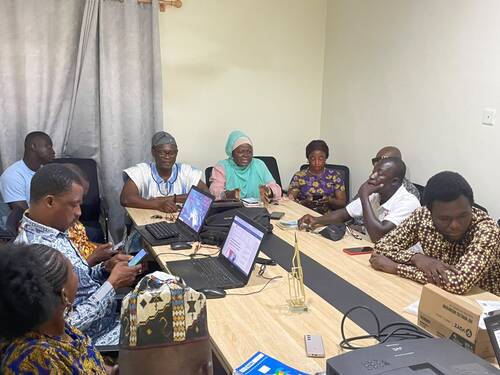
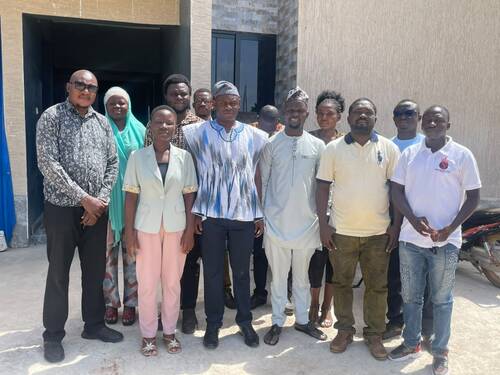
In an era where lifestyle choices are increasingly scrutinized for their long-term health implications, the conversation surrounding tobacco use remains one of the most critical public health dialogues globally. In an exclusive and illuminating engagement, Mr. Abel Ndego, the Upper East Regional Director of Ghana’s Food and Drugs Authority (FDA), provided a stark, evidence-based dissection of the tobacco epidemic. This dialogue, far more than a simple interview, serves as a documentary-grade testament for those still ignorant of the profound dangers of tobacco and the robust legal framework designed to combat its scourge. The session, spearheaded by Editor-in-Chief Mr. Ngamegbulam Chidozie Stephen, transcended basic awareness, delving into the science of addiction, the specifics of Ghana’s legislation, and the nuanced battle against deeply entrenched cultural practices. Mr. Ndego framed the discussion with sobering global statistics that underscore the urgency of the FDA’s mission. “Over 8 million people die from tobacco use and second-hand smoke globally each year,” he stated, affirming its position as the world’s leading preventable cause of death. This grim tally includes approximately 7 million deaths from direct use and 1.3 million non-smokers succumbing to second-hand smoke exposure, with a disproportionate impact on low- and middle-income nations. Translated into a daily horror, tobacco claims nearly 22,000 lives every day. These figures are not abstract; they represent a relentless public health emergency that national authorities like the FDA are mandated to address through education, regulation, and enforcement. A central thrust of the engagement was dispelling myths and revealing the hidden equivalencies in tobacco consumption. With emphatic clarity, Mr. Ndego highlighted one of the most alarming facts: “Going through one hour session of shisha is equivalent to smoking between 100 and 200 sticks of cigarettes.” This revelation often stuns casual users who perceive shisha as a social, filtered, and less harmful alternative. The reality is that a single shisha session delivers a massive dose of toxicants, debunking its benign reputation. The chemical cocktail within tobacco smoke, Mr. Ndego explained, is a brew of over 3,000 harmful substances. “Formaldehyde, what they used to make formalin for the embalming of dead bodies, is found in there. We have tar… a lot of carcinogens… heavy metals like lead and cadmium.” These components are directly linked to cancers, cardiovascular diseases, respiratory illnesses, and a host of other dire health consequences. The addictive engine driving this consumption is nicotine, a substance that creates a physiological “hunger,” compelling repeated use and deepening dependency. “There is proof also,” Mr. Ndego added, “that people who have smoked continuously for more than five years are most liable to lose 10 years of their life.” Beyond education, the FDA’s work is firmly rooted in legislative action. A cornerstone of Ghana’s strategy is the ban on public smoking, a law whose rationale extends beyond the individual smoker. “It’s a crime to smoke in public,” Mr. Ndego asserted. The science of second-hand smoke is unequivocal: “All the health risks of the smoker, the secondhand smoker is liable to them as well. And so why would I suffer for somebody’s enjoyment?” The definition of a public space is intentionally broad. “Even your private vehicle, as long as you pick a passenger, ceases to be private… You cannot smoke there.” Enforcement, he clarified, is a shared responsibility. “The beauty of this is that… you can even effect citizen arrests. If somebody is smoking in your environment, you can report the person to the police.” The FDA has complemented this law with extensive stakeholder engagements, distributing “No Smoking” stickers and educating groups like the Ghana Private Road Transport Union (GPRTU) to ensure terminals and vehicles are compliant. Perhaps less known is the illegality of a common market practice. “It is a crime to sell single sticks of cigarettes to people,” Mr. Ndego declared. This prohibition, under Section 6 of the Public Health Act, is fundamentally about informed consent. A cigarette pack carries mandated pictorial health warnings and graphic images of diseased organs, which communicate the product’s risks. A single stick offers no such warning. “The space on a single stick is so small… it must be sold in the pack so that the health warning can really send a message.” Selling illicit, unregistered cigarettes that lack these warnings altogether is an even more severe contravention. One of the most sensitive aspects of the FDA’s work involves engaging with cultural institutions. In many regions, including the Upper East, tobacco is woven into traditional rites. “If you want to marry, they will tell you that you have to present tobacco… greeting your in-laws,” Mr. Ndego noted. The FDA, in a respectful and collaborative manner, has initiated dialogues with the Regional House of Chiefs. “We have been engaging… to see how together they can substitute the tobacco for something else,” such as a symbolic monetary representation. While acknowledging that altering longstanding traditions “takes time,” Mr. Ndego reported a receptive audience attuned to the health and developmental arguments. Simultaneously, the authority is battling the tobacco industry’s adaptation through technology. The market is now flooded with sleek, discreet nicotine delivery devices. “We have e-cigars… some come in the form of pens… I even saw one that was like a smartwatch,” Mr. Ndego described. These products, often appealing to youth, vaporize nicotine-laced liquids, leveraging technology to perpetuate addiction. The FDA remains vigilant, recognizing that regulation must evolve as quickly as the products it seeks to control. Ghana’s comprehensive approach extends to stifling the tobacco industry’s influence. “Tobacco companies are not permitted by law to sponsor any event in Ghana. They cannot even donate money to save a life… They cannot brand any products,” Mr. Ndego outlined. This near-total ban on advertising, promotion, and sponsorship is a critical World Health Organization-backed measure to denormalize tobacco use and prevent targeting the youth. Furthermore, the state employs fiscal policy as a deterrent. Significant fees for product registration, “you would not pay less than, I think, ten to fifteen thousand dollars” per brand, combined with heavy taxes, aim to limit accessibility and generate revenue for public
Amasaman High Court Sets Judgment Date in Nana Agradaa’s Appeal Against Conviction

The legal saga of Patricia Asiedua Asiamah, widely known as Nana Agradaa, took another turn this week as the Amasaman High Court adjourned her much-anticipated appeal hearing to February 5, 2026. The former fetish priestess, who reinvented herself as an evangelist, is contesting her conviction and 15-year custodial sentence handed down on July 3, 2025, for charlatanic advertisement and defrauding by false pretence. Nana Agradaa’s appeal centers on claims that her trial was marred by unfair procedures and insufficient evidence to warrant a guilty verdict. She and her legal team maintain that the sentence imposed was excessively harsh, and they are hopeful the appellate court will overturn or reduce the punishment. After Wednesday’s session on January 21, her lawyer, Richard Asare Baffour, addressed reporters outside the courthouse, shedding light on the reasons for the latest delay. According to Baffour, the adjournment became necessary after the Attorney-General’s Office failed to comply with earlier court directives, citing technical challenges with the electronic evidence required for the appeal. The defence team strongly objected to a further extension of time requested by state prosecutors, insisting that the case was already overdue for resolution. The presiding judge ultimately set February 5, 2026, as the date for delivering judgment, granting the Attorney-General’s Office the opportunity to file written addresses if it chooses. “The court has adjourned the case to February 5, 2026, to deliver its judgment,” Baffour explained. “By then, the Office of the Attorney-General will have the opportunity to file its written addresses, if it is minded to do so.” With the new date on the calendar, all eyes now turn to the upcoming judgment, a decision that could significantly alter the fate of one of Ghana’s most controversial public figures. Source: Apexnewsgh.com
Nigeria’s Ruling Party Climate Network Backs APC Chairmanship Candidate for Bwari in Abuja Elections

The APC Climate Change Network (ACCN), a support group aligned with Nigeria’s ruling All Progressives Congress (APC), has pledged its support to Hon. Haruna Shekwolo Ushafa, the party’s chairmanship candidate for the upcoming Federal Capital Territory (FCT) Area Councils elections in Bwari. Members of the network paid a courtesy visit to Ushafa at his residence in Ushafa, Bwari, on Tuesday, underscoring their commitment to backing his campaign with grassroots mobilization and climate-focused advocacy. Speaking during the visit, ACCN National Coordinator, Citizen Greg Odogwu, said the group was “strongly behind” Ushafa and would support his campaign through the distribution of flyers and the promotion of environmental sustainability principles throughout and beyond the election period. Odogwu described the candidate as “Sustainable Shekwolo,” citing his experience, leadership style, and track record as indicators of his capacity to build climate resilience in Bwari Area Council if elected. “His pedigree, experience, and body language show that he understands the issues and has what it takes to make Bwari climate-resilient,” Odogwu said. In response, Ushafa acknowledged the growing impact of climate change and emphasized the need for urgent action at the grassroots level. He said his team recognizes climate change as a real and pressing challenge, particularly for rural communities whose livelihoods depend heavily on agriculture. “There are many things that must be done to make our Area Council resilient and to improve the lives of our people, especially rural farmers,” Ushafa said. “We can adopt climate-smart agriculture and upgrade agricultural facilities, which will automatically improve livelihoods.” He also highlighted the economic costs of climate change, pointing to erosion and infrastructure degradation as major challenges facing the area council. “When erosion caused by climate change is not controlled, it accelerates the deterioration of roads,” Ushafa noted. “As a result, we incur significant economic losses as an Area Council. We look forward to working closely with your network.” Also speaking at the event, the ACCN Coordinator for Bwari, Hon. Charles Nwokedi, reaffirmed the group’s support for Ushafa, noting that the network has a presence across all wards in Bwari Area Council. “We are solidly behind you,” Nwokedi said. “With our structures across the wards, we are on standby to support your campaign efforts.” The FCT Area Councils elections are expected to be closely watched, with climate resilience and sustainable development emerging as key themes in local governance debates. Background: APC Climate Change Network The APC Climate Change Network is an organized cadre of party members and climate advocates within the APC, formed to elevate environmental issues and climate action within the party’s agenda and outreach strategy. The network describes itself as a coalition of “climate champions” drawn from wards, local governments, and states across Nigeria, aiming to promote awareness of climate change, carbon literacy, and green transitions among party members and constituents. It supports the party’s alignment with national climate policies and the federal government’s climate action and energy transition goals. Since its convening in 2022, the ACCN has engaged in initiatives such as advocating for sector-specific climate action plans within the APC, organizing climate policy dialogues, and endorsing candidates whose platforms emphasize sustainable development. Source: Apexnewsgh.com