
Talensi MP Hon. Daniel Dung Mahama Transforms Healthcare with Major Donation
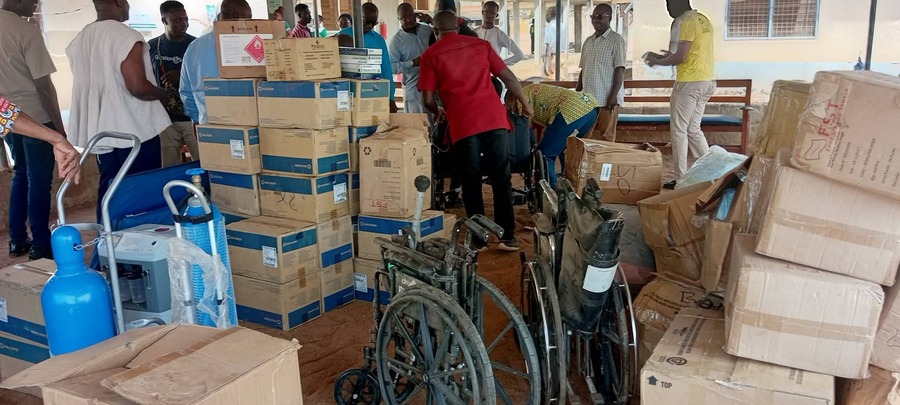
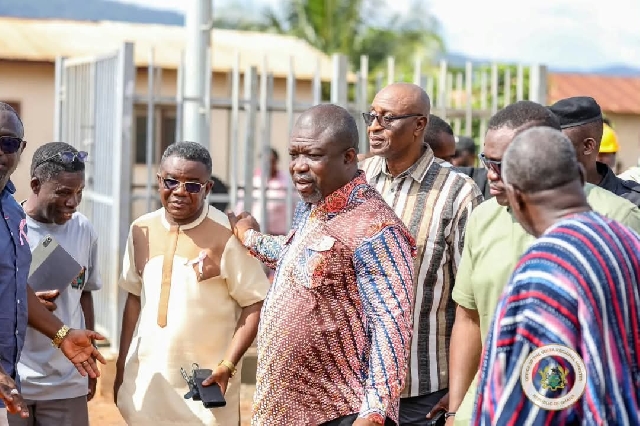
On a bright morning in Talensi, a convoy of vehicles wound its way through the district, carrying a precious cargo destined to change lives. At the heart of this mission was Hon. Daniel Dung Mahama, the Member of Parliament for the Talensi Constituency, whose commitment to his people’s health was about to make a visible impact. At the Talensi District Hospital, a sense of anticipation filled the air as staff and community members gathered to welcome the MP and his entourage. Hon. Mahama was not alone; by his side were the District Chief Executive, Hon. John Millim Nabwomya, the District Health Director, party executives, and other stakeholders. Together, they brought gifts: a donation of medical equipment and consumables valued at over GHS 300,000. The assortment was impressive: an oxygen concentrator, wheelchairs, electric beds, regular beds, mattresses, oxygen cylinders, sterile gloves, absorbent wooden towels, delivery beds, iodine solution, hand cleaner gel, umbilical vessel catheter trays, thermometer probe covers, and assorted medical consumables. Each item was carefully chosen, but none more significant than the oxygen concentrator, a device close to the MP’s heart. As Hon. Mahama addressed the gathering, his voice carried both gratitude and resolve. He spoke movingly of his late mother, who, during her illness in Accra, depended on oxygen therapy to sustain her life. That personal experience, he explained, inspired him to ensure that no one in Talensi would have to leave their district in search of such a vital resource. The donated, electrically rechargeable concentrator would now be available to serve all, even without gas refills. The MP urged the hospital and health centers to make the best use of the donation, emphasizing that the proper use of these items would justify his continued support. The DCE and District Health Director expressed their heartfelt thanks, describing the donation as critical to overcoming the challenges the healthcare system faces, not just for Talensi, but for the wider region. The day’s story didn’t end at the hospital. Next, Hon. Mahama, the DCE, the District Education Director, Madam Christiana Ayinzoya, and NDC constituency executives visited the Talensi District Fire Service Station. Here, the MP responded to another call for help, donating 16 mattresses and a 55-inch plasma television to support the firefighters’ daily work. He acknowledged the ongoing challenges faced by the service and pledged to continue advocating for solutions with the central government and other partners. Hon. Mahama’s day was filled with action and engagement. Beyond these donations, he carried out his parliamentary duties, always with an eye on the well-being of Talensi’s residents. Reports on these other engagements, he assured, would follow soon. As the sun set, the Talensi MP’s efforts stood as a testament to what determined leadership and community support can achieve. The district ended the day not just with new equipment and supplies, but with renewed hope for a healthier, better-supported future, thanks to a leader who understands and acts upon the needs of his people. Source: Apexnewsgh.com
Upper East Youth Demand Stronger Role in Peace and Security Governance
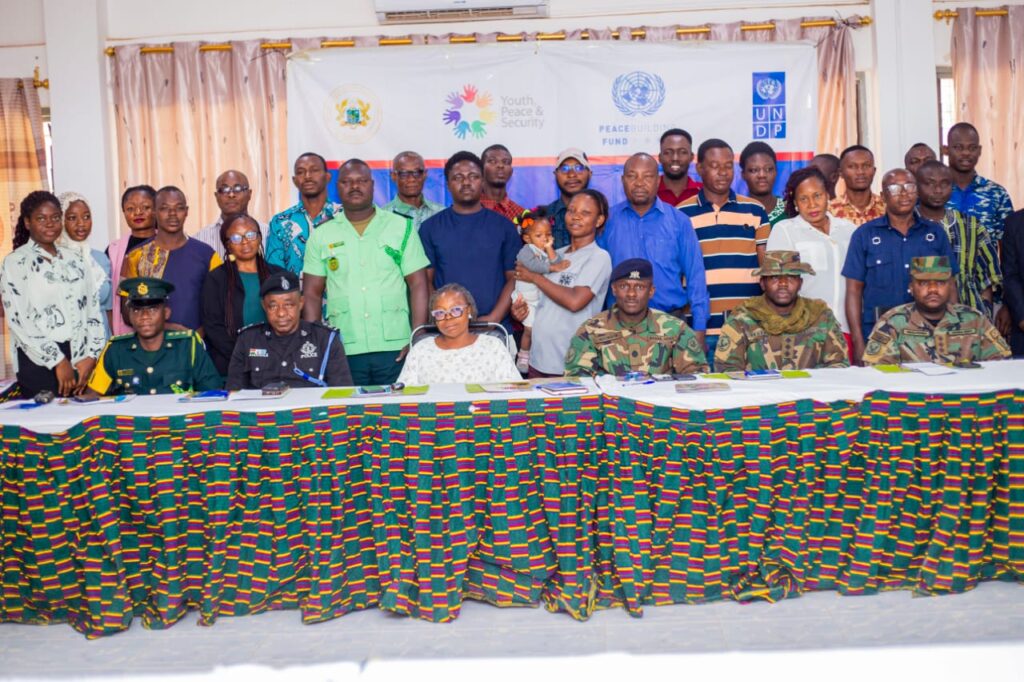
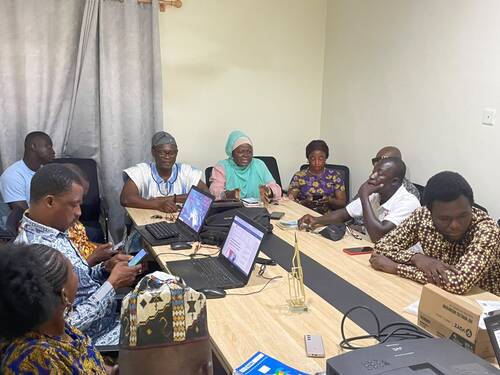
Young people in Ghana’s Upper East Region are calling for urgent, concrete measures to institutionalise youth participation in peace and security governance, as momentum builds toward the development of Ghana’s National Action Plan (NAP) on Youth, Peace and Security (YPS). Their message is clear: youth must not only be seen as beneficiaries of peacebuilding efforts but as equal partners in shaping them. This call emerged strongly during the Upper East Youth Consultation on Ghana’s National Action Plan on Youth, Peace and Security, held at the Upper East Regional House of Chiefs in Bolgatanga. The multi-sectoral forum brought together young people from across the region, alongside representatives of government institutions, security agencies, civil society organisations, and development partners, to examine the role of youth in building sustainable peace. Organised by the National Youth Authority (NYA) in collaboration with the United Nations Population Fund (UNFPA) and the United Nations Development Programme (UNDP), the consultation forms part of Ghana’s broader commitment to implementing United Nations Security Council Resolution 2250, which recognises the positive role of young people in conflict prevention and peacebuilding. It also aligns with the African Union’s Continental Framework on Youth, Peace and Security and ECOWAS regional strategies that promote youth inclusion in governance and security processes. A Platform for Youth Voices Participants engaged extensively on the five pillars of the Youth, Peace and Security framework: Participation, Protection, Prevention, Partnership, and Disengagement and Reintegration. Discussions provided a platform for young people to share their lived experiences, concerns, and practical recommendations for ensuring that peacebuilding efforts reflect the realities of communities in the Upper East Region. Throughout the engagement, youth participants stressed that while they are often at the forefront of community mobilisation and local peace initiatives, they remain largely excluded from formal decision-making spaces. They argued that sustainable peace cannot be achieved without deliberate policies that recognise young people as legitimate stakeholders in governance. A recurring theme was the need for sustained political will, adequate funding, and genuine youth partnership. Participants noted that youth inclusion must go beyond symbolic representation and translate into structured involvement in policy formulation, implementation, and monitoring. Representation Gap in Peace Structures One of the key concerns raised during the consultation was the limited representation of youth in statutory peace and security bodies. Participants observed that although young people form a significant portion of the population, their voices are often missing in critical institutions responsible for conflict resolution and national security. Several contributors called for amendments to the National Peace Council Act to make youth inclusion mandatory in peace governance structures. According to them, formalising youth representation would ensure that policies better reflect the needs and perspectives of younger generations, who are frequently at the centre of both conflict and peace efforts. The absence of youth voices in decision-making processes, they argued, has led to missed opportunities in addressing emerging threats such as political vigilantism, chieftaincy disputes, and land-related conflicts that disproportionately affect young people. Protection Concerns and Gender Dimensions The consultation also shed light on the vulnerabilities young people face, particularly young women. Participants highlighted the growing exposure of youth to violence, political manipulation, and economic exploitation. Cases of sexual and gender-based violence, especially during periods of political tension or communal disputes, were cited as major concerns. Many participants pointed to inadequate access to justice for victims of violence, calling for stronger protection systems and support services. They stressed the need for community education programmes that address harmful cultural norms, promote gender equality, and empower young women to participate safely in civic life. Youth and Conflict Prevention Discussions under the Prevention pillar focused on the role of young people in early warning systems and community peacebuilding efforts. Participants noted that youth often have first-hand knowledge of emerging tensions within their communities, yet their insights are rarely integrated into formal conflict prevention mechanisms. They advocated for stronger youth engagement in early warning networks, training in peace education, and capacity-building initiatives that equip them with the skills to mediate disputes and promote dialogue. According to participants, empowering youth with these tools would significantly reduce the risk of violence and foster long-term social cohesion. Economic Empowerment as a Peace Strategy Economic vulnerability emerged as another critical issue linked to youth involvement in conflict. Participants argued that unemployment and limited livelihood opportunities increase young people’s susceptibility to manipulation by political actors and criminal networks. To address this, the consultation recommended prioritising skills training, entrepreneurship support, and income-generating ventures as part of the national peace strategy. Economic empowerment, they noted, is not only a development issue but also a powerful tool for conflict prevention. Strengthening Partnerships The Partnership pillar underscored the importance of collaboration among government institutions, civil society organisations, traditional authorities, and youth-led groups. Participants called for improved coordination to avoid duplication of efforts and ensure efficient use of resources. They emphasised that youth-focused organisations should be treated as equal partners rather than mere implementers of externally designed programmes. Building trust between institutions and young people, they argued, is essential for the success of the National Action Plan. Reintegration and Rehabilitation Under the Disengagement and Reintegration pillar, discussions focused on supporting young people who have been involved in violent activities or political vigilantism. Participants advocated for targeted reintegration programmes that provide psychosocial support, education, and livelihood opportunities. They stressed that addressing the root causes of youth involvement in violence is crucial to preventing recidivism and promoting community healing. Commitment from Stakeholders The Upper East Regional Director of the National Youth Authority, Francis Takyi-Koranteng, assured participants that the outcomes of the consultation would inform the final National Action Plan. He emphasised that youth-driven recommendations would play a vital role in strengthening peace and security governance across the country. On his part, a representative of the United Nations Development Programme, Mr. Hamza, revealed that the project being implemented in the Upper East, Upper West, and North East Regions is funded by the Peacebuilding Fund. He reaffirmed the UN’s commitment to supporting Ghana’s efforts to empower young people as agents of peace.
Civil Society Urges Coordinated, Inclusive Action to Eliminate Neglected Tropical Diseases in Ghana by 2030
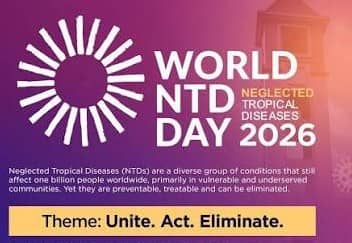
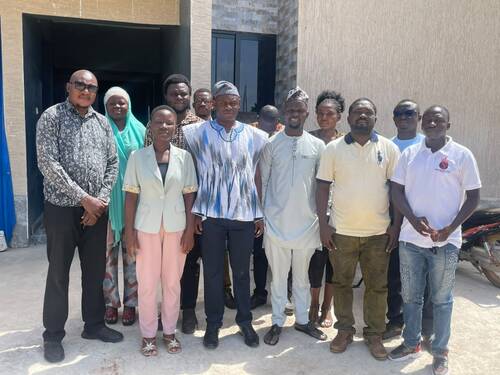
Civil society groups dedicated to tackling Neglected Tropical Diseases (NTDs) in Ghana are calling for a fundamental shift from isolated interventions to collaborative, inclusive strategies if the nation is to achieve the elimination of all NTDs by 2030. The Ghana National Consortium on Neglected Tropical Diseases (Ghac-NTDs) issued this call during World NTD Day, observed on Thursday, January 30, 2026, in Tamale. This year’s global theme, “Unite, Act, Eliminate NTDs and related diseases,” echoed the group’s central message. Ghana has scored significant public health victories, notably eradicating Guinea worm, trachoma, and Human African Trypanosomiasis. However, Ghac-NTDs raised alarms that 14 out of the 21 globally recognised NTDs persist in the country, placing over 12 million Ghanaians at risk, particularly those living in poverty or lacking adequate sanitation. The consortium attributed slow progress towards elimination to what it termed “solo and uncoordinated approaches” among key stakeholders, even as it acknowledged efforts by the Ministry of Health and the Ghana Health Service (GHS). In a statement signed by National Chairman Dr. Peter Ndonwie, Ghac-NTDs highlighted ongoing challenges for civil society organisations (CSOs), including limited access to vital disease data, exclusion from policy-making forums, and insufficient funding for NTD programmes at both national and district levels. “Policy formulation often lacks the ground truth and community-led perspectives that CSOs provide, while the fight against NTDs remains heavily dependent on dwindling donor funding,” the statement noted. To address these issues, the consortium urged the government, through the Ministry of Health and GHS, to formally integrate CSOs into the Intra-Country Coordinating Committee (ICCC) at all administrative levels. Such integration, it argued, would bolster joint planning, implementation, and monitoring of NTD interventions. The group also called for the swift implementation of the End NTDs Fund, announced in 2025, with transparent processes enabling CSOs to access resources for community-based work. On the subject of disease surveillance, Ghac-NTDs proposed the creation of a shared digital platform to facilitate real-time data exchange between government health services and CSO field teams—a move it described as essential for evidence-based policy and planning. The consortium further advocated moving beyond vertical, drug-focused campaigns to adopt person-centred, integrated primary healthcare strategies. These should encompass disability management, mental health support, community rehabilitation, and stigma reduction for individuals affected by NTDs. Reiterating its commitment, Ghac-NTDs affirmed its readiness to mobilise its national network of members, volunteers, and advocates in support of the Ghana NTD Sustainability Plan (2023–2026). “Eliminating NTDs in Ghana is not just a dream, but a target within reach if we act together,” the statement concluded. Source: Apexnewsgh.com