
Parliament Endorses Gold-Driven Reserve Policy, Building on Bawumia’s Legacy

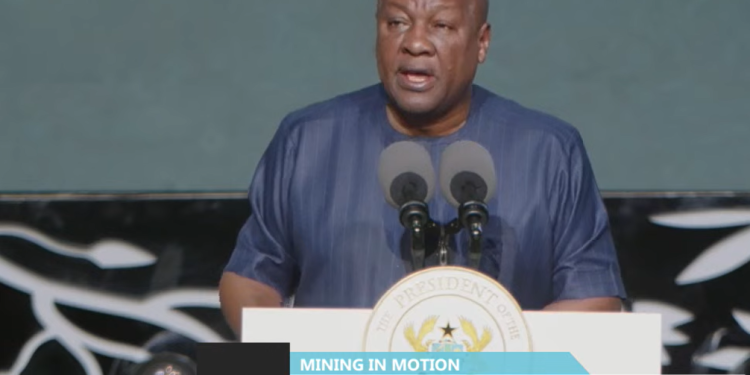
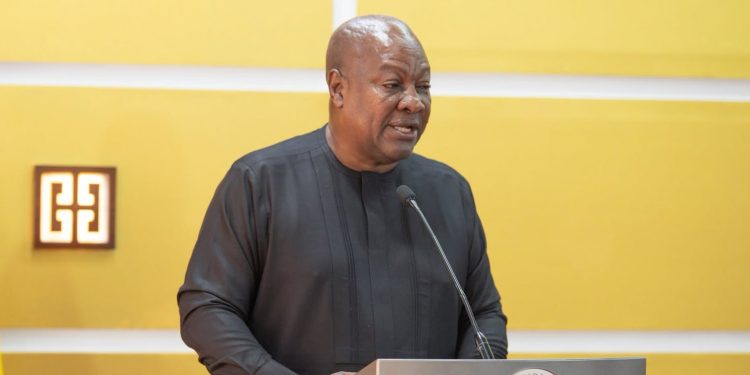
On Thursday, February 26, the chamber of Ghana’s Parliament buzzed with anticipation as lawmakers put their stamp of approval on a transformative new economic strategy: the Ghana Accelerated National Reserve Accumulation Policy (GANRAP). This landmark policy, which draws inspiration from the G-4-R framework pioneered by former Vice President Mahamudu Bawumia, marks a pivotal shift in the nation’s approach to building foreign reserves under the current NDC government. The story of GANRAP’s approval began with Finance Minister Cassiel Ato Forson taking the floor. He presented the policy as a bold departure from the country’s long-standing habit of borrowing to shore up its reserves, an approach he criticized as unsustainable. Instead, Minister Forson outlined a future where Ghana’s abundant gold resources would be harnessed to strengthen its gross international reserves and build more robust external buffers. According to the Minister, the government has set its sights on achieving a 15-month import cover by the end of 2028. The plan: to add an average of US$9.5 billion each year to Ghana’s reserves, driven by the acquisition of approximately 3.02 tonnes of gold every week. The Ghana Gold Board (GOLDBOD) is set to play a central role, sourcing gold from small-scale miners and exercising a state pre-emptive right to claim 20 percent of output from large-scale mining firms. As Parliament debated the merits of the policy, members of the Finance and Economy Committees took time to acknowledge Dr. Bawumia’s visionary role in laying the conceptual foundation for a gold-backed reserve strategy. Many praised the focus on mobilising domestic resources and the emphasis on results-based management, core principles of the earlier G-4-R policy. The narrative of continuity was further reinforced by Deputy Finance Minister Thomas Ampem Nyarko, who openly admitted that the gold-backed reserve concept was not entirely new, but had roots in previous administrations. Lawmakers across the aisle agreed that forging ahead with this strategy was essential for macroeconomic stability and investor confidence, highlighting the importance of building on good ideas, regardless of political origin. With GANRAP now approved, Ghana embarks on a new chapter, one where gold, vision, and bipartisan collaboration converge to safeguard the nation’s economic future. Source: Apexnewsgh.com
Stanbic Bank Orchestrates Landmark USD205 Million Financing Deal for Ghana’s Largest Mining Contractor

In a significant boost for Ghana’s mining sector, Stanbic Bank Ghana Limited has led the arrangement of a USD205 million senior secured term loan and revolving credit facilities for Engineers & Planners Company Limited (E&P), the nation’s foremost indigenous mining contractor. The story behind this landmark deal is one of collaboration and strategic vision. Working alongside The Standard Bank of South Africa Limited, Stanbic structured a robust financing package tailored to support E&P’s long-term partnership with Gold Fields Ghana Limited, set to span the next five years. This funding is poised to not only power mining operations but also reinforce local expertise and capacity, a cornerstone for Ghana’s sustained economic growth. The transaction drew further confidence and credibility from the involvement of Ecobank Ghana PLC and Absa Bank Ghana LTD, both joining as lending partners. Their participation speaks volumes about the trust placed in E&P’s operational excellence and the overall strength of the deal. This is far from the first chapter in the relationship between Stanbic Bank Ghana and Engineers & Planners. For over twenty years, the bank has stood by E&P, having arranged more than USD450 million in financing to fuel the company’s expansion and operational ambitions. With this latest transaction, Stanbic Bank reaffirms its unwavering support for homegrown enterprises that meet and exceed international benchmarks. The impact is expected to ripple beyond E&P, contributing to job creation, the growth of supporting industries, and the broader agenda of sustainable economic development in Ghana. Source: Apexnewsgh.com
Minister Muntaka Champions Digital Reforms After Tragic Lapses
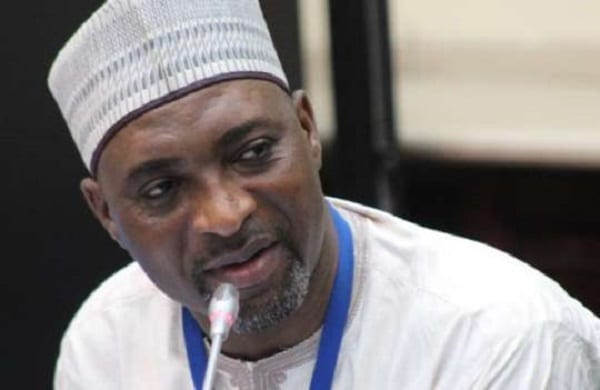
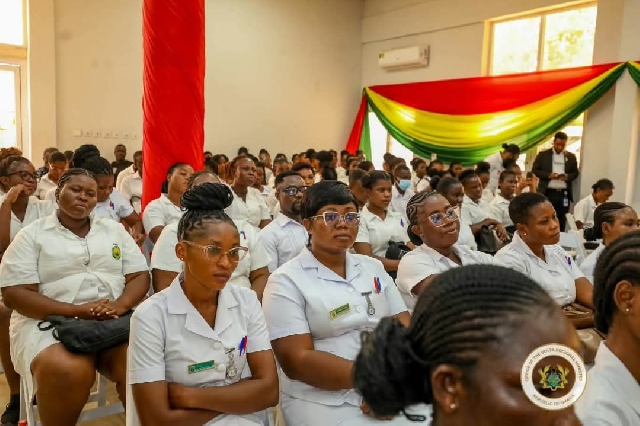
It was a somber day in Parliament as the Minister for the Interior, Mohammed Mubarak Muntaka, shared a story that cast a long shadow over the legacy of the previous administration. He recounted how recruitment into the nation’s security services, under the leadership of Nana Addo and Dr. Bawuia, had been riddled with serious lapses. These oversights, the Minister revealed, had tragic consequences: some recruits lost their lives during training. “Investigations brought to light a heartbreaking truth,” Muntaka told the house, his voice heavy with the weight of lost potential. “Many of those young men and women who perished had underlying medical conditions, such as diabetes, that were never detected during the recruitment process.” Determined to ensure that such tragedies would never be repeated, the Ministry, under the reform agenda of President John Dramani Mahama, set out to change the story. As Minister Muntaka explained, a new chapter began with the introduction of an online aptitude testing system for all security services applicants. This digital solution, he said, was specifically designed to remove human interference, long seen as a breeding ground for corruption and compromised standards. With the new platform, transparency and fairness have become the cornerstones of recruitment. The Minister emphasized that only candidates who truly meet the requirements would advance to the next stages, including a thorough medical screening that leaves no room for oversight. But change seldom comes without resistance. During the session, Minority Leader Alexander Afenyo-Markin expressed concerns about potential challenges posed by the new online system. In response, Minister Muntaka stood firm, defending the reforms as essential steps toward restoring public confidence in the recruitment process. He assured his colleagues that the Ministry was committed not just to implementing these changes, but also to continually refining the system to overcome any operational hurdles, always with a steadfast commitment to merit-based recruitment. Thus, a new era is being written for the nation’s security services, one where integrity, competence, and the safety of recruits come first. Source: Apexnewsgh.com
Ghana Pays a Heavy Price for Poor Sanitation: Over GHS 6.2 Billion Lost Each Year

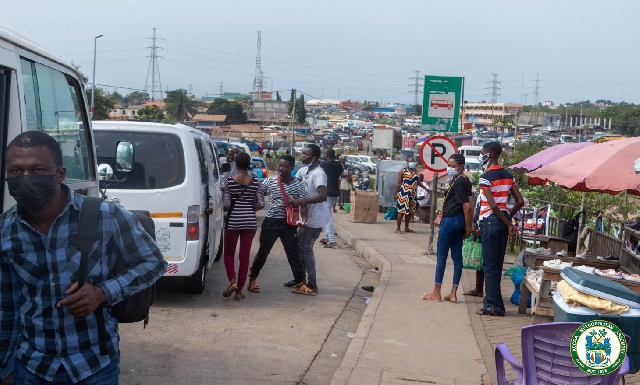
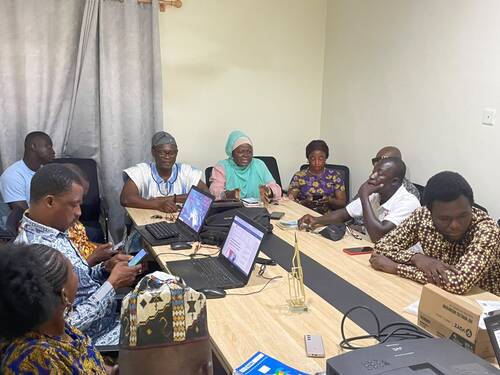
In Accra, decision-makers from all walks of Ghanaian life gathered for a crucial meeting. The stakes were high: a new study from the Institute of Statistical, Social and Economic Research at the University of Ghana revealed a startling truth, Ghana was losing more than GHS 6.2 billion every year because of diseases born from poor waste management and sanitation. The room was filled with policymakers, Members of Parliament, local authorities, development partners, and private sector leaders. They had all come to hear Professors Peter Quartey and Dr. Kwame Adjei-Mantey unveil findings from their research, “An Economic Analysis of the Benefits of Adequate Investment in Waste Management and Sanitation in Ghana.” The numbers they shared painted a sobering picture: five diseases, malaria, cholera, pneumonia, typhoid, and diarrhea, were costing the nation nearly 31.9 million lost workdays each year, and an estimated 177,222 lives. The economic toll was enormous. The researchers calculated direct medical costs at about GHS 5.8 billion a year, with another GHS 650 million lost due to reduced productivity. Despite these losses, Ghana was spending only about GHS 38 for each tonne of waste collected—a modest sum compared to the scale of the problem. The study’s cost-benefit models revealed that every GHS 1 invested in waste management under current conditions generated GHS 180 in returns. Yet, if Ghana could boost its investment to around GHS 1,028 per tonne, matching other lower-middle-income countries, the returns could soar to GHS 556 for every cedi spent. The total national benefits could reach GHS 58 billion in 2025 and rise to GHS 67.2 billion by 2032, driven by fewer diseases, deaths, and workdays lost. As the story continued, the researchers faced probing questions from the audience. How much of the disease burden was truly linked to waste? The research team explained that their estimates relied on global health data and assumed about 45 percent of the targeted diseases were due to waste exposure. Some wondered if the ambitious investment scenario could work in rural and slum communities where waste collection was a challenge. Professor Quartey acknowledged these complexities, suggesting that flexible, community-based solutions would be needed instead of a one-size-fits-all approach. The session ended with a call to action. Professor Quartey urged the government to stop treating sanitation as a leftover item on the budget and instead see it as a powerful investment for Ghana’s future. The research team concluded that Ghana’s annual losses from poor sanitation far outweigh what the country currently spends. They called for more investment, targeted support for high-risk areas, and stronger data systems, so that, one day, stories of loss could become stories of progress. Source: Apexnewsgh.com