

MTN Ghana Reassures Nation: We’re Here to Stay Amid South Africa Unrest
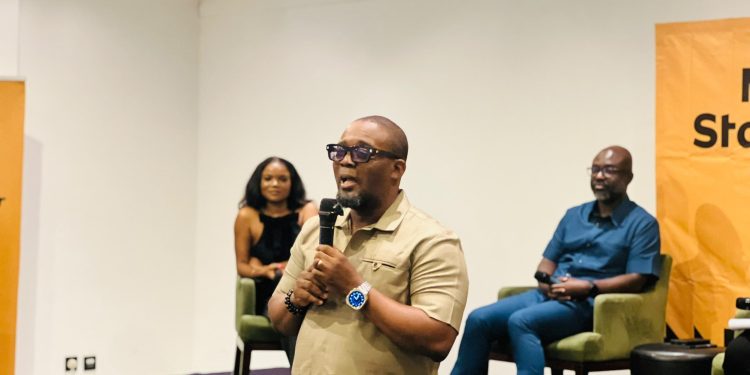
As concerns ripple through Ghana over recent xenophobic attacks in South Africa, MTN Ghana has moved swiftly to reassure its customers and the nation that it has no plans to exit the country. Speaking at the 2026 MTN Media and Stakeholder Forum in Takoradi, Chief Internal Audit and Forensics Officer, Michael Gbewonyo, offered a firm message: “MTN is here to stay. We are not going anywhere.” Addressing journalists from the Central and Western Regions, Gbewonyo dismissed suggestions that unrest in South Africa, where MTN’s parent company is based, could influence the company’s operations in Ghana. He emphasized that Ghana remains a strategic market for MTN, noting the company’s unwavering commitment to the nation’s socio-economic development throughout its 30-year presence. “We will continue to expand our network, support digital inclusion, create opportunities for Ghanaians, and partner with the government and other stakeholders to drive Ghana’s digital and economic transformation,” Gbewonyo assured. He highlighted MTN Ghana’s substantial contributions to national development, citing tax payments, employment opportunities, and a series of corporate social responsibility initiatives. The decision to list shares on the Ghana Stock Exchange and the ongoing activities of the MTN Ghana Foundation, he added, underline the company’s long-term commitment to Ghanaian society. Reflecting on three decades of growth, Gbewonyo expressed gratitude to customers, partners, employees, communities, the media, and other stakeholders. “Our success is not just about business growth, but about earning and keeping public trust through accountability, responsibility, transparency, and customer-centric services,” he said. He credited MTN’s achievements to the vital support, constructive criticism, and collaboration of all stakeholders, which have helped the company bridge the digital divide, support businesses, and connect more people than ever before. Notably, Gbewonyo revealed that MTN Ghana contributes about six per cent of the country’s total tax revenue. “Through the MTN Ghana Foundation, thousands of young people have received scholarships and support to pursue their dreams. In communities across the Western and Central Regions and beyond, our investments in health, education, and economic empowerment are changing lives every day.” He concluded by praising the media for telling the company’s story and pledged that MTN will continue to work with stakeholders to deepen its impact and build on three decades of progress. Source: Apexnewsgh.com
Upper East Records Major Gains in Birth Registration Through Collaboration and Mobile Outreach
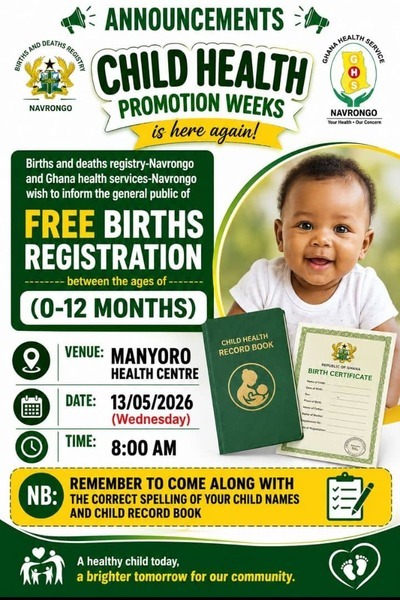
The Upper East Regional Office of the Births and Deaths Registry has recorded significant progress in birth registration, following a series of interventions aimed at reaching underserved communities and improving access to civil registration services. The Regional Registrar, Ms. Ismatu Yahaya, says the region registered 7,236 births in the first quarter of 2026, comprising 3,721 males and 3,515 females, describing the achievement as a major improvement over previous years. A district breakdown shows Bawku West recorded the highest number of registrations with 874 births, followed by Bongo District with 710, Bolgatanga Municipal with 701, and Bawku Municipal with 685. Other districts recorded Garu – 371, Bawku East (Binduri) – 238, Builsa South – 294, Builsa North – 188, and Bolgatanga East – 166. The Registry also recorded 77 deaths during the same period. Bolgatanga Municipal accounted for the highest number with 30 registrations, followed by Bawku West and Builsa North with five each, while Bongo District recorded no registered deaths during the quarter. According to Ms. Yahaya, one of the biggest milestones came after the Registry partnered with the Ghana Health Service during the Child Health Promotion Week in May. The collaboration produced a sharp increase in birth registrations across the region. During the campaign, Bawku West registered 1,491 births, Bongo District 1,219, Bawku Municipal 1,218, Bolgatanga Municipal 1,170, Garu 620, Binduri 461, Builsa South 374, Builsa North 344, and Bolgatanga East 265. The figures demonstrate the impact of integrating birth registration into child health services. The Regional Registrar attributed the success to stronger collaboration rather than relying solely on the Registry’s limited resources. She noted that working with the Ghana Health Service has enabled officials to reach more mothers and children during routine health programmes. The Upper East Region has also been selected as one of five regions benefiting from the national Mobile Birth Registration Programme, which targets hard-to-reach communities. Ms. Yahaya says the region had already begun implementing similar outreach activities before the national rollout. She disclosed that a recent outreach exercise in Pusiga District resulted in the registration of nearly 60 children in a single community, underscoring the need to intensify mobile registration services across remote areas. Despite the gains, the Registry says several challenges remain. These include inadequate logistics, limited personnel, poor public awareness, and the difficulty of accessing isolated communities. Many parents, particularly in rural areas, are still unaware of the legal importance of obtaining a birth certificate within the first year of a child’s life. The Registry is therefore calling for stronger partnerships with the media, the Department of Gender, non-governmental organisations, traditional authorities and community leaders to deepen public education on birth registration. Ms. Yahaya stressed that a birth certificate is a child’s first legal identity document and serves as the foundation for accessing education, healthcare, social protection and other constitutional rights. She reminded parents that while late registration is possible, it attracts additional procedures and costs, making early registration within the infant period the most convenient and affordable option. The Upper East Regional Births and Deaths Registry says it will continue expanding community outreach and strengthening partnerships to ensure that every child in the region is counted, protected and recognised under the law. Source: Apexewsgh.com/Prosper Adankai/Contributor
President Mahama Pledges Unbiased Development for All Regions at Juapong Groundbreaking
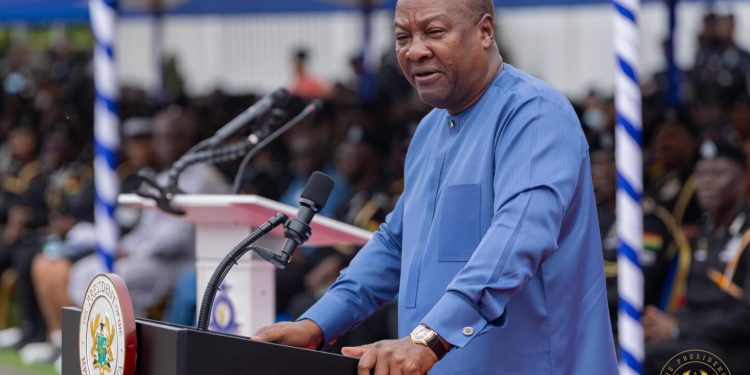
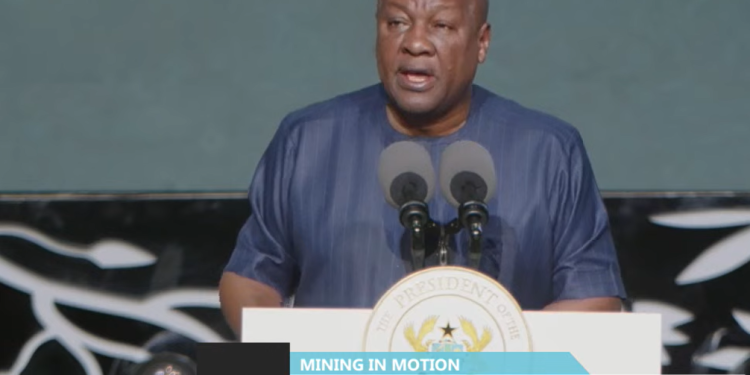
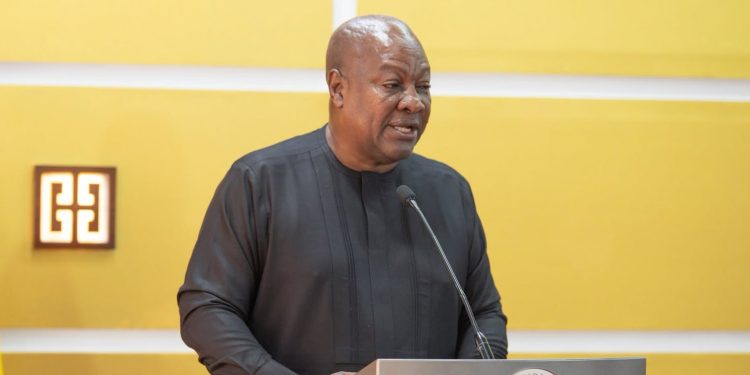
Chiefs in regal attire, market women with hopeful smiles, energetic youth groups, and residents from all walks of life gathered as President John Dramani Mahama arrived to break ground on a project many had awaited for years: the construction of a 24-Hour Economy Market. But the day was not just about bricks and mortar. Standing before the crowd, President Mahama addressed a concern that has echoed across Ghana’s regions for years, the perception that national development favors certain areas based on how they vote. With conviction, he declared, “Let me assure you that this government that I lead does not regard the Volta Region merely as a region of loyal political support. We reject the notion that any part of Ghana should be taken for granted or left behind because of its electoral choices.” He reaffirmed his administration’s commitment to fairness and equity, emphasizing that every citizen, regardless of location or political affiliation, deserves equal opportunity. “Our mandate given to us by the people of Ghana is to govern the country for every Ghanaian and our commitment to the Volta Region is founded on fairness and equity,” he said. The Juapong market project is part of a broader government plan to modernize trading infrastructure, boost trade, create jobs, and extend economic activity beyond the usual working hours in key commercial hubs. For the people of the South Tongu District, the event was more than a ceremony, it was a promise that their region, like all others, would not be left behind. Source: Apexnewsgh.com