



Uncovered Illegal Mining Pits Claim 23 Lives in Ashanti Region, Prompting Crackdown and Land Reclamation Efforts

Uncovered illegal mining pits have claimed the lives of 23 people, including 12 adults and 11 children, across 19 districts in the Ashanti Region this year, with four additional individuals still missing. The alarming toll of drownings in abandoned pits was revealed during the Ashanti Regional First Half-Year Review meeting organized by the Regional Coordinating Council (RCC). Ashanti Regional Minister Dr. Frank Amoakohene, speaking to the media, described the situation as “a key concern to NADMO and the security agencies.” He issued a stern directive to Metropolitan, Municipal, and District Chief Executives (MMDCEs), stressing their responsibility to combat illegal mining within their jurisdictions. Rejecting excuses about inadequate funding, Dr. Amoakohene emphasized that MMDCEs must act promptly on notifications from the Forestry and Minerals Commissions or formally escalate issues to NAIMOS and the RCC. “If you don’t have the funding to fight it at your level, there should be evidence of you writing to NAIMOS or RCC so we can pick it up,” he charged. In response to the drownings, the RCC has launched targeted land reclamation projects to fill hazardous open pits in high-risk communities. The minister warned that regional security forces would intensify crackdowns on illegal operations near forest reserves, water bodies, and key infrastructure, urging miners to shift to the government-backed cooperative mining framework or face full law enforcement action. To further protect critical infrastructure, Dr. Amoakohene highlighted the recent establishment of a permanent Forestry Commission post, supported by the UK government, at the Oda Forest Reserve in Numeri. The facility has helped safeguard the Oda Water Treatment Plant from a potential total shutdown due to heavy upstream pollution, thereby securing the region’s water supply. The minister’s remarks underscore the urgency of addressing the hazardous legacy of illegal mining and the Ashanti Region’s commitment to land reclamation, environmental protection, and public safety. Source: Apexnewsgh.com
Parliament Passes Ghana Cocoa Board Bill, Guaranteeing Farmers 70% of Export Price and Major Sector Reforms
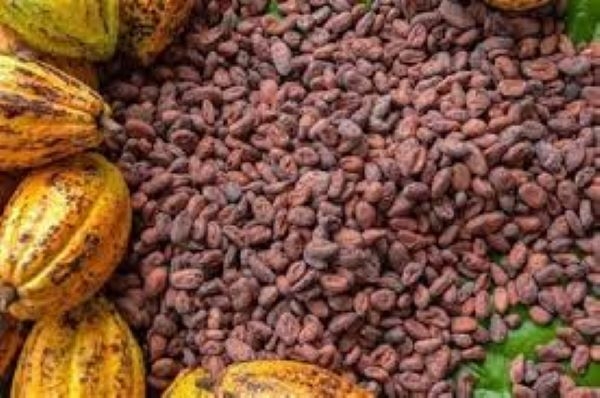
Parliament has passed the Ghana Cocoa Board Bill, 2026, paving the way for significant reforms in Ghana’s cocoa sector and offering new guarantees for cocoa farmers. The landmark legislation, approved on Thursday, July 30, ensures that cocoa farmers will receive not less than 70 percent of the Free on Board (FOB) export price set by the Ghana Cocoa Board (COCOBOD). Deputy Finance Minister Thomas Nyarko Ampem, presenting the objectives of the Bill, explained that the new law establishes COCOBOD as the statutory body responsible for regulating, overseeing, and monitoring activities across the entire cocoa value chain. The legislation mandates COCOBOD to support cocoa cultivation, manage the buying, selling, and export of cocoa, and promote value addition within the sector. Ampem noted that the Bill provides a clear legal framework for the Producer Price Review Committee and associated technical structures, strengthening the process for determining producer prices. It also addresses longstanding compliance and enforcement challenges by granting statutory backing to regulatory functions that were previously guided by administrative directives. These include disinfestation procedures, quality inspections, service charges, cocoa take-over processes, and certification requirements, all of which will now have stronger legal enforceability. The legislation seeks to resolve governance and oversight inconsistencies that have seen COCOBOD shift between different supervising ministries over the years. The Bill formally places COCOBOD under the Ministry of Finance, giving legal effect to a 2025 government policy directive transferring oversight from the Ministry of Food and Agriculture. Additionally, the Bill aims to create an enabling environment for public-private partnerships and increased local value addition. It encourages collaboration with domestic and international partners, such as the European Union, the World Cocoa Foundation, and the Côte d’Ivoire-Ghana Cocoa Initiative. Regulatory flexibility is also introduced to support small-scale chocolatiers and cocoa by-product manufacturers, addressing barriers that have previously constrained domestic processing and innovation. The Ghana Cocoa Board Bill, 2026, is expected to strengthen the sector’s legal framework, ensure better returns for farmers, and drive innovation and growth in the cocoa industry. Source: Apexnewsgh.com
Ahafo Ano South East MP’s Comments to Schoolgirl Spark Social Media Debate

Comments made by the Member of Parliament (MP) for Ahafo Ano South East, Yakubu Mohammed, during a visit by pupils to Parliament have ignited a wave of mixed reactions on social media. The Ashanti Regional MP was addressing the students, encouraging them to pursue their dreams and aspire to leadership positions. In the midst of his remarks, he paused to speak to one of the schoolgirls, asking for her name and then saying, “You’re very beautiful. When you grow up, I will marry you.” As some of the pupils responded with laughter and murmurs, the MP added, “She’s my wife,” before returning to his broader message about future ambitions, telling the students, “In future, she’ll also be an MP. And all of you as well, will be somebody in future.” The incident quickly drew attention online. While some social media users viewed the MP’s comments as a light-hearted joke, others condemned them as inappropriate and unprofessional. Solomon Peana-The Naturopath commented, “It is inappropriate. However, he doesn’t have any negative intentions, he’s just being playful. He must be cautioned and trained properly in communication.” Another user, Naadja Sackey, described the remarks as “Gross.” The episode has sparked a broader conversation about professionalism, boundaries, and appropriate conduct by public officials, especially when addressing young people. Source: Apexnewsgh.com
Parliament Approves PPP Deal for Return of Road Tolls, Paving Way for Nationwide Electronic Tolling
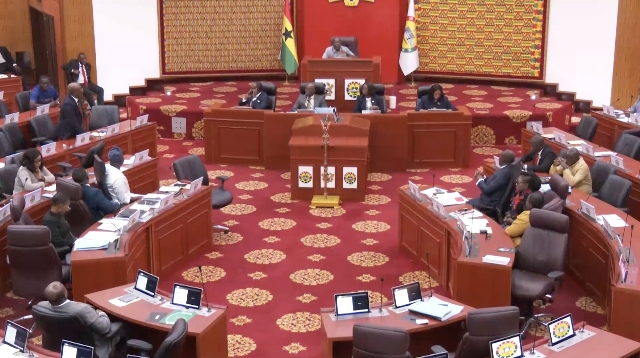
Parliament has approved a landmark concession agreement between the Ministry of Roads and Highways and a Special Purpose Vehicle (SPV) to be set up by Rock Africa Limited, setting the stage for the reintroduction of road and bridge tolls through a Public-Private Partnership (PPP) framework. The agreement is designed to attract private sector investment for the financing, deployment, operation, and maintenance of a nationwide electronic toll collection system. The new system aims to improve revenue generation for road infrastructure projects and enhance the efficiency of toll collection. Parliamentary approval followed a debate on the report by the Roads and Transportation Committee, with discussions centering on the decision to reinstate tolls, which were abolished in 2021. During the debate, Bimbilla MP Dominic Nitiwul defended the previous Akufo-Addo administration’s move to suspend road tolls, explaining that it was intended to ease the financial burden on Ghanaians as the Electronic Transfer Levy (E-Levy) was introduced and to address traffic congestion caused by manual toll booths. Despite his defense of the earlier policy, Nitiwul expressed strong support for the proposed electronic tolling regime, describing it as a more efficient and convenient alternative to the old system. He highlighted that the technology-driven approach would eliminate long queues at toll plazas, offer a better experience for motorists, and provide a sustainable funding source for maintaining and developing the country’s road network. Nitiwul urged fellow MPs to support the concession agreement, expressing confidence that the electronic tolling system would significantly boost road maintenance and infrastructure development nationwide. Source: Apexnewsgh.com