



Upper East Region Grapples with Layered Climate Threats as Journalists Spotlight WASH Crisis
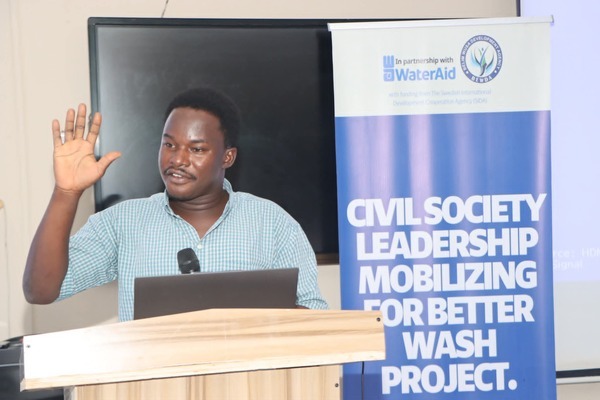
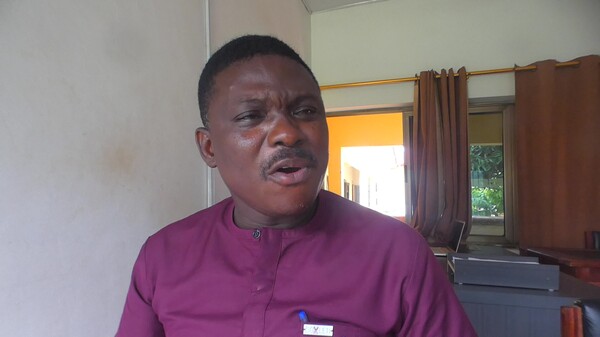
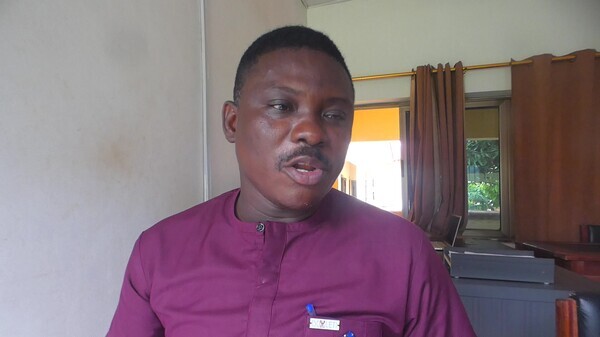
Once celebrated for its resilient communities, Ghana’s Upper East Region now stands as a stark example of climate change’s mounting toll. At the center of this unfolding story, thirty journalists recently convened in Bolgatanga for an intensive three-day training designed not only to strengthen climate change reporting, but also to shine a spotlight on the critical intersections of water, sanitation, and hygiene (WASH) justice. The training, spearheaded by the Belim Wusa Development Agency (BEWDA) in partnership with WaterAid Ghana and the SIDA CLIMB Better WASH Partnership, offered a sobering look at the obstacles facing the region. Project Lead Mr. Sebastian Mbabugri Agumah painted a detailed picture for the assembled journalists: over the past decade, the Upper East has suffered a 10 to 15 percent decline in rainfall. What was once a predictable five- to six-month wet season has shrunk to just three or four months in many areas, stretching the dry season to six months and leaving wells empty and fields barren. Yet drought is only part of the crisis. Rising temperatures have ushered in more frequent and intense heat waves, raising average temperatures by up to 1 degree Celsius, with the specter of a 2-degree increase by 2050 looming ever closer. These heat waves bring not only discomfort but also heightened health risks and disease, compounding the region’s daily hardships. Extreme weather is now an annual ordeal. The Bagre Dam’s controlled spillage and the recent overflow of the Tono Irrigation Dam have both caused devastating floods, sweeping away roads and farmland. In the district of Binduri, fierce windstorms have ripped roofs from homes and schools, including structures. Wildfires and violent rainstorms, too, have become regular threats, stoking fresh anxieties each season. Across the five hardest-hit districts, Bawku West, Nabdam, Bongo, Kassena Nankana West, and Kassena Nankana Municipal, communities face at least three of these climate hazards simultaneously. As drought, flood, heatwave, windstorm, and wildfire layer one upon the next, the result is a compounding crisis that imperils the region’s WASH infrastructure. Source: Apexnewsgh.com/Ngamegbulam Chidozie Stephen
Water Is Not a Donation: Advocates Call for Climate-Resilient WASH Services
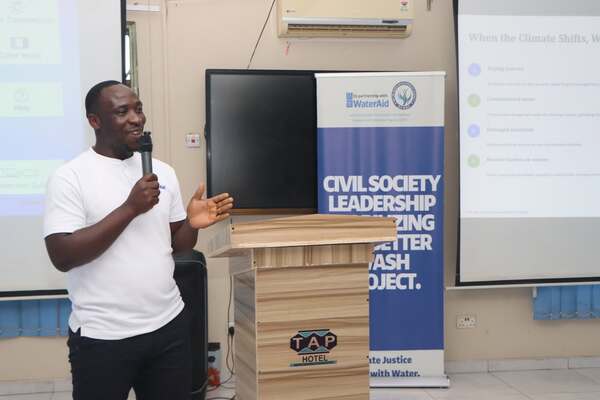
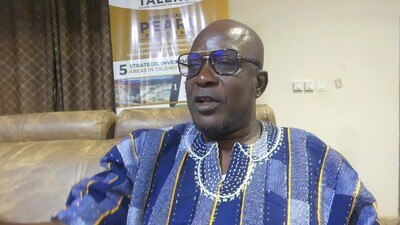
A group of thirty journalists have gathered for a transformative three-day training, focused not just on climate change reporting, but on the deeper issues of water, sanitation, and hygiene (WASH) justice. Spearheaded by the Belim Wusa Development Agency (BEWDA) in partnership with WaterAid Ghana and under the SIDA CLIMB Better WASH Partnership, the event became a platform for frank conversations about the responsibilities of duty-bearers and the rights of community members. Richard Ntibrey, Program Manager for WASH and Climate Change at WaterAid Ghana, did not mince words. “Water is not a donation. It is the duty of duty-bearers to provide it,” he declared, challenging the common misconception that access to clean water is something to be gifted rather than guaranteed. Ntibrey’s message struck a chord among the journalists: “Most times, community members are not aware that it is the duty of the duty-bearers to provide good sources of water in our various communities. We don’t want to see duty-bearers providing water as a donation. It is the duty of the duty-bearers to provide water.” The training, held in Bolgatanga, was more than a lecture, it was a call to action. Ntibrey emphasized the power of advocacy, urging journalists to tell the stories of both duty-bearers and right-holders. “Advocacy and influencing will allow you to reach more people, to target those responsible for providing water, sanitation, and hygiene, and to ensure systemic change. The focus here is on climate justice.” The project, currently running in five climate-vulnerable districts, Bawku West, Nabdam, Bongo, Kassena Nankana West, and Kassena Nankana Municipal, was born out of a climate vulnerability and risk assessment. Data revealed declining rainfall by as much as 15%, decreased borehole yields, and excessive heat, particularly in Nabdam. These findings, coupled with high poverty rates, made the districts a priority for climate-resilient WASH interventions. Ntibrey explained the role of NGOs like WaterAid Ghana: “Our work is to support government in delivering its mandates. But ultimately, it is the government’s responsibility to ensure that communities have sustainable access to water, sanitation, and hygiene services, especially in the face of climate change.” He called for leadership and collaboration from local and national governments, journalists, development organizations, and the communities themselves. “Most importantly, we want governments to invest more in sustainable WASH services that consider the impact of climate change. Beyond climate events, these systems must endure.” The stories journalists uncover, about water scarcity, declining sanitation, and the daily struggles of communities, are key to understanding the true impact of climate change. “Change starts with water,” Ntibrey affirmed. “If you enter a community and see them struggling for water, you know that agriculture, household nutrition, and sanitation are all affected.” The advocacy, he concluded, is about more than infrastructure. It’s about justice. “Wherever you are, you are either a duty-bearer or a right-holder. Duty-bearers must provide; right-holders must demand. Even in the face of climate change, access to water, sanitation, and hygiene is a right, not a privilege.” He stressed Source: Apexnewsgh.com/Ngamegbulam Chidozie Stephen