
Upper East Region to Benefit from 267.52km Road Expansion Under Government’s Big Push Initiative
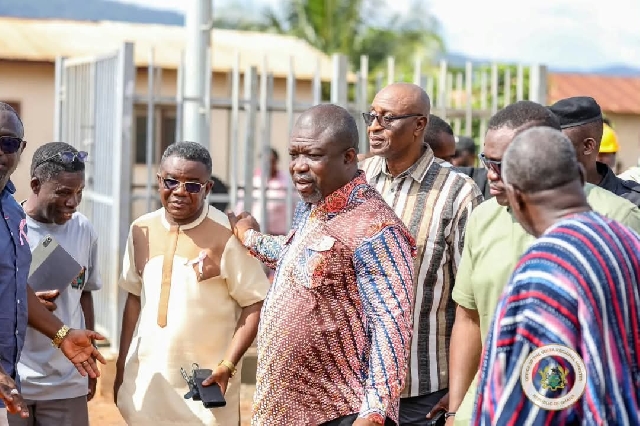
The government has earmarked 267.52 kilometres of roads for construction and rehabilitation in the Upper East Region under its Big Push infrastructure programme, marking a major investment aimed at improving connectivity and boosting socio-economic development. The announcement was made by the Minister for Roads and Highways, Kwame Governs Agbodza, during a stakeholders’ engagement held at Desert Pastures in Bolgatanga on Friday, August 14, 2026, as part of President John Dramani Mahama’s Resetting Ghana Tour. According to the Minister, the programme comprises 18 road projects, a significant increase from the previous allocation of between 50 and 60 kilometres under earlier road initiatives. He noted that President Mahama had directed that the programme should not only focus on major highways but also prioritise feeder roads that connect farming communities, schools, health facilities and rural settlements. Mr. Agbodza disclosed that approvals for the projects would be issued next week, paving the way for procurement processes, while contractors are expected to move to site within a month. The projects include the upgrading and rehabilitation of several feeder roads such as Gurumongo–Mayoro, Saboro–Wusunga, Gbedema–Kandiga, Catholic–Kpandem–Health, Chuchuliga–Awulansa, Kandiga Junction–Sirigu, Zaare Market–Zeseri, Yakubu Corner–Kpatia, and Asonge–Perlungu. Other planned works include the upgrading of the Y-Junction–Domeabra–Tempane, Bongo Central–Namoa Border, and Zebilla Hospital–Tanga roads, as well as rehabilitation of the Basyonde–Kongo road. Additional projects cover the Zaare–Nyariga–Ayonore, Zuarungu–Tongo, Bawku–Narungu, Navrongo–Pungu–Natungnia roads and township roads in Pusiga. As part of the programme, government will also construct two steel bridges along the Paga–Sirigu route—a 30-metre bridge over the Kolalibali River and a 36-metre bridge over River Gugura. Further road improvements will target routes including Asorekobisi Guinea Fowl Junction–Nyariga Canal, Extee–Azimson Bypass, Azorebisi–Nyariga Junction, Magori–Gentriga, Mogoni–Tampizua, Sakpare–Chief Palace, and Nidi–Naranzua, alongside other feeder roads within the Bawku area. The Minister also provided updates on ongoing road developments in the region. He said construction on the Navrongo–Chuchuliga–Tumu corridor is progressing steadily, while the long-stalled Bolgatanga–Bawku–Pulmakom road project has resumed, with completion targeted for 2027. He further announced plans to rehabilitate the deteriorated Bolgatanga–Tamale Highway and undertake major repairs on sections of the Eastern Corridor, particularly around Nakpanduri, Garu and Kulungugu. The projects form part of government’s broader agenda to improve road infrastructure, strengthen regional connectivity and support economic activities across the Upper East Region. Source: Apexnewsgh.com
A Message of Caution and Reflection to the NPP Delegates Across Ghana by Alhaji Dr Hafiz Bin Salih.
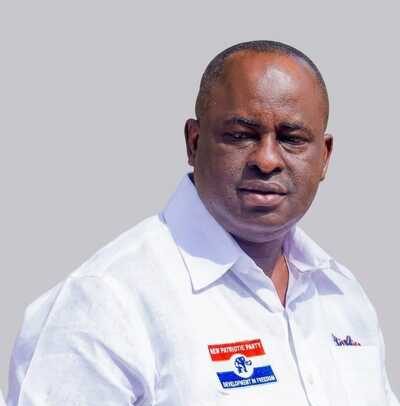
As voting day approaches on Saturday, 15th August 2026, our party faces an important choice. The decisions we make in these internal elections will shape the strength, unity, and future of the New Patriotic Party (NPP). As campaigns have intensified, we have heard many lofty promises from candidates across all regions. While hope is important in politics, we should let experience guide us. History shows that promises made during campaigns are rarely kept after the votes are counted. The Unspoken Cost of Broken Promises We need to be honest about the challenges our party still faces. In the past, delegates were promised important support, such as motorbikes, to help them work in their communities, but those motorbikes never arrived. In some regions, there were promises to build party offices in every constituency and region, but those offices were never built. These broken promises are not just empty campaign talk; they have serious consequences: • Fractured Unity: When promises are broken, resentment grows, and divisions form within our group, making it harder to work together and win important elections. • Eroded Trust: When leaders do not keep their word, the important trust between the grassroots and leadership is badly hurt. • Dampened Spirit: Nothing discourages loyal party members more than feeling used during elections and then forgotten afterwards. If a candidate truly wants to support you, they should show it before you vote, not just make empty promises after the election. Real commitment is proven by real actions, not just words. Delegates Deserve Respect, Not Deception Delegates are the heart of the New Patriotic Party. You give your time, resources, and energy to keep the party strong in every part of the country. You deserve respect, honesty, and dignity—not empty promises or dishonesty. To keep our party strong, candidates must be held to a higher standard of honesty. Leadership is not just about saying whatever it takes to win votes; it is about character, humility, and a genuine desire to serve others. Our True Focus: Victory in 2028 Let’s learn from our past. Instead of listening to empty talk, let’s judge candidates by their actions, their humility, and their real dedication to our party. We must win the 2028 general elections for the NPP. To do this, we cannot trust our party to people who make empty promises. We need leaders who are ready to work hard with the grassroots and build a strong team. When you vote, remember our past challenges, keep your dignity, and choose those who will respect you and work hard for our shared success. Development in Freedom! Long live the New Patriotic Party! God bless our homeland, Ghana! Dr Hafiz Bin Salih Member, National Council of NPP Former Regional Minister (Upper West/East) Former Upper West Regional 1st Vice Chairman Source: Apexnewsgh.com
Bolgatanga-Bawku-Polimakom Road Remains Top Priority in Government’s Regional Connectivity Drive—Pres. John Mahama
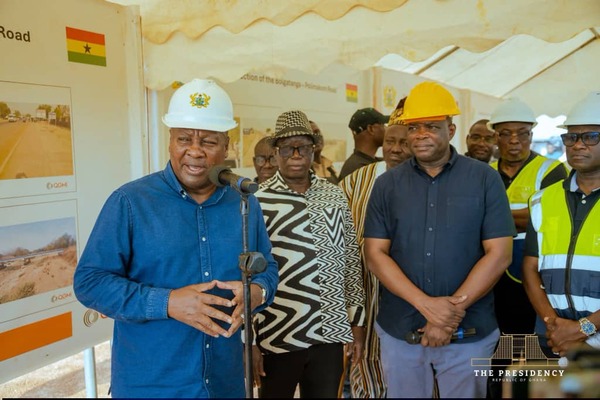
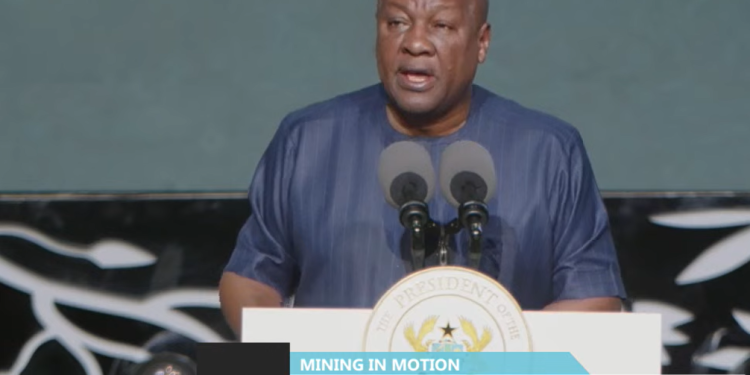
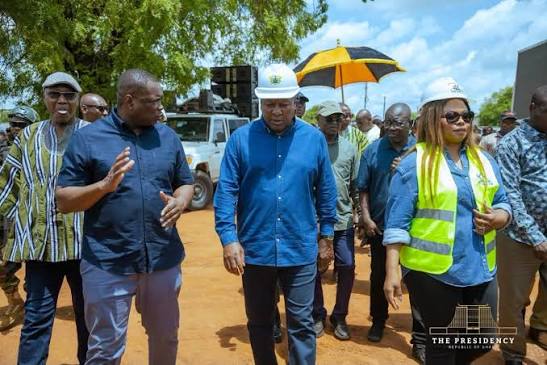
The Bolgatanga-Bawku-Polimakom Road is once again in the spotlight as President John Dramani Mahama reaffirmed its importance during his recent ResettingGhana Tour of the Upper East Region. Recognized as a cornerstone in the government’s strategy to improve road connectivity, this major infrastructure project is set to transform travel across the region and provide a vital alternative route to Accra. During his inspection of the ongoing works, President Mahama highlighted how the road will seamlessly connect the eastern and western parts of the Upper East Region, fostering greater integration and economic activity. “The Bolgatanga-Bawku-Polimakom Road will not only serve as a direct link between communities here and the capital, but it will also open up the region for trade and development,” he remarked. To allay concerns from stakeholders and contractors, President Mahama gave assurances that the government is committed to making timely payments to ensure the project stays on track and is completed within the stipulated timeframe. He also pointed to the strategic significance of the road within the broader network, noting that the Eastern Corridor connects directly with the Bolgatanga-Bawku-Polimakom stretch. The government is currently scoping the Nakpanduri-Garu-Kulungungu route, which will further reinforce the region’s transport links and strengthen the national road system. With these efforts, the Bolgatanga-Bawku-Polimakom Road stands as a symbol of the government’s ongoing commitment to enhancing infrastructure and linking communities across the Upper East Region with the rest of Ghana. Source: Apexnewsgh.com/Ngamegbulam Chidozie Stephen