
MTN Ghana Celebrates Growth, Community Impact, and Commitment to Digital Equality at 2026 Editors Forum
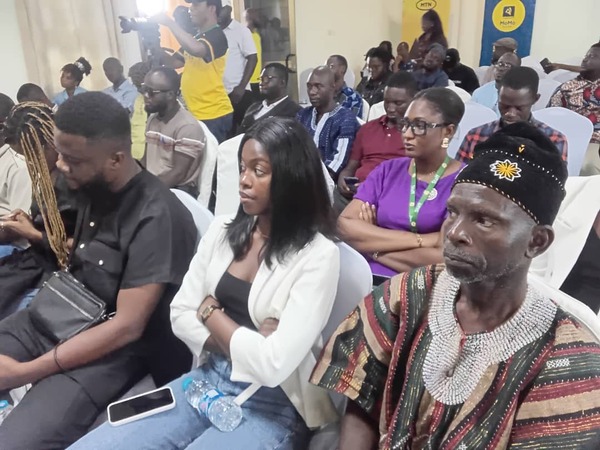
At the 2026 Editors Forum in Tamale, Emmanuel Afutu, MTN Senior Manager for Network Implementation, highlighted MTN Ghana’s impressive growth and its dedication to national development and digital inclusion. Sharing the company’s first half 2026 results, Afutu reported that service revenue surged by 32.3 percent to 15.0 billion Ghana cedis, EBITDA rose by 47.1 percent to 9.3 billion, and profit after tax increased by 46.8 percent to 5.1 billion. “These numbers are not just a celebration of our performance, they symbolize our ability to invest in our network, create jobs, support communities, and contribute to Ghana’s progress,” Afutu said. In the first half of the year, MTN Ghana paid 5.6 billion cedis in direct and indirect taxes, plus 384.7 million in fees and levies, underlining the company’s role in national development. Beyond financial success, Afutu emphasized MTN’s ongoing investment in people through the MTN Ghana Foundation, which supports education, health, and economic empowerment. He cited the MTN Skills Academy and the Heroes of Change initiative, which rewards extraordinary community leaders and changemakers across the country. This year, the overall Heroes of Change winner will receive 400,000 cedis, with category winners earning 200,000 cedis each, and all finalists receiving 100,000 cedis. Afutu further spotlighted MTN’s community outreach, mentioning volunteer-driven WASH initiatives in schools across 16 regions and health screenings in hospitals such as Sola and Niga Zanga. “These interventions may seem simple, but they reflect our commitment to being present and supportive in every community we serve,” he said. Recognizing ongoing challenges around access, affordability, and digital literacy, Afutu called for continued collaboration among government, regulators, educational institutions, business, and communities. “Technology should be an equalizer,” he said, stressing MTN’s belief in digital equality so that every child, whether in Napanduri, Tamale, or Accra, has the opportunity to thrive. He also underscored MTN’s commitment to sustainability, detailing the company’s four-pillar ESG agenda and the recent launch of Sustainability Month under the theme ‘Small Actions, Big Impact.’ Afutu remarked, “Our success and Ghana’s progress are connected in a sustainable way. Sustainability is part of how we do business.” As MTN marks thirty years in Ghana, Afutu expressed gratitude to the media, government, regulators, customers, and communities: “Thirty years ago, our ambition was simply to connect people. Today, we connect people to opportunities, education, healthcare, and financial services. As Ghana grows, we will grow with Ghana.” He concluded by thanking all stakeholders for their support over the past three decades and inviting them to join MTN on the next stage of its journey, promising that the company’s story will remain deeply intertwined with Ghana’s future. Source: Apexnewsgh.com
MTN Expands Network Across Northern Ghana, Pushing for Digital Inclusion and Opportunity
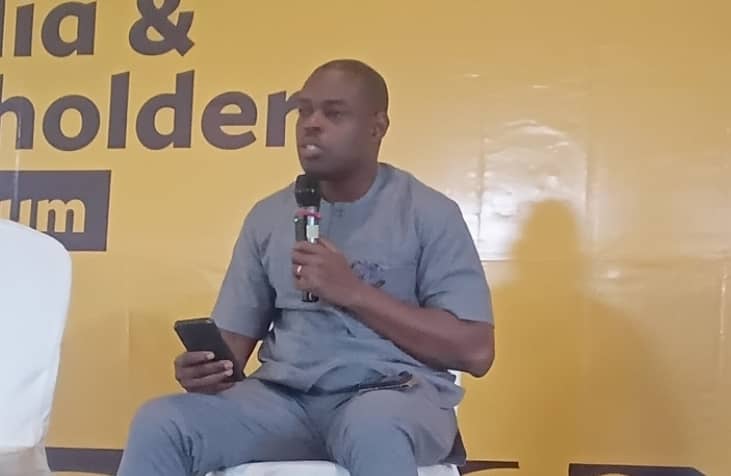
At the 2026 Editors Forum held in Tamale, Emmanuel Afutu, MTN Senior Manager for Network Implementation, unveiled ambitious plans to strengthen digital connectivity across northern Ghana. In his address, Afutu outlined MTN’s ongoing commitment to expanding its network, revealing that the company is currently constructing 38 new sites in the Northern Region, 17 in the Savannah Region, 14 in the Upper East Region, and 11 in the North East Region. Nationwide, MTN’s target is to complete 500 new sites, one of the largest expansions in the company’s recent history. But Afutu was quick to point out that MTN’s vision extends beyond simply increasing coverage. “Our measure of success is not just the number of sites we build, but the opportunities these sites create,” he told the gathered editors. “Connectivity means a farmer can reach new markets, a student can access online education, a digital business can receive payments anywhere, and families can stay connected no matter how far apart they are.” Afutu emphasized that MTN sees itself as an integral part of Ghana’s social and economic future. “Connectivity without opportunity is not enough. That’s why digital inclusion is so important to us. People must not only have access to technology, but also the skills and opportunities to use it to improve their lives.” Highlighting the impact of mobile money, Afutu shared that in the first half of 2026, mobile money transaction value grew by 44.4%, while active users increased by 3.1%, and transaction volumes and mobile revenue both rose by 23.3%. “For millions of Ghanaians, mobile is no longer just a payment service, it has become a tool for business, for saving, and for participating in the digital economy,” he noted. “Market women can now travel without carrying cash, knowing their funds are secure even if their phone is lost.” Afutu also acknowledged the growing importance of cybersecurity and data privacy as more Ghanaians embrace digital services. He reaffirmed MTN’s commitment to protecting customer information and strengthening the trust that underpins the company’s relationship with its users. “A stronger business supports a stronger Ghana,” Afutu concluded. “But none of these investments would be possible without a sustainable business model. We remain dedicated to building not just a bigger network, but a brighter digital future for all Ghanaians.” Source: Apexnewsgh.com
GWJN Urges Journalists to Prioritize Accuracy, Balance, and Community Voices
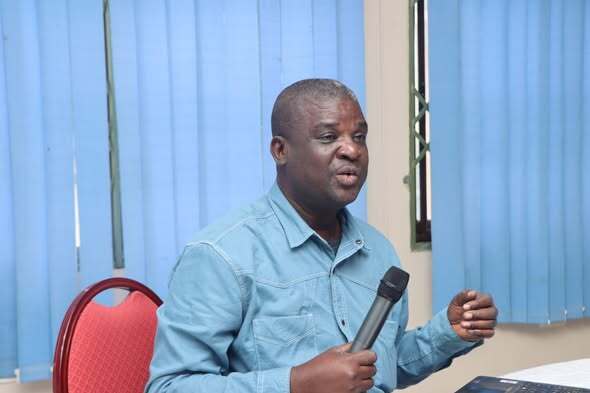
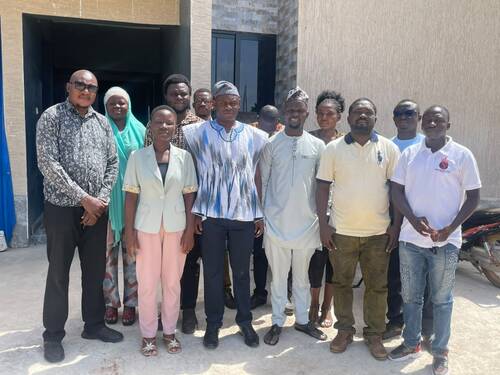
In an era of rapid environmental change, the field of climate and WASH (Water, Sanitation, and Hygiene) journalism faces new demands for accuracy, balance, and impact. This call to higher standards was delivered by Mr. Justice Lee Adoboe, National Coordinator for the WASH Journalist Network Ghana (GWJN), as he addressed thirty journalists from across northern Ghana during a three-day training organized by BEWDA in partnership with WaterAid Ghana under the SIDA CLIMB Better WASH project. Mr. Adoboe highlighted source mapping as an essential journalistic tool. By deliberately seeking out a variety of perspectives, he explained, journalists can avoid bias and produce stories that communities can trust. “Broadening your network of sources is key to delivering trustworthy journalism,” he said. Still, he was quick to remind participants that good sourcing is only the beginning. Upholding strict editorial standards and practicing diligent fact-checking are just as vital, ensuring every report is both accurate and meaningful before it is published. The training underscored the crucial role the media plays in raising awareness about how climate change is reshaping WASH services. With prolonged drought, erratic rainfall, and severe flooding threatening agriculture and livelihoods across northern Ghana, journalists were urged to lead the conversation. By informing the public, advocating for stronger policies, and engaging communities directly, the media can help build resilience and promote adaptation in response to the changing climate. Mr. Adoboe also cautioned journalists against common reporting pitfalls. He pointed out that focusing solely on water while neglecting sanitation and hygiene issues can give a distorted picture, especially when floods damage pit latrines and septic tanks. He also warned against labeling climate-driven disasters as routine natural events, and stressed the importance of highlighting the specific needs of marginalized groups, rather than masking them with broad national statistics. By raising their standards and widening their perspective, Mr. Adoboe believes journalists can tell stories that not only inform, but also inspire action and drive real change in their communities. Source: Apexnewsgh.com/Ngamegbulam Chidozie Stephen
Mahama Unveils Development Plans for Upper East at Citizens’ Engagement in Navrongo
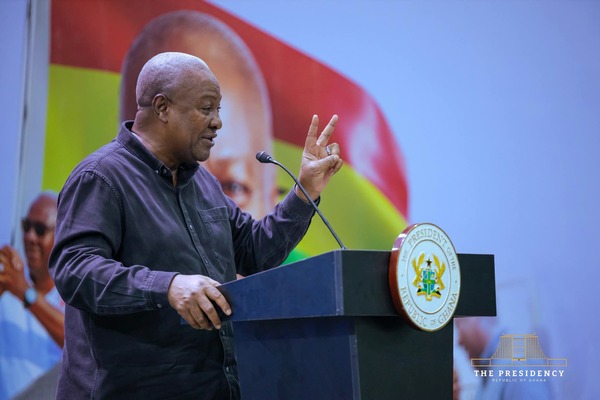
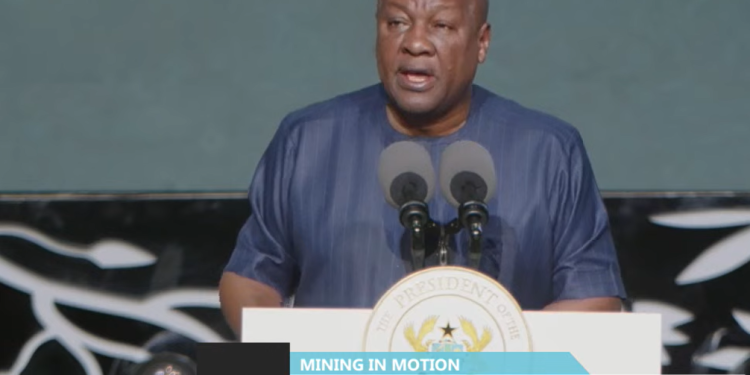
President John Dramani Mahama has outlined a series of measures aimed at accelerating development, strengthening public institutions and creating more economic opportunities for Ghanaians, with particular attention to the Upper East Region. The commitments were announced during President Mahama’s citizens’ engagement in Navrongo, which brought together key members of government to account for ongoing initiatives and outline plans to address pressing development challenges. Attorney General and Minister for Justice, Dr Dominic Akuritinga Ayine, disclosed that government intends to establish a Constitution Review Implementation Committee to begin work on implementing the recommendations of the Constitution Review process that have been accepted by government. Dr Ayine also highlighted the government’s legal interventions and ongoing court proceedings, stressing the role of the Attorney General’s Office in supporting the administration’s governance and institutional reform agenda. On infrastructure, the Minister for Roads and Highways, Kwame Governs Agbodza, announced that President Mahama has directed the ministry to take all necessary steps to ensure the completion of the Bolgatanga-Bawku-Polimakom Road by the end of 2027. He assured residents that contractors would remain on site until the project is completed, signalling government’s determination to address the long-standing road infrastructure challenges in the region. President Mahama also pointed to the restoration of calm in Bawku as an important opportunity to accelerate development and improve the livelihoods of residents. As part of efforts to strengthen agriculture and create jobs, the President announced plans to rehabilitate the Pwalugu Tomato Factory to support local tomato production and processing. Government, he added, is also working to expand onion production as part of measures to reduce Ghana’s dependence on imported onions. President Mahama identified job creation and the expansion of economic opportunities for young people as a major priority, particularly following efforts to stabilise the national economy. He further reaffirmed government’s commitment to improving the road network linking Bolgatanga and Wa, which is expected to enhance transportation, trade and economic activity across the northern parts of the country. In the education sector, the Minister for Education, Haruna Iddrisu, announced plans to establish an expanded, state-of-the-art Science, Technology, Engineering and Mathematics (STEM) institution in Bolgatanga. He also disclosed plans for the construction of special-needs education schools in Ho and Sunyani, alongside preparations for the commencement of work on regional libraries in the Ahafo and Volta Regions. The announcements formed part of government’s broader engagement with citizens to communicate its development priorities, account for ongoing programmes and identify practical measures to improve livelihoods and strengthen public services across the country. Source: Apexnewsgh.com