

NPP Vows Relentless Pursuit of Answers Over $1.7 Billion Gold Programme Loss

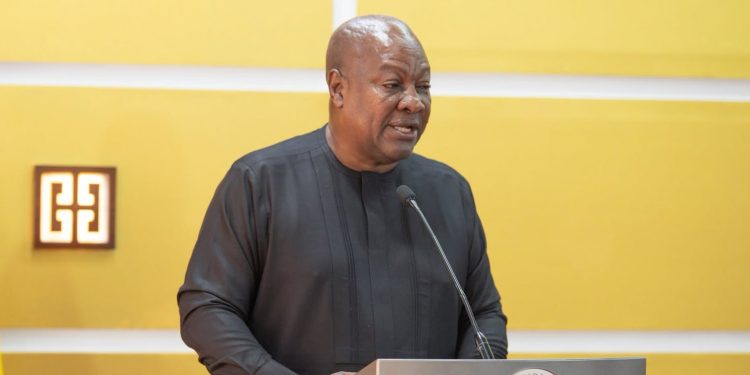
The New Patriotic Party (NPP) has declared its unwavering commitment to seeking full accountability over the US$1.7 billion loss reported by the International Monetary Fund (IMF) in connection with Ghana’s Domestic Gold Purchase Programme (DGPP). Addressing journalists on Tuesday, August 25, 2026, NPP National Organiser Henry Nana Boakye emphasized that the party would not relent in its demands for answers until every detail of the reported loss is publicly explained and scrutinized. “We are not backing off. Not now, not tomorrow, not until every question is answered in full, and in public, and under proper scrutiny,” Nana Boakye stated. He called on the Minority Leader and NPP members in Parliament to use all available parliamentary procedures to extract the truth from government and relevant institutions. “Use every relevant law in the books, every question on the floor of Parliament, every committee hearing, every request for documents, every order paper, every point of order. Fight for the people of Ghana in the court of public opinion as well. Fight until the Ghanaian people receive all the answers they deserve, in writing, under oath if necessary,” he urged. The NPP’s renewed push for transparency follows the IMF’s assessment of a significant loss linked to the DGPP, sparking calls for deeper scrutiny of the programme’s transactions and their impact on public finances. Nana Boakye assured that the NPP would persist through Parliament and other appropriate channels until the circumstances surrounding the reported loss are fully addressed. The party insists that only thorough and public accountability will satisfy the concerns of the Ghanaian people. Source: Apexnewsgh.com
Tragedy in Ashanti: 23 Lives Lost to Abandoned Galamsey Pits, Including 11 Children
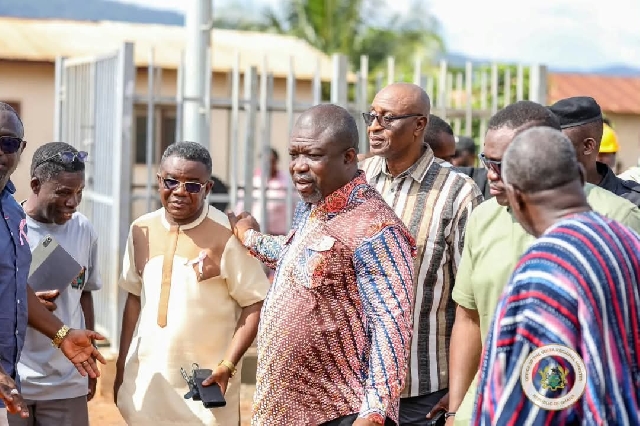
The Ashanti Region is mourning after at least 23 people, including 11 children, lost their lives by falling into abandoned illegal mining pits, locally known as galamsey pits, over recent months. The Ashanti Regional Minister, Dr. Frank Amoakohene, revealed the grim statistics on Monday, August 24, 2026, during the commissioning of a new ultramodern Minerals Commission office complex in Kumasi. According to Dr. Amoakohene, 19 of the bodies have so far been recovered, with four victims still trapped underground. Most of the fatalities were residents who inadvertently fell into the uncovered pits while using pathways to their farms. “Twenty-three lives have been lost only because they were on their way to their farms and fell into pits that were left uncovered by miners within the various areas. Only 19 have been recovered from the pits; the remaining four we have not been able to recover,” he stated. The Minister lamented the loss of young lives, pointing out that 11 of the victims were children. “Eleven of them are children whose future has been cut short because someone, in his quest for money, left a pit uncovered within some of these areas that lead to farmlands,” Dr. Amoakohene said. In response to the tragedy, the Regional Security Council, with support from the Ministry of Lands and Natural Resources, has initiated a programme to reclaim and cover abandoned illegal mining pits across the affected communities. Dr. Amoakohene called on all stakeholders to support these efforts, stressing the urgent need to secure abandoned mining sites and prevent further loss of life. He emphasized that immediate action is essential, especially in communities where residents and children frequently traverse routes that pass by or through dangerous, uncovered pits. The Regional Minister’s call to action highlights the ongoing hazards posed by illegal mining and the critical importance of reclaiming and securing such sites to safeguard lives in the region. Source: Apexnewsgh.com
Appointments Committee to Vet Mahama Ayariga and Other Presidential Nominees

The Appointments Committee of Parliament is set to vet Majority Leader and Chairman of the Business Committee, Mahama Ayariga, on Tuesday, August 25, 2026, following his nomination by President John Dramani Mahama as Minister-designate for Local Government, Chieftaincy and Religious Affairs. Mr. Ayariga is among three high-profile nominees scheduled to appear before the committee as Parliament advances its review of recent presidential nominations to key ministerial and judicial positions. Also appearing for vetting on Tuesday is Dr. Zanetor Agyeman-Rawlings, nominated as Minister-designate for Environment, Science and Technology, alongside a nominee for appointment to the Supreme Court. During parliamentary proceedings on Monday, August 24, Mr. Ayariga, in his capacity as Business Committee Chair, outlined the timetable and procedures for the upcoming vettings. “On Tuesday, August 25, 2026, the Appointments Committee should consider the two ministerial nominees and one justice of the Supreme Court. And then on Wednesday, August 26, 2026, the Appointments Committee should also consider the nominations of two justices of the Supreme Court. So those are the schedules that the Business Committee is recommending for adoption by this House.” According to the proposed schedule, the committee will begin with the two ministerial nominees and one Supreme Court nominee on Tuesday, and follow up with two additional Supreme Court nominees on Wednesday, August 26. Mr. Ayariga’s vetting will allow committee members to scrutinise his qualifications, experience, and policy positions, and assess his suitability for the Local Government, Chieftaincy and Religious Affairs portfolio. The vetting process is part of Parliament’s broader consideration of several presidential nominations that require approval. To facilitate the process, Parliament’s Business Committee requested a waiver of the Standing Orders’ usual publication requirement for nominations, enabling the committee to proceed with the vetting schedule without delay. Following the vetting sessions, the committee’s reports on the nominees will be presented to the full House for consideration and approval, in accordance with parliamentary procedures. Source: Apexnewsgh.com
Finance Minister Forson Vows Disciplined Approach to Project Financing to Safeguard Ghana’s Economy
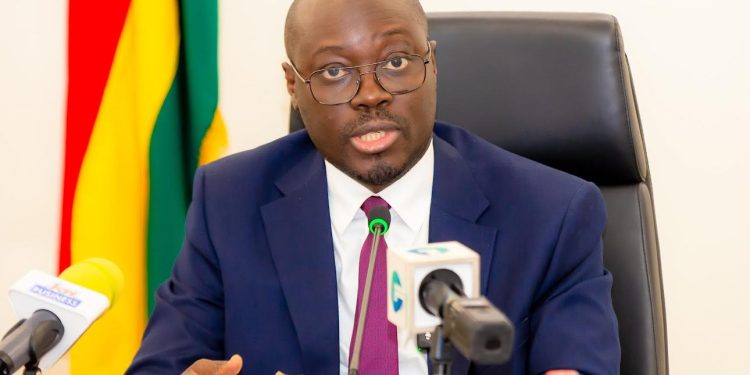
Ghana’s Finance Minister, Dr. Cassiel Ato Forson, has pledged a more disciplined and strategic approach to financing development projects as the country moves to protect its economic stability and avoid another debt crisis. Speaking at the Fifth Session of the Ghana–China Joint Commission on Economic, Trade and Technical Cooperation, Dr. Forson outlined a new set of priorities for government spending and borrowing. “Ghana will now proceed with discipline. We will not borrow simply because financing is available,” Dr. Forson asserted, signaling a shift in policy from past practices that contributed to rising national debt. He emphasized that all projects, whether roads, railways, power plants, or industrial enclaves, must be economically justified, transparently procured, and capable of boosting growth, generating revenue, or reducing costs. “Any road, railway, power plant, industrial enclave or other infrastructure financed through this cooperation must improve productivity, create jobs, increase exports and strengthen Ghana’s ability to repay its obligations,” he said. Dr. Forson stressed the need for measurable economic benefits from every project funded, particularly in partnership with international stakeholders such as China. He also announced that government would diversify its financing sources while maintaining a firm focus on debt sustainability. “We will diversify our financing sources, protect debt sustainability and avoid a return to the conditions that led to the 2022 debt crisis,” he stated, underlining the administration’s commitment to prudent fiscal management. As Ghana looks to the future, Dr. Forson’s remarks set a tone of accountability and discipline, aiming to ensure that development projects deliver real value and that the nation’s finances remain secure. Source: Apexnewsgh.com
BoG Governor Dr. Asiama: Reserve Build-Up Shields Economy from Global Shocks
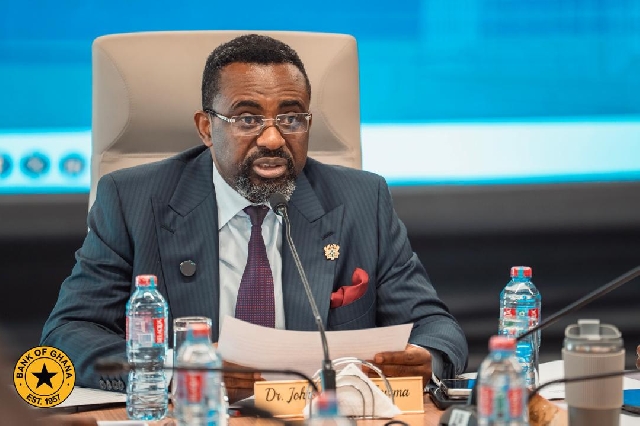
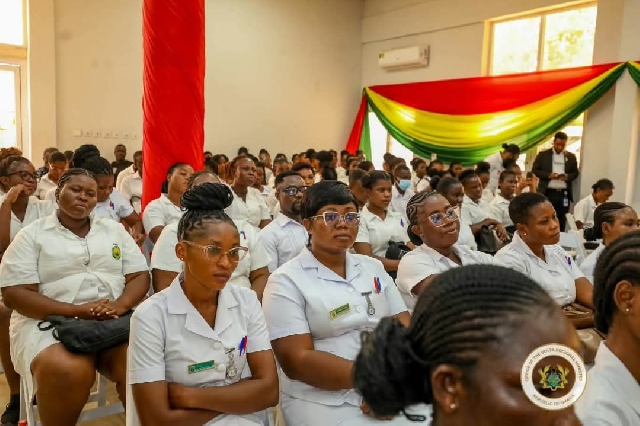
Bank of Ghana (BoG) Governor, Dr. Johnson Asiama, has highlighted the vital role played by Ghana’s international reserves in protecting the nation’s economy from recent global turbulence. Addressing Economics students from the University of Ghana and the University of Ghana Business School during “Time with the Governor,” Dr. Asiama reflected on the country’s response to mounting external pressures, particularly those stemming from tensions in the Middle East. “In the past three to four months, we have faced significant challenges with our international reserves,” Dr. Asiama noted, referencing a US$1.2 billion decline that saw Ghana’s reserves fall from US$14.1 billion to US$12.9 billion, according to the latest Bank of Ghana data. “I am therefore not surprised that we lost 1.2 billion reserves.” Despite the losses, Dr. Asiama credited last year’s strategic decision to build up reserves as a crucial buffer. “One of the good things we did last year was to build some high reserves for interesting times like this,” he told students attending the 131st Monetary Policy Committee meetings as part of the MPC Educational Observership Programme. He explained that the reserve build-up has given the central bank the flexibility to respond to global economic shocks and continue supporting critical sectors. “Managing the impact of external shocks involves difficult choices,” Dr. Asiama said, emphasizing the importance of strengthening Ghana’s foreign exchange earnings. Looking ahead, the Governor called for increased focus on cocoa and non-traditional exports as drivers of reserve growth. He revealed that non-traditional exports currently make up about 10% of total exports but should be pushed to 15%. Dr. Asiama also identified remittances as a potential avenue for bolstering reserves and economic development. He urged that more of the over US$8 billion received annually through remittances be directed into productive investments rather than consumption. As Ghana continues to navigate a challenging global environment, Dr. Asiama’s message was clear: prudent reserve management and strategic export growth are essential to safeguarding the country’s economic stability. Source: Apexnewsgh.com