

Tensions Rise After Youth Clash at Gbani Gold Mining Site in Upper East Region

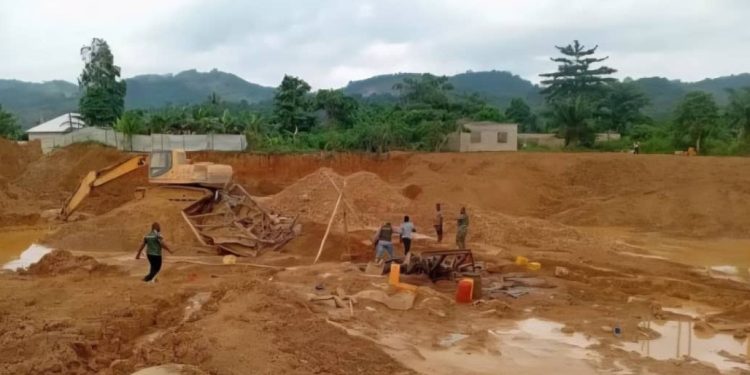
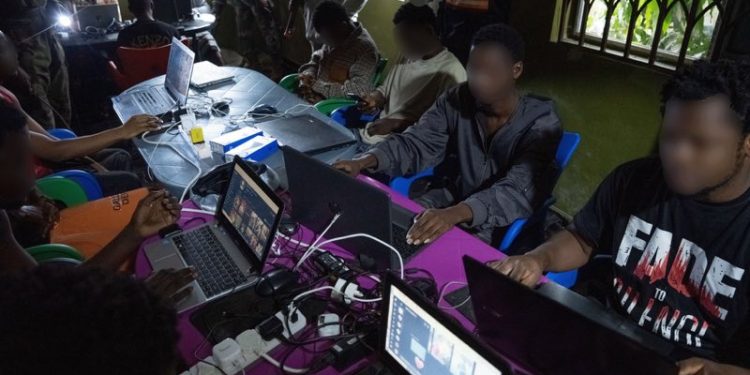
Tensions have surged in the Talensi District of the Upper East Region following a violent clash between youth groups from Gban and Namoulog at the Gbani gold mining site. The confrontation has sparked fears of further violence and heightened concerns about security in the area. The incident, which unfolded at the busy mining site, saw groups of young men from the two communities hurling stones at each other. A video shared on Facebook by Ngamegbulam Chidozie Stephen on Saturday, October 10, captured the chaotic scene, with several individuals calling for urgent police intervention to restore order. Community members and local leaders are now calling on security agencies to intervene swiftly to de-escalate tensions and prevent the situation from spiraling out of control. Many fear that without immediate action, the confrontation could lead to more serious unrest at the already volatile mining site. https://www.facebook.com/share/r/1V97vbQAjw/ Source: Apexnewsgh.com
NDC Sets Filing Fees for National Executive Aspirants, Chairmanship to Cost GH¢100,000
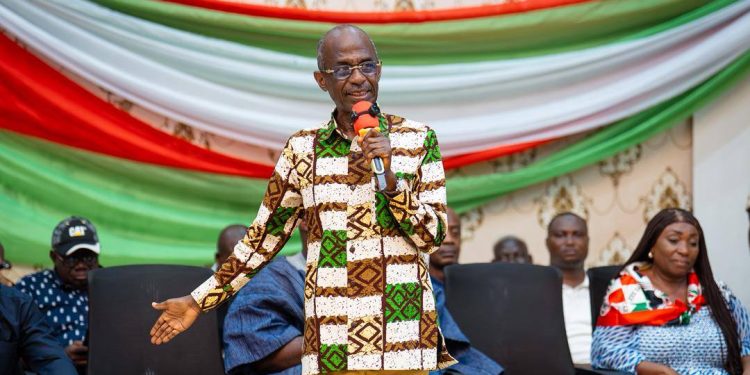
The Functional Executive Committee (FEC) of the National Democratic Congress (NDC) has released the official filing fee structure for aspirants vying for various national executive positions, with the top post of National Chairman attracting the highest fee of GH¢100,000. The newly approved structure spans 14 leadership positions, including National Chairman, General Secretary, National Organiser, Communications Officer, Youth and Women’s Organisers, and members of the National Executive Committee. According to the schedule, those aspiring to become National Chairman will pay GH¢100,000, while candidates for the General Secretary and National Vice Chairman positions will each pay GH¢80,000. The National Organiser post comes with a filing fee of GH¢70,000, and both the National Vice Chairman and Deputy General Secretary positions require GH¢60,000 each. Aspirants for National Communication Officer will pay GH¢50,000, while those seeking to become National Youth Organiser or National Zongo Caucus Coordinator will each pay GH¢40,000. Deputy organiser roles, including Deputy National Organiser, Deputy National Communication Officer, and Deputy National Youth Organiser, as well as the National Women’s Organiser and Deputy National Women’s Organiser posts, carry a filing fee of GH¢30,000 apiece. The lowest fee on the schedule applies to candidates for National Executive Committee membership, set at GH¢10,000. All aspirants are required to pay GH¢2,000 to obtain a nomination form, with all payments to be made electronically via the party’s designated platform, forms.ghanandc.com. In a move to encourage broader participation, the NDC has granted a 50 percent concession on filing fees for women and persons with disabilities (PWDs) across all positions, except for the National Women’s Organiser and Deputy National Women’s Organiser roles, which have their own provisions for female candidates with disabilities. The fee structure is part of the NDC’s preparations for its internal elections, which will determine the party’s top officers responsible for national administration and organisational activities. Source: Apexnewsgh.com
Ghana Heads to IMF-World Bank Meetings in Bangkok to Reassure Investors After Bailout
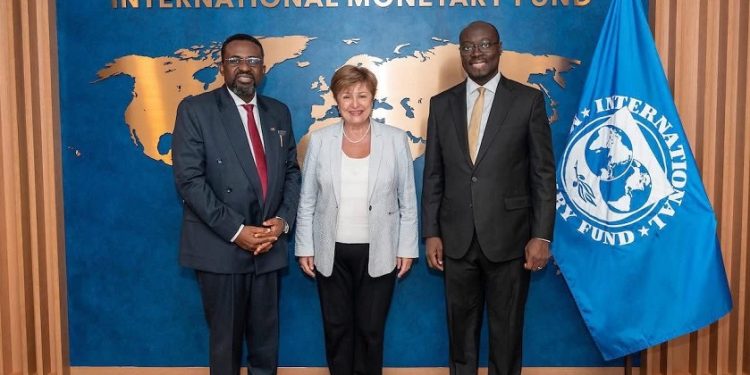
Ghana is preparing to participate in the upcoming IMF-World Bank meetings in Bangkok, Thailand, aiming to reassure investors of its economic prospects and reaffirm its commitment to ongoing reforms, following the conclusion of its US$3 billion bailout programme. The meetings, slated for October 12–18, mark Ghana’s first appearance since transitioning from the IMF’s Extended Credit Facility (ECF) to a non-financing Policy Coordination Instrument (PCI) arrangement. This shift means the country will no longer receive direct financial support from the Fund, but will instead focus on policy monitoring, reform implementation, and building investor confidence in the nation’s economic direction. A delegation from the Ministry of Finance and the Bank of Ghana is set to engage with investor groups through both joint and separate discussions. Officials are expected to provide updates on Ghana’s economic conditions, outline the government’s reform agenda, and seek agreements where needed to support the country’s ongoing recovery. The timing of these discussions is critical. While Ghana has made notable progress under the IMF-supported bailout, maintaining that momentum will require disciplined fiscal management, prudent debt handling, and continued reform, especially in the absence of new IMF disbursements. Investor sentiment is likely to hinge not just on government promises but on visible evidence of policy implementation. Fiscal targets, expenditure controls, revenue mobilisation, and debt sustainability will be closely scrutinised to determine Ghana’s risk profile and future borrowing costs. The meetings also provide an opportunity for Ghanaian officials to address concerns about the sustainability of recent economic gains and the risks that could threaten them. Recent visits from IMF staff and further talks in Bangkok are expected to focus on the benchmarks and reforms that will guide the new arrangement. Although the PCI does not bring fresh funds, it offers a framework for external monitoring and reinforces policy credibility. However, experts note that lasting investor confidence will depend on Ghana’s ability to deliver on its reform promises and maintain fiscal discipline without the safety net of IMF financing. As the government looks to consolidate economic stability and lay a solid foundation for future growth, investors will be seeking clarity on medium-term fiscal prospects, debt management strategies, and policies that will support private-sector development. Ghana’s central message in Bangkok will be that it is committed to sustaining reforms and meeting its obligations, without relying on continued IMF lending. Ultimately, while the outcome of the meetings may influence investor sentiment in the short term, enduring confidence will rest on Ghana’s ability to follow through with real economic progress at home. Source: Apexnewsgh.com
Government to Launch Social Housing Projects in 2027—National Housing Fund
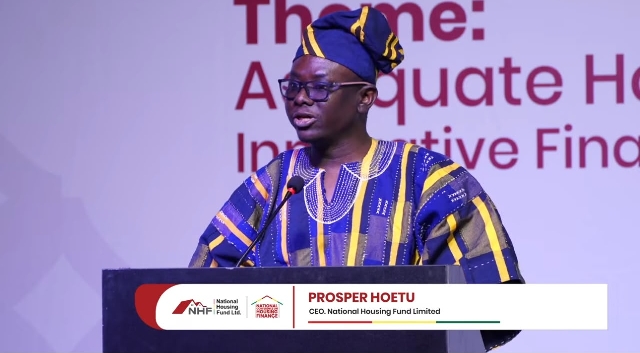
The National Housing Fund has announced that the government is set to commence the construction of social housing projects in 2027, as part of a broader plan to improve access to affordable housing for Ghanaians. Chief Executive Officer of the Fund, Prosper Hoetu, revealed on the Citi Breakfast Show that preparatory work is well underway. Current efforts are focused on finalizing architectural designs, engaging with stakeholders, and identifying appropriate locations for the new developments. Hoetu explained that the groundwork being laid will ensure the proposed homes are both affordable and tailored to the needs of households that struggle to find decent accommodation in the conventional housing market. “Between now and the end of the year, we will be completing designs, discussions, locations and all that before we talk about numbers that we will be building, but I can assure you that these houses will be very reasonable and affordable,” he stated. He also highlighted the government’s commitment to working with local authorities and exploring cost-effective construction technologies. One of the innovative policy initiatives is the piloting of the District Housing Programme, which utilizes climate-resilient compressed earth bricks for building. According to Hoetu, these ongoing preparations are crucial to ensuring the success of the social housing programme and to delivering practical solutions for Ghanaians in need of affordable homes. Source: Apexnewsgh.com