

President Mahama Urges Africa to Harness Critical Minerals Boom for Industrial Transformation
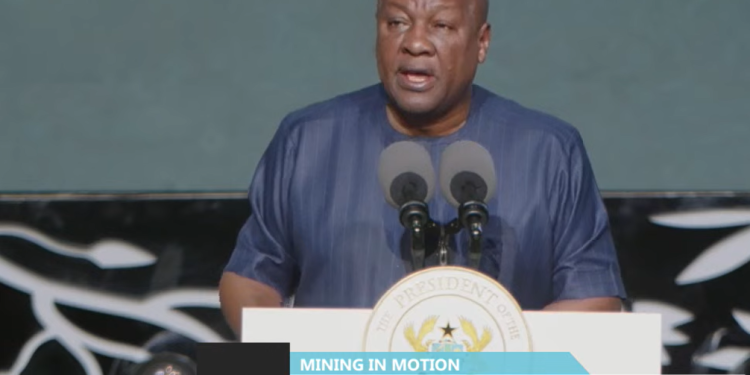
At the opening of the 2026 Mining in Motion Conference at Destiny Arena, President John Dramani Mahama delivered a rallying call to African nations: seize the global surge in demand for critical minerals and use it as a springboard for industrial development. Addressing an audience of industry leaders, policymakers, and investors, President Mahama underscored the need for Africa to move beyond the traditional model of extracting and exporting raw materials. Instead, he advocated for local processing, the development of manufacturing capacity, and the creation of stronger links between the continent’s mineral resources and its domestic industries. “For minerals, this means owning our own resources, extracting them responsibly, and processing them domestically and competitively. It also means linking our mineral value chains to industries that our economies need,” President Mahama stated. He pointed out that the global shift toward cleaner energy is driving up demand for critical minerals—a trend that presents Africa with a unique opportunity to secure a stronger position in manufacturing, supported by investment in skills, technology, and robust supply networks. President Mahama highlighted Ghana’s proactive steps in this direction, referencing the Ghana Integrated Aluminium Development Corporation (GIADEC) and the Ghana Integrated Iron and Steel Development Corporation (GIISDEC). These initiatives aim to create integrated value chains that link mineral extraction to local processing and production, setting a blueprint for other African countries. “As global demand for critical minerals continues to grow, capturing more value at home will be vital,” President Mahama concluded. “Africa must take greater ownership of its resources and ensure that they contribute meaningfully to our industrial future.” Source: Apexnewsgh.com
Court of Appeal Grants Stay in Hanan Abdul Wahab Case, Halting NAFCO CEO’s Trial Pending Appeal
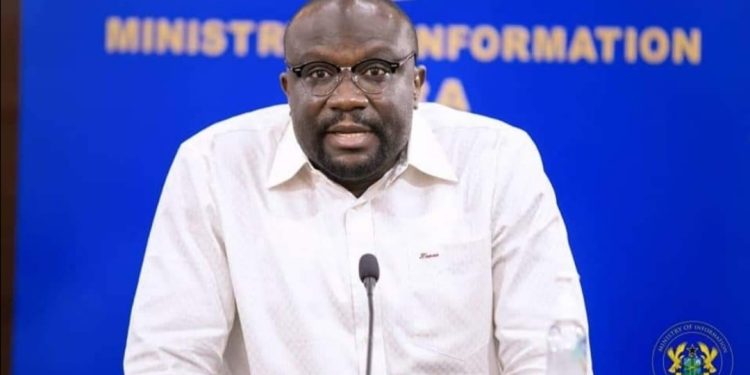
The Court of Appeal has granted a stay of proceedings in the criminal trial of former Buffer Stock Company (NAFCO) Chief Executive Officer, Hanan Abdul Wahab, effectively pausing the High Court case until the determination of his appeal challenging the charges against him. The application for a stay was moved by Hanan’s legal team, led by former Attorney-General Godfred Yeboah Dame and Richard Gyambiby. They argued that the appeal raised fundamental issues regarding the accused’s right to a fair trial, particularly concerning the adequacy of information provided in the charge sheet. Dame pointed out that several counts, specifically counts 3, 13, and 18 related to stealing, and counts 1 and 14 concerning defrauding by false pretences, lacked sufficient details. For example, on count 3, the prosecution alleged Hanan stole approximately GH¢50 million over a period spanning 2017 to 2025, grouping multiple transactions into a single charge. Dame contended that the absence of specific transaction details made it difficult for the accused to mount a proper defence. He also highlighted that while the prosecution’s summary referenced 86 transactions, the charge sheet itself did not specify them. On charges of defrauding by false pretences, Dame argued that the prosecution had not detailed the alleged false representations, undermining the accused’s ability to respond adequately to the allegations. Deputy Attorney-General Dr Justice Srem-Sai, representing the Republic, strongly opposed the application. He contended that no exceptional circumstances had been shown to justify a stay and maintained that grouping similar offences over a prolonged period is permissible under the law. Dr Srem-Sai asserted that disagreement with the trial judge’s decision was not, on its own, a valid reason to halt proceedings and warned that granting a stay could unduly delay justice if the appeal did not succeed. After hearing both sides, the three-member panel of the Court of Appeal, presided over by Justice Noble Nkrumah and including Justices Lydia Osei Marfo and George Boadi, ruled in favour of the defence. The court emphasised the critical role of the charge sheet in criminal proceedings and found that the issues raised by Hanan’s lawyers amounted to exceptional circumstances justifying a pause in the trial. This decision puts on hold the High Court trial, which was set to begin on Tuesday, October 20, pending the outcome of Hanan Abdul Wahab’s appeal. The appeal itself challenges an earlier ruling by Justice Francis Achibonga, who had ordered amendments to two charges but refused to strike out the case entirely. The Court of Appeal’s ruling underscores the importance of due process and clarity in criminal charges, highlighting that the structure and content of the charge sheet are foundational to a fair trial. Source: Apexnewsgh.com
AU Commissioner Urges Africa to Prioritise Value Addition and Industrialisation for Mineral Wealth
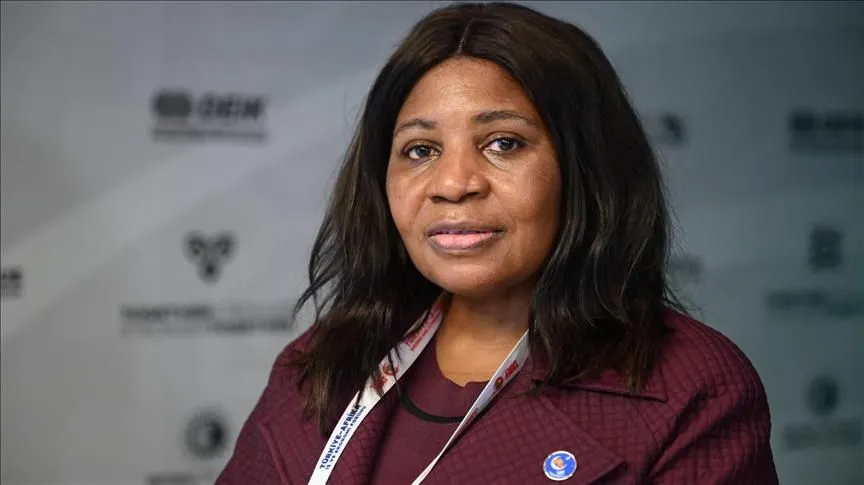
African Union Commissioner for Economic Development, Trade, Tourism, Industry and Minerals, Francisca Tatchououp Belobe, has urged African nations to place value addition and industrial development at the heart of their mineral resource strategies, in a push to fully harness the continent’s mineral wealth. Speaking at the Mining in Motion Conference on Monday, October 19, Ms Belobe emphasised the need for African countries to assert greater ownership over their mineral development priorities. She called on leaders to ensure that the exploitation of Africa’s abundant resources drives inclusive economic growth and strengthens regional value chains. “Africa must strengthen its agency to define its own mineral development agenda. In a time when major economies are developing critical mineral structures around their industrial priorities, Africa must define its own priorities,” Ms Belobe stated. She stressed that the continent must not only own its mineral resources, but also shape the narrative and partnerships that determine how these resources contribute to its development. Ms Belobe highlighted the African Union’s Green Minerals Strategy, adopted in 2025, as a central tool for achieving these goals. The strategy places African industrialisation, energy security, and regional value chains at the core of mineral policy across the continent. However, she cautioned that these ambitions must be matched by real investment and action. “Stronger continental leadership and a clear focus on value addition will be essential to ensuring that Africa’s mineral resources contribute more directly to its industrial growth and economic transformation,” she concluded.
Asantehene Endorses President Mahama’s Reset Agenda, Hails Push for Local Mineral Value Addition
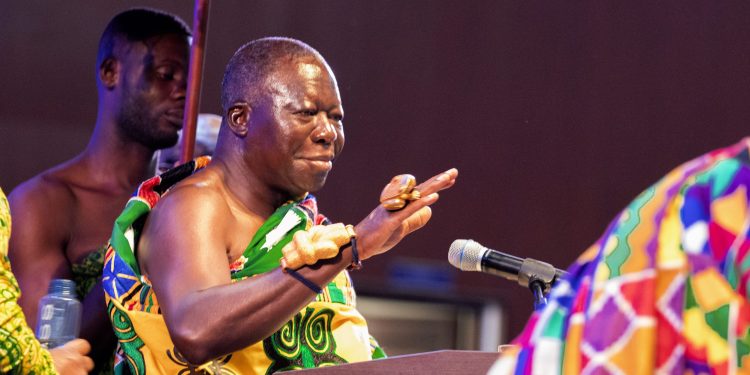
The Asantehene, Otumfuo Osei Tutu II, has thrown his weight behind President John Dramani Mahama’s reset agenda, describing the government’s emphasis on local value addition to Ghana’s mineral resources as a vital step toward true economic transformation. Delivering the endorsement on behalf of the Asantehene at the Mining in Motion conference on Monday, October 19, Nana Okyere Kusi Ntrama, Essumejahene, commended the administration’s determination to shift Ghana away from the export of raw minerals toward domestic processing and industrialisation. He argued that the approach to mineral governance championed by the reset agenda could help the country break free from the cycle of poverty by retaining more value from its natural resources. Nana Okyere Kusi Ntrama highlighted that, since assuming office, President Mahama’s reset agenda has prioritised greater national control over mineral wealth and the development of local processing capacity. “The focus on what Ghana produces from its mineral resources, rather than merely exporting them in their raw state, reflects a long-standing national aspiration to use our natural wealth to drive industrial development,” he stressed. Referencing the ongoing debates surrounding the Ghana Gold Board (GoldBod), he urged that such controversies should not distract from the core objectives of the agenda. “Regardless of the controversies surrounding the Gold Board, there should be no doubt that the nature of the President’s reset agenda takes us right back to the very foundation of our republic, when Dr. Kwame Nkrumah sought to harness our minerals and move to establish a gold refinery in Tarkwa,” he said. Nana Okyere Kusi Ntrama concluded that the current mineral policy direction presents Ghana with a renewed opportunity to build on its legacy by strengthening domestic value addition and ensuring the country secures greater economic benefits from its resources. Source: Apexnewsgh.com
President Mahama Unveils Plan to Ban Raw Mineral Exports by 2030, Boost Local Processing
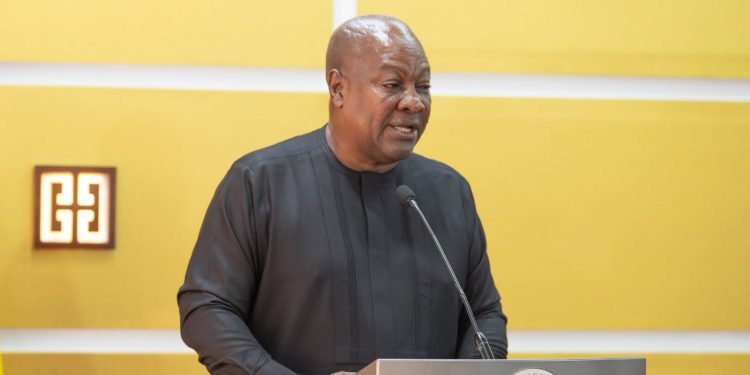
President John Dramani Mahama has announced a transformative policy that will see Ghana gradually ban the export of unprocessed mineral ores by 2030, marking a decisive push toward local value addition and industrialisation. Speaking at the Mining in Motion Conference on Monday, October 19, 2026, President Mahama outlined the government’s intention to introduce a phased prohibition on raw mineral exports, targeting key resources including bauxite, manganese, iron, and lithium. This bold move, he explained, is part of a broader effort to ensure that Ghana’s mineral wealth directly supports domestic economic development. “I’ve set a clear goal that by 2030, raw mineral ores should no longer leave our shores. Our bauxite, manganese, iron, lithium, and other minerals must support processing and industrial development here at home,” President Mahama declared, drawing applause from stakeholders and industry leaders present. To realise this vision, the government plans to roll out a comprehensive framework of legal measures, mineral-specific requirements, and transparent implementation timelines. President Mahama also made it clear that investors interested in Ghana’s mineral sector would be required to adhere to strict processing obligations, ensuring that the benefits of the country’s resources remain within its borders. “We will pursue a phased prohibition on exports of unprocessed ores, supported by the necessary legal measures, mineral-specific requirements, and transparent implementation timetables. We have already imposed a ban on the export of iron scrap and non-ferrous metals. Investors must understand the processing obligations associated with access to our resources,” he said. President Mahama stressed that this policy shift is designed to build Ghana’s local processing capacity, fuel industrial growth, and secure a larger share of the economic benefits for the nation. With the 2030 deadline approaching, Ghana is poised to enter a new era in mineral resource management—one where value is created and retained at home. Source: Apexnewsgh.com
UHAS Vice Chancellor Hails Ghana Medical Trust Fund as Lifeline for Cancer Patients
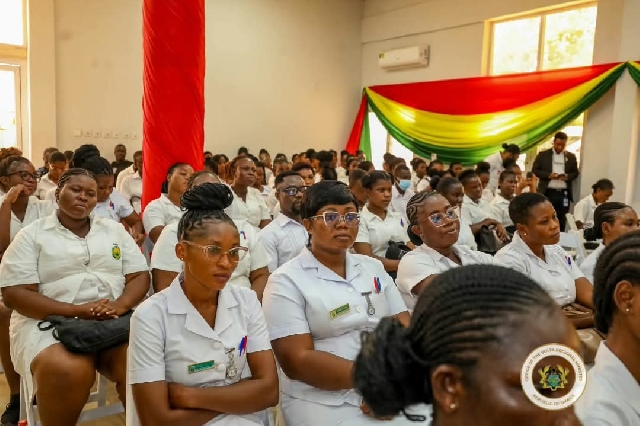
The Vice Chancellor of the University of Health and Allied Sciences (UHAS), Professor Lydia Aziato, has praised the creation of the Ghana Medical Trust Fund, describing it as a crucial step in relieving the heavy financial burdens faced by cancer and chronic disease patients in Ghana. Speaking at a stakeholders’ engagement in Ho, Professor Aziato, herself an experienced oncology and chronic-care nurse, drew from her professional background and research to highlight the dire challenges patients endure. “The cost of cancer treatment remains a major challenge for many patients,” she noted, adding that these difficulties often lead individuals to delay medical care or seek spiritual interventions before turning to professional treatment. Recounting stories from her research, Prof. Aziato shared the harrowing experiences of cancer patients. She recalled one breast cancer patient who was left traumatized after a blunt diagnosis and the prospect of immediate surgery, a scenario she said is all too common. “Some of our women, when they realise they have an anomaly, first go to the church to pray for a miracle,” Prof. Aziato explained, emphasizing that while prayer has its place, it should not replace medical intervention. She stressed that the high costs of chemotherapy, radiotherapy, surgery, and related treatments put lifesaving care out of reach for many. Prof. Aziato expressed hope that the Ghana Medical Trust Fund would support patients unable to afford essential treatments, making a tangible difference in their lives. Welcoming the government’s free primary healthcare initiative as well, she underscored its potential to drive early detection and treatment. “Early detection of cancer significantly improves patients’ chances of survival,” she said, citing her research in which some women diagnosed early survived more than twenty years after their diagnosis. Prof. Aziato urged Ghanaians not to ignore warning signs or assume immunity to cancer, encouraging prompt medical attention for unusual bodily changes. “I want us to detect early because we cannot say we will not get it,” she cautioned. Drawing on her years of research and firsthand encounters with patients, Prof. Aziato reiterated the urgent need for stronger support systems: “Some of the women suffer greatly. You see their breasts like cauliflower, with wounds that bleed.” She expressed deep appreciation to the government for establishing the Ghana Medical Trust Fund, believing it could provide critical support to ordinary Ghanaians struggling with the costs of specialised care. Source: Apexnewsgh.com
Federation of Ghana Traders Calls for Dialogue on Traffitech Rollout and Bus Stop Removals
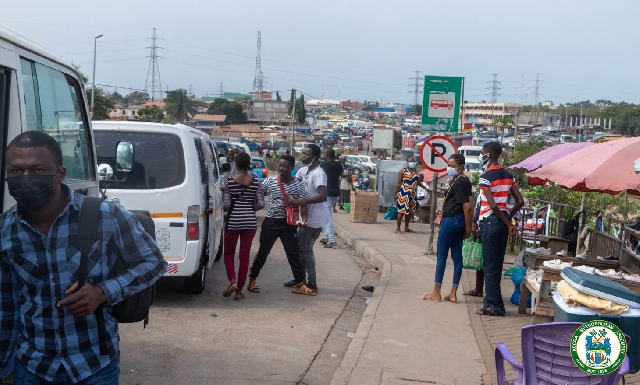
The Federation of Ghana Traders has called on the government to open dialogue with commercial drivers and transport stakeholders amid rising concerns over the implementation of the Traffitech system and the removal of traders and hawkers from bus stops nationwide. In a statement signed by its founder, Takyi Addo, the federation urged authorities to ensure that any enforcement actions at bus stops remain the responsibility of local government officials. “It will be unlawful for commercial drivers to embark on vigilante acts of removing traders from the bus stops. This is the work of the local government authorities,” the federation warned, emphasizing that such enforcement should not fall to private operators. The statement further encouraged the government to engage with commercial drivers and their leadership to address their concerns, foster compliance, and ensure that the rollout of new policies proceeds in an orderly and inclusive manner. Acknowledging that traders and hawkers do not have the legal right to operate at bus stops, the federation nonetheless insisted that, “it’s equally not right for commercial drivers to remove them.” The group called for effective communication and coordination among all relevant authorities, transport operators, and the trading community to prevent disruptions that could impact businesses and consumers alike. On the subject of Traffitech, a technological intervention aimed at improving transport management and enforcement, the federation recognized its potential benefits but stressed that any such system must be introduced alongside broad stakeholder engagement, public education, and clear operational guidelines. The Federation of Ghana Traders closed its statement by appealing for a resolution of traders’ concerns and urging all parties to act responsibly in the national interest. “We remain committed to constructive engagement with the government and all relevant stakeholders to protect the interests of traders and promote a stable business environment,” the statement concluded. Source: Apexnewsgh.com
Minister Assures Akoefe Gadza of Improved Telecommunications: Major Rural Network Site Nears Completion
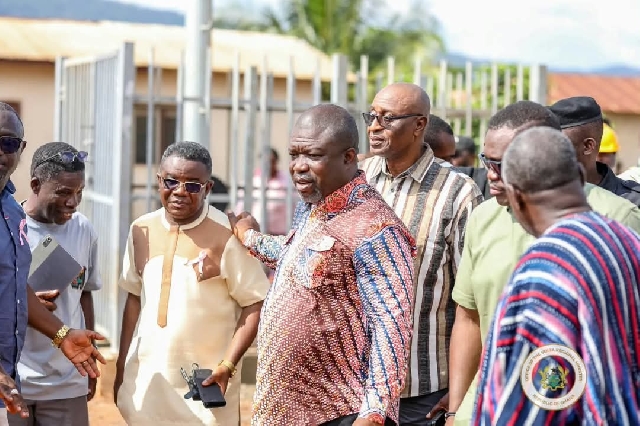
Residents of Akoefe Gadza and its neighboring communities received a major boost of hope this week as the Minister for Communication, Digital Technology and Innovations, Samuel Nartey George, visited the area with a promise to resolve their long-standing telecommunications challenges. During his tour of the community, Mr. Nartey George inspected an almost-completed rural telephony site located just a few metres from Akoefe Gadza. Standing before the chiefs, elders, and enthusiastic residents, the Minister explained that the project was part of a national push, championed by President John Dramani Mahama, to ensure every Ghanaian community enjoys reliable network coverage. “Just a few metres from here, we have a rural telephony site that is almost complete. The structure has been put up and, as we speak, the engineers are wrapping up and doing the ECG connection. I am confident that before the end of the weekend, that site will be up and it will boost the network in the area,” the Minister announced, earning applause from those gathered. He acknowledged the persistent efforts of both the Volta Regional Minister and the Member of Parliament for Ho Central, Richmond Edem Kofi Kpotosu, in advocating for better telecommunications infrastructure. With a touch of humor, Mr. Nartey George praised the MP’s tenacity: “Your MP does not sleep. He is constantly on my neck. I know it is not just me. When we meet in Cabinet and we talk about the troublesome MPs, his name always comes up. He is chasing every minister to make sure that we bring development to the people.” Mr. Nartey George assured the community that government intervention would not stop at improving network connectivity. Plans are also underway to enhance access to water, roads, and other essential amenities. He highlighted ongoing collaborations with the Ghana Investment Fund for Electronic Communications (GIFEC) and the National Communications Authority (NCA) as well as major telecom operators like MTN and Telecel to address broader network challenges nationwide. He further revealed that the scale of telecommunication infrastructure being rolled out in 2026 far surpasses previous years. While approximately 600 new cell sites were constructed across Ghana in the last five years, this year alone is witnessing an even more ambitious infrastructure expansion. The Minister concluded his visit by pledging the government’s commitment to close the digital divide and bring reliable communication services to all, especially underserved communities. Accompanied by officials from GIFEC and other stakeholders, Mr. Nartey George’s visit left residents optimistic that Akoefe Gadza and its neighbors would soon enjoy the benefits of modern connectivity. Source: Apexnewsgh.com