

Government to Save GH¢1 Billion in Interest with Early DDEP Principal Repayment
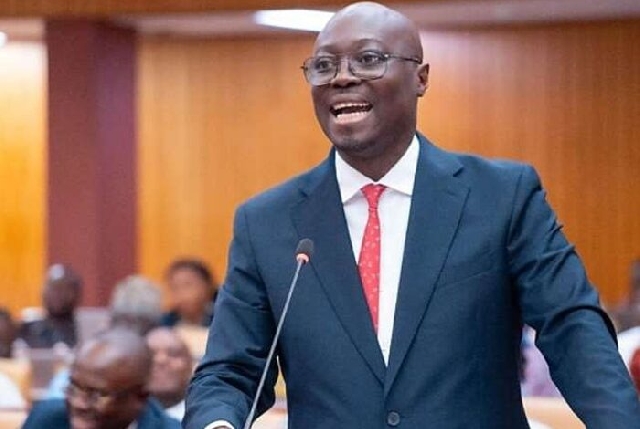
The government is poised to save about GH¢1 billion in interest payments by bringing forward the repayment of GH¢29 billion in principal under the Domestic Debt Exchange Programme (DDEP). This early repayment initiative, announced by Finance Minister Dr. Cassiel Ato Forson during the presentation of the 2027 Budget to Parliament on Thursday, November 12, aims to ease pressure on public finances as Ghana prepares for major debt maturities in 2027. Dr. Forson unveiled an early redemption offer for DDEP bondholders whose bonds are due on February 16, 2027. The offer, effective November 12, allows bondholders to collect their principal ahead of the scheduled maturity date. Speaking later on the Citi Breakfast Show, Dr. Forson explained that the move is meant to smooth out the country’s debt repayment schedule and avoid the risk of default. “If you look at our debt profile, you see that the two are like mountains there, and everything else is stable. So, in a normal year, you pay about GH¢5 billion, GH¢5 billion, and then in one year, GH¢40 billion. So, what do you do to meet that GH¢40 billion? You need to plan,” he noted. He clarified that the early redemption covers principal only, not interest. “No, I’m not paying the interest earlier. But if I pay you the GH¢29 billion, then I will save about GH¢1 billion in interest,” he explained. According to Dr. Forson, the government has accumulated GH¢29 billion in the Cedi Sinking Fund, enough to fully meet the February 2027 principal obligation. Additional buffers are being built to cover the GH¢11.1 billion interest payment due at the same time. The February maturity is part of about GH¢53 billion in DDEP principal and interest obligations due in February and August 2027. Beyond domestic debt, the government also intends to settle a US$590 million Eurobond obligation maturing on January 2, 2027, before the end of this year, further reducing the burden heading into 2027. Dr. Forson added that the government is introducing financing and borrowing reforms to ensure future debt obligations are managed prudently, helping Ghana avoid another debt crisis. Source: Apexnewsgh.com
Government to Build New National Theatre in Kumasi as Part of $1 Billion Tourism Investment
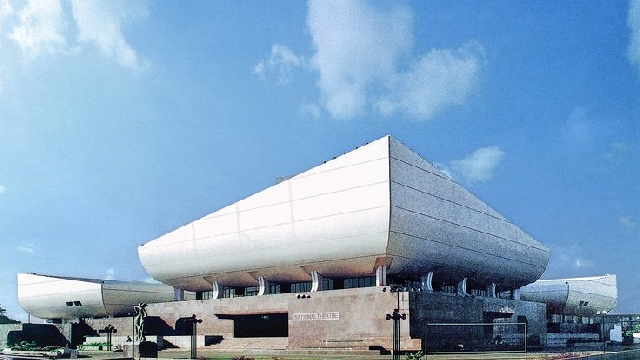
A new National Theatre is set to rise in the heart of Kumasi, Ashanti Region, as part of the government’s commitment to expanding Ghana’s cultural and creative infrastructure. The announcement was highlighted by Finance Minister Dr. Cassiel Ato Forson during his presentation of the 2027 budget in Parliament on Thursday, November 12. Fulfilling one of President John Dramani Mahama’s campaign promises to the people of the Ashanti Region, the theatre is expected to serve as a vibrant centre for cultural performances, conferences, and the creative industries. Dr. Forson revealed that construction is anticipated to begin as early as next year. “This government will complete a new National Theatre in Kumasi as a cultural, performance, conference and creative-industry asset,” Dr. Forson told Parliament. The project forms a key part of the government’s “New Economy” agenda, which includes a planned US$1 billion investment in the tourism sector in the coming year. The goal, according to Dr. Forson, is to transform Ghana’s strengths into a year-round visitor economy, earning foreign exchange, supporting creative enterprise, and creating better jobs across the country. “We will invest US$1 billion to turn these strengths into a year-round visitor economy that earns foreign exchange, sustains creative enterprise and creates better jobs across the country,” he emphasised. The new National Theatre in Kumasi is poised to become a landmark for the Ashanti Region and a boost for Ghana’s cultural landscape. Source: Apexnewsgh.com
Finance Minister Outlines $10 Billion Investment for Modern Ghanaian Economy in 2027 Budget
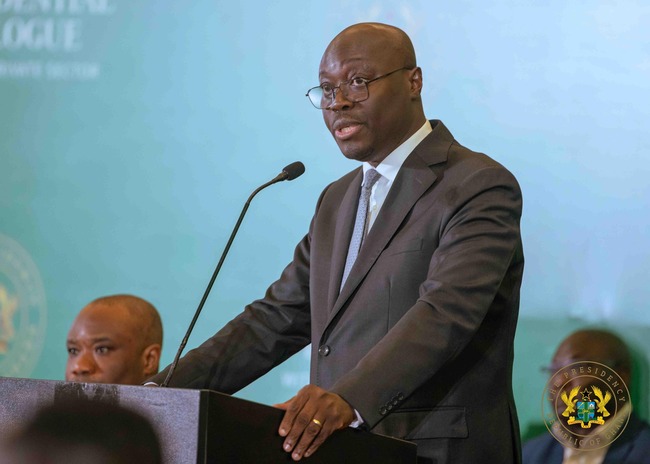
Finance Minister Cassiel Ato Forson has unveiled an ambitious plan for Ghana’s economic transformation, announcing that the government will invest the equivalent of US$10 billion between 2027 and 2030 to build a modern, job-focused economy for lasting prosperity. Presenting the 2027 Budget in Parliament on November 12, 2026, Dr. Forson detailed the eight pillars underpinning the government’s ‘New Economy’ agenda. These pillars include macroeconomic stability and affordable finance; commercial agriculture; energy infrastructure; critical minerals value addition; tourism, culture and creative arts; textiles and garments; pharmaceuticals and manufacturing, including biomanufacturing; and the technology economy. Dr. Forson explained that these sectors have been designed to function as an integrated system, each reinforcing the growth and productivity of the others. He emphasized, “Affordable finance must reach farmers, manufacturers and exporters. Agriculture must supply food and industrial raw materials, while reliable energy must support a 24-hour economy.” He further highlighted plans to develop the pharmaceutical and biomanufacturing sectors to boost domestic production of medicines and vaccines, enhance health security, and supply markets across Africa. Calling for a united effort, Dr. Forson urged Ghanaians to choose wisely between short-term spending and long-term investment. “We can spend the recovery as though history has taught us nothing, or invest in it,” he said, encouraging the nation to back the New Economy agenda for a brighter future. Source: Apexnewsgh.com
Minority Leader Afenyo-Markin Slams 2027 Budget as “Sloganeering” Without Real Gains for Ghanaians
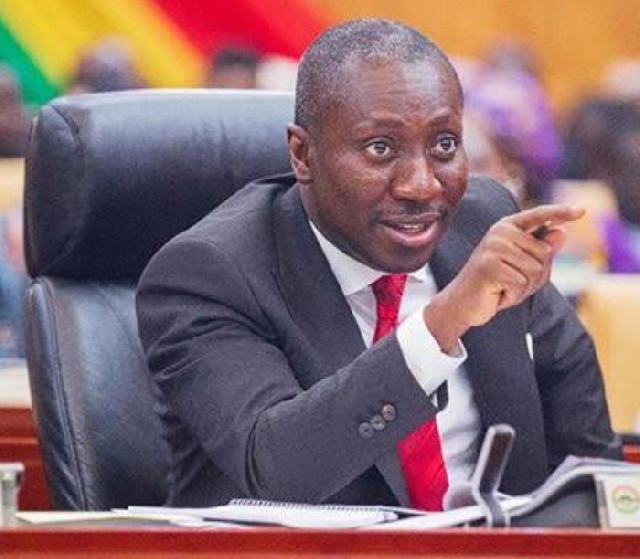
Minority Leader Alexander Afenyo-Markin has launched a scathing critique of the 2027 Budget, accusing the government of relying on economic figures and catchy slogans while failing to deliver tangible improvements in jobs and living standards for ordinary Ghanaians. Speaking to journalists after Finance Minister Dr. Cassiel Ato Forson’s budget presentation in Parliament on Thursday, November 12, Afenyo-Markin described the NDC administration as a “sloganeering government.” He argued that, despite claims of economic stability, Ghanaians continued to struggle with high food prices, unemployment, and persistent business challenges. “Let Ghanaians know that this NDC government is a sloganeering government. What they came to do was to subject us to another round of slogans and no jobs,” he declared. Afenyo-Markin pointed out that the government’s touted stability had not brought relief to households or businesses. “Stability on paper, hardship in our pockets,” he remarked, highlighting how soaring food prices in markets such as Techiman, Tamale, Kumasi Asafo, Winneba Central, and Makola continued to burden families across the country. He further questioned support for farmers and lamented reductions in the cocoa farmgate price, despite earlier promises by the NDC while in opposition. “You cannot rebrand unemployment. They cannot slogan away the cost of living,” the Minority Leader asserted, calling for real solutions instead of rhetoric. Turning to the government’s much-publicized New Economy agenda, which includes a proposed US$10 billion investment between 2027 and 2030, Afenyo-Markin demanded specifics. He pressed for a detailed breakdown of the 2027 expenditure and clarity on the specific projects to be funded, as well as how the initiative aligns with the government’s 24-hour economy policy. On public sector obligations, he welcomed the Finance Minister’s assurance that bondholders under the Domestic Debt Exchange Programme (DDEP) would be paid but questioned the absence of similar commitments to the Judicial Service Staff Association of Ghana (JUSAG), teachers, nurses, and public sector recruits. “They claim that they have money to pay domestic debt exchange programme bondholders, those whose savings were postponed and whose payments were deferred. They say they have money to pay. That is good news. We welcome that,” Afenyo-Markin stated. “But the question is: where is the money to pay JUSAG, the money to pay teachers, the money to pay nurses, and the money to recruit?” He also criticized the government for failing to provide concrete data on jobs created since taking office, arguing, “It is not data that Ghanaians are going to consume. Ghanaians want jobs, jobs, jobs.” The Minority Leader further questioned the status of the proposed women’s bank, which had featured in previous budgets but was notably absent from the latest presentation. He also raised concerns about electricity costs and inadequate incentives for businesses, emphasizing the crucial role of the private sector in driving economic growth. “Without the private sector, the economy cannot grow,” he concluded, pledging that the Minority would conduct a thorough review of the budget and present a comprehensive assessment following a workshop. Source: Apexnewsgh.com
Finance Minister Forson Celebrates Mahama Administration’s Achievements, Unveils New Economy Agenda for Ghana’s Future
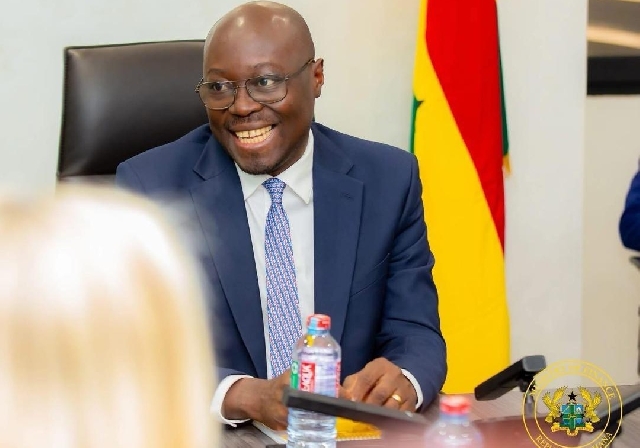
Presenting the 2027 budget before Parliament on Thursday, November 12, Finance Minister Dr. Cassiel Ato Forson took a moment to reflect on the Mahama administration’s second-term achievements and to lay out an ambitious vision for Ghana’s economic future. Dr. Forson spoke with optimism, declaring that “Ghana has made significant gains and has emerged from the most painful economic crisis in our history. Stability has returned. Confidence is back.” He assured Ghanaians that, under President John Dramani Mahama, the nation’s economy has found its footing. “Ghanaians can breathe again,” he said, while cautioning that the nation must make wise choices about how to use this newfound breathing space to shape a better future. But the Finance Minister did not shy away from Ghana’s difficult past. He recounted the hardships endured by ordinary people: economic progress that was fleeting, cycles of hope and hardship, growth and instability, and the pain of repeated corrections and job losses. “These boom-and-bust cycles must cease,” Dr. Forson insisted. “We owe [the Ghanaian people] something greater than recovery. We owe them a country that honours their sacrifices and ensures that the hardship they have endured does not become their children’s inheritance.” Dr. Forson detailed the administration’s reforms since 2025, citing falling inflation (from 23.8% to 5.4%), a turnaround to a budget surplus, a decline in public debt to 44.7% of GDP, and improved international reserves. These achievements, he explained, have brought certainty to households and businesses alike, allowing Ghana to move beyond crisis management and look toward true transformation. Yet, Dr. Forson acknowledged that stability alone is not enough. “No statistic can refund the years families lost to instability,” he said. The real reward for Ghanaians’ sacrifices will be lasting production, jobs, rising incomes, and opportunity. Looking ahead, the Finance Minister unveiled the government’s “New Economy” agenda—a four-year programme beginning in 2027 designed to break the cycle of instability and create a modern economy. Dubbed “The New Economy: New Ghana, Jobs and Prosperity,” the initiative aims to expand production, increase local processing of resources, and generate decent jobs and higher incomes for lasting prosperity. The government plans to invest US$10 billion between 2027 and 2030 in pursuit of this vision. “As Ghana turns 70, we owe the next generation an economy worthy of the freedom we inherited and the sacrifices our people have made,” Dr. Forson declared, rallying Parliament and the public to support the ambitious New Economy agenda. With his closing words, “Aban papa aba!”—“A good government has come!”—Dr. Forson celebrated the administration’s achievements and looked forward to a brighter future for all Ghanaians. Source: Apexnewsgh.com
Government Assures Full Payment to DDEP Bondholders, Announces Early Redemption in 2027
In a major announcement during the presentation of the 2027 budget, Finance Minister Dr. Cassiel Ato Forson assured all bondholders under the previous government’s Domestic Debt Exchange Programme (DDEP) that every cedi owed will be paid in full, beginning next year. Dr. Forson delivered the reassurance before Parliament on the night of November 12, 2026, emphasizing that funds are readily available to clear the outstanding debts. “The cash is ready,” he declared, urging bondholders whose bonds mature in February 2027 to come forward and claim their payments. “I repeat, to every DDEP bondholder whose bond falls due in February 2027, hear me clearly: your cash is ready. Come for your money! Now to every other DDEP bondholder, hear me clearly: every cedi owed to you, principal and interest, will be paid in full and on time.” The Finance Minister announced the early redemption, effective immediately, of GH¢29 billion in bonds due in February 2027. He explained that the government has been diligent in meeting its obligations, citing the payment of GH¢10.8 billion to DDEP bondholders in August 2026, honoring the seventh coupon and the third full cash payment. Since 2025, total payments to DDEP bondholders have reached GH¢41.36 billion, while Eurobond holders have received US$2.1 billion over the same period. Dr. Forson further noted that all obligations to bondholders who did not participate in the debt exchange have also been met. Looking ahead, GH¢40.1 billion of DDEP bonds, comprising GH¢29 billion in principal and GH¢11.1 billion in interest, will mature in February 2027. In August 2027, another GH¢12.5 billion will fall due. “In total, in February and August 2027 alone, about GH¢53 billion of DDEP bond obligations will fall due,” he said. He assured Parliament that the Cedi Sinking Fund Account already holds GH¢29 billion, sufficient to cover the full principal repayment due in February. Government is also building buffers in the Debt Service Reserve Account to meet the GH¢11.1 billion interest payment and future obligations. Reflecting on the broader debt restructuring process, Dr. Forson reported steady progress, despite the complexity of negotiating with a diverse group of creditors. Government has so far signed bilateral debt restructuring agreements with sixteen out of the twenty-four required countries, with four more expected by year-end. The remaining debt to be restructured, he noted, is now relatively small in the context of Ghana’s overall public debt portfolio. “Government will intensify engagement with the outstanding creditors and pursue the required approvals to complete the process expeditiously, while safeguarding the comparability of treatment and Ghana’s debt sustainability objectives,” Dr. Forson concluded, giving hope to bondholders and signaling Ghana’s commitment to fiscal responsibility and creditor confidence. Source: Apexnewsgh.com
Finance Minister Forson Defends No New Taxes, Pledges Boost to Social Programmes in 2027 Budget
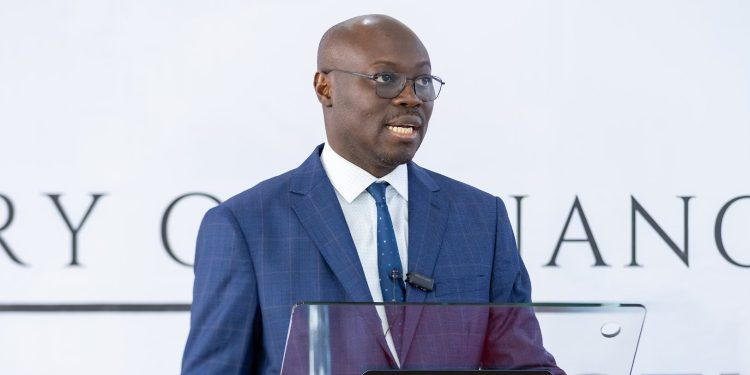
Finance Minister Dr. Cassiel Ato Forson has firmly defended the government’s decision not to introduce any new taxes in the 2027 fiscal year, emphasizing the administration’s commitment to prudent financial management and enhanced support for social intervention programmes. During an appearance on the Citi Breakfast Show on Friday, November 13, Dr. Forson explained that the government’s top priority is to improve livelihoods by channeling resources into programmes that directly benefit citizens and investing in sectors that will strengthen Ghana’s economic foundations. When asked whether the ability to settle outstanding payments without new taxes indicated a surplus of financial resources, Dr. Forson was clear: “We are living within our means.” Addressing concerns that Ghanaians were not yet feeling the impact of improved finances, the Finance Minister pointed to direct support being provided through key social intervention initiatives. He highlighted the significant increase in allocations for the Livelihood Empowerment Against Poverty (LEAP) programme in the 2027 Budget, which will receive GH¢2.1 billion, nearly double the GH¢1.1 billion allocated under the previous administration. Dr. Forson also noted that the government has maintained and promptly disbursed payments for nursing and teacher trainee allowances, reaffirming its commitment to supporting essential sectors. Youth employment remains a focal point, with the allocation to the Youth Employment Agency (YEA) set to jump from about GH¢600 million in 2026 to GH¢2 billion in 2027. Dr. Forson explained that this boost would help the agency expand job opportunities and introduce more programmes to tackle youth unemployment. Alongside social interventions, the Minister underscored the government’s continued investment in infrastructure and productive sectors, all aimed at transforming Ghana’s economic structure. The broader objective, he stressed, is to enhance the economy’s capacity to generate sustainable jobs and income, rather than relying solely on short-term relief measures. Dr. Forson’s remarks reflect a government balancing fiscal discipline with targeted social investments, as it charts a course toward long-term economic resilience. Source: Apexnewsgh.com
President Mahama Pledges Collaboration to Resolve University Governance Disputes
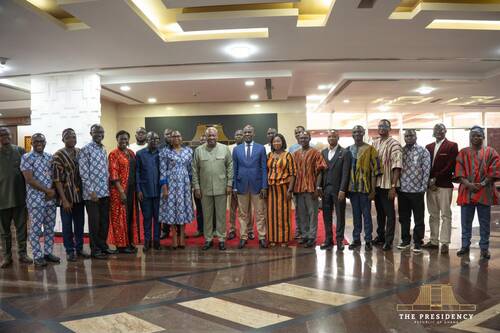
President John Dramani Mahama has extended a reassuring hand to the University Teachers Association of Ghana (UTAG), promising that his administration will collaborate with both the association and the Ghana Tertiary Education Commission (GTEC) to address ongoing disagreements over university governance and regulation. At a meeting held at the Presidency with UTAG leadership, President Mahama acknowledged the concerns raised by university lecturers about aspects of GTEC’s regulatory activities. He emphasized the government’s commitment to facilitating constructive dialogue between UTAG and GTEC to ensure that regulatory requirements for tertiary education do not compromise the independence and autonomy of Ghana’s universities. “We understand the need for effective oversight to maintain standards and promote quality education,” President Mahama remarked. “However, regulatory responsibilities must not be interpreted as a license to interfere in the internal administration of our universities.” The President’s intervention comes at a time when UTAG and GTEC are locked in disagreement over the extent of GTEC’s mandate and its impact on institutional governance. While GTEC is tasked with ensuring compliance, quality assurance, and accountability in Ghana’s tertiary education sector, UTAG has expressed concern that some of the Commission’s directives risk encroaching on the authority of university governing bodies. President Mahama stressed that the goal is to strike a balance, preserving universities’ freedom to manage their own affairs while ensuring that national standards are upheld. He called for open discussions and mutual understanding as the way forward. UTAG’s concerns center on the fear that regulatory requirements could undermine institutional autonomy and academic freedom, principles the President said his administration is determined to protect even as it pursues improvements in higher education governance. As talks between government, UTAG, and GTEC continue, the President’s assurance offers hope for a resolution that safeguards both the quality and independence of Ghana’s universities. Source: Apexnewsgh.com
Kwesi Pratt Jnr Slams Government Over IMF’s Involvement in Ghana’s Budget
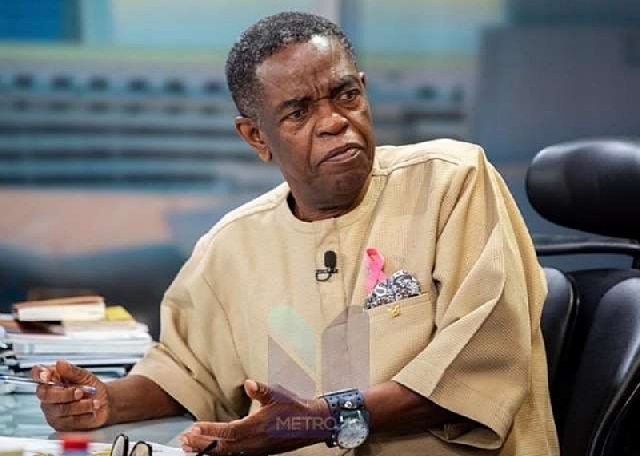
Seasoned journalist Kwesi Pratt Jnr has raised alarm bells over the Mahama government’s decision to allow the International Monetary Fund (IMF) to vet and approve Ghana’s 2027 budget, despite public pronouncements that Ghana had exited the IMF programme. In a passionate commentary on Metro TV’s “Good Morning Ghana,” Pratt expressed deep concern after reports surfaced that the IMF had already approved the national budget before it was presented to Parliament. “This is our budget. This is Ghana’s budget. And before the budget is released, we are told that the IMF has approved it,” Pratt said, his voice tinged with disbelief. He questioned the government’s claims of leaving the $3 billion IMF programme, wondering why, if Ghana had truly exited, the country’s most important economic document would still be subject to IMF approval. “At the time when we are boasting about exiting the IMF programme, if you have exited the IMF programme, why are we submitting our budget to IMF for approval?” he queried. Pratt argued that the IMF’s own comments about the budget exposed a contradiction at the heart of the government’s narrative. According to him, the Fund claimed to understand the projected impacts and resource flows in the budget, raising questions about who really holds the reins of Ghana’s economic policy. “Who is in charge? Is it the IMF? Is it our Ministry of Finance? I’m confused. We are either under an IMF programme or we are not,” he fumed, echoing the confusion of many Ghanaians. The Insight newspaper managing editor went further, warning that Ghana’s reliance on the IMF was creating a dangerous precedent where the Fund effectively dictates national policy. He reminded listeners that Ghana has turned to the IMF eighteen times in the past, each time facing greater hardship after the intervention. “…We do know we’ve been there eighteen times. Every time we’ve come out, it’s been more disastrous than before we went there. So, what’s this reliance on the IMF?” he lamented. Pratt also criticized the IMF’s satisfaction with the government’s plans, questioning whether the budget should serve the interests of the IMF or the Ghanaian people. “Is it the IMF who should be happy with our budget or the people of Ghana?” he asked pointedly. As the country awaits the official presentation of the 2027 budget, Pratt’s impassioned remarks serve as a rallying cry for greater economic independence. “We want the IMF off our backs, at least for a change,” he concluded, urging the government to chart a path free from external control. Source: Apexnewsgh.com
How Ghana Weathered the Storm: Finance Minister Credits 2025 Buffers for 2026 Resilience
Finance Minister Dr. Cassiel Ato Forson has credited Ghana’s remarkable economic resilience in 2026 to proactive government measures implemented just a year prior. Speaking to te media, November 13, Dr. Forson recounted how the fiscal and external buffers built in 2025 became the nation’s shield against a series of daunting shocks. The story of Ghana’s economic stability this year reads almost like a tale of survival against the odds. Dr. Forson described four major events that could have easily derailed the economy: a sharp drop in global cocoa prices, devastating flooding in June, a crippling fire at the Akosombo switchyard, and global disruptions sparked by tensions around the Strait of Hormuz. The minister revealed that the steep decline in international cocoa prices was especially alarming. “Under normal circumstances, this alone could have triggered an economic crisis,” he said. But thanks to the government’s forward-planning, the blow was cushioned. Then came the June floods, sweeping across parts of the country and forcing the government to swiftly mobilize emergency relief and reconstruction funds. “The demands for unplanned spending could have caused fiscal instability,” Dr. Forson noted, “but the buffers we put in place helped us manage without derailing our budget.” No sooner had the floodwaters receded than disaster struck the Akosombo switchyard. The resulting loss of over 1,020 megawatts of electricity generation capacity was a major test of Ghana’s energy resilience, and its financial agility. Yet again, the buffers did their work, helping the government respond without panic. Finally, Dr. Forson pointed to the ripple effects of turmoil around the Strait of Hormuz, which disrupted global economic activity and pressured economies worldwide. “Many economies in Europe, America, Asia, and Africa have felt the strain,” he said. “But because of the steps we took in 2025, Ghana has navigated these storms far better than most.” Reflecting on the year, Dr. Forson concluded, “Obviously, because of the measures we put in place in 2025, we built both external and fiscal buffers. These buffers are necessary, and we built them in 2025. And that is why we’ve been able to go through these difficulties.” The Finance Minister’s story is one of foresight and preparation, a reminder that the seeds of stability are often sown in times of calm, long before the storms arrive. Source: Apexnewsgh.com