

Ngamegbulam Chidozie Stephen Makes Top 10 in National Migration Storytelling Competition

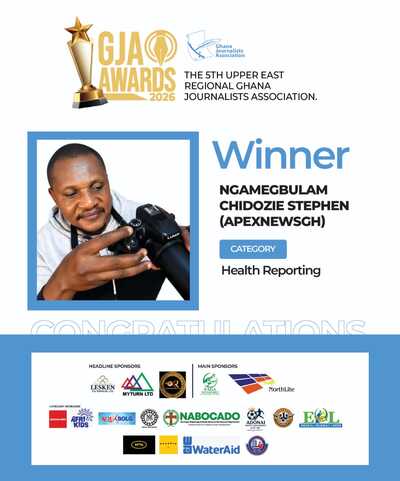
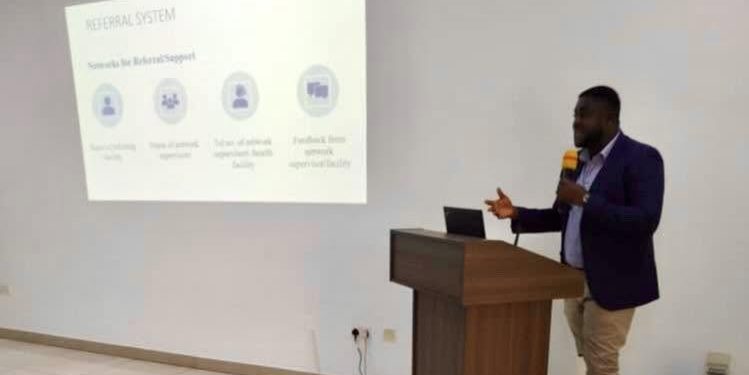
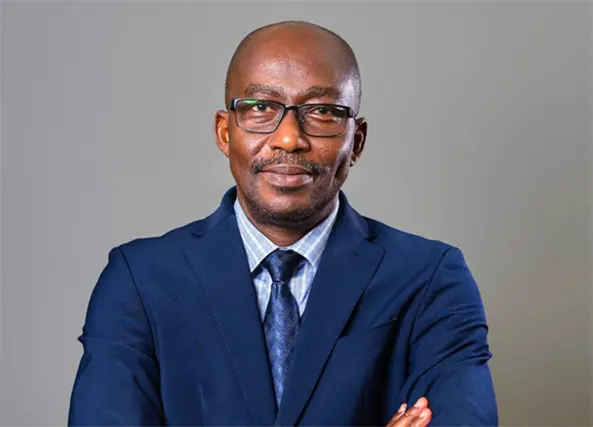
Apexnewsgh Editor-in-Chief among 10 finalists selected from 45 applicants nationwide in Media Response mini-video competition Ngamegbulam Chidozie Stephen, Editor-in-Chief of Apexnewsgh, has been selected among 10 finalists in a national mini-video competition organised by Media Response to promote responsible storytelling on free movement and migration in West Africa. Mr Ngamegbulam earned a place among the finalists after competing with 45 applicants from across Ghana in an initiative designed to encourage balanced, factual and evidence-based reporting on migration. The competition forms part of Media Response’s project, “Reframing Narratives on Free Movement and Migration,” which seeks to challenge the predominantly negative portrayal of migration in the media and highlight its contributions to economic growth, social development and regional integration. The project is being implemented under the “Support to Free Movement of Persons and Migration in West Africa – Phase II (FMM West Africa Phase II)” framework, with support from the ECOWAS Commission, the European Union, the International Organisation for Migration (IOM), FMM West Africa, the International Centre for Migration Policy Development (ICMPD) and the International Labour Organisation (ILO). The initiative seeks to encourage media practitioners to move beyond sensational headlines and crisis-driven reporting by presenting migration stories that reflect the actual experiences, challenges and opportunities associated with human mobility. It also aims to increase public awareness of the ECOWAS Protocol on Free Movement of Persons while strengthening ethical and evidence-based journalism on migration-related issues. The project targets journalists, editors, content creators, influencers and communications officers, recognising their influence in shaping public attitudes. It also engages migrant communities, residents of border areas, transport operators and cross-border traders, particularly those with limited knowledge of ECOWAS free movement regulations. Young people between the ages of 18 and 35 are another important target group, with the project seeking to equip them with advocacy skills to promote responsible migration narratives. The mini-video competition is one of the major activities under the project. It attracted 45 applicants, from whom 10 participants were selected following a vetting process. According to Media Response officials, the assessment involved representatives from the Ghana Immigration Service, the Ghana Journalists Association (GJA), academia, the Ghana News Agency (GNA) and other relevant institutions. Participants were required to develop compelling video content capable of challenging misconceptions about migration, highlighting migrants’ experiences and improving public understanding of the ECOWAS Free Movement Protocol. The 10 finalists are expected to receive cash prizes and certificates of achievement. Beyond the recognition, they are also expected to serve as potential advocates, mentors and role models in promoting responsible migration communication across the sub-region. As part of efforts to extend the reach of the competition, Media Response has indicated that videos produced by the 10 selected participants will be shared with key regional and international institutions. These include the ECOWAS Commission, the European Union, the International Organisation for Migration (IOM), FMM West Africa, the International Centre for Migration Policy Development (ICMPD) and the International Labour Organisation (ILO). The initiative will provide an opportunity for the participants’ stories to reach a wider audience and contribute to discussions on migration governance, regional integration and the protection of migrants’ rights and dignity. Earlier this year, Media Response organised a training programme for journalists and content creators to strengthen their capacity to report migration issues responsibly. A central focus of the training was the ECOWAS Protocol on Free Movement of Persons and its implications for migration and regional mobility. Participants were encouraged to adopt professional reporting practices, including verifying information, avoiding sensationalism, providing adequate context and ensuring that the voices of migrants and affected communities are accurately represented. The training also highlighted the importance of understanding the legal and policy frameworks governing migration within West Africa as a foundation for meaningful public education and informed debate. For Ngamegbulam Chidozie Stephen, the selection marks an important opportunity to use journalism and digital storytelling to contribute to conversations about migration and regional development. His achievement also highlights the role of Apexnewsgh in promoting public-interest journalism and contributing to media initiatives that seek to address critical development issues. Through the competition, Media Response is seeking to encourage a shift in how migration is discussed and understood, ensuring that coverage reflects not only its challenges but also the human experiences, opportunities and developmental benefits associated with free movement across West Africa. Source: Apexnewsgh.com
NSA Gh¢30.7m Scandal: Investigations Trace Funds to Company Wholly Owned By Gifty Oware-Mensah
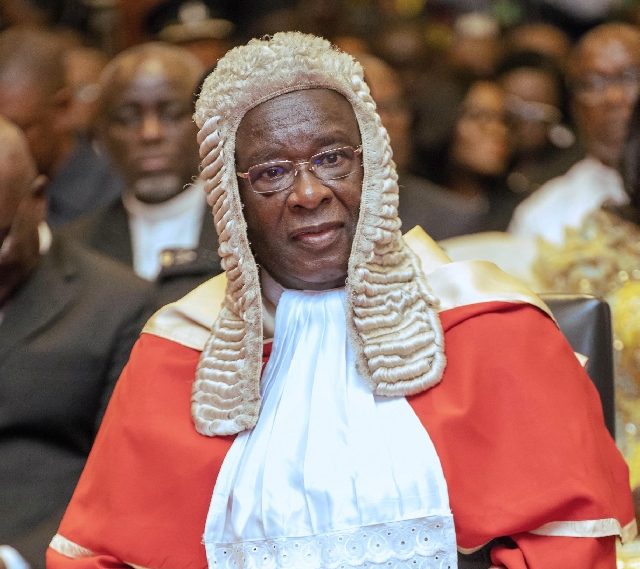
A prosecution witness has told the Accra High Court that investigations into the alleged GH¢30.7 million National Service Authority (NSA) hire-purchase scheme traced the funds from the Authority through Blocks Life Consult to Amaecom Global Company Limited, a company wholly owned by former NSA Deputy Chief Executive Officer, Gifty Oware-Mensah. Detective Sergeant Collins Woode, the fourth prosecution witness in the case, disclosed this during cross-examination, explaining that financial investigations established the movement of the money through the two companies. According to the investigator, Gifty Oware-Mensah was the sole owner and signatory of Amaecom Global Company Limited. He told the court that exhibits marked W and W1 contained the financial analysis detailing how the GH¢30.7 million was transferred and withdrawn by the accused. Detective Sergeant Woode explained that the money was initially deposited into an account bearing the name NSS Hire Purchase, which was opened at the Agricultural Development Bank (ADB) on the instructions of Gifty Oware-Mensah, before being transferred to Blocks Life Consult. He added that the transactions were executed based on written instructions from the accused. The prosecution witness further told the court that investigations established that Blocks Life Consult had not been properly registered and onboarded as a vendor of the National Service Authority and was therefore not eligible to receive payments through the Authority’s established procurement and payment procedures. He explained that companies seeking to become NSA vendors were required to submit their registration documents, obtain approval from the accused or the Deputy Director, complete the procurement onboarding process and have their e-zwich details validated by the Ghana Interbank Payment and Settlement Systems (GhIPSS). However, he said these procedures were not followed in the transaction, as the alleged national service personnel who had opted to receive items under the arrangement were faceless, making it impossible for deductions to be made from their allowances. The investigator further disclosed that Blocks Life Consult did not supply any items to national service personnel after receiving the GH¢30.7 million but instead transferred the money to Amaecom Global Company Limited. Detective Sergeant Woode also told the court that a list containing 63,637 names, which was presented to ADB as national service personnel who had opted to receive items through Blocks Life Consult, was not genuine. He explained that a comparison of the names with records obtained from the NSA’s Central Management System revealed that they had been extracted from a general list of faceless names. During cross-examination, the witness disagreed with defence counsel, Gary Nimako Marfo, who suggested that no such list of 63,637 faceless names existed. The prosecution witness also addressed questions concerning the Auditor-General’s Technical and Forensic Audit Report dated October 1, 2025, indicating that he had no prior knowledge of the document. He explained that his investigative team had completed its independent investigations into the NSA-ADB hire-purchase arrangement and submitted its docket to the Attorney-General long before the audit report was produced. Detective Sergeant Woode maintained that his team’s investigation focused specifically on the hire-purchase arrangement between the National Service Authority and Agricultural Development Bank, whereas the Auditor-General’s report examined broader financial irregularities within the Authority. Proceedings were briefly interrupted when defence counsel, Gary Nimako Marfo, complained that the witness was not responding directly to questions and was repeatedly referring to portions of his witness statement. However, the Director of Public Prosecutions, Mrs Yvonne Atakora Obuobisa, disagreed with the complaint, arguing that the witness had diligently answered questions relating to the charges before the court. The case involves allegations surrounding the GH¢30.7 million NSA hire-purchase arrangement, with the prosecution relying on financial records, transaction documents and investigative findings to establish how the funds were received, transferred and utilised. The proceedings are continuing before the Accra High Court. Source: Apexnewsgh.com
Ghana’s Telecommunications Sector Records 27.2% Growth by Mid-2026
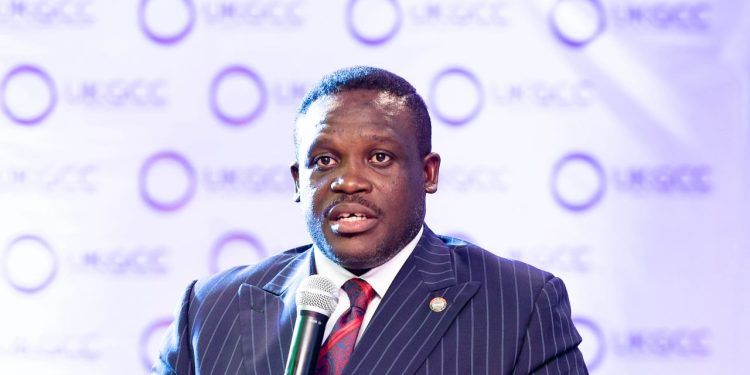
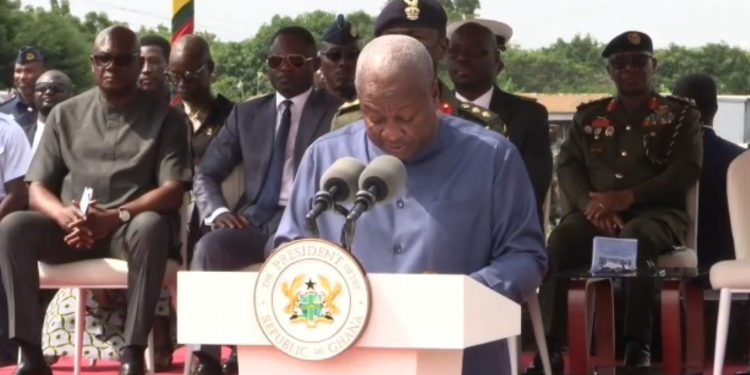
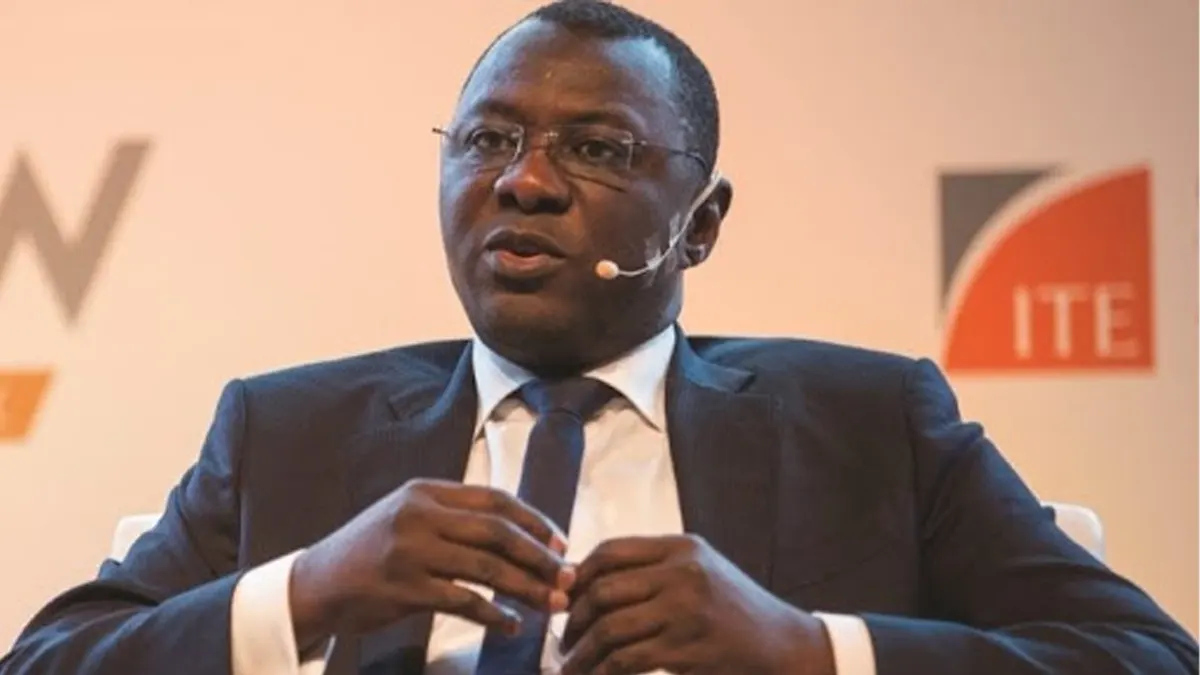
Ghana’s telecommunications sector grew by 27.2 per cent by mid-2026, exceeding its full-year growth projection of 25 per cent, according to Communications Minister Samuel Nartey George. Speaking at the Ghana Chamber of Telecommunications’ 15th Anniversary Gala and Recognition Night, Mr George said the sector had repeatedly outperformed forecasts. It grew by 20.2 per cent in 2025, against an initial projection of 17.2 per cent, he said. “Last year, we were billed to grow at 17.2%. End of year last year, we grew at 20.2%. This year, we are billed to grow at 25%. By mid-year, we’ve grown 27.2% already,” he said. Mr George described telecommunications as the strongest-performing component of the services sector and one of Ghana’s fastest-growing economic segments. The sector’s expansion reflects the increasing reliance of businesses, households and public institutions on digital connectivity for commercial activity and service delivery. He attributed the performance in part to cooperation between government and industry, including efforts to strengthen the policy and investment environment. “That is the result of cooperation and policy,” he told stakeholders, adding that government was committed to building a competitive, transparent and investment-friendly market. The minister cited spectrum allocations in the 700MHz, 2.3GHz and 3GHz bands, saying they had significantly increased the resources available to operators to expand network capacity and support the rollout of next-generation technologies. He also said telecommunications companies would be critical to the government’s wider digital economy plans, including the One Million Coders Programme and the National Artificial Intelligence Strategy. “Your networks carry our ambition,” Mr George said, underscoring the role of a strong telecommunications backbone in Ghana’s digital transformation agenda. The government is also pursuing broader 5G coverage, with a target of reaching 70 per cent of the population by March 2027. Source: Apexnewsgh.com