



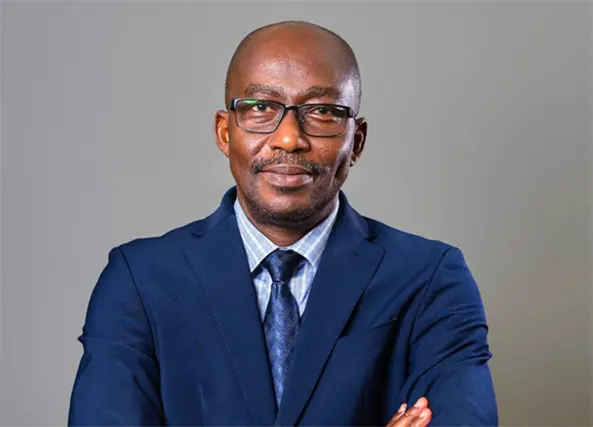
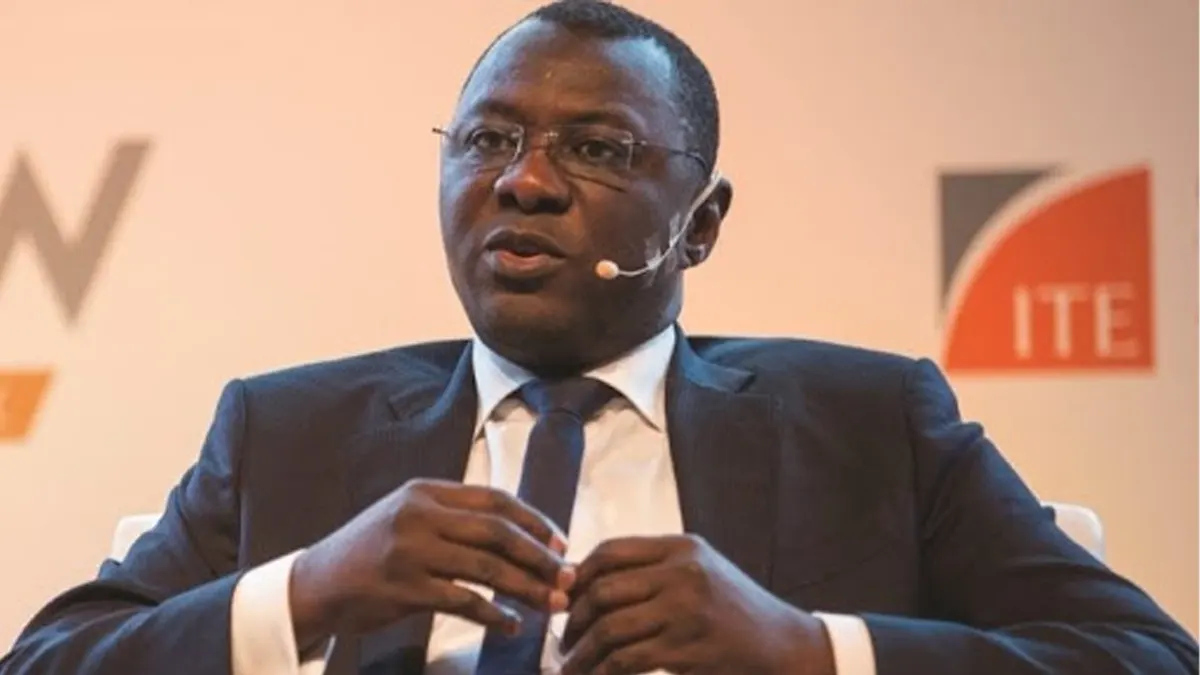


Former Finance Minister, Dr. Mohammed Amin Adam, has called on the government to recognise the sacrifices made by bondholders under the Domestic Debt Exchange Programme (DDEP), warning against any new arrangement that could leave investors worse off.
Dr. Amin Adam, in a Facebook post commenting on the government’s voluntary bond buyback programme, argued that bondholders had already made significant financial sacrifices to support Ghana’s economic recovery and should now be allowed to enjoy the full benefits of their investments.
According to him, investors, including pensioners and ordinary bondholders, accepted reduced interest rates and extended repayment periods under the DDEP to help stabilise the economy. He maintained that their sacrifices contributed to the economic recovery the government is now celebrating.
“Bondholders have already paid their share. Under the DDEP, they accepted lower interest and waited longer to get their money back. They helped carry the cost of fixing the economy, and the government now celebrates the fall in the national debt-to-GDP ratio,” he stated.
Dr. Amin Adam questioned why bondholders who endured the difficult terms of the DDEP were now being encouraged to surrender their investments 82 days before their scheduled repayment date through the voluntary bond buyback programme.
He argued that investors who hold on to their bonds until February 16, 2027, would receive their full principal and the agreed interest, while those who accept the early buyback could lose out financially.
He explained that the bonds currently offer an annual interest rate of 8.35 per cent, whereas reinvesting the proceeds in 91-day Treasury bills would yield approximately 4.5 per cent.
To illustrate the potential financial implications, the former Finance Minister estimated that for every GH¢100 worth of bonds, investors who sell early and immediately reinvest in Treasury bills could lose approximately 86 pesewas by February 2027.
He added that the losses could be higher if investors delayed reinvesting the proceeds for four weeks, while those who did not reinvest at all would forfeit the interest they would otherwise have earned by holding the bonds until maturity.
Dr. Amin Adam further warned that the collective financial implications of the buyback could be substantial, considering that the total value of the affected bonds stands at GH¢28.58 billion.
He estimated that if all the bonds were sold early, bondholders could collectively lose approximately GH¢247 million if they immediately reinvested the proceeds, GH¢346 million if the funds remained idle for four weeks, and as much as GH¢536 million if the money was not reinvested before February 2027.
He was, however, quick to clarify that these figures were estimates and that the actual financial implications would depend on the price offered by the government, how accrued interest was treated and the returns investors could obtain from alternative investments.
He therefore called on the government to provide a comprehensive explanation of the financial terms of the buyback to enable bondholders to make informed decisions.
The former Finance Minister also questioned the government’s reported decision to cap the buyback price at GH¢100, arguing that, based on prevailing Treasury bill rates, a GH¢100 bond could be worth approximately GH¢100.90, excluding interest already accrued.
He expressed concern that the auction notice did not adequately explain how investors would be compensated for interest already earned.
“Based on what Treasury bills pay today, a GH¢100 bond is worth about GH¢100.90, not counting interest already earned. Yet the government has reportedly capped its price at GH¢100. If the government wants people to give up their February payment, why does it cap its price below what the bond is worth? And why doesn’t the auction notice explain how interest already earned will be paid?” he questioned.
He insisted that bondholders deserved clear information about the value of their investments and the financial implications of accepting the early repayment offer.
Dr. Amin Adam also questioned what he described as a contradiction between the sacrifices demanded of bondholders and the government’s position on the country’s improving economic circumstances.
He pointed to claims by the government’s side in Parliament that Ghana’s improved economic performance could make the proposed GH¢720 million presidential jet affordable.
According to him, it was unfair for investors who helped support the country’s economic recovery to be encouraged to accept a deal that could leave them financially disadvantaged while the government considered such a major expenditure.
He maintained that bondholders deserved compensation or meaningful relief for the sacrifices they made under the DDEP rather than another arrangement that could expose them to further losses.
“What bondholders need is compensation or relief for the sacrifices they made to help rebuild the economy, not a buyback that leaves them worse off,” he emphasised.
Although Dr. Amin Adam acknowledged that bond buybacks were legitimate debt-management instruments that had been used by previous governments, he cautioned that such arrangements should not be structured to disadvantage investors who had already endured significant financial losses.
He advocated an approach that combines responsible debt management with meaningful relief for bondholders who contributed to the country’s economic recovery.
He further challenged the government to publish two important figures side by side for every GH¢100 worth of bonds: the amount investors would receive if they accepted the buyback immediately, including interest already accrued, and the amount they were guaranteed to receive in February 2027.
He argued that publishing these figures and explaining the rationale behind the offer would demonstrate the government’s commitment to transparency and fairness.
The former Finance Minister also reminded the current Finance Minister, Dr. Cassiel Ato Forson, of the position he took while in opposition, when he advocated for the protection of pensioners and other bondholders affected by the DDEP.
Dr. Amin Adam argued that Dr. Forson, having previously demanded accountability and protection for investors, should now be prepared to uphold those same principles as the person responsible for managing the country’s finances.
“When he was in opposition, the Minister stood with pensioners and other bondholders. He promised to protect their interests. Now he controls the public purse, so Ghanaians have the right to judge him by the standard he set then,” he stated.
He added that bondholders were equally entitled to demand the same level of accountability from the Finance Minister that he once demanded from the government while in opposition.
Dr. Amin Adam’s central argument is that while government has a responsibility to manage public debt and protect the economy, the burden of economic recovery should not continue to fall disproportionately on investors who have already made substantial sacrifices under the DDEP.
Source: Apexnewsgh.com