
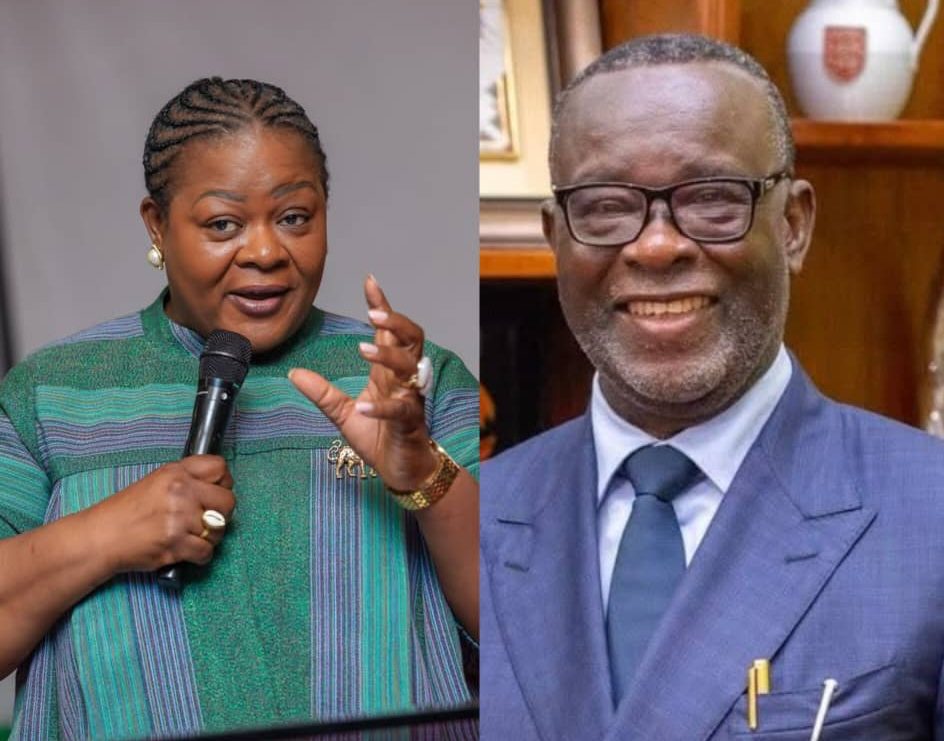
Ghana’s Office of the Special Prosecutor (OSP) has launched a sweeping crackdown on alleged corruption in the country’s petroleum downstream sector, conducting coordinated searches at five major fuel depots and seizing a trove of documents and electronic materials in the process.
The operation, part of an ongoing investigation, targeted evidence linked to the suspected under-declaration of petroleum imports and the falsification of product types, practices that industry observers say carry significant financial consequences for the Ghanaian state.
According to findings referenced in the OSP’s second half-year report, the probe has already implicated one Bulk Oil Distribution Company and 16 Oil Marketing Companies (OMCs) in the diversion of condensate and marine gasoil. So far, approximately GHS8.5 million has been recovered in connection with these activities.
But the figures may only scratch the surface. Estimates suggest that Ghana could be losing as much as GHS2 billion annually through tax-related leakages in the petroleum downstream sector alone. Adding to the concern, around GHS680 million spent each year on premix fuel subsidies may not be reaching the intended beneficiaries, raising fresh questions about accountability across the supply chain.
The OSP’s investigation points to a broader and more troubling pattern of alleged infractions, including tax evasion and the deliberate manipulation of product classifications during depot transfers. Preliminary findings go further still, suggesting the possibility of coordinated actions involving certain industry players and officials embedded within key regulatory and state institutions, among them the National Petroleum Authority (NPA), the Ghana Revenue Authority (GRA), and the National Security Secretariat. These alleged collaborations are said to have facilitated widespread misreporting and illicit financial flows over time.
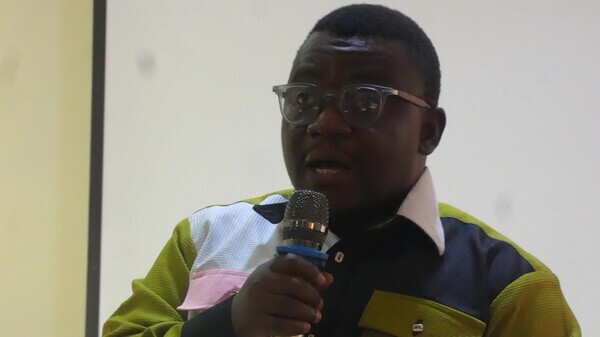
The revelations have drawn sharp reactions from civil society. The Centre for Environmental Management and Sustainable Energy (CEMSE) described the findings as deeply concerning and indicative of systemic challenges that have long plagued the sector. Its Executive Director, Benjamin Nsiah, announced that CEMSE, in partnership with the Institute of Energy Policy and Research, is preparing to launch a public accountability campaign in the coming weeks, a move aimed at sustaining pressure for transparency and reform.
The OSP has confirmed that investigations remain ongoing, with further actions to be determined by the outcome of the probe. For many Ghanaians, the unfolding case is a test of whether the country’s anti-corruption institutions can deliver meaningful accountability in one of its most strategically important sectors.
Source: Apexnewsgh.com