





In the bustling markets and roadside stalls across Ghana, millions of women work tirelessly, yet most remain invisible to the formal banking system. But a shift is coming.
“Our goal is to ensure these ventures are ‘investment-ready’ for the global stage,” a spokesperson for Chartered recently declared, capturing a growing consensus among financial leaders.
Still, the reality of the “unbanked” female entrepreneur is stark. Despite national economic gains, countless women in the informal sector find themselves locked out of traditional loans. Experts argue that until Ghana dismantles its deeply rooted “collateral culture”, which demands physical assets most women don’t possess, many will remain trapped, relying on high-interest informal lenders who circle like vultures.
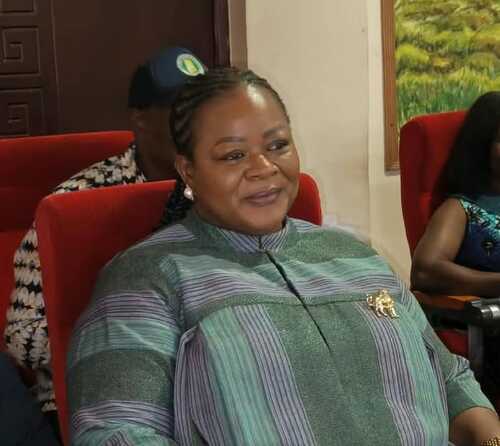
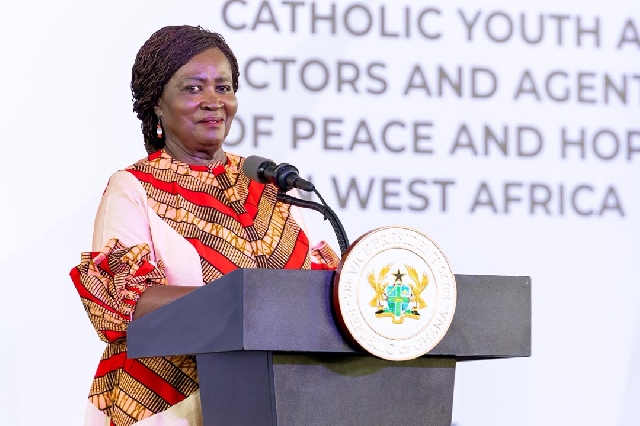
Enter Dr. Elizabeth Zormelo, a fierce advocate for female financial literacy. She doesn’t mince words.
“Credit is the fuel, but financial literacy and market access are the engine,” Dr. Zormelo explains, her voice carrying the urgency of someone who has watched too many small businesses flicker and die. “The Women’s Development Bank must be paired with aggressive training to ensure these businesses don’t just survive, but dominate.”
Her message arrives at a pivotal moment. The Bank of Ghana is preparing to release new guidelines on gender-disaggregated data reporting,a tool that will finally reveal, in stark numbers, who gets loans and who doesn’t.
The message to the financial sector is unmistakable: the future of Ghana’s economic growth is female, and the cost of exclusion is a price this nation can no longer afford to pay.
Source: Apexnewsgh.com