
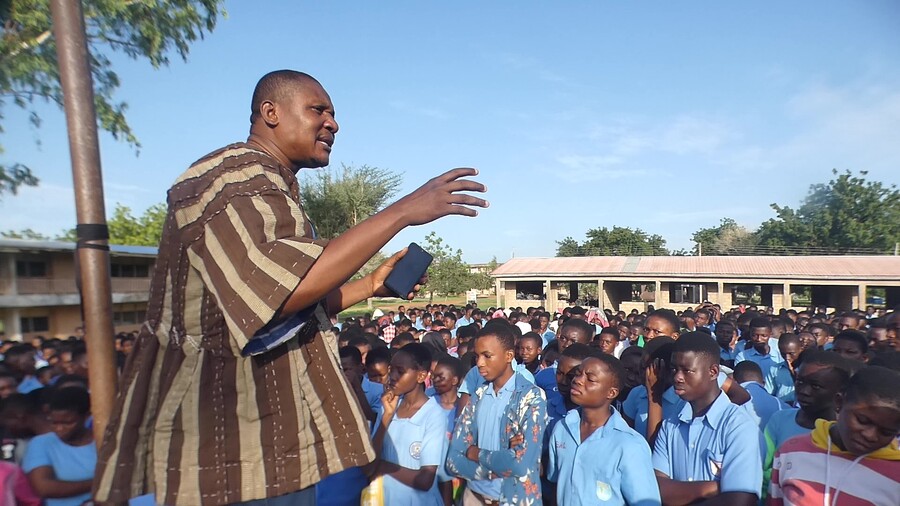

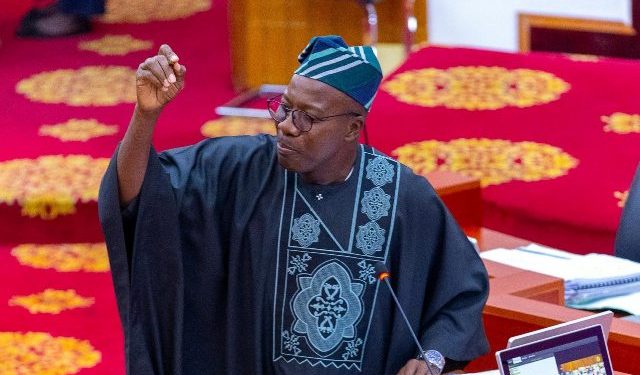
Kojo Oppong Nkrumah, the Member of Parliament for Ofoase-Ayirebi and former Information Minister, recently spoke out against what he describes as a worrying trend of political intimidation in Ghana.
According to him, the current National Democratic Congress (NDC) administration is using arrests and detentions to silence critics, particularly those who express dissent on social media.
In a candid conversation with the media in 2026, Oppong Nkrumah painted a troubling picture of life for opposition supporters under the present government. “Over sixteen NPP persons have been arrested for simply making comments on social media or posting things on social media that the government finds unpalatable,” he revealed. The MP claimed these arrests began shortly after the NDC assumed office and have continued, targeting more than sixteen members of the opposition New Patriotic Party (NPP).
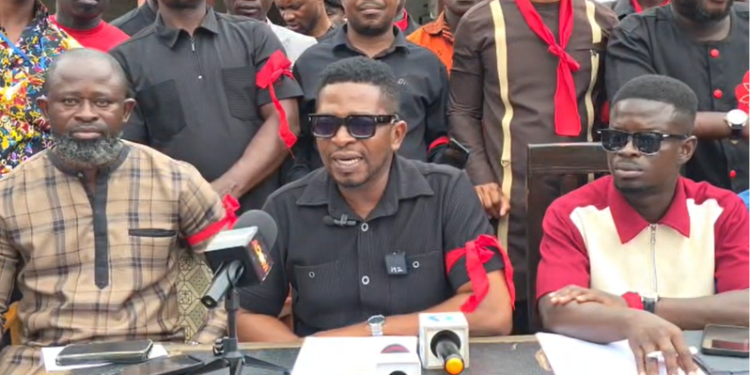
His comments were made against the backdrop of the ongoing detention of Kwame Baffoe, widely known as Abronye DC, who serves as the NPP’s Bono Regional Chairman. According to Oppong Nkrumah, Abronye’s situation is especially grave. He recounted how Abronye was arrested, denied bail, and has now been detained for several days, with his lawyers, family, and political associates unable to see him since his arrest the previous week.
Oppong Nkrumah did not mince words in his criticism of the government’s actions. “The government is using arrest, detention, remand as a tool to suppress voices that they do not feel comfortable with,” he alleged. He argued that these tactics are designed not only to punish critics but also to send a message to others who might consider speaking out. “The whole idea is to intimidate people and ensure that everybody keeps quiet when they are failing on delivering on the promises they made to the Ghanaian people.”
Despite these challenges, Oppong Nkrumah made it clear that the opposition will not be cowed. He assured that the NPP would continue to protest the arrests both in public and in the courts, vowing, “We will use the platforms of public advocacy to call that out as well while we do what is necessary through the judicial system.”
The story he tells is one of a political climate where fear and silence are tools of governance, but also one where the fight for freedom of expression and justice continues.
Source: Apexnewsgh.com