






The Commission on Human Rights and Administrative Justice (CHRAJ) is grappling with a soaring workload, receiving approximately 10,000 complaints each year, a volume that is straining its capacity to investigate and resolve cases efficiently.
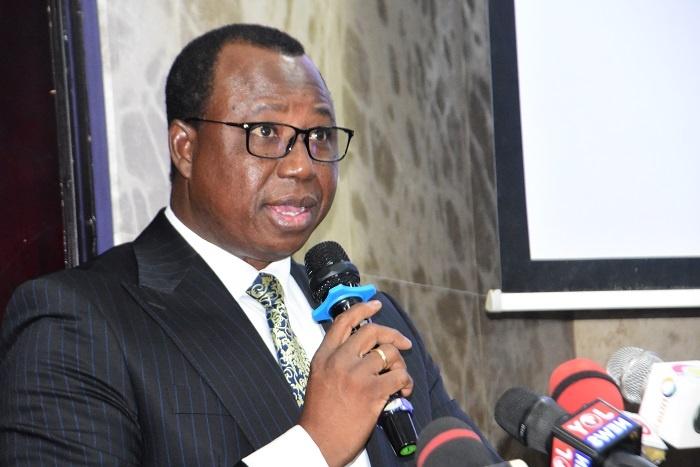
This revelation came from Dr. Joseph Akanjolenur Whittal, Commissioner of CHRAJ, during a recent media engagement organized by the Media Foundation for West Africa (MFWA) in partnership with CHRAJ, Transparency International Ghana, and the National Commission for Civic Education (NCCE). The event, themed “Restoring Citizens’ Trust in the Fight Against Corruption in Ghana: The Role of the Media,” brought together key stakeholders to discuss the challenges facing Ghana’s anti-corruption drive.
Dr. Whittal explained that the Commission’s investigative teams are stretched thin, not only because of the sheer number of complaints, but also due to the complexity and geographic spread of the cases. “The complaints that come are not small complaints,” he said. “Your staff must move all over the place to gather evidence. If I don’t have money to give to my investigators to go and carry out investigations, some complaints will certainly suffer.”
He noted that financial constraints frequently delay the completion of investigations and the publication of reports. The limited resources, when paired with the volume of work, often force CHRAJ to make difficult choices about which cases to prioritize.
Dr. Whittal used the forum to urge the media to play a more active role in the anti-corruption fight, encouraging journalists to follow corruption stories beyond the initial headlines and pursue them through to their conclusion. He also called on reporters to focus on the facts of each case, rather than the identities or political affiliations of those involved. “Every case must be treated with scrutiny and importance,” he stressed.
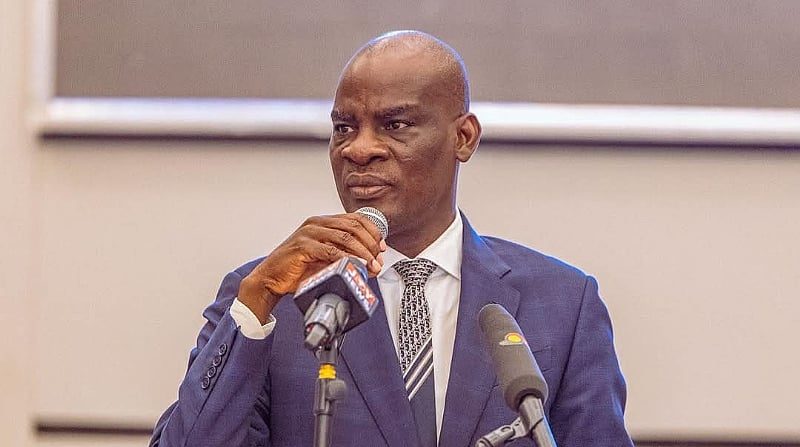
Also addressing the audience, Mr. Sulemana Braimah, Executive Director of the MFWA, highlighted the powerful role of public perception in the fight against corruption. “Perceptions shape behavior. When citizens lose trust in institutions, they become less likely to report corruption and support accountability efforts or believe that change is possible,” he observed. “That is a challenge we must all confront because that is perhaps our reality today.”
The event also included a passing-out ceremony for graduates of the Next Generation Investigative Journalism (NGIJ) Fellowship, a three-month training programme aimed at strengthening the skills of early and mid-career journalists from across West Africa.
As CHRAJ and its partners continue their work, the message from the forum was clear: restoring public trust and effectively fighting corruption will require both adequate resources and a renewed commitment from the media and the public at large.
Source: Apexnewsgh.com