
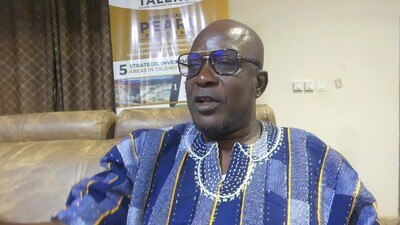

The Upper East Regional Chairman of the Ghana Journalists Association (GJA), Mr. Albert Sore, has challenged journalists to look beyond headline-making agricultural crises and investigate the less visible problems that continue to undermine farmers’ livelihoods.
Mr. Sore said Striga was one such challenge that had affected farmers for years but had not received the level of sustained media attention that issues such as floods, drought and rising food prices often attract.
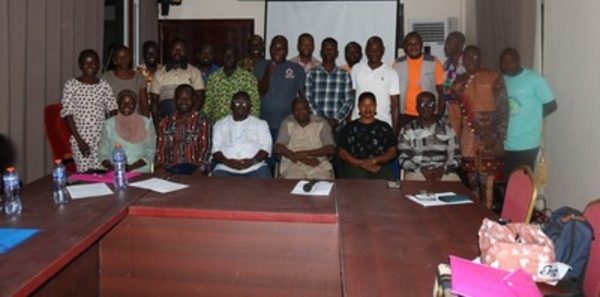
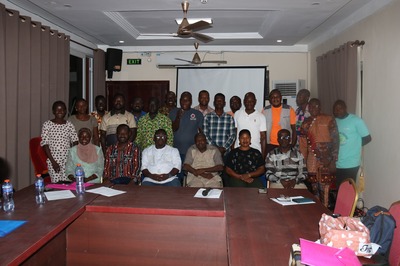
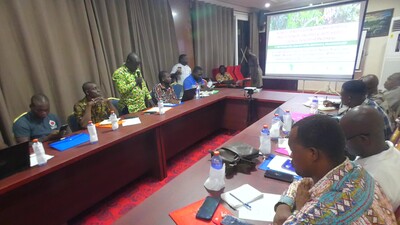
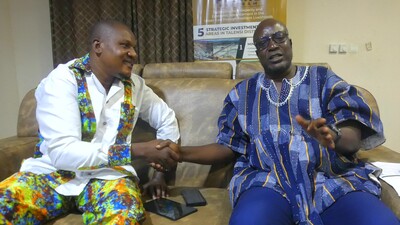
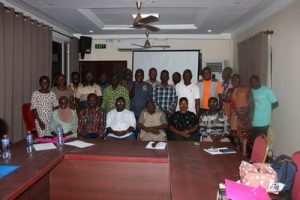
He made the remarks on Thursday, September 17, 2026, at the Blue Sky Hotel in Zuarungu, Bolgatanga East, during a day’s sensitisation forum for media practitioners on Striga control in Northern Ghana.
The engagement brought together journalists, FONAR and officials from the Ministry of Food and Agriculture to deepen media understanding of the parasitic weed and its implications for farmers.
Mr. Sore said journalists could play an important role in ensuring that technical knowledge about Striga reached farming communities and the wider public.
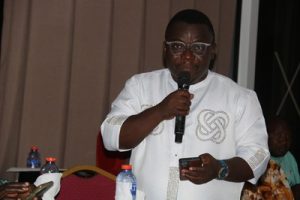
He admitted that many media practitioners might not yet have a full understanding of the weed, including why it persists, how it damages crops and what farmers can realistically do to control it.
He therefore urged journalists to use the forum to engage experts critically and ask the difficult questions that farmers themselves would want answered.
He particularly encouraged participants to use the field visit to understand the lived experiences of farmers, including the length of time they had battled Striga, the costs involved, the methods they had attempted and the support they needed.
According to him, such firsthand accounts would enable journalists to produce stories that went beyond simply describing the existence of the problem.
Mr. Sore argued that agriculture deserved consistent media attention because several challenges affecting food production develop gradually and may remain unnoticed until their effects become severe.
He urged journalists to continuously follow agricultural interventions and hold discussions on whether such interventions were producing the desired results.
At the same time, he cautioned media practitioners to maintain professional standards by relying on verified facts and avoiding sensational reporting, particularly when dealing with technical agricultural matters.
He said farmers needed accurate, balanced and consistent reporting that could help inform policymakers, development partners and the public.
Mr. Sore stressed that the sensitisation programme should not end with the day’s activities.
He called on individual journalists and media houses to continue returning to the Striga story, investigate interventions being implemented and report on both progress and outstanding challenges.
He commended FONAR and MoFA for recognising the media as an important partner and expressed the hope that the engagement would lead to stronger collaboration between the GJA, FONAR, MoFA and other stakeholders in addressing agricultural challenges in Northern Ghana.
He concluded by urging journalists to make the most of the engagement and use the knowledge gained to tell farmers’ stories accurately, responsibly and meaningfully.
Source: Apexnewsgh.com/Ngamegbulam Chidozie Stephen