
On Wednesday, March 25, 2026, the United Nations General Assembly adopted a landmark reparations resolution, one that Ghana had championed, and in doing so, opened a new chapter in the long and unfinished conversation about justice for the transatlantic slave trade.
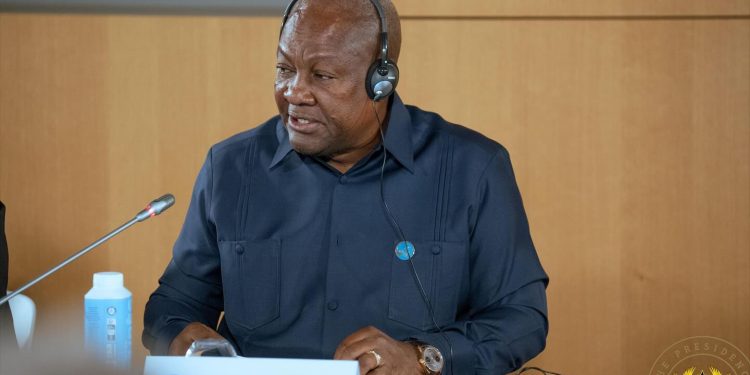
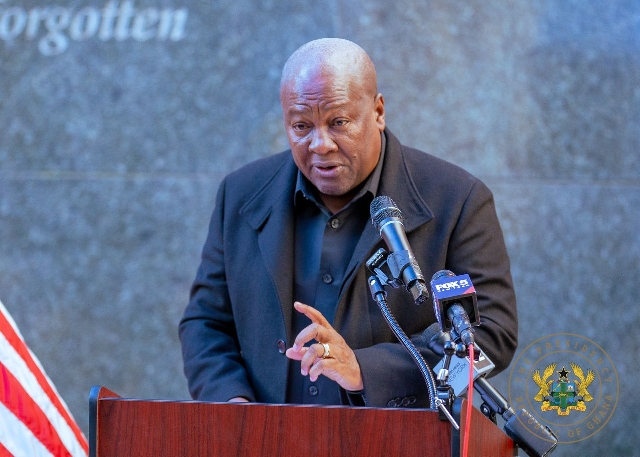
President John Dramani Mahama did not mince words about what the moment meant. Writing on X the following day, he described himself as “overjoyed”, a word that captured not just personal satisfaction, but the weight of history finally being acknowledged on the world’s most prominent multilateral stage.
“I am overjoyed by the adoption by the UN General Assembly of the resolution declaring the trafficking of enslaved Africans and racialised chattel enslavement of Africans as the gravest crime against humanity,” the President wrote.
The resolution, which secured 123 votes in favour, calls for renewed global commitment to reparative justice for African countries and descendants of enslaved people. It urges member states to engage in structured dialogue and take concrete, measurable steps to address the deep and lasting social, economic, and cultural wounds inflicted by slavery, wounds that, for many communities, have never fully healed.
The vote was not without opposition. The United States, Argentina, and Israel voted against the resolution, while 52 countries chose to abstain. Washington, in particular, described the motion as “highly problematic,” acknowledging the historical reality of slavery but raising questions about who the intended beneficiaries of reparations should be. Fifty-two countries abstained, reflecting the complexity and sensitivity that still surrounds this conversation on the global stage.
Yet the numbers told a story of their own. With 123 nations voting in favour, the resolution passed with a clear and commanding majority, a signal that the international community’s appetite for reparative justice is growing, not fading.
For President Mahama, the outcome was the fruit of determined international cooperation. He credited the African Union, CARICOM, and a coalition of committed partners whose collective effort transformed what began as a proposal into a binding resolution of the world’s foremost international body.
The President framed the resolution as far more than a diplomatic achievement; it is, in his view, an act of moral recognition. It honours the millions of Africans who were stolen from their homelands, stripped of their humanity, and subjected to one of history’s most brutal systems of exploitation. And it places that recognition not in the margins of history, but at the centre of international law and conscience.
Drawing on the enduring words of Toussaint Louverture, the Haitian revolutionary who himself became a symbol of resistance against slavery and oppression, President Mahama underscored the principle that has driven this effort from the beginning.
“The greatest weapon against oppression is unity,” he referenced — a reminder that the resolution’s passage was itself a product of that unity, and that the work ahead demands even more of it.
Because for Mahama, the vote is not the destination. It is a beginning. He called on nations across the world to sustain the momentum, to stand in solidarity, and to commit to the deeper, harder work of restoration.
“We must stand united in seeking the restoration of the humanity and dignity of our forebears who were enslaved and sold,” he urged.
In the halls of the United Nations, history was made. But in the words of Ghana’s President, the truest measure of this moment will be what the world chooses to do next.
Source: Apexnewsgh.com