





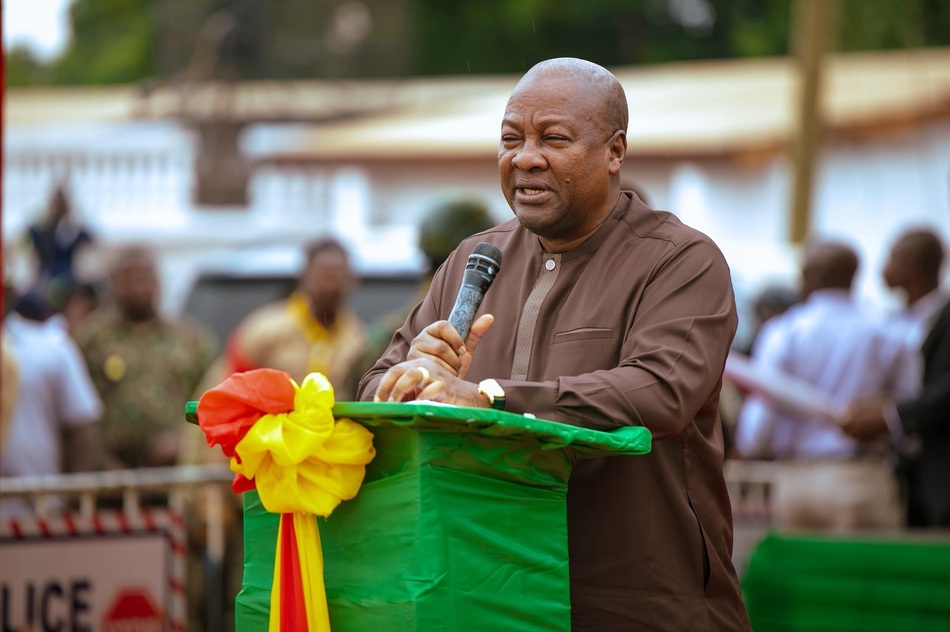
The hallowed halls of the Bank of Ghana this week became the stage for a critical national dialogue, one that pit urgent economic revival against the specter of returning inflation. The occasion was a high-profile courtesy visit by the Asantehene, Otumfuo Osei Tutu II, but the conversation swiftly turned from ceremony to substance.
With the gravity of his office and the voice of a nation’s entrepreneurs, the revered monarch issued a direct and powerful plea to Governor Dr. Johnson Asiama: lower the cost of borrowing, and do it now.
“The private sector is gasping for breath,” his message resonated, cutting to the heart of the nation’s economic tightrope. “Let me be as blunt as I can: no amount of investment by government can give us a sound economy. This moment calls for a private push.”
He challenged the central bank to engineer a fundamental shift: “Move the economy from the crippling high interest rate regime to a level where it becomes a stimulant of business and job creation.” For the countless small and medium-sized enterprises (SMEs), this was a long-awaited royal endorsement of their daily struggle.
Governor Asiama, custodian of the nation’s price stability, received the call with measured understanding. He stood on a platform of hard-won gains, a historic drop in inflation to 5.4%, robust international reserves soaring above $13.8 billion, and money market yields in retreat. The 91-day Treasury bill rate had already fallen from 13.4% to 10.3% in a single month.
“My prayer and wish,” the Governor shared, revealing a personal ambition aligned with the nation’s need, “is that by the end of my four-year tenure, lending rates will not be more than 10 per cent.”
Yet, between that wish and the Asantehene’s demand lies a perilous path. The cautionary voice of global consultancy Deloitte echoed in the background of their discussion. While acknowledging the BoG’s successful 10-percentage-point rate cut in 2025, which stabilized the cedi and contained prices, Deloitte warned that excessive easing in 2026 could undo that very progress. “Excessive easing could risk reversing the progress made in controlling inflation,” their analysis stated, a stark reminder of the balancing act.
Early signs in 2026 offer a glimmer of hope. The key Ghana Reference Rate has dipped slightly, and average bank lending rates have begun a slow descent from 26.6% to 24.2%. They are movements in the right direction, but for the Asantehene and the business community, they are mere footsteps on a journey that requires leaps.
As the meeting concluded, the central challenge for 2026 was crystallized. The Bank of Ghana must now choreograph a delicate dance: unlocking the credit needed to fuel a private-sector-led recovery, without missing a step and reigniting the inflationary fires it just spent a year extinguishing. The trajectory of interest rates is no longer just a monetary policy metric; it is the defining economic story for the year ahead.
Source: Apexnewsgh.com