

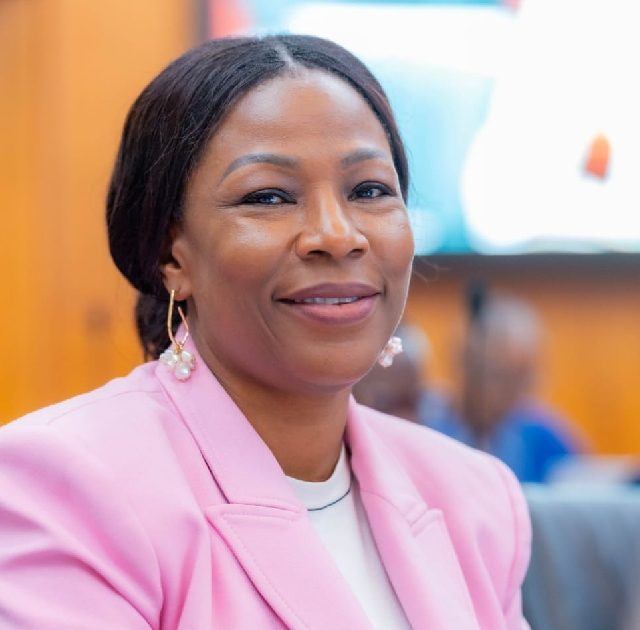
Parliamentarians Clash Over President Mahama’s State of the Nation Address
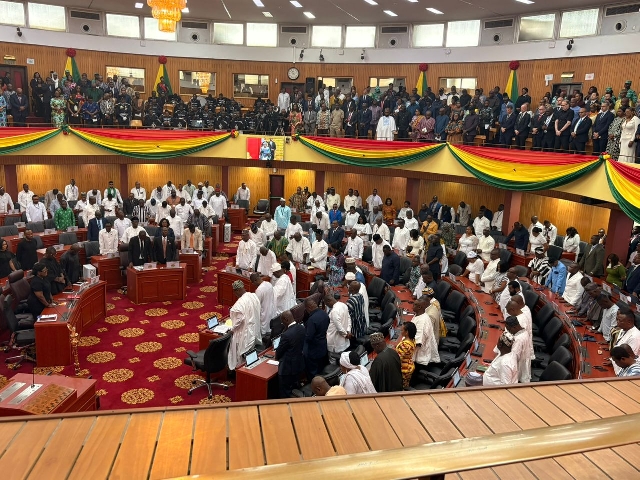
Friday’s State of the Nation Address by President John Dramani Mahama set the stage for an intense debate in Ghana’s Parliament, as lawmakers from both sides of the aisle offered sharply contrasting reactions. In the corridors of Parliament, Felix Ofosu Kwakye, Minister of State in charge of Government Communications, spoke with enthusiasm to the Class Media Group. He praised the administration’s achievements, citing what he described as clear progress in stabilising the economy under President Mahama’s leadership. Mr. Ofosu Kwakye highlighted a reported 2.1 percent reduction in Ghana’s debt stock, a firmer cedi, and easing inflation. “All those indicators have changed. The country’s debts have reduced by 2.1 percent, and the cedi exchange rate is more stable. Prices are falling,” he asserted, crediting sound policies and prudent management for these advances. He also drew attention to government investments in education, insisting such interventions are making a real difference in the lives of ordinary Ghanaians. Yet not all were convinced. From the opposition benches, Akuapim North MP Sammy Awuku offered a starkly different perspective. In his remarks, Mr. Awuku dismissed the President’s address as a list of unfulfilled promises and missed targets. He questioned the gap between government assurances and everyday experiences, pointing to a recent hike in electricity tariffs as evidence that citizens are not feeling the relief promised by the administration. “Households and businesses continue to face rising costs,” he lamented. Mr. Awuku further challenged the government’s track record, claiming that only 38 percent of stated commitments have been honoured. He criticised the lack of concrete updates on major initiatives, such as the construction of fish landing sites meant to bolster coastal communities. Doubts were also cast on the government’s reported creation of one million jobs, with Mr. Awuku demanding credible data to support the claim and warning that youth unemployment remains an urgent issue. He called for greater transparency and accountability, urging the Mahama administration to deliver measurable outcomes and clear timelines for progress, rather than relying on repeated assurances. As the dust settles on President Mahama’s latest address, the divide in Parliament highlights the ongoing contest over Ghana’s economic direction and the lived realities of its citizens. Source: Apexnewsgh.com
NDC Baba Jamal Poised for Landslide Victory in Ayawaso East By-Election, Poll Shows
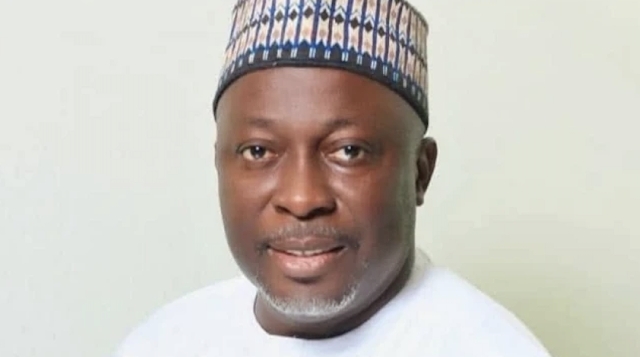
As Ayawaso East prepares for a crucial by-election on Tuesday, March 3, 2026, a wave of anticipation has swept across the constituency. The contest, triggered by the recent passing of MP Mahama Naser Toure, is already shaping up to be a decisive moment for the National Democratic Congress (NDC). According to a fresh opinion poll by Global InfoAnalytics, NDC parliamentary hopeful Baba Jamal stands out as the clear frontrunner. The survey, conducted between February 28 and March 1 among 972 registered voters, reveals Jamal’s commanding lead: he is projected to claim 75 percent of the vote, leaving his nearest competitor, Baba Ali of the New Patriotic Party (NPP), far behind with 21 percent. Independent candidate Umaru Sanda Muhammed, once a member of the NDC, is forecast to garner about 3 percent of the votes. Other aspirants, Ibrahim Iddrisu and David, are expected to record less than one percent each, according to the poll. The by-election was necessitated by the passing of Mahama Naser Toure in January, who died while receiving treatment at the Korle Bu Teaching Hospital. His absence has set the stage for a new chapter in Ayawaso East’s political story, with voters now weighing their options ahead of the polls. With less than a day to go, the numbers suggest Baba Jamal is on course for a sweeping victory, barring any late surprises at the ballot box. Source: Apexnewsgh.com
Databank Research Projects Relative Stability for Cedi in 2026
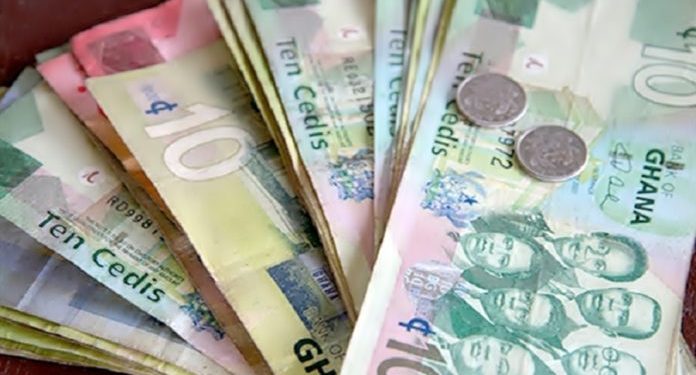
The analysts at Databank Research gathered around their screens, scrutinizing the prospects for Ghana’s currency in the year ahead. Their 2026 Economic Outlook painted a cautiously optimistic picture: the cedi, they projected, would remain relatively stable, ending the year at around GH¢12.85 to the US dollar with a modest depreciation of 7.20 per cent, provided no major shocks rattled the system. Their forecast was underpinned by a careful analysis of expected demand pressures, including the needs of bulk importers, looming energy payments, and upcoming Eurobond obligations. But it was also anchored in hope, a conservative estimate of monthly inflows of about GH¢750 million from GOLDBOD, coupled with reforms in the small-scale mining sector. These gold-backed inflows, the team believed, would give the Bank of Ghana extra firepower to manage expectations and smooth out volatility in the foreign exchange market. Yet, the story didn’t end with Ghana’s internal dynamics. The outlook was buoyed by continued support from international partners such as the International Monetary Fund and the World Bank, which Databank saw as crucial for maintaining external confidence. As the analysts dug deeper, they noticed a subtle but significant shift on the global stage. Some central banks, led by China, were gradually reducing their reliance on the US dollar, turning instead to gold. The report highlighted ongoing debates about reclassifying gold from a Tier 1 asset to a High-Quality Liquid Asset (HQLA), a move that could allow gold to serve as collateral in global financing transactions. While such deliberations, especially within the BRICS bloc, remained tentative due to concerns about volatility and trust, the potential implications were profound. A structural shift in reserve management could reduce the dollar’s dominance and indirectly improve the cedi’s stability by bolstering Ghana’s gold reserves. For now, though, Databank’s researchers were measured in their optimism. Excluding this low-probability scenario, they maintained a neutral-to-positive stance, noting that tighter regulations and healthy reserves should be enough to withstand moderate pressures. As 2026 approached, the cedi’s story seemed to be one of resilience, shaped by both domestic reforms and winds of change in the global financial system. Source: Apexnewsgh.com
MTN Ghana pays over GHS10bn in taxes as profit surges 56%

MTN Ghana paid GHS10.5 billion in direct and indirect taxes to the government in 2025, up from GHS8.6 billion in 2024, as the telecom giant delivered strong earnings growth and increased shareholder returns. According to its audited 2025 full-year results released by Scancom PLC (MTN Ghana), profit after tax rose by 55.9 percent to GHS7.8 billion, compared to GHS5.03 billion the previous year. Earnings per share also climbed 55.9 percent to GHS0.5923. Service revenue increased by 36.2 percent to GHS24.4 billion, driven largely by growth in data and Mobile Money services. Earnings Before Interest, Taxes, Depreciation, and Amortization (EBITDA) rose by 43.5 percent to GHS14.7 billion, lifting the EBITDA margin to 60.1 percent, up three percentage points year-on-year. Data revenue expanded strongly during the year, while active Mobile Money users increased by 12.3 percent to 19.3 million. Total mobile subscribers grew by 9.2 percent to 31.2 million, reflecting continued demand for connectivity and digital financial services. The company invested GHS6.4 billion in capital expenditure during the year, including GHS4.6 billion in ex-lease capex – to expand network coverage, enhance capacity, and modernise IT systems. On shareholder returns, the Board has recommended a final dividend of GHS0.40 per share, up from GHS0.24 in 2024, subject to approval at the Annual General Meeting. The dividend is scheduled for payment in April 2026. Looking ahead, MTN Ghana says it expects Ghana’s improving macroeconomic environment to support further growth in 2026. The company is maintaining its medium-term service revenue growth guidance in the mid-to-upper thirties percent range and anticipates EBITDA margins in the mid-to-upper fifties percent, while sustaining a dividend payout ratio of 60 to 80 percent, subject to operating conditions. Source: Apexnewsgh.com
Ghana Braces for Price Surge as Global Oil Markets React to Strait of Hormuz Attacks

As dawn broke over Accra, motorists queued anxiously at fuel stations, their eyes glued to radio updates about distant events in the Middle East. News had quickly spread across Ghana: global oil prices were surging again, threatening to drive up the cost of petrol and, in turn, nearly every commodity in the market. The root of the turmoil lay thousands of miles away, near the narrow Strait of Hormuz, a vital maritime passage that ferries nearly 20% of the world’s oil. Over the weekend, this lifeline had become a battleground. Reports from the UK Maritime Trade Operations (UKMTO) spoke of three commercial ships attacked near the strait. Two vessels were struck by mysterious projectiles, igniting fires onboard, and another explosion narrowly missed a third ship. Thankfully, all crew members survived unscathed. The attacks came amid a fresh escalation in Middle Eastern tensions. Iran, responding to ongoing US and Israeli military actions, intensified its strikes across the region. The Iranian authorities went further, warning vessels against passing through the strait. With fears mounting, many ships dropped anchor in safer waters, unwilling to risk passage. Shipping activity slowed, and insurance costs soared. By Monday morning in Asia, the impact was clear: oil prices had jumped more than 10% in early trading before settling down somewhat. At 02:00 GMT, Brent crude was still up over 4%, trading at $76.16 per barrel. US oil prices climbed in tandem. For Ghana, where most petroleum products are imported, the implications were immediate and serious. Energy analysts warned that a sustained price rally could mean higher pump prices, steeper transport fares, and costlier food and goods. Though world markets had yet to panic, since major oil infrastructure remained unharmed, experts cautioned that a prolonged crisis could push prices beyond $100 per barrel. OPEC+ members, led by Saudi Arabia and Russia, scrambled to calm the markets, promising to boost oil output by over 200,000 barrels per day. Yet, some experts doubted whether this would be enough if the strait stayed closed for long. Meanwhile, the situation remained tense. Iran’s Revolutionary Guards boasted of missile strikes against tankers linked to the UK and US, although the claims went unverified. The UKMTO reported a string of security incidents across the Arabian Gulf and Gulf of Oman, urging ships to proceed with caution. Satellite data painted a telling picture: more than 150 tankers now sat idle in the Gulf, their captains opting to wait out the turmoil rather than brave the dangerous waters. Analysts warned that if the strait remained closed, the shockwaves would be felt worldwide, but nowhere more keenly than in fuel-dependent economies like Ghana, where every fuel price change ripples through daily life. Source: Apexnewsgh.com
Alagumgube Endorses Mahama’s Proposed Toll System, Calls for Transparent Electronic Payment Infrastructure
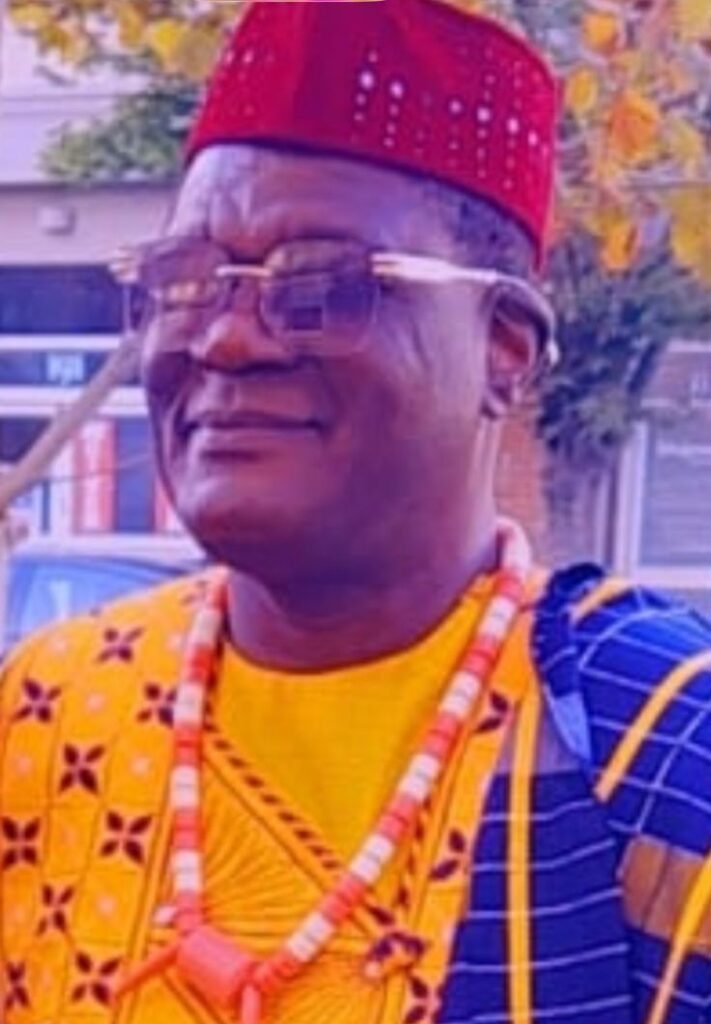
Development Association Outlines Comprehensive Vision for Road Tolls, Energy Conservation, and Accountable Governance. In a bold intervention that has sparked conversation across Ghana’s policy circles, the developmental association Alagumgube has thrown its weight behind President John Dramani Mahama’s proposal to reintroduce road tolls, while simultaneously calling for a complete overhaul of how such collections would be managed to prevent the corruption that plagued previous systems. Gabriel Agambila, founder of Alagumgube Global, has articulated a detailed vision that combines infrastructure development with technological innovation and fiscal responsibility. Speaking on behalf of the association, Agambila emphasized that while toll collection should return, it must be implemented through modern electronic systems that leave no room for revenue leakage. A Modern Vision for Road Tolls “Alagumgube fully supports His Excellency John Dramani Mahama’s thinking about reintroducing the toll system in this country,” Agambila declared. “This would go a long way in putting money back into the system to help maintain existing roads and construct new ones, which will further boost the road industry and create employment opportunities for Ghanaians.” The association’s endorsement comes at a crucial time when Ghana’s road infrastructure faces mounting maintenance challenges despite increased vehicle usage and road deterioration. Agambila noted that the previous removal of tolls, while popular with some segments of the public, has created funding gaps that leave roads in various states of disrepair across the country. However, Alagumgube’s support comes with significant caveats and recommendations designed to ensure that toll revenues serve their intended purpose rather than disappearing into private pockets as has happened with various revenue collection mechanisms in the past. The EZ-Pass Revolution At the heart of Alagumgube’s proposal is the implementation of an automated toll collection system similar to the EZ-Pass used in parts of the United States and similar electronic toll collection systems employed successfully around the world. “We are calling on the Minister for Roads and Transport and whoever is in charge of the Driver and Vehicle Licensing Authority (DVLA) to link all number plates to the credit or debit cards of vehicle owners,” Agambila explained. “This would allow funds to be directly deducted from those accounts automatically when vehicles pass through toll booths.” The proposed system would eliminate the need for physical cash transactions at toll points, significantly reducing opportunities for leakage and corruption while also improving traffic flow. Vehicles would pass through designated lanes equipped with cameras and sensors that read number plates and automatically process payments from linked accounts. Agambila stressed that this technological infrastructure must be fully operational before any toll collection begins. “If we don’t put this system in place first, we will, as usual, be putting money into the pockets of a few individuals to the detriment of the whole country. We have seen this pattern repeat itself too many times in Ghana’s history.” Accommodating International Traffic Recognizing that Ghana’s roads are used not only by locally registered vehicles but also by trucks and cars from neighboring countries, Alagumgube has proposed a practical solution for handling international traffic whose owners may not have Ghanaian bank accounts accessible to the electronic system. “We are asking that a single lane at each toll point be reserved for trucks and cars from foreign countries whose accounts might not be accessible to our system,” Agambila suggested. “This would allow for manual processing where necessary while maintaining the integrity of the electronic system for the majority of vehicles.” This accommodation demonstrates the association’s thoughtful approach to implementation challenges, acknowledging that a hybrid system may be necessary during transition periods and for specific categories of road users. Investing in Aviation Infrastructure Perhaps most notably, Alagumgube has proposed that a portion of toll revenues be directed toward specific aviation infrastructure projects, particularly in northern Ghana. The association is calling for designated funds from toll collections to be allocated to the maintenance of the Sunyani Airport and the completion of the Bolgatanga Airport. “The Bolgatanga Airport project was started by our association, and we have a vested interest in seeing it completed for the benefit of the Upper East Region and indeed all of Ghana,” Agambila stated. “Aviation infrastructure in the north has lagged behind for too long, and this represents an opportunity to address that imbalance using revenues generated from road users.” This proposal reflects Alagumgube’s broader developmental vision, which extends beyond road infrastructure to encompass comprehensive transportation networks that can stimulate economic activity across all regions of the country. Implementation Support In a gesture that underscores the association’s commitment to national development, Agambila announced that Alagumgube stands ready to assist the government in implementing these programs. “The doors of our association are open to helping implement these systems for the country. We have members with expertise in technology, infrastructure development, and public policy who are willing to contribute their time and knowledge to ensure that Ghana gets this right,” he said. This offer of technical assistance could prove valuable to government agencies that may lack the specialized knowledge required to implement sophisticated electronic toll collection systems. Addressing Energy Waste Among Appointees Beyond transportation infrastructure, Alagumgube has raised serious concerns about what it describes as wasteful energy practices among government appointees. The association has called attention to behaviors that not only waste public resources but also demonstrate a disconnect from the realities faced by ordinary Ghanaians. “Our second concern is the waste of energy by appointees who have suddenly forgotten where they came from,” Agambila observed. “These appointees leave their vehicles running for hours while they are seated at programs, as if they descended from a cold climate where this would be necessary. Some of them even have their vehicles running continuously while they are comfortably seated in their air-conditioned offices.” The association has proposed a simple solution to this unnecessary fuel consumption: better communication between appointees and their drivers. “There should be no problem texting your driver five or ten minutes before you need to depart to start the vehicle,” Agambila suggested. “This simple practice would save thousands of cedis in
Parliament Endorses Gold-Driven Reserve Policy, Building on Bawumia’s Legacy

On Thursday, February 26, the chamber of Ghana’s Parliament buzzed with anticipation as lawmakers put their stamp of approval on a transformative new economic strategy: the Ghana Accelerated National Reserve Accumulation Policy (GANRAP). This landmark policy, which draws inspiration from the G-4-R framework pioneered by former Vice President Mahamudu Bawumia, marks a pivotal shift in the nation’s approach to building foreign reserves under the current NDC government. The story of GANRAP’s approval began with Finance Minister Cassiel Ato Forson taking the floor. He presented the policy as a bold departure from the country’s long-standing habit of borrowing to shore up its reserves, an approach he criticized as unsustainable. Instead, Minister Forson outlined a future where Ghana’s abundant gold resources would be harnessed to strengthen its gross international reserves and build more robust external buffers. According to the Minister, the government has set its sights on achieving a 15-month import cover by the end of 2028. The plan: to add an average of US$9.5 billion each year to Ghana’s reserves, driven by the acquisition of approximately 3.02 tonnes of gold every week. The Ghana Gold Board (GOLDBOD) is set to play a central role, sourcing gold from small-scale miners and exercising a state pre-emptive right to claim 20 percent of output from large-scale mining firms. As Parliament debated the merits of the policy, members of the Finance and Economy Committees took time to acknowledge Dr. Bawumia’s visionary role in laying the conceptual foundation for a gold-backed reserve strategy. Many praised the focus on mobilising domestic resources and the emphasis on results-based management, core principles of the earlier G-4-R policy. The narrative of continuity was further reinforced by Deputy Finance Minister Thomas Ampem Nyarko, who openly admitted that the gold-backed reserve concept was not entirely new, but had roots in previous administrations. Lawmakers across the aisle agreed that forging ahead with this strategy was essential for macroeconomic stability and investor confidence, highlighting the importance of building on good ideas, regardless of political origin. With GANRAP now approved, Ghana embarks on a new chapter, one where gold, vision, and bipartisan collaboration converge to safeguard the nation’s economic future. Source: Apexnewsgh.com
Stanbic Bank Orchestrates Landmark USD205 Million Financing Deal for Ghana’s Largest Mining Contractor

In a significant boost for Ghana’s mining sector, Stanbic Bank Ghana Limited has led the arrangement of a USD205 million senior secured term loan and revolving credit facilities for Engineers & Planners Company Limited (E&P), the nation’s foremost indigenous mining contractor. The story behind this landmark deal is one of collaboration and strategic vision. Working alongside The Standard Bank of South Africa Limited, Stanbic structured a robust financing package tailored to support E&P’s long-term partnership with Gold Fields Ghana Limited, set to span the next five years. This funding is poised to not only power mining operations but also reinforce local expertise and capacity, a cornerstone for Ghana’s sustained economic growth. The transaction drew further confidence and credibility from the involvement of Ecobank Ghana PLC and Absa Bank Ghana LTD, both joining as lending partners. Their participation speaks volumes about the trust placed in E&P’s operational excellence and the overall strength of the deal. This is far from the first chapter in the relationship between Stanbic Bank Ghana and Engineers & Planners. For over twenty years, the bank has stood by E&P, having arranged more than USD450 million in financing to fuel the company’s expansion and operational ambitions. With this latest transaction, Stanbic Bank reaffirms its unwavering support for homegrown enterprises that meet and exceed international benchmarks. The impact is expected to ripple beyond E&P, contributing to job creation, the growth of supporting industries, and the broader agenda of sustainable economic development in Ghana. Source: Apexnewsgh.com
Minister Muntaka Champions Digital Reforms After Tragic Lapses
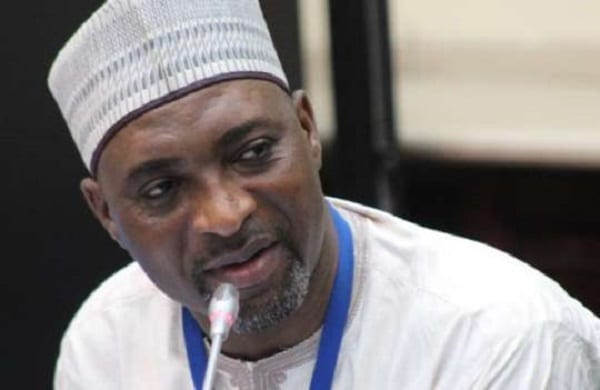
It was a somber day in Parliament as the Minister for the Interior, Mohammed Mubarak Muntaka, shared a story that cast a long shadow over the legacy of the previous administration. He recounted how recruitment into the nation’s security services, under the leadership of Nana Addo and Dr. Bawuia, had been riddled with serious lapses. These oversights, the Minister revealed, had tragic consequences: some recruits lost their lives during training. “Investigations brought to light a heartbreaking truth,” Muntaka told the house, his voice heavy with the weight of lost potential. “Many of those young men and women who perished had underlying medical conditions, such as diabetes, that were never detected during the recruitment process.” Determined to ensure that such tragedies would never be repeated, the Ministry, under the reform agenda of President John Dramani Mahama, set out to change the story. As Minister Muntaka explained, a new chapter began with the introduction of an online aptitude testing system for all security services applicants. This digital solution, he said, was specifically designed to remove human interference, long seen as a breeding ground for corruption and compromised standards. With the new platform, transparency and fairness have become the cornerstones of recruitment. The Minister emphasized that only candidates who truly meet the requirements would advance to the next stages, including a thorough medical screening that leaves no room for oversight. But change seldom comes without resistance. During the session, Minority Leader Alexander Afenyo-Markin expressed concerns about potential challenges posed by the new online system. In response, Minister Muntaka stood firm, defending the reforms as essential steps toward restoring public confidence in the recruitment process. He assured his colleagues that the Ministry was committed not just to implementing these changes, but also to continually refining the system to overcome any operational hurdles, always with a steadfast commitment to merit-based recruitment. Thus, a new era is being written for the nation’s security services, one where integrity, competence, and the safety of recruits come first. Source: Apexnewsgh.com
Ghana Pays a Heavy Price for Poor Sanitation: Over GHS 6.2 Billion Lost Each Year

In Accra, decision-makers from all walks of Ghanaian life gathered for a crucial meeting. The stakes were high: a new study from the Institute of Statistical, Social and Economic Research at the University of Ghana revealed a startling truth, Ghana was losing more than GHS 6.2 billion every year because of diseases born from poor waste management and sanitation. The room was filled with policymakers, Members of Parliament, local authorities, development partners, and private sector leaders. They had all come to hear Professors Peter Quartey and Dr. Kwame Adjei-Mantey unveil findings from their research, “An Economic Analysis of the Benefits of Adequate Investment in Waste Management and Sanitation in Ghana.” The numbers they shared painted a sobering picture: five diseases, malaria, cholera, pneumonia, typhoid, and diarrhea, were costing the nation nearly 31.9 million lost workdays each year, and an estimated 177,222 lives. The economic toll was enormous. The researchers calculated direct medical costs at about GHS 5.8 billion a year, with another GHS 650 million lost due to reduced productivity. Despite these losses, Ghana was spending only about GHS 38 for each tonne of waste collected—a modest sum compared to the scale of the problem. The study’s cost-benefit models revealed that every GHS 1 invested in waste management under current conditions generated GHS 180 in returns. Yet, if Ghana could boost its investment to around GHS 1,028 per tonne, matching other lower-middle-income countries, the returns could soar to GHS 556 for every cedi spent. The total national benefits could reach GHS 58 billion in 2025 and rise to GHS 67.2 billion by 2032, driven by fewer diseases, deaths, and workdays lost. As the story continued, the researchers faced probing questions from the audience. How much of the disease burden was truly linked to waste? The research team explained that their estimates relied on global health data and assumed about 45 percent of the targeted diseases were due to waste exposure. Some wondered if the ambitious investment scenario could work in rural and slum communities where waste collection was a challenge. Professor Quartey acknowledged these complexities, suggesting that flexible, community-based solutions would be needed instead of a one-size-fits-all approach. The session ended with a call to action. Professor Quartey urged the government to stop treating sanitation as a leftover item on the budget and instead see it as a powerful investment for Ghana’s future. The research team concluded that Ghana’s annual losses from poor sanitation far outweigh what the country currently spends. They called for more investment, targeted support for high-risk areas, and stronger data systems, so that, one day, stories of loss could become stories of progress. Source: Apexnewsgh.com