
Saudi Pro League Asserts Independence Amid Doubts Over Cristiano Ronaldo’s Al-Nassr Future
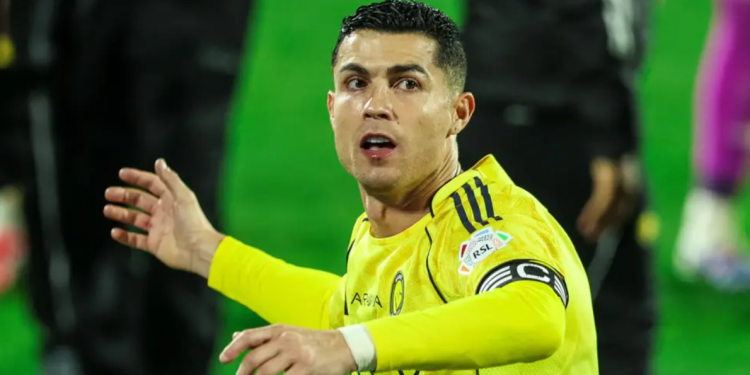
The Saudi Pro League has issued a clear message about the independence of its clubs as speculation swirls around Cristiano Ronaldo’s future at Al-Nassr. The league’s statement follows mounting reports of Ronaldo’s dissatisfaction, highlighted by his absence from Al-Nassr’s squad for Monday’s league fixture against Al-Riyadh. Portuguese media reported that the 41-year-old forward refused to play, citing frustrations with club management under the Saudi Public Investment Fund (PIF). Sources close to BBC Sport suggest that the recent transfer of Ronaldo’s former Real Madrid teammate, Karim Benzema, to league leaders Al-Hilal has intensified the Portuguese star’s discontent. Benzema, 38, made headlines with a hat-trick on his Al-Hilal debut, strengthening the club’s title bid and spotlighting the competitive rivalry at the top of Saudi football. Both Al-Nassr and Al-Hilal, the nation’s most decorated club, are owned by the PIF, which also controls English Premier League side Newcastle United. Despite Ronaldo’s social media post showing him back in training, uncertainty lingers over his involvement in the upcoming clash against Al-Ittihad. In a statement to BBC Sport, a Saudi Pro League spokesperson reaffirmed the league’s structure: “Every club operates independently under the same rules. Boards, executives, and football leadership make decisions on recruitment, spending, and strategy within a financial framework designed for sustainability and balance. That framework applies equally across the league.” The spokesperson acknowledged Ronaldo’s impact since joining Al-Nassr in 2022, where he became football’s highest-paid player with an annual salary of £177 million. Despite that status, the league emphasized, “no individual – however significant – determines decisions beyond their own club.” The league’s recent transfer activity, including Al-Hilal’s move for Benzema and Al-Nassr’s signing of Iraq U23 midfielder Hayder Abdulkareem, underscores club autonomy. The title race remains fierce, with Al-Hilal unbeaten atop the table and Al-Nassr close behind. “The competitiveness of the league speaks for itself,” the spokesperson added. “With only a few points separating the top four, the title race is very much alive. The focus remains on the pitch and on maintaining a credible, competitive competition for players and fans.” Ronaldo, who renewed his contract with Al-Nassr in June 2025, has so far collected just the Arab Club Champions Cup with the team. Rumors of a possible move to Al-Hilal had circulated before his contract extension, but for now, his future in Saudi football remains an open question—one that will be decided, the league insists, by club leadership, not superstar power. Source: Apexnewsgh.com
President Mahama Confirms Ghana on Track to Complete IMF Programme by April 2026
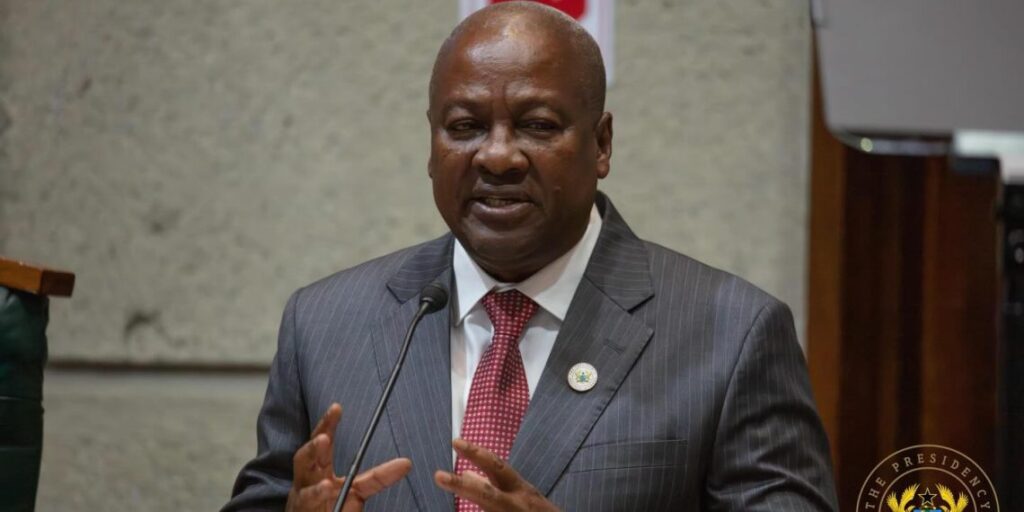
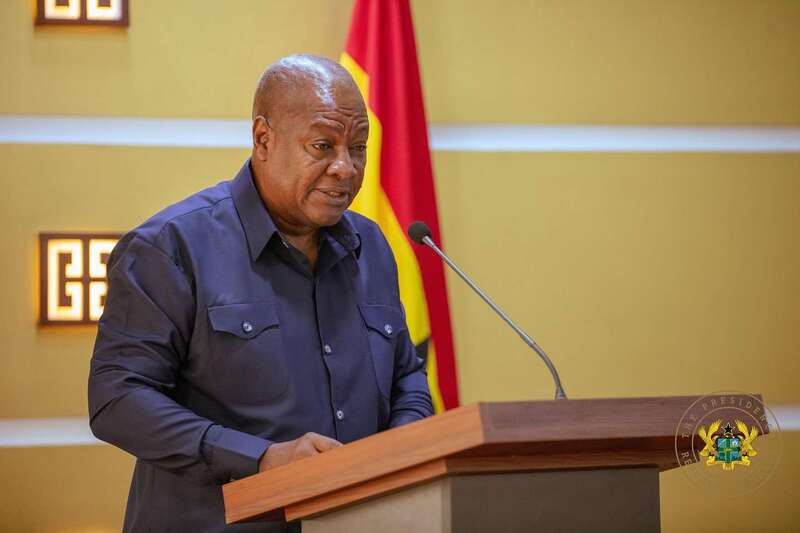
At the Ghana–Zambia Business Dialogue in Lusaka on Friday, February 6, President John Dramani Mahama reassured business leaders and investors that Ghana is firmly on course to complete its International Monetary Fund (IMF) programme by April 2026. Citing recent improvements in key economic indicators, Mahama pointed to easing inflation, robust foreign reserves, and renewed investor confidence as evidence of the country’s fiscal turnaround. He attributed these gains to a series of fiscal reforms undertaken by his administration, which have helped stabilise the economy and set the stage for future growth. “These gains provide a solid foundation for Ghana’s development agenda,” Mahama explained, outlining the government’s focus on five strategic pillars: industrialisation and value addition; export-led growth; modern infrastructure development; strong support for micro, small, and medium enterprises (MSMEs), women, and youth entrepreneurs; and a predictable, transparent, investor-friendly business environment. President Mahama emphasised that a stabilised economy will enable Ghana to take full advantage of opportunities presented by the African Continental Free Trade Area (AfCFTA), expanding trade and investment across the continent. He concluded by expressing confidence that with continued discipline and reforms, Ghana will achieve sustainable growth and prosperity. Source: Apexnewsgh.com
Ghana Tourism Authority Clarifies Service Charges in Talks with Restaurant Operators
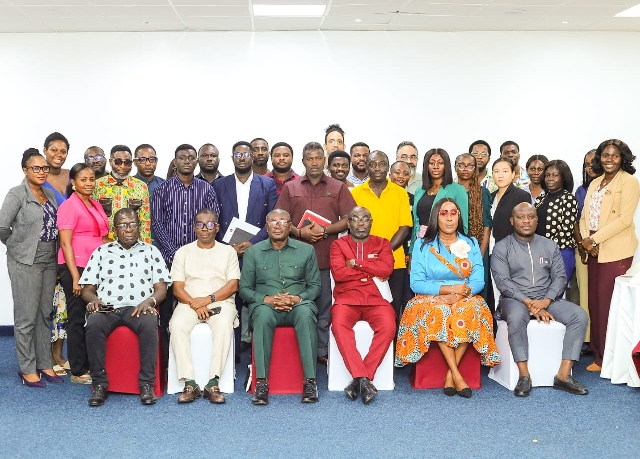
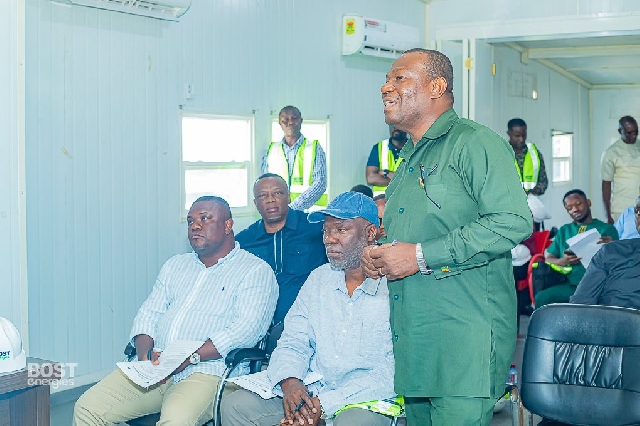
In a bid to enhance transparency and uphold consumer trust, the Ghana Tourism Authority (GTA) recently convened a meeting with restaurant and catering operators to clarify the distinction between customer service charges and statutory taxes under Ghanaian law. Deputy CEO of GTA, Ekow Sampson, led the session, stressing the Authority’s commitment to promoting sustainable tourism and ensuring strict compliance with statutory levies such as VAT, National Health Insurance (NHI), GETFund, and the Tourism Levy. Mr. Sampson explained that while taxes are legal requirements collected by the government, service charges are at the discretion of individual businesses. “Service charges are commercial and discretionary practices of the business itself, not legal levies collected on behalf of the government,” he noted, urging operators not to confuse or conflate these charges with statutory taxes. He further reminded businesses of their legal obligation to be transparent with customers about all taxes and charges at the point of purchase. Any failure to comply, he warned, could damage Ghana’s tourism image and erode consumer confidence. The meeting fostered dialogue between the GTA and hospitality operators, encouraging greater compliance with tax laws and transparent communication regarding pricing. The GTA reaffirmed its commitment to supporting a fair, reputable tourism sector, one that balances business interests with the need to strengthen Ghana’s tourism brand on the global stage. Source: Apexnewsgh.com
Stability and Confidence: How Dr. Johnson Asiama’s Leadership at Bank of Ghana Transformed the Cedi’s Fortunes
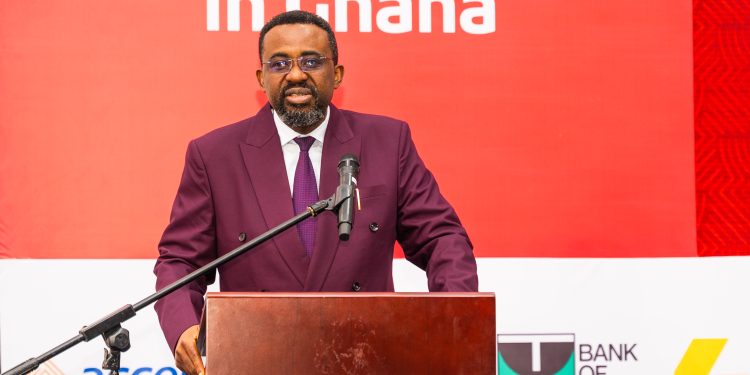
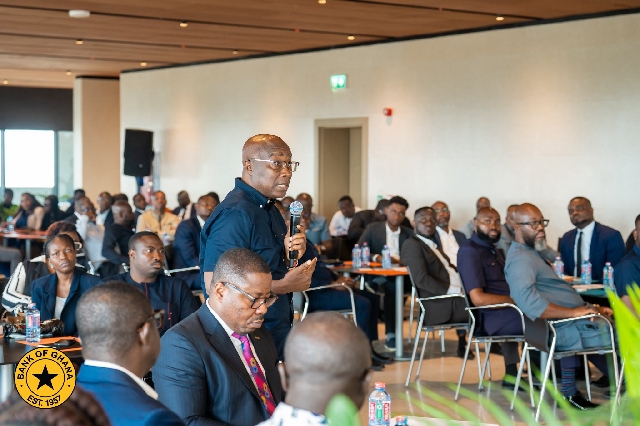
Under the stewardship of Dr. Johnson Pandit Asiama, the Bank of Ghana (BoG) has ushered in a period of remarkable macroeconomic stability and currency strength, setting a new tone for Ghana’s economic prospects. Business leaders, analysts, and citizens alike have witnessed a transformation that has not only restored faith in the Ghana cedi but has also bolstered investor confidence and laid a foundation for sustainable growth. One of the most compelling narratives to emerge during Dr. Asiama’s tenure is the impressive appreciation and sustained stability of the cedi against major foreign currencies, particularly the US dollar. In 2025, the cedi made headlines by appreciating over 37 percent year-to-date, a performance that set it apart as one of Sub-Saharan Africa’s best-performing currencies. Dr. Asiama has been quick to clarify that this isn’t the result of artificial interventions or unsustainable currency management. Instead, he attributes the turnaround to a mixture of robust policy reforms, enhanced foreign exchange market operations, and stronger inflows from remittances, gold, and cocoa exports. The Bank of Ghana, he insists, has not resorted to draining reserves to prop up the currency, but rather has relied on the strength of Ghana’s improving macroeconomic fundamentals. The impact of these changes has rippled throughout the economy. Exchange rate volatility, a historical source of anxiety for importers, exporters, and consumers, has markedly eased. Pricing for businesses has become more predictable, and the business community is finding it easier to plan investments and manage foreign-currency obligations. Long-term planning, once hampered by uncertainty, is now back on the agenda for many Ghanaian firms. The cedi’s resurgence has coincided with a suite of positive macroeconomic developments. Inflation, which once soared in the double digits, has plummeted to a reassuring 3.8%, cementing confidence in Ghana’s price stability. The central bank’s carefully calibrated monetary policy, including strategic interest rate adjustments, has helped manage the delicate balance of disinflation and economic expansion. Meanwhile, Ghana’s gross international reserves have reached record highs, providing months of import cover and a robust buffer against external shocks. Trade surpluses, driven by strong performances in gold, cocoa, and other key exports, have further reinforced Ghana’s foreign exchange position and sent positive signals to the markets. These improvements are not lost on the business sector. Investors and entrepreneurs now see a more stable, predictable environment, one where risks are easier to assess, and opportunities are more visible. Portfolio inflows have increased, and local businesses benefit from reduced uncertainty in the cost of imports and foreign-denominated liabilities. Such stability is crucial for productivity, expansion, and job creation. Crucially, Dr. Asiama’s transparent approach to policy communication has reduced speculation and fostered trust. By clearly articulating that the cedi’s gains are underpinned by real economic progress, not just central bank intervention, the BoG has reassured both domestic and international stakeholders. Still, Dr. Asiama remains candid about the challenges. He acknowledges that the cedi, while much stronger, is not immune to external pressures, especially given Ghana’s dependence on commodity exports. He stresses the ongoing need for economic diversification and broad reforms to maintain this newfound resilience. In summary, Dr. Asiama’s tenure at the Bank of Ghana has been defined by policy coherence, monetary discipline, and a relentless pursuit of market stabilization. These efforts have not only revived the cedi but have restored confidence across Ghana’s economic landscape, setting the stage for a future defined by growth, stability, and renewed optimism. Source: Apexnewsgh.com
NYA Boss Warns AfCFTA Must Prioritize Youth Mobility and Creativity for True Integration
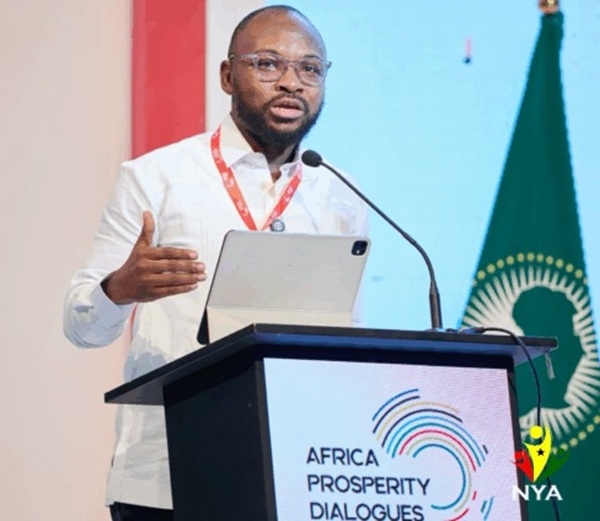
At the recent Africa Prosperity Dialogues, Osman Abdulai Ayariga, CEO of the National Youth Authority (NYA), delivered a powerful message on the future of the African Continental Free Trade Area (AfCFTA). Speaking on the theme, “Africa Without Borders: Youth, Creativity, and Power in an Integrated Africa,” Ayariga cautioned that AfCFTA’s promise of prosperity would remain unfulfilled if it is limited to the trade of goods and neglects the movement and empowerment of Africa’s youth. Addressing a packed audience, Mr. Ayariga emphasized that Africa’s real strength lies in its people, especially its young talent and creative minds. “Markets are built by people, not goods alone,” he declared, noting that AfCFTA’s single market of over 1.4 billion people and US$3 trillion in output can only succeed if young Africans are given the freedom to move, create, and innovate. He pointed to the global rise of services, digital production, and creative industries—sectors where skills and mobility are essential. Despite Africa’s vast talent, the continent captures less than one percent of the global creative economy, a shortfall Ayariga attributed to policy gaps rather than a lack of potential. Highlighting Nigeria’s film industry as a model, he explained how global streaming platforms invested around US$40 million into Nollywood between 2016 and 2022, propelling African stories to international audiences. He stressed that culture is now a tool of economic and diplomatic influence, urging African governments to champion cultural diplomacy or risk having the continent’s identity shaped by outsiders. Ayariga called for urgent reforms: mutual recognition of skills across borders, labour-sensitive mobility policies, and a managed free-movement system that allows Africans to live, work, and contribute across the continent. “Africa’s youth are already borderless in imagination and ambition. Policy is lagging behind reality,” he concluded, reminding leaders that the continent’s path to integration and prosperity depends on putting young people and creativity at the heart of policy and progress. Source: Apexnewsgh.com
President Mahama Hails Ghana-Zambia Visa-Free Pact as Milestone for Unity and Cooperation
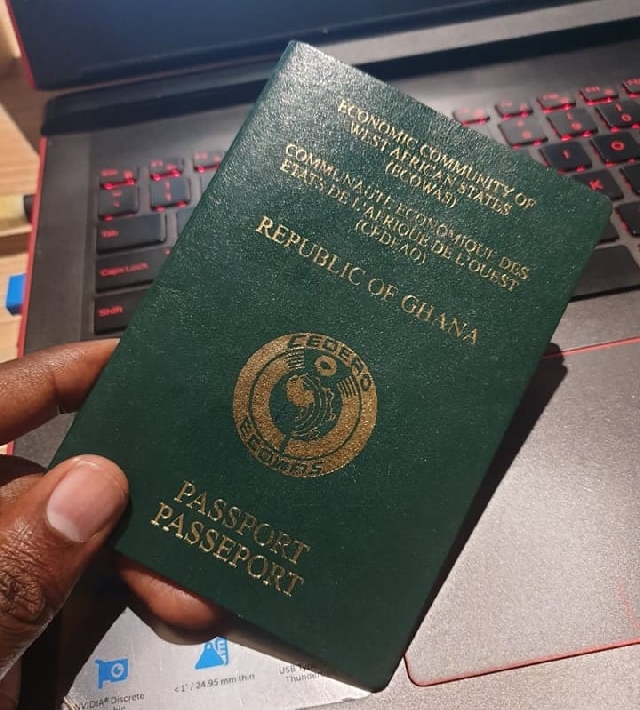
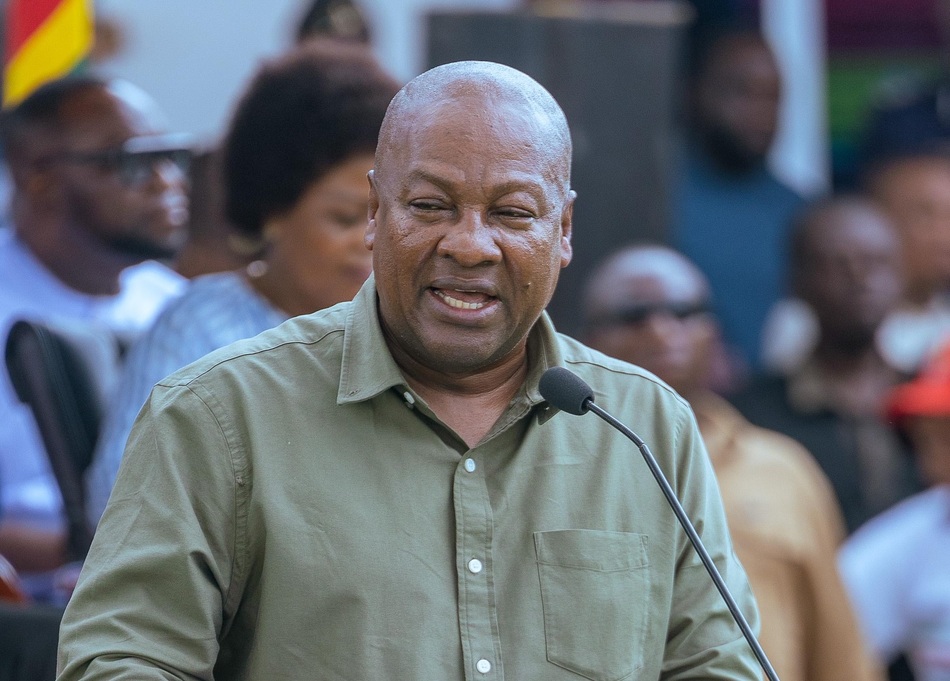
At a state banquet in Lusaka, President John Dramani Mahama celebrated the newly introduced visa-free travel agreement between Ghana and Zambia, calling it a transformative milestone for bilateral relations and people-to-people connections. Hosted by Zambian President Hakainde Hichilema, the event marked the deepening trust and expanding cooperation between the two nations. “These are more than diplomatic instruments. They are statements of trust that say to our people: you belong with one another,” President Mahama remarked, emphasizing that the visa waiver is a tangible expression of the friendship and solidarity shared by Ghanaians and Zambians. President Mahama extended heartfelt gratitude to the Zambian government and its citizens for the warmth and hospitality shown to Ghanaians living in Zambia. He highlighted the enduring social bonds—including intermarriage and communal ties- that continue to bring the two countries closer. “There is no better way of bringing people together than the bonds of family,” he noted. Beyond the landmark visa arrangement, President Mahama shared that his discussions with President Hichilema also focused on expanding economic partnerships and deepening bilateral cooperation. Both leaders acknowledged the shared challenges their countries face, particularly in the mining sector, and pledged to work together to address them. Reflecting on the broader significance of his visit, President Mahama paid tribute to the Pan-African vision of Ghana’s Dr Kwame Nkrumah and Zambia’s Dr Kenneth Kaunda. He expressed confidence that this spirit of unity and collaboration would continue to guide the progress and prosperity of both nations. The visa-free pact, President Mahama affirmed, is not just an administrative decision but a bridge to greater integration, opportunity, and mutual respect between Ghana and Zambia. Source: Apexnewsgh.com
Transport Unions Rebuke Minister’s Remarks, Demand Collaboration Over Threat to Private Operators
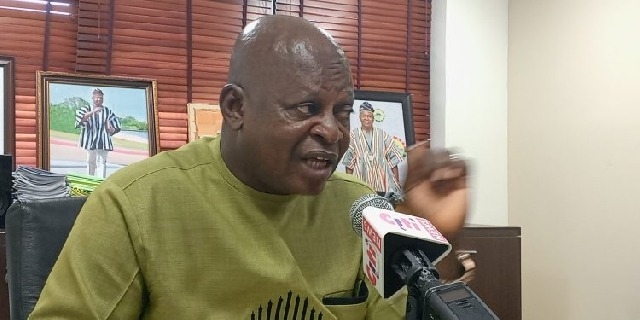
Ghana’s transport sector was rattled this week after the Ghana Private Road Transport Union (GPRTU) of the Trades Union Congress (TUC) and the Commercial Transport Operators of Ghana issued a strongly worded response to comments made by the Minister for Transport. The controversy erupted when the Minister reportedly declared that the government is procuring buses with the intention to “collapse” the private transport industry, a statement that left unions stunned and deeply disappointed. In a joint press release dated February 5, 2026, union leaders described the Minister’s remarks as both “unacceptable and ungrateful,” particularly in light of the persistent obstacles private operators face. The release, signed by Samuel Amoah (National Deputy Public Relations Officer of GPRTU of TUC), David Agboado (Second Deputy Public Relations Officer), Asonaba Nana Wiredu (National Acting Chairman of Commercial Transport Operators Ghana), and Yaw Barimah (National Public Relations Officer of True Drivers/Commercial Transport Operators of Ghana), underscored a growing rift between the government and private sector players. The unions highlighted their ongoing struggles with unapproved fares and the challenges of short-distance loading, noting that instead of acknowledging their resilience and contributions, the Minister chose to “throw tantrums” rather than offer support. They called on the Minister to retract his statement and urged a more collaborative approach to developing the nation’s transport sector. Frustration was also expressed over the Minister’s perceived lack of commitment, with union leaders suggesting that if he is weary of his post, he should make it known. The unions warned that government moves to undermine private operators, by introducing state-run buses to sideline existing businesses, would only worsen the sector’s problems and fuel further resistance. This public confrontation sheds light on long-standing tensions within Ghana’s transport landscape. Private operators have repeatedly voiced concerns about regulatory challenges, rising costs, and operational uncertainties. Now, as government intervention threatens to reshape the industry, unions are insisting that their voices and interests must be respected. The unions’ statement makes it clear: the future of Ghana’s transport sector should be built on partnership and dialogue, not confrontation and exclusion. Source: Apexnewsgh.com
Family Demands Answers After Mysterious Killing of Bolgatanga Young Man in Sherigu Forest
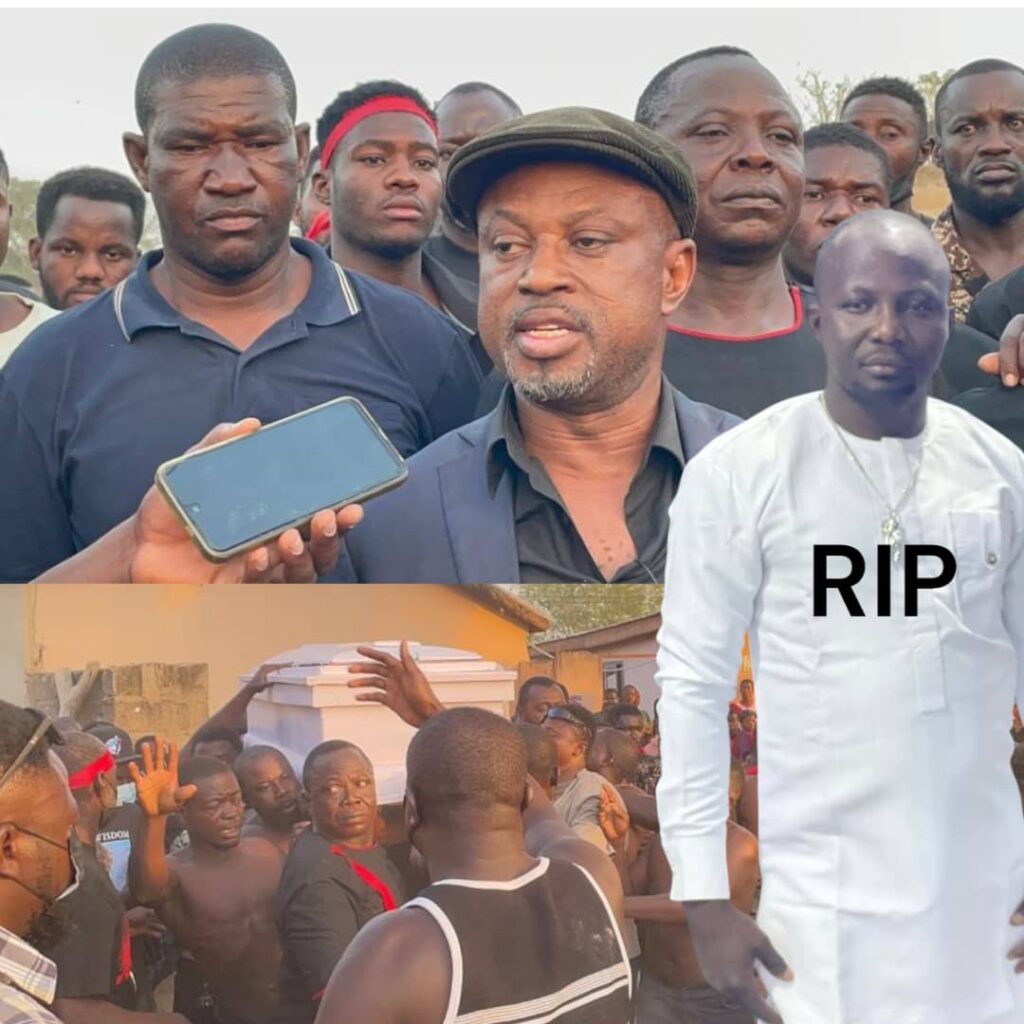
The quiet community of Tindonmolgo in Bolgatanga was plunged into mourning after the tragic and brutal killing of 39-year-old Norbert Anamzoya Akupa. Grief and outrage hung heavy in the air as family, friends, and townsfolk gathered for Norbert’s burial, forming a somber procession that wound from the Upper East Regional Hospital morgue to the family home. In a press conference marked by emotion and resolve, family spokesperson Agana Bawa Rashid recounted the chilling events that led to Norbert’s untimely demise. According to the family, Norbert left home on the night of January 30, 2026, after allegedly receiving a call from individuals believed to be police officers. He was never seen alive again. The following morning, early commuters discovered Norbert’s lifeless body on the roadside in the Sherigu forest. The crime scene was both disturbing and perplexing: investigators recovered twenty-four AK-47 bullets, nine shotgun shells, and a police face mask. Norbert’s motorcycle and personal belongings were untouched, suggesting that robbery was not a motive. The sheer number of bullets, the family argued, pointed to a calculated execution. “Why would anyone need 24 bullets to kill one man? This was no random act,” Mr. Agana declared. “If Norbert was suspected of any wrongdoing, due process should have been followed. Ghana is a country of laws, not lawlessness.” The press conference was also a rebuttal to rumors circulating on social media, which sought to tarnish Norbert’s reputation. Mr. Agana dismissed these allegations as baseless and a cruel attempt to justify the killing. “Our brother had no criminal record. He was a peaceful man deserving of protection, not violence.” The family’s pain has been compounded by unanswered questions and a sense of official silence. Despite requests for comment, the Upper East Regional Police Command declined to address the family’s allegations, indicating only that investigations are underway. Still, Norbert’s loved ones are determined to see justice served. They are calling for a transparent, thorough investigation to identify those responsible and to hold them accountable under the law. “We will not rest until the truth is revealed and those behind this heinous act are brought to justice,” vowed Mr. Agana. As the community waits anxiously for answers, Norbert’s legacy lives on in the determination of his family and friends, who have vowed to keep pressing for justice. “You may have taken Norbert from us,” said Mr. Agana, “but his spirit and our fight for justice cannot be silenced.” Source: Apexnewsgh.com/Ngamegbulam Chidozie Stephen
Modern Day Social Media Slavery: The Monetization Dilemma Facing African Content Creators

Ngamegbulam Chidozie Stephen Email: apexnewsgh@gmail.com In the digital age, social media has become a global equalizer, bridging continents, cultures, and communities. Platforms like Facebook, TikTok, Instagram, and YouTube have revolutionized how we interact, share stories, and even build livelihoods. Yet, beneath this veneer of democratization, a troubling disparity persists, one that many African content creators and digital entrepreneurs are finding increasingly difficult to ignore. The question that lingers: Why are African creators still largely excluded from direct monetization opportunities offered by these very platforms? Recently, media personality Ngamegbulam Chidozie Stephen voiced his concerns about what he describes as “modern-day social media slavery,” a term that resonates deeply with many across the continent. His frustration and that of countless others stems from the ongoing marginalization of African voices in the digital economy, particularly when it comes to earning money from content creation. Africa’s social media landscape is nothing short of remarkable. TikTok, for example, boasts over 189 million users across the continent, an impressive 11.9% of its global audience. The surge is most notable among Gen Z, with Egypt and Nigeria leading in user numbers at 32.9 million and 27.4 million, respectively, closely followed by South Africa’s 17.5 million. Facebook’s dominance is even more pronounced, with between 290 and 377 million African users as of 2025-2026, representing a staggering 82% market share among all social platforms. Instagram and YouTube also enjoy robust growth, driven by widespread smartphone adoption and improving internet infrastructure. YouTube alone counts roughly 180 million African users, with Egypt, Nigeria, and South Africa topping the charts. These statistics highlight Africa’s immense contribution to the global digital community. The continent’s youth, in particular, are not just passive consumers; they are active creators, trendsetters, and influencers. Yet, despite their numbers and creativity, a significant barrier remains: the inability to directly monetize their creativity on major platforms like TikTok. For millions of African content creators, the lack of direct monetization options is not just an inconvenience; it’s a structural disadvantage. TikTok, in particular, has come under scrutiny for not enabling direct monetization for African users, despite the platform’s rapid growth and deep penetration across the continent. While some African countries have recently gained access to Facebook’s monetization features, TikTok’s policies still leave many creators in the lurch. This exclusion means that, for now, the only way for an African TikTok creator to earn from their content is through complex workarounds. Typically, creators must rely on intermediaries based in the US or Europe, who register accounts, enable monetization, and then share the proceeds with their African partners. This not only complicates the process but also perpetuates a dependence on Western gatekeepers, a scenario that many, including Mr. Stephen, liken to a new form of digital servitude. The frustration is palpable, especially when considering the influence of African content creators on global trends. Figures like Mark Angel, Itsyaboymaina, Carter Efe, Ilyas El Maliki, Wode Maya, Mihlali Ndamase, Aisha Yesufu, and others have amassed millions of followers and generated content that resonates far beyond the continent’s borders. They are proof that African creativity is not only vibrant but also commercially viable. Yet, these same heroes are now being called upon to leverage their influence for change. As Mr. Ngamegbulam passionately argues, they have a responsibility, not just to themselves, but to the broader African creator community, to advocate for policy reforms that will allow direct monetization for all African users. Their collective voices could pressure tech giants to recognize Africa’s value not just as a market, but as an essential part of the global creative economy. Describing the situation as “modern-day slavery” is not mere hyperbole. The current dynamics effectively relegate African creators to second-class status in the digital world. While creators in the West enjoy seamless access to monetization features, sponsorships, and brand partnerships, their African counterparts are forced to navigate a maze of bureaucratic hurdles and rely on international connections just to earn a share of the same opportunities. This is particularly egregious when considering that Africa’s youth are among the most engaged and dynamic users of these platforms. The West reaps the benefits, both in terms of advertising revenue and cultural capital, while Africans are left scrambling for scraps. The exclusion is not only economically damaging, but it also sends a troubling message about whose voices and stories are considered valuable in the digital age. For many young Africans, social media represents more than just entertainment; it’s a lifeline to economic empowerment, self-expression, and global visibility. The inability to monetize content directly stifles entrepreneurship, discourages innovation, and perpetuates existing inequalities. It also means that Africa’s digital economy is not reaching its full potential, with billions of potential revenue lost to foreign intermediaries. Moreover, the absence of direct monetization deepens the digital divide between Africa and the rest of the world. It prevents local creators from reinvesting in their communities, building sustainable businesses, or even supporting themselves and their families. This is especially critical given the continent’s burgeoning youth population and high unemployment rates, conditions that make the promise of digital entrepreneurship all the more appealing. The reasons behind this exclusion are complex. Some platforms cite issues like payment infrastructure, regulatory challenges, or concerns about fraud. Others may simply be slow to adapt their policies to regions outside their primary markets. But whatever the rationale, the effect is the same: African creators are systematically denied the same opportunities afforded to their peers elsewhere in the world. This disparity is all the more galling given the relentless growth of social media usage in Africa. The continent is one of the fastest-growing markets for platforms like TikTok, Instagram, and YouTube. Its users are young, tech-savvy, and eager to engage. They create viral trends, generate massive view counts, and shape conversations on a global scale. The data is clear: Africa is not just a consumer market; it is a creative powerhouse. It is both ironic and troubling that, to monetize their creativity, African content creators must rely on Western infrastructure and intermediaries. This not
President Mahama Pledges Two Million Desks for Basic Schools by 2026
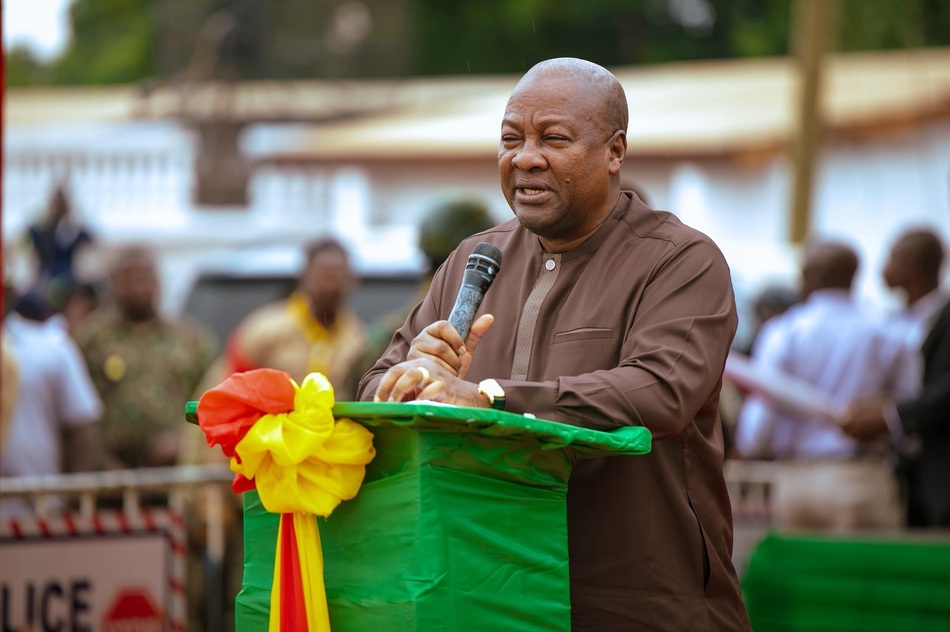
President John Dramani Mahama has unveiled an ambitious plan to supply two million desks to Ghanaian basic schools by the end of 2026, a move set to dramatically improve learning conditions for students across the country. The announcement came during his address to the Ghanaian community in Zambia on Thursday, February 5, as part of his three-day state visit. President Mahama highlighted the chronic neglect of basic school infrastructure, revealing that approximately 1.2 million children currently attend classes without desks. “The basic school level has been neglected. The previous government focused mainly on SHS because of its flagship Free SHS program. Many basic schools lack textbooks and furniture, and you often find children sitting on the floor,” he remarked. He assured the community that the government is determined to tackle the problem head-on. “This year, we are going to provide two million school furnishings. By 2028, no Ghanaian pupil will have to sit on the floor to study,” President Mahama pledged. The announcement has been widely welcomed by education stakeholders. Kofi Asare, Executive Director of Africa Education Watch, commended the government for prioritising student comfort and called for swift implementation. “We hope that the desks will arrive soon because this is long overdue,” he said. The pledge marks a significant step toward bridging infrastructure gaps in Ghana’s basic education sector and ensuring that every child has a comfortable and dignified environment in which to learn. Source: Apexnewsgh.com