


Government to Maintain Fiscal Discipline as Domestic Borrowing Restrictions Expire – Minister Assures
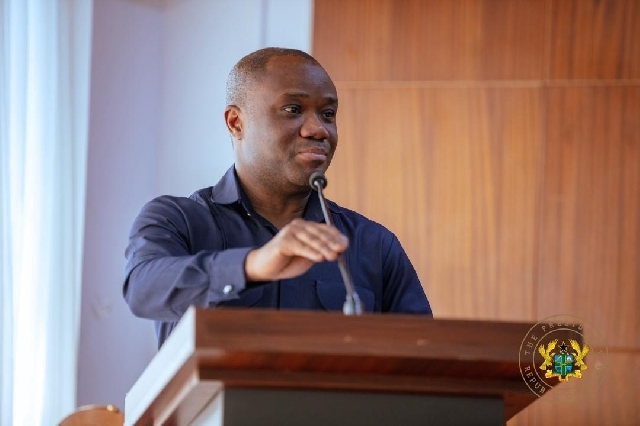
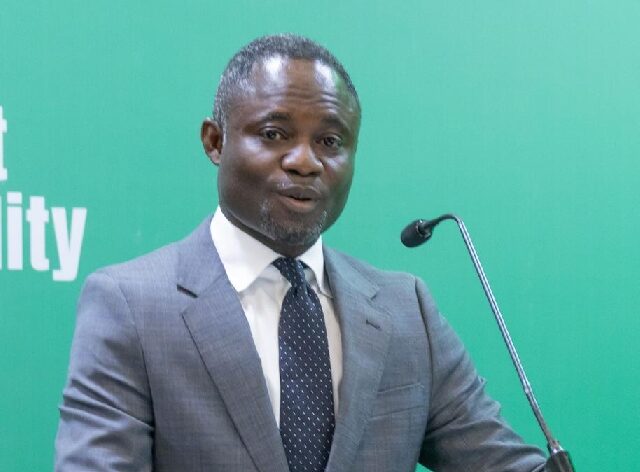
The Minister for Government Communications, Mr Felix Kwakye Ofosu, has assured Ghanaians that the government will uphold strict fiscal discipline even as restrictions on new domestic bond issuance have come to an end. His assurance followed a recent announcement by the Minister for Finance, Cassiel Ato Forson, confirming the expiration of the three-year limitations on government borrowing from the domestic bond market, a restriction that had been imposed as part of Ghana’s economic programme with the International Monetary Fund (IMF). Speaking on Newsfil on Saturday, March 7, Mr. Kwakye Ofosu explained that while borrowing is a normal and necessary part of economic management for most countries, Ghana’s past fiscal difficulties were the result of excessive borrowing and weak economic oversight under the former New Patriotic Party (NPP) administration. He clarified that the IMF-imposed moratorium on new domestic bonds has now lapsed, legally allowing the government to access the local market when needed. “As part of the IMF programme, a ban was placed on the ability to borrow domestically for three years. That period elapsed some time last week, and therefore the government can return to the domestic market,” he stated. However, Mr. Kwakye Ofosu stressed that this does not signal a reckless return to borrowing. “It does not mean that there will be a mad rush to the domestic market to borrow left, right and centre to imperil the economy,” he assured, emphasising that any new borrowing would be guided by the government’s commitment to prudent financial management. He further highlighted the importance of directing borrowed funds into productive investments rather than recurrent expenditure, pointing out that investing in capital projects can spur economic growth and generate resources for sustainable development. To reinforce fiscal discipline, Mr. Kwakye Ofosu outlined several reforms, including the introduction of commitment controls to scrutinise funding requests from government agencies, and the planned establishment of a Value for Money Office. This new office, he explained, will work alongside the Public Procurement Authority to ensure government procurement delivers real value for the state. Mr. Kwakye Ofosu also noted that the government has already reduced the number of ministers and curtailed several operational costs, such as satellite TV services at the presidency and fuel allocations for senior officials, yielding significant savings. He acknowledged that Ghana’s recurring fiscal challenges stem largely from overspending relative to national revenue, and dismissed claims that the country’s economic woes were due solely to the global COVID-19 pandemic. Instead, he attributed much of the fiscal strain to election-year spending in 2020, which forced Ghana into IMF negotiations and domestic debt restructuring. With ongoing cost-cutting measures and a focus on responsible borrowing, Mr. Kwakye Ofosu maintained that the government’s return to the domestic bond market would not threaten the country’s economic recovery. “Borrowing itself is not a problem,” he concluded. “It is the extent to which you borrow and how prudently you manage the resources.” Source: Apexnewsgh.com
NDC Deputy General Secretary Urges Calm and Unity Amidst Party Concerns
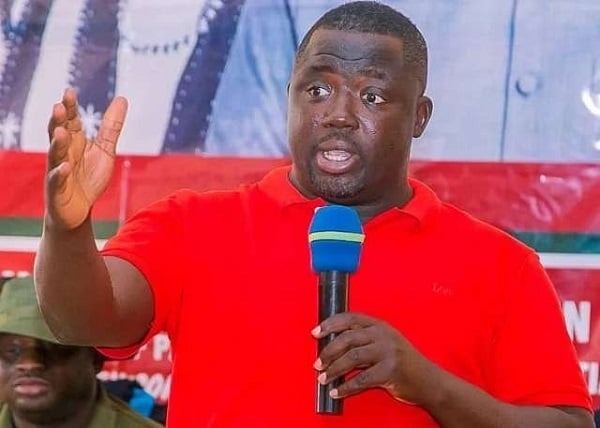
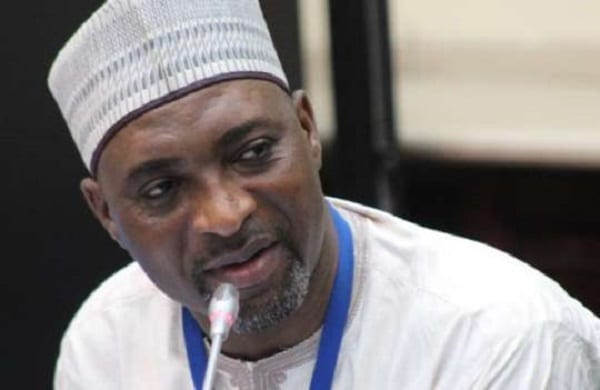
Mustapha Gbande, Deputy General Secretary of the National Democratic Congress (NDC), has appealed to party members and sympathisers to maintain calm and unity in the face of growing concerns and frustrations within the party’s base. In a heartfelt message circulated this week, Mr. Gbande acknowledged the genuine frustrations expressed by some supporters in recent commentary and discussions. He assured the NDC community that party leadership takes these concerns seriously and is committed to finding solutions. “Even if it is the concern of a single member, we are accountable for addressing it, let alone the sentiments of a group of committed brothers and sisters who have worked together to bring us this far,” he emphasized. Mr. Gbande also observed that some of the narratives fueling discontent may be amplified by individuals sympathetic to the New Patriotic Party (NPP), who, he claimed, are seeking to exploit the frustrations of NDC supporters. Nevertheless, he reaffirmed that the leadership is carefully considering all concerns as part of ongoing internal processes to make necessary adjustments, correct mistakes, and implement strategic realignments. He encouraged party members not to lose faith in the NDC’s principles, describing the current difficulties as temporary setbacks that should not lead anyone to abandon the party’s core values. Admitting that certain actions by government appointees may have fallen short of expectations, Mr. Gbande called for patience, urging supporters to allow the leadership time to address the issues. “When it feels as though our hopes have been dashed due to perceived betrayals, it is natural to feel aggrieved. However, it is important to give everyone the benefit of the doubt and allow time for matters to unfold,” he stated. Mr. Gbande further advised members to remain measured in their reactions and to resist any actions that might inadvertently strengthen the hand of political opponents. Expressing confidence in the future of the party, he concluded, “Giving up on our beliefs would amount to surrendering our future. Staying focused and strong through these challenges will ultimately assure us of victory.” Source: Apexnewsgh.com
John Mahama Orders Immediate Halt to International Travel by SOE Boards Using Public Funds
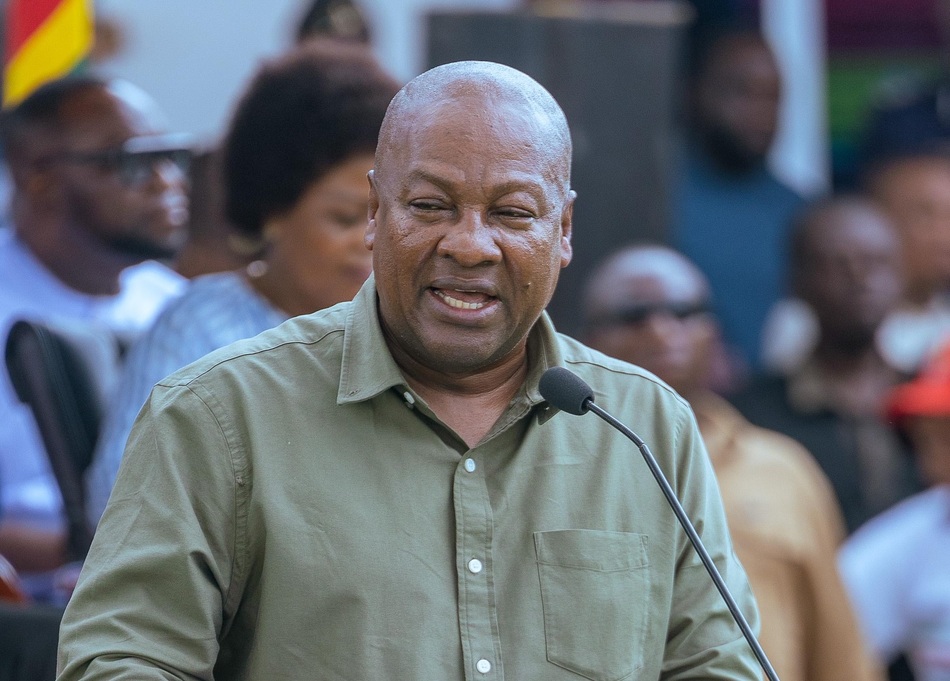
John Dramani Mahama has instructed that boards of State-Owned Enterprises (SOEs) and public institutions must immediately stop all international travel for training, retreats, conferences, and study tours funded by the state. The directive, delivered through a circular from the Office of the President to all Ministers of State, comes amid rising concerns over the frequency and expense of overseas trips by board members and public officials. These travels, often involving large delegations and lengthy stays, have led to considerable spending on airfares, accommodation, per diems, and logistics, placing unnecessary strain on Ghana’s finances. Government sources explained that the new policy is part of a wider strategy to enforce fiscal discipline, improve public financial management, and ensure the responsible use of national resources. From now on, boards of SOEs and public institutions are strictly forbidden from undertaking international trips for training or similar activities at the expense of the state. Exceptions to this rule will only be made in rare circumstances where the engagement cannot realistically be held locally or through virtual means. In such cases, supervising ministers must submit a formal request to the President, justifying the need for the travel. The request must detail the purpose, expected outcomes, strategic importance to the institution’s mission, the number of participants, the total estimated cost, and reasons why the objectives cannot be achieved locally or online. The government is urging Ministries and their agencies to prioritize local training sessions, in-country retreats, and partnerships with universities and reputable institutions within Ghana. Boards are also encouraged to explore virtual training, technical exchanges, and short-term expert engagements locally, instead of sending full delegations abroad. Additionally, the directive calls on boards to focus on their core governance responsibilities and carefully evaluate the value, necessity, and cost-effectiveness of any capacity-building initiatives. According to government officials, the main goal of the policy is to cut non-essential public spending and redirect scarce resources toward priority projects, infrastructure, and social interventions that will benefit Ghanaians more directly. All ministers have been instructed to ensure that boards, CEOs, and management teams of SOEs and public institutions under their supervision are made aware of this directive and comply without delay. Source: Apexnewsgh.com
Ghanaian Man Pleads Guilty in $100 Million U.S. Online Fraud Scheme

In a dramatic courtroom moment in New York, 40-year-old Ghanaian national Derrick Van Yeboah admitted to his role in a sweeping online fraud operation that stole over $100 million from victims in the United States. The guilty plea, entered before Judge Arun Subramanian at the U.S. District Court for the Southern District of New York, marks a significant development in the fight against international cybercrime. The Federal Bureau of Investigation (FBI) announced Van Yeboah’s plea on Friday, March 6, revealing the extent of his involvement in a sophisticated network that orchestrated romance scams and business email compromise attacks. The announcement was made by Jay Clayton, the U.S. Attorney for the Southern District of New York, who underscored the devastating impact on victims, many of whom were elderly men and women searching for companionship online. “Derrick Van Yeboah pled guilty today to a massive criminal scheme targeting elderly men and women in online romance scams,” Clayton stated. “Many New Yorkers search for companionship online, and no one deserves to have their vulnerability met with fraud and theft. Van Yeboah cruelly exploited those vulnerabilities for over $10 million in illicit profit.” According to court documents, Van Yeboah was part of a Ghana-based criminal organisation that preyed on individuals and companies across the United States. Victims were lured into fake romantic relationships online, with conspirators using fictitious identities to gain trust before persuading targets to send money or help launder illicit funds. The group also deceived businesses through business email compromise, tricking them into transferring funds to accounts controlled by the network. Authorities say the criminal enterprise stole and laundered more than $100 million, with much of the proceeds ending up in West Africa. Van Yeboah himself was responsible for over $10 million in losses, personally carrying out several romance scams by impersonating fake partners during online communications. Under U.S. law, conspiracy to commit wire fraud carries a maximum penalty of 20 years in prison. Van Yeboah has agreed to pay restitution and forfeiture totaling $10,149,429.17. His sentencing is scheduled for June 3, 2026. Jay Clayton praised the efforts of the FBI and acknowledged the support of authorities in Ghana and the U.S. Department of Justice’s Office of International Affairs in bringing the case to justice. As the legal process moves forward, the case stands as a stark warning against the dangers of online scams and the international reach of cybercriminal networks. Source: Apexnewsgh.com
Israeli Ambassador Expresses Sympathy After Missile Attack Injures Ghanaian Peacekeepers in Lebanon
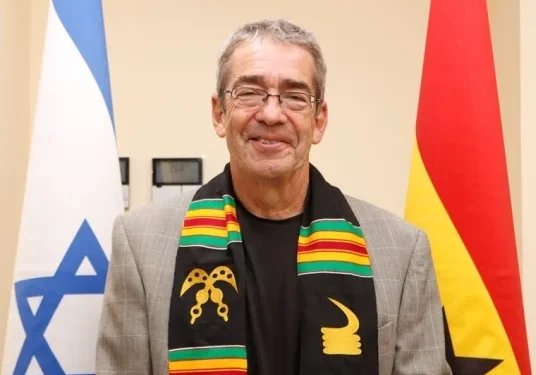
It was a tense evening in southern Lebanon on Friday, March 6, when two missiles struck the Ghanaian Battalion Headquarters, part of the United Nations Interim Force in Lebanon (UNIFIL). The attack occurred between 17:45 and 17:52 local time, shattering the calm at the base and leaving devastation in its wake. Among those serving bravely far from home were Ghanaian peacekeepers, whose dedication to international security was met with sudden violence. The Ghana Armed Forces (GAF) later confirmed that two soldiers had been critically injured in the attack, while another suffered trauma. The Officers’ Mess facility, a central hub for the battalion, was completely destroyed by fire during the assault. As news of the incident reached Accra, arrangements were swiftly made to provide medical care for the wounded personnel. They are currently being treated at a Level One Medical Bunker, with plans underway to transfer them to the UNIFIL headquarters referral hospital for more advanced care. The attack drew swift condemnation and sympathy from the Ambassador of Israel to Ghana, Liberia, and Sierra Leone, Roey Gilad. Describing the event as tragic, Ambassador Gilad expressed deep concern for the injured peacekeepers. “This is indeed a tragic event. We send wishes of speedy recovery to the three soldiers,” he stated. Ambassador Gilad also noted that efforts to determine the source of the missile fire were ongoing, with the Israel Defence Forces (IDF) launching an investigation into the incident. Meanwhile, the Ghana Armed Forces moved quickly to assure the public that all other troops at the base remained safe, having taken shelter in underground bunkers due to the fragile security environment in the area. The missile strike comes amid escalating tensions in the Middle East, with growing confrontations involving Israel, Iran, and allied forces across the region. In response to the attack, the Government of Ghana, through its Ministry of Foreign Affairs and Regional Integration, has officially lodged a protest with the United Nations headquarters in New York City, seeking accountability and greater protection for its peacekeepers. As investigations continue, the thoughts of many remain with the injured soldiers and their families, hoping for their swift recovery and a return to peace in the region. Source: Apexnewsgh.com
U.S. Embassy in Ghana Releases 2,000+ New Visa Appointment Slots for B1/B2 Travelers
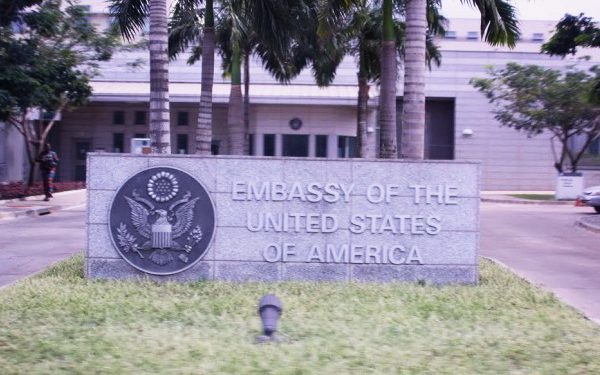
In a welcome development for Ghanaian travelers, the U.S. Embassy in Accra has announced the release of more than 2,000 additional visa appointment slots for B1/B2 applicants over the next two weeks. The newly available slots are designed for individuals traveling to the United States for business, family visits, tourism, or to attend the highly anticipated FIFA World Cup. The embassy announced on its official X account on Wednesday, March 4, 2026, building on a recent rollout of over 1,000 non-immigrant visa slots that enabled many travelers to book earlier interview dates. With demand for U.S. visas soaring ahead of major events, the embassy is encouraging applicants who already have appointments scheduled for later in the year to reschedule and take advantage of the increased availability. Interested travelers are advised to check the embassy’s official visa page for detailed instructions and to secure their slots promptly, as competition is expected to be stiff. The move reflects rising interest in travel that combines business, leisure, and global sporting opportunities, with the embassy working to accommodate the surge in applications from Ghana and the wider region. Source: Apexnewsgh.com
Ibrahim Mahama Converts Private Jet into Free Emergency Air Ambulance for Ghanaians

Ghanaian businessman Ibrahim Mahama has taken a bold step in philanthropy, announcing that his former private jet will now operate as a free emergency air ambulance for Ghanaians facing urgent medical crises. “Any Ghanaian with a medical emergency who needs to be flown out for treatment can use the jet free of charge. I have dedicated it to the nation to support both local and international medical emergencies involving Ghanaians,” Mahama shared, highlighting his commitment to supporting critical healthcare needs. The newly repurposed jet is set to provide rapid transport for patients requiring specialized treatment, whether within Ghana or abroad. Health officials and community observers have applauded the initiative, pointing out that it could be a game-changer for patients in life-threatening situations, particularly those living in remote or underserved regions where timely access to advanced care can be a challenge. This act of generosity adds to Ibrahim Mahama’s growing legacy of championing projects aimed at improving the welfare and health outcomes of Ghanaians. As the air ambulance prepares for its first missions, many see it as a beacon of hope for families facing medical emergencies across the country. Source: Apexnewsgh.com
Former Vice President Bawumia and Wife Relocated Amid Middle East Tensions
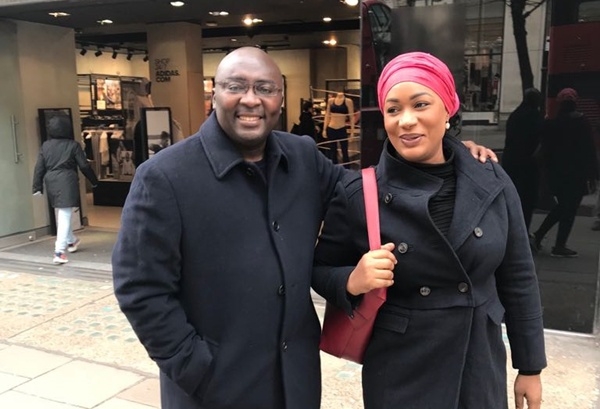
As unrest grows in parts of the Middle East, former Vice President of Ghana, Dr. Mahamudu Bawumia, his wife Samira Bawumia, and their entourage have been quietly relocated from Qatar to another country in a government-led effort to ensure their safety. The move was carried out following direct instructions from Ghana’s Minister for Foreign Affairs, Samuel Okudzeto Ablakwa. Acting on behalf of the government, Minister Ablakwa directed Ghanaian embassies throughout the region to immediately coordinate secure travel arrangements for the former Vice President and his team. Diplomatic sources revealed that Ghanaian embassies worked closely with local authorities to facilitate the swift and discreet transfer, emphasizing that the operation was executed smoothly and without incident. Specific details regarding the relocation remain confidential for security reasons. Meanwhile, the Ministry of Foreign Affairs and the Government of Ghana are maintaining a high level of vigilance as tensions persist in the region. Authorities are monitoring developments closely and have put embassies on alert to offer consular support and emergency assistance to Ghanaians living in or passing through affected areas. The safe relocation of the Bawumia family underscores the government’s commitment to protecting its citizens and officials abroad during times of heightened risk. Source: Apexnewsgh.com
Ashanti Regional Fire Command Reports Slight Drop in Fire Outbreaks as New Safety Initiative Launched
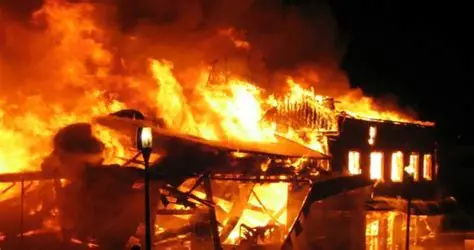
Between January and February this year, the Ashanti Regional Fire Command recorded 208 fire outbreaks, a slight reduction from the 237 incidents reported during the same period in 2025. The update was shared by ACFO1 Peter Tetteh, Regional Commander of the Ghana National Fire Service, at the launch of an inter-market fire safety quiz in Kumasi on Tuesday, March 3. Commander Tetteh explained to journalists that the first quarter of the year typically marks the peak season for fire incidents, especially in the region’s bustling markets. While the dip in reported cases offers a small measure of relief, he cautioned that the risk of market fires remains high and called for continued vigilance. The newly launched inter-market quiz aims to arm traders with practical knowledge on fire prevention and emergency response. “Market fires cause a lot of devastation. The aim is to get traders involved in fire prevention so that they can own the market, understand what causes fires, and prevent them,” Tetteh noted, expressing satisfaction with the enthusiastic response from participants. He also issued a stern warning to traders handling combustible and explosive materials, urging them to relocate these goods outside market premises to safeguard the public from potential disasters. Supporting the initiative, Chairman Ernest Afayam, Managing Director of Kejetia Market, stressed the importance of fire safety education given the market’s structure and history of fire outbreaks. He recalled a recent incident swiftly contained by fire officers, as well as the 2023 blaze ignited by hazardous chemicals, which led to displacement and losses for many traders. Chairman Afayam praised the fire safety quiz as a proactive measure, stating, “It is a positive programme. The arrangement is a form of creating awareness and prevention as far as fire safety is concerned. I believe it is something worth embarking on.” With fire risks still looming, the region’s fire authorities and market leaders are working hand-in-hand to reduce hazards and safeguard livelihoods through education and collective action. Source: Apexnewsgh.com
MTN Group’s Ebenezer Asante Challenges African Graduates To Become Digital Innovators And Change-Makers For The Continent’s Growth
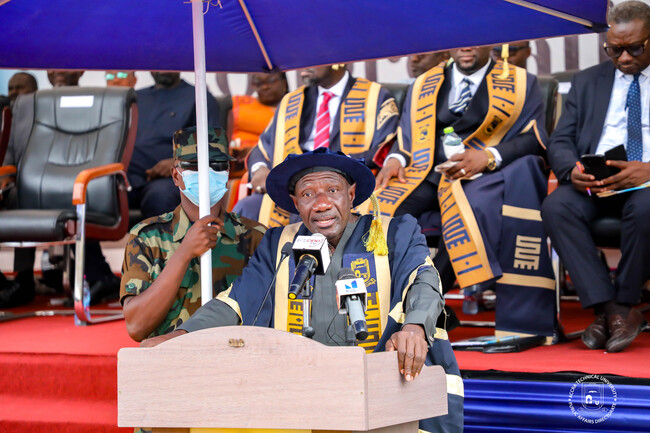
Mr. Ebenezer Asante, Senior Vice President of MTN Group, called for stronger alliances between academia, government, and industry to foster a generation of African innovators prepared to shape the continent’s technological future. He made this address at the 2025 graduation ceremony of Accra Technical University (ATU), themed “Emerging Technologies: How Prepared is the ATU Graduate?” During his speech, Mr. Asante urged young African graduates to take the initiative in shaping the continent’s technological destiny by becoming creators and innovators rather than mere consumers of digital technology. He stated, “The curious, tech-savvy graduate of the 21st century will not only use technology but will also shape it with foresight and a sense of shared human purpose.” Referring to the World Intellectual Property Organization (WIPO) 2023 Report, Mr. Asante noted that Africa’s share of global technology patent filings has decreased from 4.4% a decade ago to 3.2% in 2023, despite the continent accounting for over 18% of the world’s population. This statistic highlights the urgent need for improved collaboration among universities, private sector players, investors, and policymakers to boost research, invention, and the industrial application of technology on the continent. “If we are serious about using technology to address Africa’s complex developmental challenges, we must become part of the technology supply chain and the global ecosystem of invention,” he asserted. Drawing inspiration from futurists Alvin Toffler and Professor Akosua Ampofo, Mr. Asante highlighted that Africa’s competitiveness in the digital age will rely on its youth’s ability to keep learning, unlearning, and relearning. He explained that the most successful graduates will be those who combine technical skills with creativity, empathy, and teamwork, traits that foster innovation in the 21st century. He encouraged the ATU graduates to embrace a growth mindset, emphasizing that their success will rely more on their psychological and behavioural flexibility than on their academic qualifications. “Do not fear the unknown. Be clear about what you possess that can make a difference and keep applying yourself until you achieve a breakthrough,” he advised. “Stubborn perseverance is what the world is waiting for from you.” Mr. Asante also emphasized how technology can tackle Africa’s real-world challenges across various sectors, including sanitation, healthcare, agriculture, education, and energy. He highlighted the inspiring work of The Buz Stop Boys, a youth-led initiative addressing urban sanitation in Ghana, as an example of how civic-minded innovation can make a difference. He challenged graduates to use their technical training to develop IoT-enabled waste management systems, smart data-driven city solutions, and even robotics or drone technologies to optimize waste collection and improve urban hygiene. Reflecting on the changing nature of employment, Asante noted that technology has enabled young people to work globally without relocating. He encouraged graduates to seize opportunities in freelancing, digital entrepreneurship, and hybrid work, leveraging platforms powered by AI, cloud computing, and digital payment systems such as Mobile Money (MoMo). In closing, Mr. Asante called on the graduates to actively contribute to advancing Ghana’s national digitalization agenda and the African Union’s Agenda 2063, both of which envision an integrated and prosperous Africa driven by innovation, inclusivity, and sustainability. Source: Apexnewsgh.com