



Government to Sacrifice GH¢200 Million in Revenue to Keep Fuel Prices Down
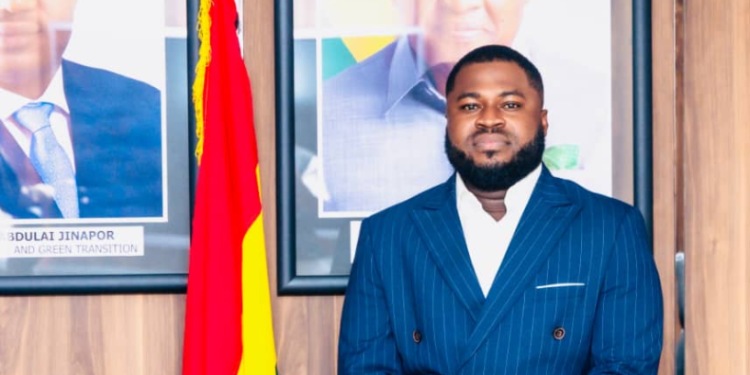
The government is prepared to walk away from an estimated GH¢200 million in revenue, and it says it has no regrets about it. The sacrifice, officials insist, is the price of putting citizens first in the face of relentless global fuel price pressures. Spokesperson for the Ministry of Energy, Richmond Rockson, disclosed on Wednesday, April 15, while speaking to the media about the government’s decision to reduce fuel prices at the pump. The intervention, he explained, was taken deliberately and with full awareness of its cost to the national purse, at a time when international petroleum prices are already trending sharply upward. Rockson pointed to geopolitical tensions in the Middle East as the primary force driving global crude oil prices higher, noting that the ripple effects have been felt acutely in Ghana, where ex-pump prices have climbed steadily in recent weeks. Against that backdrop, he said, the President and Cabinet made a conscious choice to absorb the pain on behalf of Ghanaians rather than pass it on to consumers. “This will lead to a net loss of about GH¢200 million that could have accrued to the government, but it is a necessary sacrifice to bring relief to the people of Ghana,” Rockson stated plainly. The practical effect of that sacrifice becomes visible at the pump from April 16, 2026, when the government begins absorbing GH¢2.00 per litre on diesel and GH¢0.36 per litre on petrol in the upcoming pricing window. The relief is targeted squarely at households, transport operators, and businesses, groups that have borne the brunt of rising fuel costs in recent months. The measure, approved by Cabinet, is set to run for one month. During that period, authorities will keep a close eye on developments in the global oil market and determine whether the situation warrants further action. A statement issued by the Presidency on Wednesday reaffirmed the government’s commitment to price stability, the protection of livelihoods, and the broader goal of sustaining Ghana’s economic recovery amid persistent external headwinds. It is a significant financial concession, and the government is making clear it views it not as a loss, but as an investment in the welfare of its people. Source: Apexnewsgh.com
Government Slashes Fuel Prices by Up to GH¢2 Per Litre in One-Month Relief Measure
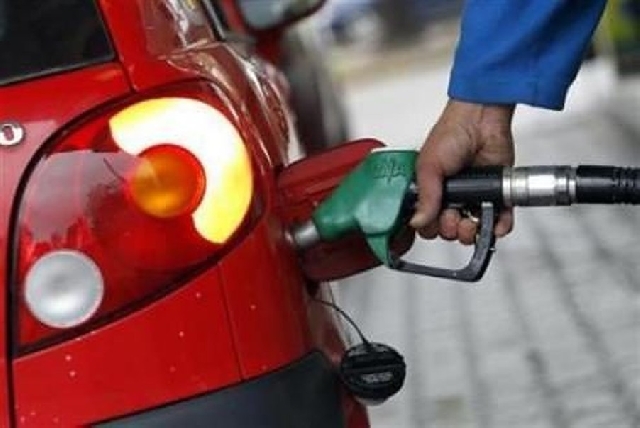
Ghanaians will pay less at the pump starting April 16, 2026, after the government announced a temporary reduction in fuel costs aimed at easing the financial strain on households, transport operators, and businesses across the country. In a statement released by the Presidency on Wednesday, April 15, the government revealed it will absorb GH¢2.00 per litre on diesel and GH¢0.36 per litre on petrol, an intervention approved by Cabinet and set to take effect in the next pricing window. The move comes in direct response to rising petroleum prices on the international market, which have steadily pushed up ex-pump prices in Ghana over recent weeks, squeezing consumers and operators already navigating a tough economic environment. The relief measure, however, comes with a clear expiry date. The government has indicated it will remain in place for one month, during which authorities will closely monitor global oil price trends and assess whether further adjustments are necessary. It is a calculated, cautious approach, one that signals a willingness to intervene without making open-ended commitments in an unpredictable global market. Beyond the immediate price cut, the government used the announcement to reaffirm its broader commitment to maintaining price stability, protecting livelihoods and supporting Ghana’s economic recovery in the face of mounting external pressures. For millions of Ghanaians, from commuters and market traders to long-haul truck drivers and small business owners, the reduction offers a moment of respite. Whether it translates into lasting relief will depend, in no small part, on how the next four weeks unfold on the world’s oil markets. Source: Apexnewsgh.com
Transport Operators Hold Off on Fare Hikes as Government Steps In to Cushion Fuel Costs
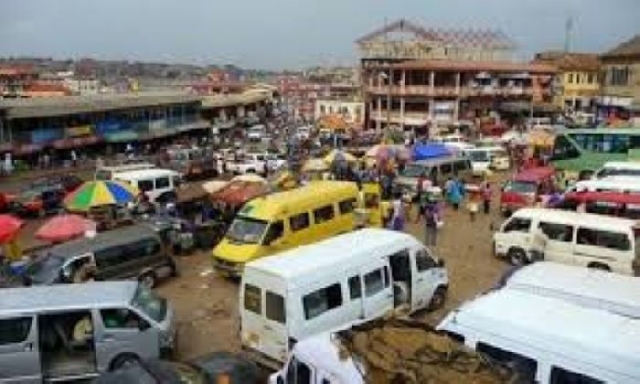
Ghanaian commuters can breathe a temporary sigh of relief. Road transport operators have officially announced a suspension of planned fare increases, following emergency government interventions designed to cushion the impact of soaring petroleum prices on drivers and the travelling public. In a joint press release issued on April 15, 2026, the Ghana Private Road Transport Union (GPRTU) and the Ghana Road Transport Coordinating Council (GRTCC) acknowledged the severe operational pressures brought on by rising global crude oil prices, pressures they attributed in large part to the ongoing US–Israel–Iran conflict, which has sent shockwaves through international energy markets. The announcement comes in the wake of an emergency Cabinet meeting held on April 9, 2026, during which the Government of Ghana moved swiftly to contain the fallout. Among the measures agreed upon were the reduction and suspension of specific margins on petroleum products during the upcoming pricing window, as well as collaborative discussions with the Ministry of Transport aimed at stabilising prices for both the general public and transport operators. For the transport unions, the government’s response was enough, for now, to pull back from the brink of a fare increase that would have added yet another burden to ordinary Ghanaians already navigating a difficult economic climate. The GPRTU and GRTCC expressed confidence that the interventions, if sustained, would deliver meaningful relief to drivers struggling with the day-to-day cost of keeping their vehicles on the road. In the meantime, the leadership of both unions has called on all transport operators across the country to hold the line, urging them to refrain from imposing any fare increases while the effectiveness of the government’s measures is carefully monitored. The press release was signed by Mr. Godfred Abulbire, General Secretary of the GPRTU, and Mr. Emmanuel Ohene Yeboah, General Secretary of the GRTCC, both of whom reaffirmed their organisations’ commitment to the welfare of drivers and commuters alike. Looking ahead, the operators made clear that the current calm is contingent on broader conditions improving. They expressed hope for a swift resolution to the international conflicts that continue to destabilise global oil markets, warning that lasting pricing stability in Ghana ultimately depends on the restoration of order in the world’s energy supply chains. For now, the fare freeze holds, but the operators have made it equally clear that they are watching closely, and that their patience is tied directly to the government’s ability to deliver on its promises. Source: Apexnewsgh.com
Ghana’s Central Bank Chief Challenges IMF to Move Faster on African Debt Relief
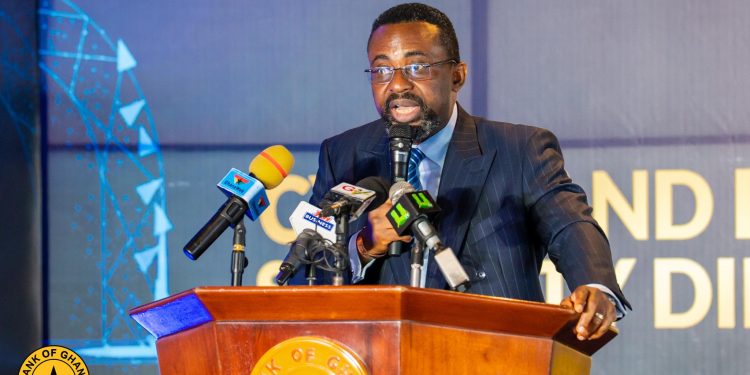
Ghana’s central bank governor has issued a pointed challenge to the International Monetary Fund, demanding swifter debt relief and more powerful crisis response tools, warning that the continent’s economies are buckling under pressures that the Fund’s current mechanisms are simply too slow to address. Bank of Ghana Governor Johnson Pandit Asiama delivered the appeal on Tuesday during a meeting of the African Consultative Group in Washington, making clear that the time for incremental adjustments had passed. What Africa needs, he argued, is a fundamental “step-change” in how the IMF responds to debt distress, climate shocks, and the tightening of global financial conditions. “African economies continue to operate in an exceptionally challenging macroeconomic environment,” Asiama told the gathering, laying out a stark picture of high debt vulnerabilities, shrinking fiscal space and a relentless succession of external shocks. He pointed specifically to spillovers from the conflict in the Middle East, which he said had worsened inflation and placed severe strain on external balances across the continent. His words resonated in a room where frustration had been building. African policymakers at the meeting made clear they believe the pace of international financial support is falling dangerously short of the scale of the region’s challenges, a sentiment Asiama gave voice to with unusual directness. At the heart of his critique was the IMF’s existing debt resolution machinery, including the Group of 20’s Common Framework, which he described as too slow and too rigid for the urgency of the moment. Delays in restructuring, he warned, were not merely administrative inconveniences; they were prolonging uncertainty, chilling investment, and keeping countries locked out of international capital markets long after they should have regained access. “Time-bound restructurings anchored in credible comparability of treatment are essential,” Asiama said, calling for stronger participation by private creditors and clearer rules on burden-sharing, two areas where progress has historically stalled. He also took aim at how IMF programme design handles delays caused by creditor coordination problems, arguing firmly that such delays should not be recorded as policy failures on the part of borrowing countries. It was a pointed rebuke of a framework that African nations have long felt places an unfair burden on the most vulnerable parties in any restructuring process. Asiama’s demands extended well beyond debt restructuring. He pressed for broader reforms to the IMF’s policy framework, including improved debt sustainability assessments for low-income countries and wider deployment of the Fund’s Integrated Policy Framework. He urged faster implementation of the IMF’s “three-pillar approach” for countries facing or at risk of crisis. He called for increased use of the Fund’s balance sheet to support vulnerable economies, through scaled-up concessional financing, the institutionalisation of Special Drawing Rights reallocation, and a more responsive Resilience and Sustainability Trust. “Recent shocks have exposed the need for emergency financing that is adequately resourced and readily accessible,” he said, in what amounted to a direct call for the IMF to match its rhetoric on African development with tangible, timely action. Rounding out his address, Asiama stressed the importance of capacity-building support in areas including domestic revenue mobilisation, public financial management and financial regulation, with particular attention to emerging risks tied to digital finance and cyber threats, sectors where many African economies remain exposed. His remarks come at a moment of acute pressure for the continent. Rising borrowing costs, slowing global growth and escalating climate disruptions are converging to test the resilience of economies that, in many cases, have yet to recover from the shocks of recent years fully. The IMF has not yet formally responded to the calls. But with debt restructuring and crisis financing set to dominate global economic discussions in the months ahead, Asiama’s voice, and Africa’s, will be difficult to ignore. Source: Apexnewsgh.com
Chieftaincy Dispute Turns Deadly as Fire Ravages Five Communities in Gushegu District
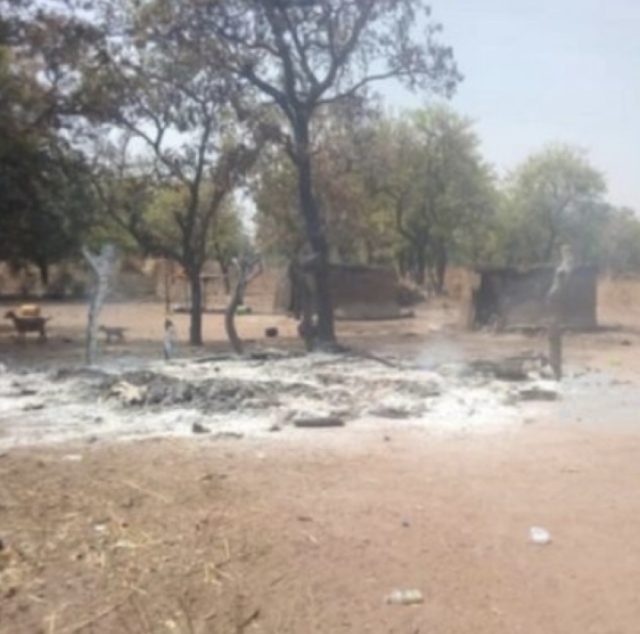
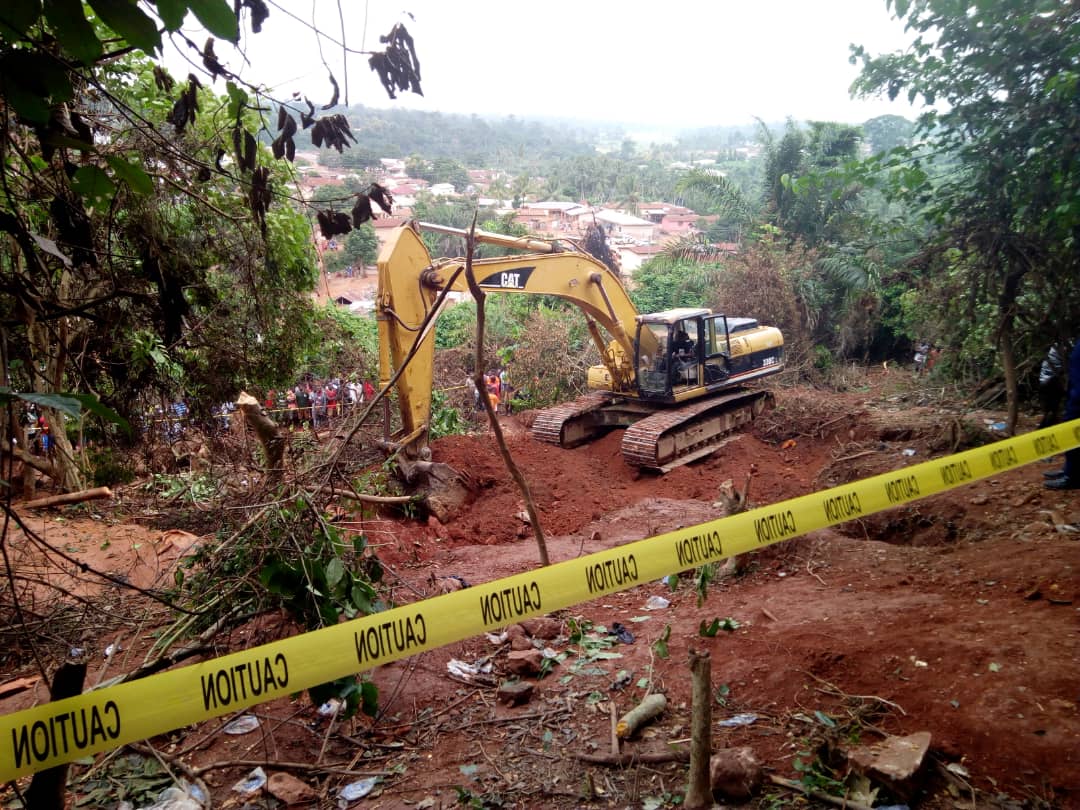
A simmering chieftaincy dispute has exploded into open violence in the Nawuhugu/Kolick electoral area of the Gushegu District, leaving a trail of destruction across five communities after rival factions clashed over the installation of a new chief in Yidaan. The affected communities, Yidaan, Busum No. 2, Kukpok, Nagnan, and Nayagil, woke to scenes of devastation as homes were set ablaze, property destroyed, and livestock killed in clashes that swept through the area with alarming speed. While no deaths have been confirmed, several people sustained injuries, and residents are living in fear that the worst may still be to come. The seeds of the conflict were sown by the death of the area’s previous chief, Sakpi, whose passing created a vacancy that two powerful factions have been unable to agree on how to fill. At the heart of the dispute lies a fundamental disagreement over authority, specifically, who has the right to perform the enskinment of a successor. The Binamob group holds firmly that the Zantali-Lana is the rightful authority to carry out the installation. The Bikpaangib group, however, sees it differently, insisting that the honour belongs to either the Chief of Nagnan or the Chief of Nasu. Neither side has shown willingness to yield, and what began as a succession disagreement has steadily hardened into something far more dangerous. The breaking point came when the Binamob faction moved ahead with its position, proceeding to install its chosen nominee through the Zantali-Lana. For the opposing side, it was a provocation too far. Tensions that had been building beneath the surface erupted into violence, with clashes rapidly spreading from one community to the next, consuming homes and livelihoods in their wake. The scale of the destruction has sent shockwaves through the region, with residents pleading for urgent intervention before the situation deteriorates further. Their calls appear to have reached the highest levels of the security services. Inspector-General of Police Christian Tetteh Yohuno has responded by deploying additional personnel to the area, including a special operations team equipped with armoured vehicles, a sign of just how seriously authorities are taking the threat. Police say the deployed team will work in close collaboration with the Northern Regional Command to intensify patrols and bring calm to the battered communities. For the people of Yidaan and its neighbouring villages, the hope now is that the security presence will hold the line, and that those with the power to broker peace will act before another night of fire and fear descends on the Gushegu District. Source: Apexnewsgh.com
NPP Slams Arrest of Party Communicator as Political Witch-Hunt
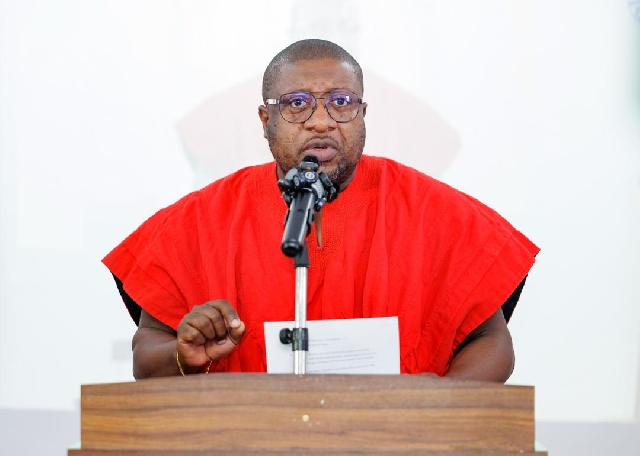
The opposition New Patriotic Party (NPP) has fired back at the government of President John Dramani Mahama, condemning the arrest and remand of one of its communicators, Baba Amando, as a calculated act of political persecution and a blatant misuse of state power. Speaking at a press conference in Accra on April 15, 2026, the party’s National Organiser, Henry Nana Boakye, painted a troubling picture of what he described as a deliberate campaign to silence and intimidate opposition voices. His words were measured but sharp, carrying the weight of a party that believes it is fighting not just for one man, but for the soul of democratic governance in Ghana. According to Boakye, the ordeal began on April 13, when Baba Amando, accompanied by his lawyer, voluntarily honoured a police invitation in Sunyani, a gesture of cooperation that, in the NPP’s view, should have set the tone for a fair and transparent process. Instead, what followed was anything but. Amando was transferred to Accra, with police citing vague “orders from above” as justification, a phrase the party found deeply alarming. The situation took a further turn when, despite being granted police bail and asked to report the following day, Amando was arraigned before court and remanded in custody. Most striking, the NPP noted, was the fact that the prosecution itself did not oppose bail, making the court’s decision to remand him all the more difficult to justify. Boakye did not hold back in his assessment of the Presiding Judge, accusing the court of judicial overreach and describing the remand order as entirely unwarranted. For the NPP, Amando’s case does not stand alone. Boakye drew a direct line between this arrest and the recent detention of NPP Bono Regional Chairman, Kwame Baffoe Abronye, arguing that the two incidents are not isolated events but part of a broader, more sinister pattern, a systematic targeting of opposition figures by a government increasingly willing to weaponise state institutions against its critics. Central to the NPP’s accusations is the alleged involvement of the Economic and Organised Crime Office (EOCO), which the party claims is being deployed not to fight crime, but to stifle dissent. The party warned that such actions pose a serious threat to free speech and civil liberties, values it insists must be protected regardless of political affiliation. The NPP’s demands were unambiguous: an immediate review of the remand order, an end to the politicisation of law enforcement agencies, and a formal investigation by the Chief Justice into the conduct of the court in this matter. The party also issued a broader challenge to the Mahama administration, urging it to redirect its energy toward the real issues confronting Ghanaians, soaring unemployment, a rising cost of living, and crumbling infrastructure, rather than what it described as a relentless pursuit of political enemies. As the dust settles on what has become one of the more charged political episodes of the year, one thing is clear: the NPP has drawn a line in the sand, and it intends to fight back. Source: Apexnewsgh.com
APC South: Neurosurgeon Congratulates Nwoye, Calls for Unity, Inclusive Leadership
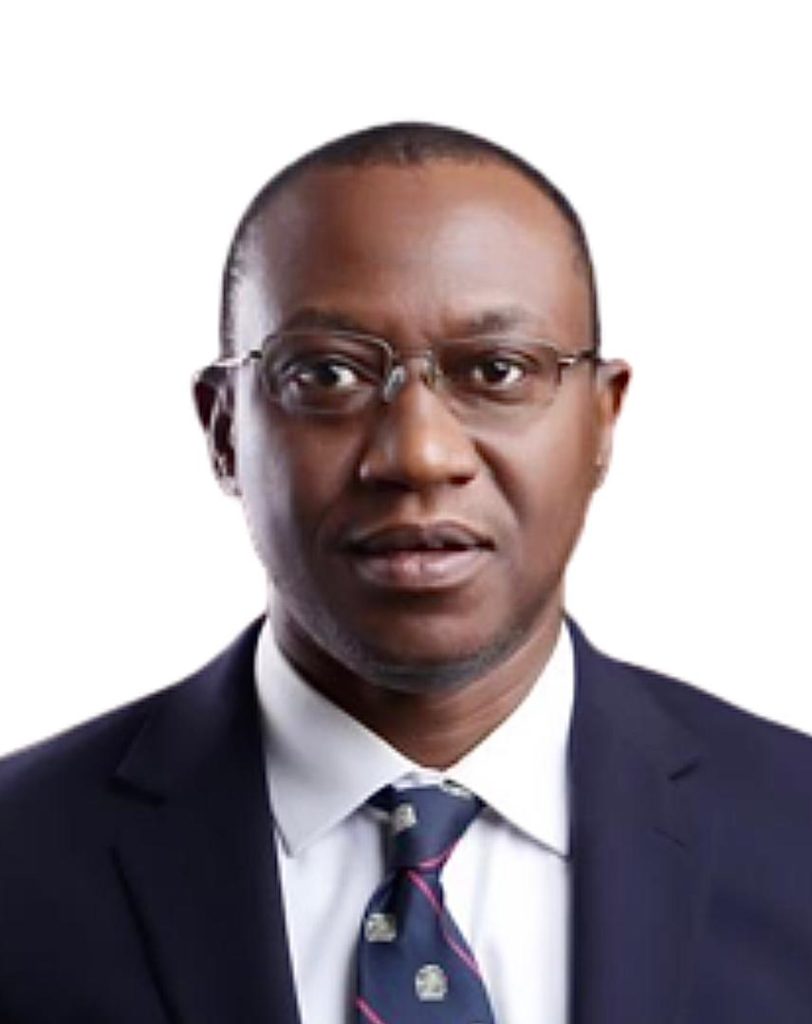
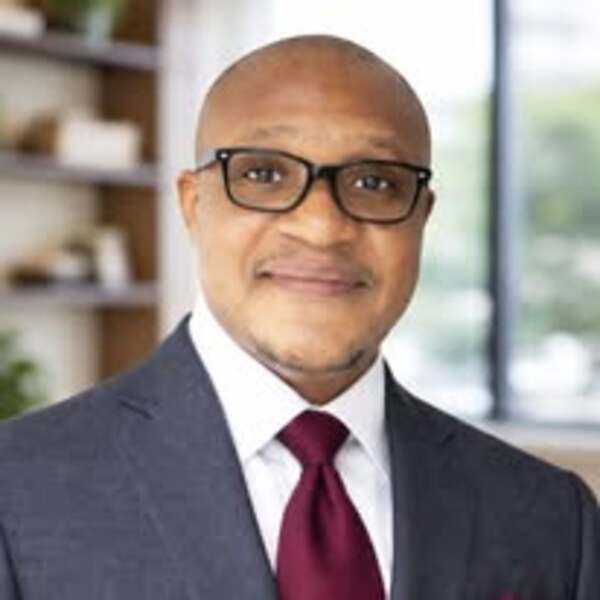
A chieftain of the All Progressives Congress (APC) in Enugu State, Dr. Ugwuanyi Ugochukwu Charles, has congratulated the party’s newly elected Deputy National Chairman (South), Dr. Ben Nwoye, describing his emergence as a significant milestone in consolidating the APC’s influence across the Southern region. In a press statement issued following the party’s National Convention held on March 28, 2026, Dr. Ugwuanyi, a Chief Consultant Neurosurgeon and Special Adviser to the Minister of State for Industry, Trade and Investment, praised Dr. Nwoye’s track record as a former APC Chairman in Enugu State and his reputation as an inclusive, grassroots-oriented leader. “Dr Nwoye’s emergence marks a significant step in strengthening the party’s foothold in the Southern region,” Ugwuanyi said. “His proven track record … positions him well to consolidate the gains already recorded by the party across the South.” He also acknowledged the contributions of the outgoing Deputy National Chairman (South), Chief Emma Eneukwu, whose tenure, he noted, laid a solid foundation for party growth and cohesion. The APC stalwart further commended the growing influence of the party in the South East, singling out the pioneering role of Imo State Governor, Senator Hope Uzodimma, in advancing the party’s presence in the region. He equally lauded Enugu State Governor, Dr. Peter Mbah, for a governance style he described as visionary, inclusive, and development-focused, citing notable strides in aviation, education, and healthcare as evidence of disciplined planning. While acknowledging that ongoing reforms by the APC-led Federal Government may pose short-term challenges, Ugwuanyi expressed strong optimism that these measures would yield lasting benefits and sustainable development for Nigerians. He urged Dr. Nwoye to recognise the enormity of his responsibility—not only to deepen party structures across the South but also to promote political stability as a foundation for delivering democratic dividends. Dr. Ugwuanyi also commended the APC Enugu State Chairman, Dr. Martins Chukwunweike, for his commitment to party leadership at the state level, describing his role as critical in fostering unity and mobilising support. In a direct appeal to party members, stakeholders, and supporters, especially in Enugu State, he called for unity, cooperation, and shared purpose. “Stability, cooperation, and shared purpose are essential for sustained progress,” he said. Dr. Ugwuanyi, a Fellow of the Royal College of Surgeons of England (FRCS) in Neurosurgery and founder of Wellington Neurology and Neurosurgery Hospital, Abuja, has been an active pillar of the APC in Igbo Eze South Local Government Area of Enugu State. Read the full statement below: PRESS STATEMENT FOR IMMEDIATE RELEASE Consolidating Party Strength, Stability, and Inclusive Leadership in APC I wish to extend warm congratulations to the newly elected Deputy National Chairman(South), Dr Ben Nwoye, following the successful conclusion of the APC National Convention held on March 28, 2026. Dr Nwoye’s emergence marks a significant step in strengthening the party’s foothold in the Southern region. His proven track record as former APC Chairman in Enugu State, combined with his reputation as an inclusive and grassroots-oriented leader, positions him well to consolidate the gains already recorded by the party across the South. I also acknowledge the contributions of his predecessor, Chief Emma Eneukwu, whose tenure laid a solid foundation for party growth and cohesion. The growing influence of the APC in the South East continues to reflect strategic leadership and sustained efforts over time. Notably, the pioneering role played by the Executive Governor of Imo State, Senator Hope Uzodimma, in advancing the party’s presence in the region remains commendable. Equally significant is the leadership of the Executive Governor of Enugu State, Dr Peter Mbah, whose governance style reflects vision, inclusiveness, and a commitment to development. His efforts demonstrate a clear intention to carry all stakeholders along, fostering unity and strengthening confidence in governance. The strides recorded in key sectors, including aviation, education, and healthcare, are a testament to disciplined planning and purposeful leadership. While ongoing reforms by the APC-led Federal Government may present short-term challenges, there is strong optimism that these measures will yield lasting benefits and sustainable development for Nigerians. As I congratulate Dr Ben Nwoye, I recognize the enormity of the responsibility before him—not only to deepen party structures across the South but also to promote political stability as a foundation for delivering democratic dividends. I also commend the APC Enugu State Chairman, Dr Martins Chukwunweike, for his commitment to party leadership at the state level. His role remains critical in fostering unity and mobilizing support for the party’s vision. Importantly, at this crucial time, I call on all party members, stakeholders, and supporters, essentially in Enugu State, to remain united, supportive, and focused on the collective goal of building a stronger, more inclusive APC. Stability, cooperation, and shared purpose are essential for sustained progress. Signed: Dr Ugwuanyi Ugochukwu Charles FRCS (SN) England Editors Note: PROFESSIONAL BOILERPLATE (BRIEF) Dr. Ugochukwu Charles Ugwuanyi, FRCS (Eng) Neurosurgery, FMCS, FACS (SN), FICS (SN), MD, MBA, KSJI Dr. Ugochukwu Charles Ugwuanyi is a highly accomplished Chief Consultant Neurosurgeon with over three decades of experience in clinical practice, medical education, healthcare leadership, and public service. He is the Founder of Wellington Neurology and Neurosurgery Hospital, Abuja, and currently serves as Special Adviser to the Honourable Minister of State, Federal Ministry of Industry, Trade and Investment on medical and pharmaceutical matters. A Fellow of the Royal College of Surgeons of England (FRCS) in Neurosurgery, Dr. Ugwuanyi has received multiple prestigious fellowships and advanced specialist training in the United Kingdom, United States and across Europe. He previously served as Head of Neurosurgery at the National Hospital Abuja, where he trained and mentored numerous neurosurgeons and contributed significantly to research and global medical discourse. He also served as Chairman of the Nigerian Medical Association Federal Capital Territory. He is an advocate for healthcare innovation, private sector participation, and sustainable health financing, with a strong commitment to advancing quality healthcare delivery in Nigeria. His philanthropic efforts and community interventions further underscore his dedication to societal development. Statement of Preparedness: Dr. Ugwuanyi’s extensive experience, leadership, and service have equipped him for higher responsibilities. He
Cut the “Dumsor Levy” by Half — COPEC Urges Government for Immediate Fuel Relief
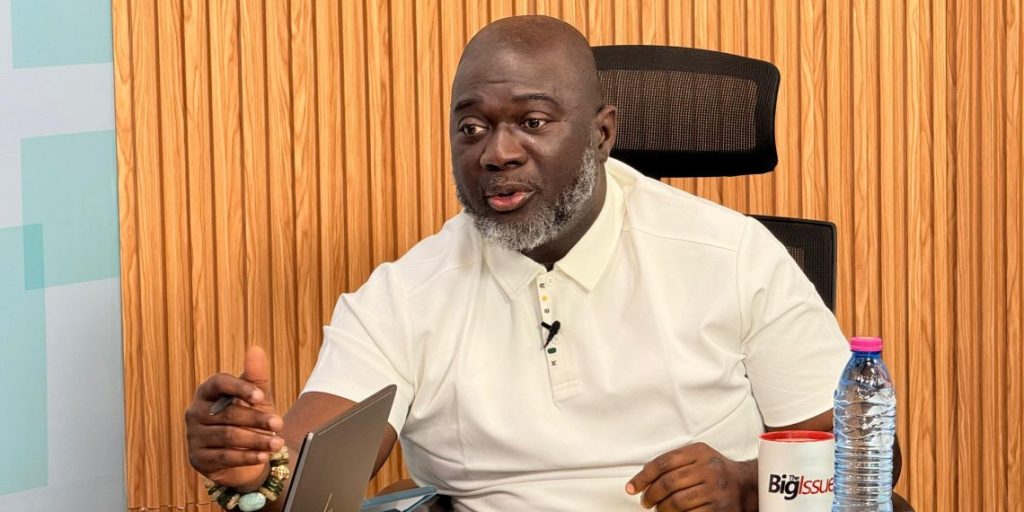
Ghana’s Chamber of Petroleum Consumers (COPEC) is calling on the government to slash the Energy Sector Shortfall and Recovery Levy, popularly known as the “dumsor levy”, by 50 percent for a limited period, as part of a package of measures aimed at bringing down fuel costs for ordinary Ghanaians. The proposal was contained in a statement released on Friday, April 10, in response to the government’s ongoing review of taxes and levies within the petroleum price build-up, a review that has raised public expectations of relief at the pumps. Under COPEC’s proposal, the levy would be temporarily reduced from GH¢1 to 50 pesewas per litre, a cut the Chamber says would translate directly into a 50 pesewa reduction in fuel prices for consumers. According to COPEC, the impact would be immediate and tangible, significantly reducing household expenditure on transport and energy at a time when public anxiety over rising fuel costs and the prospect of renewed power outages is running high. COPEC framed the proposal not just as consumer relief, but as a strategic balancing act for the government. By retaining half of the levy rather than scrapping it entirely, authorities would continue to collect revenue to support the energy sector and keep power plants running, reducing the risk of costly emergency power procurement and protecting industrial productivity. The Chamber argued that sustaining a revenue stream, even at half the current rate, would also help shield long-term tax revenues from the kind of disruption that a complete removal of the levy might trigger. COPEC was candid about the limits of its own proposal. A 50 percent cut in the levy would inevitably reduce funds set aside for servicing energy sector debts, and could slow planned maintenance activities if the intervention stretches beyond its intended window. That is precisely why, the Chamber stressed, the reduction must be strictly time-bound. COPEC proposed a one-month window, a timeframe it described as sufficient to deliver meaningful economic relief while remaining short enough to avoid long-term disruptions to the energy sector. The Chamber argued that such targeted, time-limited measures demonstrate genuine responsiveness to public concerns without sacrificing fiscal prudence. Urging policymakers to act with urgency, COPEC called on the government to give the proposal serious consideration as part of its broader short-term strategy to cushion consumers against rising global petroleum prices. Source: Apexnewsgh.com
Court Eases Bail Conditions for Ex-National Service Boss Amid Ghost Names Trial
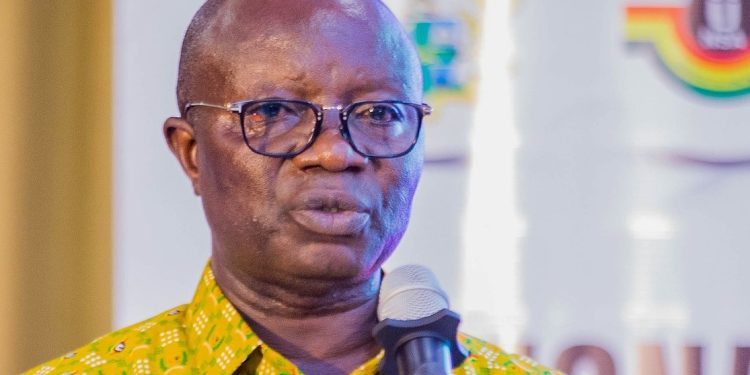
The High Court in Accra has amended the bail conditions of former Executive Director of the National Service Authority, Osei Assibey Antwi, permitting him to report to the Kumasi office of the National Intelligence Bureau (NIB) rather than making the trip to Accra, a concession his legal team had sought and the state did not resist. The development came during court proceedings on Monday, where the defense applied for a variation of the bail terms alongside a request for additional time to review case materials. Prosecutors informed the court that 49 documents had already been disclosed to the defense, with further disclosures still to come. The defense, citing the need to thoroughly examine the materials, requested a one-month adjournment. The presiding judge granted both applications, adjourning the case to May 13. Mr. Antwi faces serious charges, including stealing, money laundering, and causing financial loss to the state, all stemming from his tenure at the National Service Authority. But beyond the bail amendment, Monday’s proceedings also shed light on significant revisions to the charges themselves. The principal allegation of causing financial loss to the state has been amended in two notable ways. Originally, prosecutors alleged that Mr. Antwi authorised payments totalling GH¢500,861,744.02 to more than 60,000 purported “ghost” national service personnel. The amended charge tells a somewhat different story, reducing the alleged financial loss to GH¢431,761,556.76 and replacing the reference to “ghost names” with the broader description of “non-service personnel and unverified individuals.” Investigations by the National Intelligence Bureau paint a troubling picture of what allegedly transpired at the Authority over several years. Findings reportedly indicate that 63,672 unverified registrants were submitted into the payment system between 2018 and 2024 for service allowances or vendor payments. Between August 2021 and February 2025, the Authority is alleged to have disbursed GH¢431,761,556.76 to individuals who either did not undertake national service or whose identities could not be verified, a staggering sum at the centre of what has become one of Ghana’s most closely watched public sector fraud cases. The case returns to court on May 13. Source: Apexnewsgh.com
Port Transport Drivers Call Off Strike After Breakthrough Talks with Ghana Shippers’ Authority
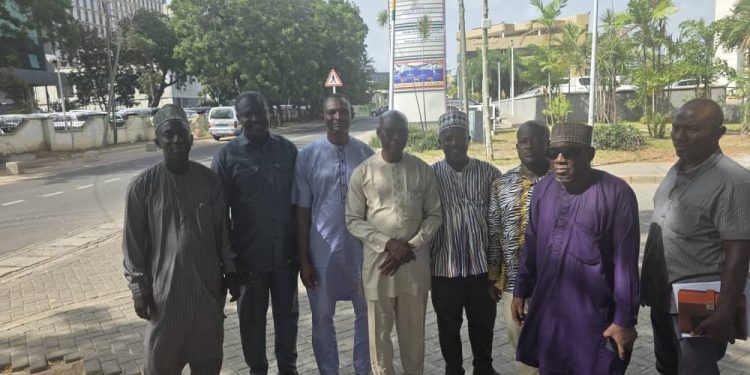
A threatened sit-down strike by port transport drivers has been averted following a productive emergency meeting between the Joint Association of Port Transport Drivers (JAPTU) Ghana and the Ghana Shippers’ Authority (GSA). The strike, which had been planned in protest against new regulatory measures affecting port transport operators, was called off after both parties reached a consensus on the key issues that had sparked the standoff. Speaking to Citi News on Monday, April 13, JAPTU’s Executive Secretary Ibrahim Musah explained that a critical clarification from the government played a decisive role in resolving the tension. Drivers had harboured concerns that the GSA’s planned registration exercise was aimed at individual operators, a prospect that had alarmed many within the sector. Those fears, Musah said, were put to rest. The government made clear that the registration exercise targets corporate transport entities, not individual drivers. That single clarification, he noted, addressed one of the most significant grievances that had been driving JAPTU toward industrial action. With the assurance on the table, JAPTU’s leadership announced its decision to withdraw the strike in the interest of continued dialogue and constructive engagement. The agreement reached goes beyond simply standing down the strike. As part of the understanding between the two parties, the Ghana Shippers’ Authority is expected to facilitate further discussions between JAPTU and the Minister of Roads and Highways on concerns surrounding the new axle load control regime, an issue that remains a live concern for transport operators. JAPTU’s leadership expressed optimism that the ongoing engagements will lead to a more inclusive approach to policy implementation within the transport sector, signalling a shift from confrontation to collaboration. Musah was generous in his praise for how the GSA handled the situation. “The leadership of JAPTU Ghana is happy to announce that we are calling off our intended sit-down strike after a very fruitful dialogue session with the leadership of the Ghana Shippers’ Authority,” he said. “We want to also take this opportunity to commend the Chief Executive of the Ghana Shippers’ Authority and his team members for the swift manner in which they reacted to the concern that we brought up,” he added. The resolution is expected to ease tensions across the port transport industry and ensure the smooth movement of goods through Ghana’s ports as consultations between all parties continue. Source: Apexnewsgh.com