
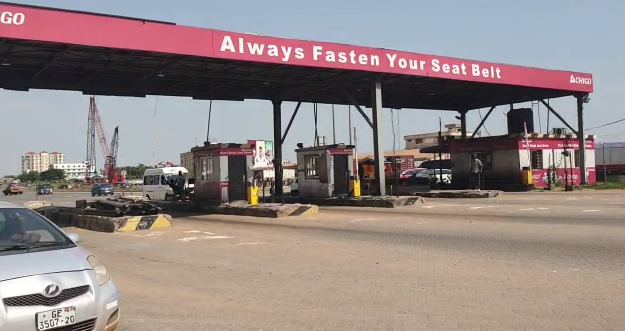
Ghana is on the verge of turning a significant page in its road infrastructure story. The Roads and Transport Committee of Parliament has confirmed that the country’s long-awaited electronic road toll system will be up and running by the fourth quarter of 2026, a development that promises to restore a vital stream of funding for road maintenance and development.
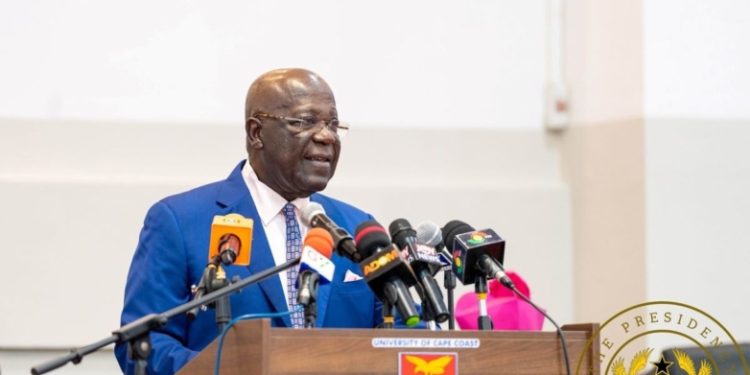
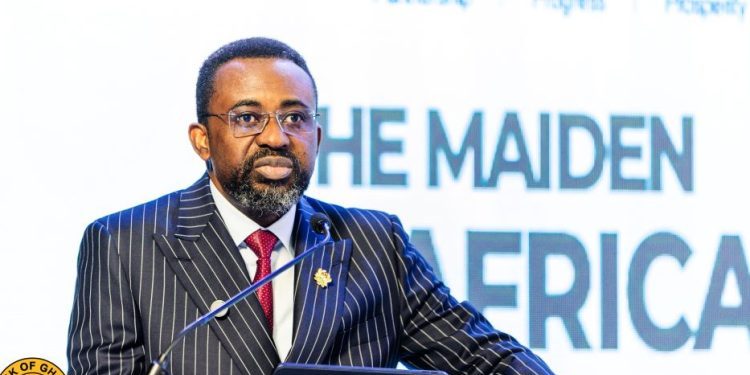
The announcement came on Thursday, March 26, 2026, in Accra, where Isaac Adjei Mensah, Chairman of the Committee and Member of Parliament for Wassa East, addressed the Parliamentary Press Corps. His remarks came in direct response to concerns raised earlier in the week by the Minority Caucus, which had questioned the pace at which the toll system was being rolled out.
“All feasibility studies and preparatory processes will soon be finalised,” Mr. Adjei Mensah said, projecting confidence that the implementation timeline was firmly on track.
But the Chairman did not stop at reassurance; he went on the offensive. Pushing back sharply against the Minority’s criticism, he argued that those who abolished the toll system in the first place had little standing to question the speed of its restoration.
“The Minority has no moral justification to criticise the pace of this policy,” he said pointedly.
His remarks carried the weight of hard numbers. Before the tolls were scrapped under the previous administration, they were generating approximately GH¢60 million every month for the state — a substantial and consistent revenue flow that vanished overnight with their abolition. The resulting gap, Mr Adjei Mensah stressed, had left Ghana’s road maintenance infrastructure starved of funding, with deteriorating roads and stalled projects bearing the consequences.
“The abolition of the tolls led to substantial revenue losses,” he said, framing the electronic system not as a new policy experiment, but as a necessary correction — one designed to close the gap and rebuild the country’s capacity to maintain and expand its road network.
The electronic format, he explained, is a deliberate upgrade. It will bring efficiency and transparency to the revenue collection process, replacing the vulnerabilities of manual toll collection with a modern, accountable system.
“This system will ensure efficiency in collection while restoring a reliable revenue stream for road infrastructure development,” the Chairman said.
Beyond the toll system, the Committee used the occasion to address a broader range of infrastructure concerns. On the government’s “Big Push” initiative, Mr. Adjei Mensah moved to clarify questions surrounding contract awards, noting that only 44 percent of the 400 contracts under the programme were awarded through sole sourcing, with the majority going through competitive bidding processes.
The session also touched on several other critical projects and policy directions, among them, progress on the Boankra Inland Port, the status of the Mpakadan Railway System, government plans to restructure the Road Fund into a Road Maintenance Trust Fund, and the partial payment of GH¢107 billion in outstanding road arrears.
Taken together, the disclosures painted a picture of an administration working to untangle years of infrastructure debt while laying the groundwork for more sustainable, transparent, and efficient systems.
With Q4 2026 now firmly in view, Ghana’s roads and the funds needed to keep them in shape may soon be on a more reliable footing.
Source: Apexnewsgh.com