



When a trade disruption creates a crisis for poultry farmers, one president’s response is to feed it to schoolchildren. That, in essence, is the thinking behind President John Dramani Mahama’s latest directive, and it is a solution as practical as it is direct.
President Mahama has instructed that the School Feeding Programme be used as a temporary outlet to absorb a surplus of eggs currently flooding the domestic market, offering struggling poultry producers a lifeline while putting nutritious food on the plates of Ghana’s schoolchildren.
The oversupply did not emerge overnight. Poultry producers have been sounding the alarm over a trade disruption with Burkina Faso that has effectively blocked egg exports for more than two months. With a key export market shut off, eggs that would ordinarily have crossed the border have been piling up locally, driving prices down and squeezing the finances of farmers and distributors who depend on steady market access to stay afloat.
The situation has been compounded by the success of the government’s own poultry development programmes, which have boosted domestic egg production. More supply, fewer outlets, the result is a glut that is hurting the very farmers the programmes were designed to support.
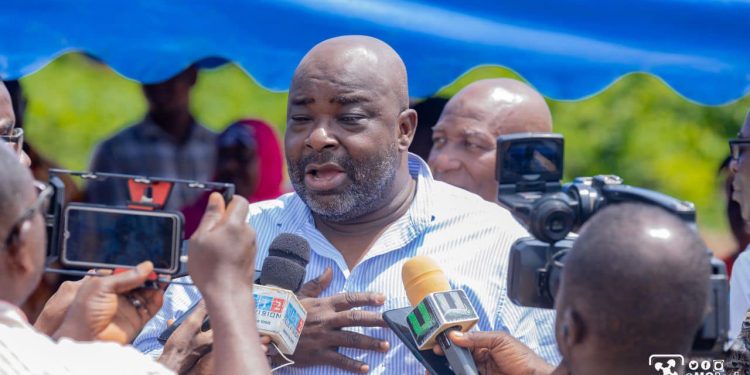
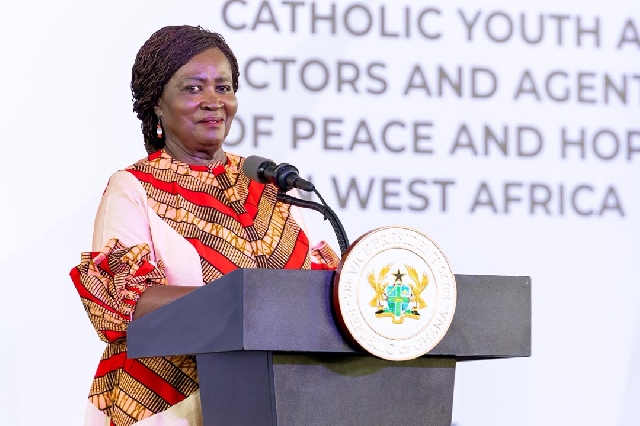
Speaking during a citizen engagement at the University for Development Studies in the Northern Region on Sunday, April 19, as part of his “Resetting Ghana” tour, President Mahama acknowledged the crisis plainly and offered his response with equal plainness.
“As I speak now, there’s a glut in the production of eggs. Poultry farmers are complaining that they can’t get a market for their eggs,” he said.
His solution? Route the surplus through the School Feeding Programme, ensuring that the eggs reach children across the country rather than going to waste.
“And that’s why I’ve said that we should find a way of getting the School Feeding Programme to absorb the eggs and give it to our children to eat. If we can’t sell it, let our children eat the eggs,” the President said.
The directive is notable for addressing two challenges at once. For poultry farmers, it provides an immediate domestic market to ease the pressure of the glut. For schoolchildren benefiting from the feeding programme, it means a more nutritious meal.
President Mahama also indicated that efforts are underway to resolve the underlying export impasse with Burkina Faso and restore market stability in the longer term, suggesting that the School Feeding intervention is intended as a bridge measure while diplomatic and trade channels are worked through.
For now, Ghana’s schoolchildren may be about to find eggs on their plates a lot more often, and the country’s poultry farmers will be hoping that is exactly what happens.
Source: Apexnewsgh.com