






AfCFTA Could Lift 40 Million Out of Poverty by 2035 — But Key Barriers Remain, Says World Bank
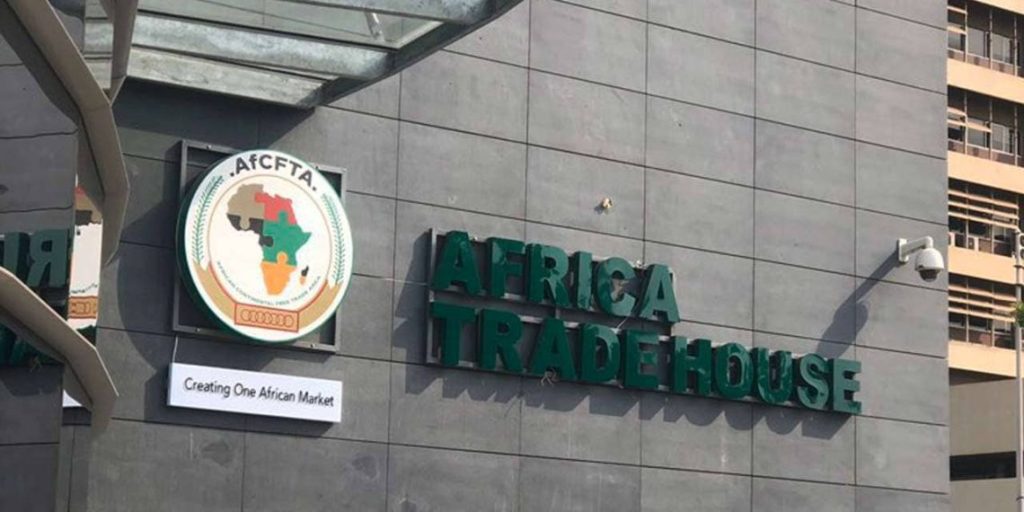
The African Continental Free Trade Area (AfCFTA) holds the promise of raising real incomes across the continent by 7–9% and pulling 40 million people out of extreme poverty by 2035, but that promise remains largely unfulfilled, the World Bank has warned. Launched in January 2021, the AfCFTA is a landmark trade agreement among African Union member states designed to create a single continental market for goods and services. Despite its ambitious vision, the World Bank’s April 2026 Africa Economic Update paints a sobering picture: the agreement’s transformative impact has yet to materialise. According to the report, unlocking the full potential of the AfCFTA will not happen on its own. It will require frontrunner countries to take the lead on implementation, backed by robust monitoring, strict enforcement of commitments, and targeted investment in regional public goods. The World Bank was candid about where the real obstacles lie. “While tariff reductions under the AfCFTA will help intraregional trade, the most significant constraints stem from internal trade costs,” the report noted. These internal costs include inadequate transport and logistics infrastructure, inefficient customs and regulatory systems, limited digitalisation, and high domestic finance and logistics expenses, structural challenges that tariff cuts alone cannot resolve. Adding to these hurdles, non-tariff barriers such as selective export bans remain widespread across the region, further dampening the flow of trade between African nations. Looking ahead, the World Bank urged that Phase II of the agreement prioritise investment, intellectual property, competition policy, and the meaningful inclusion of women and youth in trade, areas seen as critical to tackling the deep-rooted internal cost barriers. Even so, the Bank struck a note of caution, warning that implementation is likely to be gradual given the substantial investment requirements and the need for far-reaching institutional and regulatory reforms. The message from the World Bank is clear: the AfCFTA’s potential is real and significant, but turning that potential into tangible gains for African people will demand sustained political will, coordinated action, and long-term investment across the continent. Source: Apexnewsgh.com
President Akufo-Addo Urges Global Community to Harness AfCFTA Potential

President Nana Addo Dankwa Akufo-Addo has called on world leaders and the global business community to seize the potential income of $450 billion generated from continental trade under the African Continental Free Trade Area (AfCFTA) by 2035. He also highlighted the significance of increasing Africa’s share of global trade from two percent to three percent, which could result in an additional annual income of $70 billion for the continent. To achieve these goals, President Akufo-Addo stressed the importance of fostering mutually beneficial partnerships between the private sectors in advanced economies and African economies. The President urged the global community to support a new investment approach that prioritizes these partnerships, as well as propositions that encourage the sustainable development of Africa. Addressing the issue of illicit financial flows, President Akufo-Addo emphasized the urgency of tackling “tax-dodging” practices by multinational corporations. These practices are responsible for 60% of the $88 billion illicit financial flows from Africa each year, hindering the continent’s progress. While acknowledging the challenges faced by African infrastructure projects, where 80% fail during the feasibility and planning stages, President Akufo-Addo pointed out that suitable reforms and interventions could unlock annual investments of $550 billion in infrastructure, as highlighted by McKinsey & Company. The President highlighted that Africa’s biggest challenge is not the scarcity of financing, but rather poor governance, risky perceptions, and an unfavorable environment for attracting investors. He expressed confidence in creating a de-risked landscape that attracts investment from private sources, international financial institutions, and sovereign wealth funds, urging governments to prioritize transformative investments in infrastructure for Africa’s development. According to the African Development Bank, Africa’s infrastructure financing needs will reach $170 billion annually by 2025, with a gap of approximately $100 billion per year. President Akufo-Addo stressed the urgency to address reliable electricity, affordable housing, improved transportation networks, and accessible healthcare infrastructure, particularly in light of Africa’s growing population of 2.5% annually. In light of recent global events, such as the COVID-19 pandemic, the Russian invasion of Ukraine, and turmoil in the Middle East, which pose threats worldwide, the President underscored the need for African policymakers to achieve inclusive and sustainable long-term growth through structural transformation. Overall, President Akufo-Addo’s message at the Africa-Italy Summit aimed to mobilize support from global stakeholders in realizing the immense potential of the AfCFTA and driving Africa’s economic development sustainably. Source: Ngamegbulam Chidozie Stephen Please contact Apexnewsgh.com on email apexnewsgh@gmail.com for your credible news publications. Contact: 0256336062
AfCFTA: Construction Chamber advocates for reduction of lending rate

The Ghana Chamber of Construction Industry has joined calls for a relook at the lending rate in the country especially with the commencement of the African Continental Free Trade Area (AfCFTA) Agreement. The Construction Chamber argues that the rate puts its members at a disadvantage amongst other African countries with access to cheaper credit. In an interview with Citi Business News, President of the Construction Chamber, Emmanuel Cherry, said addressing this challenge is pivotal in making Ghanaian businesses competitive in AfCFTA. “We are pleading with a government that it should come and have a second look at the financial sector for us so that the interest can at least be relooked at. The Bank of Ghana should come and see how best they can at least upgrade the policy rate. There is a lot of work that has to be done there. Most of our things are from the manufacturing sector and the sector is also borrowing with high-interest rate from the market and the competitors are coming with the same goods. We may abandon them and go for the cheaper ones because we also want to make a profit. So at the end of the day, you see that they will come into the country and beat us to poor with will not inure to the benefit of the economy of the country.” With its headquarters situated in the capital Accra, it is an agreement amongst 54 African countries, that seeks to progressively reduce and eventually eliminate customs duties and non-tariff barriers on goods and allow the free provision of services in priority sectors. Concerning trade in goods, the goal is set for 90% of products at zero duty across the continent. Other stakeholders like the Ghana Union of Traders Association and the Association of Ghana Industries had earlier expressed similar concerns about the current lending rate in the country. They also called on the government to take steps to significantly reduce the rate to enable them to be more competitive in the region. Citinewsroom Please contact Apexnewsgh.com on email apexnewsgh@gmail.com for your credible news publications. Contact: 0555568093.