




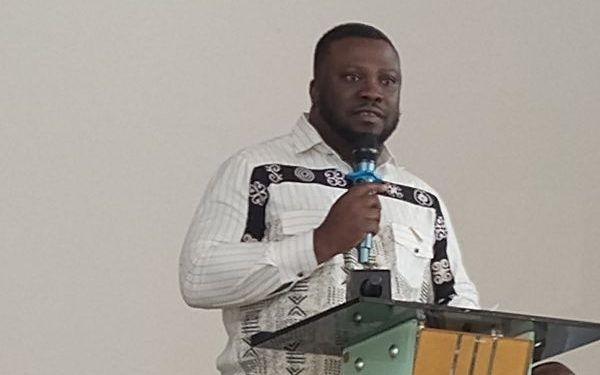

Bongo Paramount Chief Urges President to Fast-Track Bongo Solar Farm Amid Persistent Power Crisis in Upper East Region
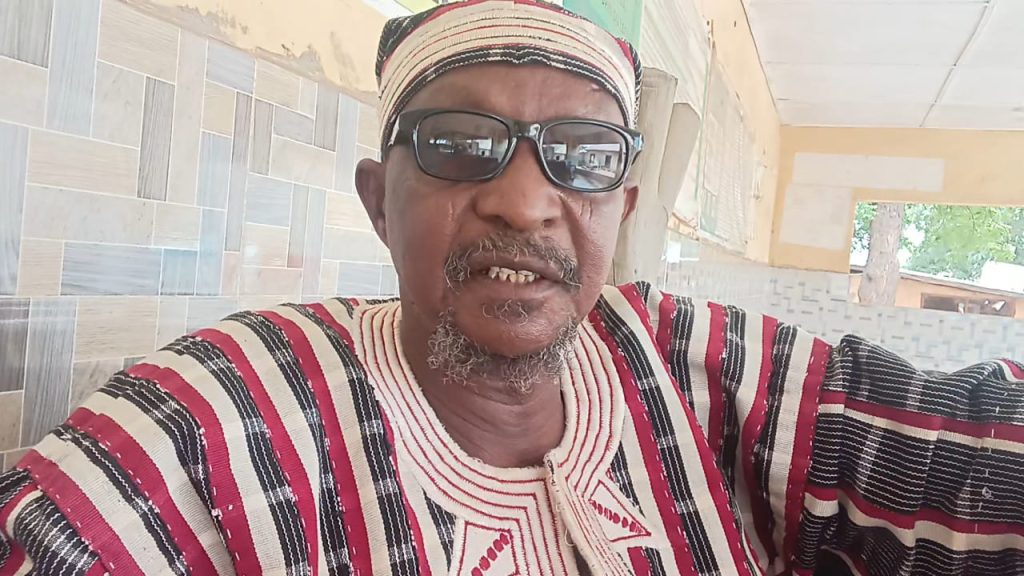
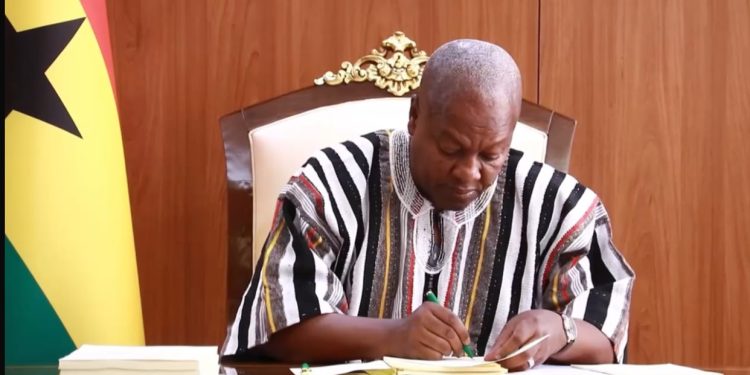
The Paramount Chief of the Bongo Traditional Area, Naba Baba Salifu Atamale Lemyaarum, has made a passionate appeal to President John Dramani Mahama to accelerate the development of a solar farm in Bongo, as residents of the Upper East Region continue to grapple with persistent and debilitating power fluctuations. The Chief made the call during an exclusive interview with Ngamegbulamm Chidozie Stephen of Apexnewsgh on Wednesday, using the platform to draw urgent attention to an electricity crisis that he says has gone on for far too long. For the people of the Upper East Region, the power situation has become a source of daily anguish. According to Naba Atamale Lemyaarum, residents have endured at least two weeks of erratic power supply, marked by constant fluctuations and outages that have disrupted livelihoods and daily life. The situation reached a troubling low just days before the interview, when the community spent an entire night without electricity. The following morning brought an alarming explanation: a substation had caught fire. “The load on our substation is too much,” the Paramount Chief said plainly, pointing to an overstretched power infrastructure that he believes is at the root of the region’s recurring electricity woes. Rather than simply lamenting the problem, Naba Atamale Lemyaarum offered a concrete solution, one that, in his view, has been sitting idle for over a decade. He called for a greater embrace of solar energy, arguing that the Upper East Region’s abundant sunshine is a resource that is being squandered. In his vision, solar power would serve domestic needs, while hydropower is preserved for more energy-intensive industrial uses such as factories and welding. “Solar energy will augment the hydropower,” he said. “With hydropower, we can use it for factories, welding and all that. But domestically, it will depend on solar power.” Central to the Chief’s appeal is a project that was announced with great fanfare more than a decade ago. In 2014, the Volta River Authority (VRA) acquired land in Bongo for the construction of a solar farm one that was described at the time as potentially the second largest solar farm in the whole of West Africa. Yet, years on, the project remains unfinished. While the Paramount Chief acknowledged that some work has been done, he expressed frustration at the pace of progress, describing implementation as “very slow.” It is against this backdrop that he directed his appeal to the President — a leader he spoke of with genuine admiration. “He is a man of wisdom and charisma, who is seeking to get the welfare of the people of this country,” Naba Atamale Lemyaarum said. But admiration, he made clear, does not diminish the urgency of the request. He pleaded with the President to direct the VRA to immediately prioritise the completion of the Bongo solar farm, arguing that doing so would provide the critical backup needed to end the cycle of power crises plaguing the region. The stakes of the power crisis extend beyond inconvenience. The Upper East Region is currently experiencing intense heat, and the combination of soaring temperatures and unreliable electricity, which limits access to fans and cooling, has compounded public health concerns, particularly around the risk of meningitis, a disease the region has historically been vulnerable to. For Naba Atamale Lemyaarum, the message to Accra is simple: the people of the Upper East Region cannot afford to wait much longer. The land is there, the sun is there, and the need has never been more pressing. What is required now is the political will to act. Source: Apexnewsgh.com
Bats Blamed for Persistent Power Outages in Builsa North: Community Demands Lasting Solution
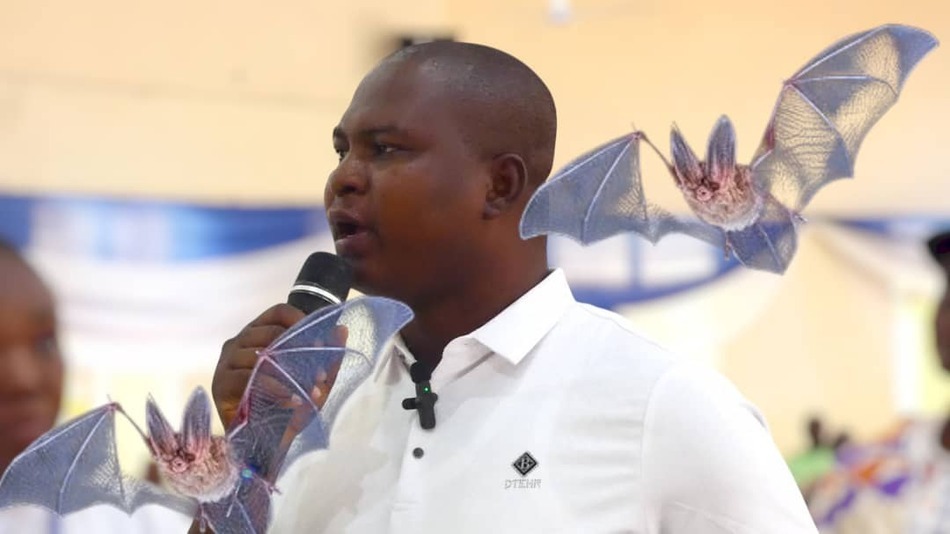
During a recent public engagement organized by the Public Utilities Regulatory Commission (PURC) in the Upper East Region, residents of Builsa North expressed growing frustration over persistent power outages, which they surprisingly attributed to bats. Apexnewsgh reports The meeting, held on Monday, brought together representatives from utility providers, local leaders, and aggrieved community members, whose patience is wearing thin over what has become a recurring disruption in their daily lives. For many in Builsa North, the frequent blackouts have gone from being a mere inconvenience to a serious threat to livelihoods, education, and health. Community members recounted how each time they reached out to the Volta River Authority (VRA) or the Northern Electricity Distribution Company (NEDCo) to complain, the explanation given was always the same: bats are to blame. “It’s always bats, bats, bats,” one resident lamented. “Every time we ask why the lights are out, they say it’s because of bats on the lines or at the substations. But how long must we accept this excuse?” The repeated reference to bats as the culprit has left many residents both bewildered and skeptical. Some see it as a convenient explanation for deeper infrastructural or maintenance problems, while others worry that the issue is not being taken seriously enough by the authorities. For the benefit of the public, Apexnewsgh conducted a quick investigation into the link between bats and power outages. The findings reveal that, while unusual, bats can indeed be responsible for electrical faults and blackouts. In areas with overhead power lines or exposed electrical infrastructure, bats can collide with wires, causing short circuits or faults that lead to outages. Large colonies may also roost or nest on transmission towers and substations. Their droppings and urine can accumulate, creating conductive paths that result in equipment malfunctions and further outages. This phenomenon, while not unique to Builsa North, is recognized by utility companies worldwide. However, communities and wildlife experts agree that there are established measures to mitigate bat-related disruptions. Utilities can install exclusion devices, modify infrastructure, or implement regular cleaning and maintenance schedules to prevent bats from roosting and reduce the risk of outages. Despite this, residents of Builsa North say they have seen little evidence of such interventions. “We are not saying bats aren’t a problem,” another participant noted at the public hearing, “but what are VRA and NEDCo doing to fix it? We deserve a permanent solution—not just excuses.” The persistent outages have had ripple effects throughout the community. Small businesses report losses when refrigeration fails or equipment cannot run. Students struggle to study after dark. Health facilities risk the spoilage of medicines and vaccines that require constant refrigeration. The issue has now become a rallying point for local advocacy, with residents calling on the PURC and all relevant authorities to hold utility providers accountable and demand a comprehensive action plan. Suggestions include the installation of bat deterrents, more frequent inspection and cleaning of substations, and investment in more resilient infrastructure. At the end of the engagement, PURC representatives assured the community that their concerns would be included in ongoing consultations and that follow-up discussions with VRA and NEDCo would address both immediate and long-term solutions. As Builsa North waits for decisive action, the hope is that future power supply stories will focus less on bats and more on the bright promise of reliable electricity for all. Source: Apexnewsgh.com/Ngamegbulam Chidozie Stephen