

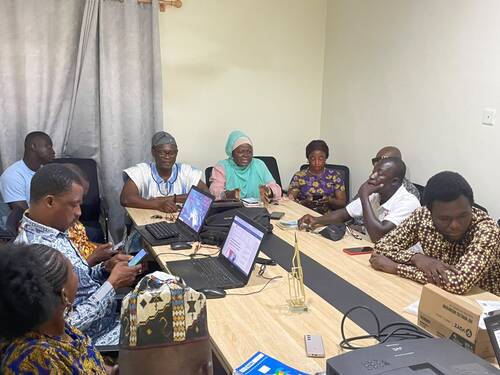
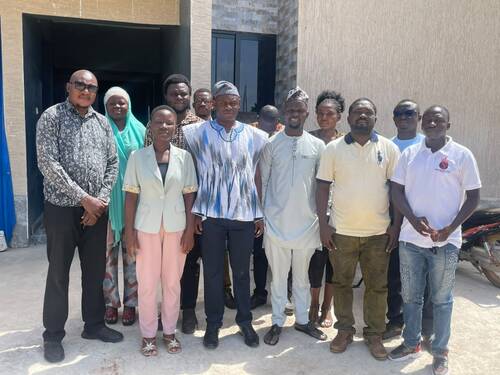
In the wake of mounting xenophobic attacks in South Africa, the Patriotic Journalists Against Galamsey (PAJAG) has sounded a clarion call for the Government of Ghana to prioritize Ghanaian businesses, especially in strategic sectors like mining, as part of a broader effort to support citizens returning home under distressing circumstances.
The story began when news broke of yet another wave of violence targeting African nationals, including Ghanaians, in South Africa. Many were forced to leave behind thriving businesses and livelihoods, journeying back to Ghana with uncertainty clouding their futures. In a heartfelt statement signed by Executive Director Nana Otu Darko, PAJAG expressed deep concern for the displaced Ghanaians and the challenges they now face.
Despite the pain and frustration, PAJAG stood firm in cautioning against any acts of retaliation towards South Africans living or working in Ghana. “Let us uphold peace, diplomacy, and Pan-African unity,” the group urged, reinforcing Ghana’s reputation for hospitality and level-headedness in times of crisis.
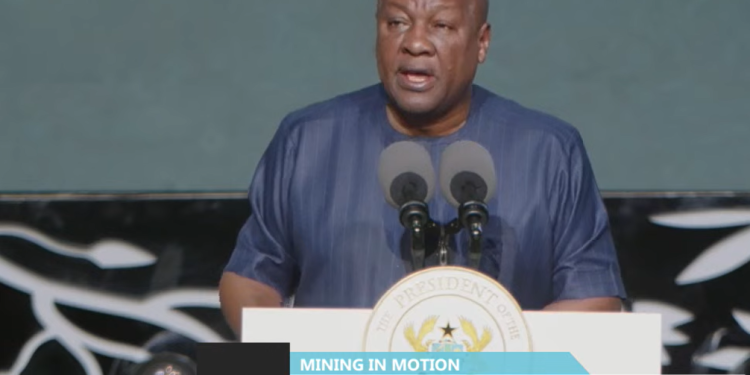
PAJAG took a moment to commend President John Dramani Mahama, Foreign Affairs Minister Samuel Okudzeto Ablakwa, Ghana’s High Commissioner to South Africa Benjamin Quashie, and businessman Ibrahim Mahama for their swift support to affected compatriots. Their efforts, the group noted, exemplified true leadership in a time of need.
Looking ahead, PAJAG advocated for a thorough audit of South African companies operating in Ghana. They recommended that, where lawful and necessary, expiring contracts should not be renewed. Instead, any opportunities arising from such transitions ought to be channeled toward capable Ghanaian entrepreneurs and investors, boosting local participation in vital sectors and opening new doors for those forced to return home.
The group further championed the creation of a national reintegration programme, envisioning access to credit, skills training, and employment opportunities for returning Ghanaians. “Empowering local businesses and transitioning opportunities to Ghanaian companies will help create jobs, strengthen local industries, and reinforce our economic resilience,” PAJAG affirmed.
Diplomatic engagement, they insisted, should be intensified with South African authorities to protect Ghanaian nationals and develop long-term strategies to combat xenophobia across Africa.
Through it all, PAJAG maintained that Ghana’s response must be rooted in lawful economic empowerment and national development, without compromising the country’s commitment to peace, unity, and positive relations within the African family.
Source: Apexnewsgh.com