
Christian Council of Ghana Backs President Mahama’s Cautious Approach to Anti-LGBTQ+ Bill
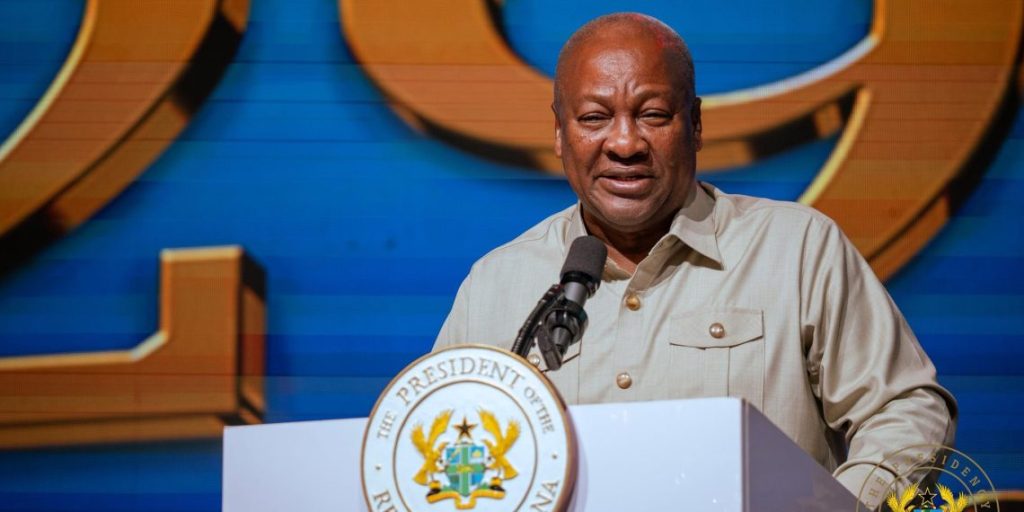
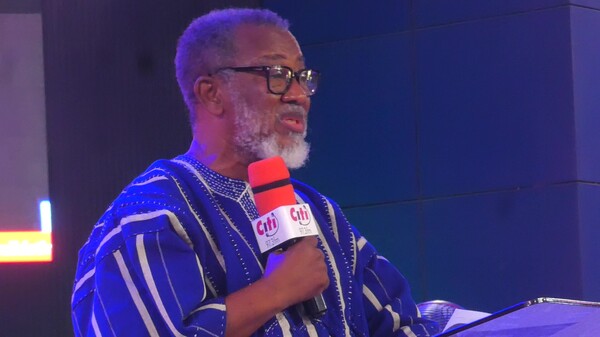
The Christian Council of Ghana has publicly defended President John Dramani Mahama’s decision to subject the Human Sexual Rights and Family Values Bill, widely known as the anti-LGBTQ+ bill, to further review before taking any final action. During his recent visit to the United Kingdom, President Mahama indicated that the contentious bill would undergo additional scrutiny to ensure full compliance with constitutional requirements before any decision to assent to it. This measured approach has sparked debate among Ghanaians, with opinions divided over the appropriate next steps for the legislation. Speaking to the media, Rev. Jehodia Godwin Amuzu, Coordinator for Interfaith and Ecumenical Relations at the Christian Council, described the president’s stance as both prudent and constitutionally sound. He emphasized that President Mahama has every right to consult legal and constitutional advisers to guarantee the bill’s legal robustness. “The president has to give the bill to his advisors for them to go through to be sure that the bill satisfies every constitutional requirement. Otherwise, anybody who goes to court can cause the bill to be struck out,” Rev. Amuzu explained. He urged patience, underscoring that such scrutiny is part and parcel of democratic governance. “Nobody can just give a fiat when the law does not permit that. So, let’s give the president the benefit of the doubt,” he added. Rev. Amuzu also reminded the public that President Mahama had previously assured religious leaders of his intention to assent to the bill if it is found to be constitutionally sound and presented to him. “In one of our encounters with him, he indicated that when the bill is brought to him, he will assent to it,” Rev. Amuzu recalled, noting that the bill’s non-state-sponsored nature calls for extra diligence to ensure it is “fit for purpose.” Welcoming recent calls by Speaker of Parliament Alban Bagbin for lawmakers to reconsider the bill, Rev. Amuzu described such parliamentary engagements as a hallmark of healthy democracy. “We are not in an authoritarian regime. So, once we embrace democracy, we have to embrace other techniques of democracy,” he said, stressing the importance of checks and balances and active citizenship. These remarks come against the backdrop of renewed debate over the future of the anti-LGBTQ+ bill and the dynamic roles of both the executive and Parliament in shaping its destiny. Source: Apexnewsgh.com
Governor of Bank of Ghana Reassures Investors: Ghana Open for Business Again
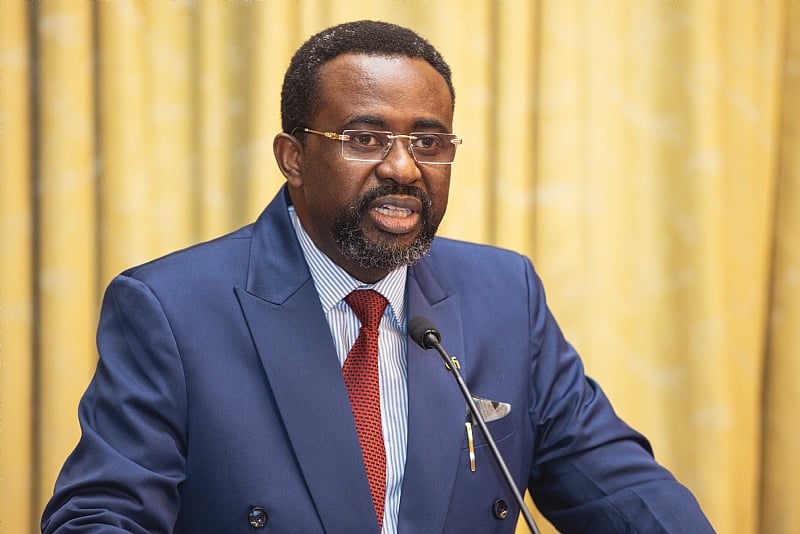
Ghana is once more ready to welcome investors, according to Dr. Johnson Pandit Asiama, Governor of the Bank of Ghana (BoG). Addressing an audience at the Ghana-UK Investment Summit in London, Dr. Asiama affirmed that recent economic reforms have restored stability and renewed confidence in Ghana’s long-term growth prospects. Reflecting on the challenges of Ghana’s 2022 economic crisis and the subsequent Domestic Debt Exchange Programme, Dr. Asiama acknowledged the caution that some investors have felt in recent years. However, he stressed that decisive policy and institutional reforms have since been implemented to ensure such difficulties are not repeated. Among these reforms, Dr. Asiama highlighted amendments to the Bank of Ghana Act, which now provide stronger safeguards against excessive central bank financing of government spending. New fiscal rules have also been introduced to reinforce discipline in economic management. “We are building back better. What happened in the past belongs to the past,” Dr. Asiama told investors, pointing to improving macroeconomic indicators as proof that Ghana’s economic recovery is underway. He noted, however, that global geopolitical tensions and the ongoing conflict in the Middle East remain significant factors in preventing a more rapid decline in interest rates. Dr. Asiama suggested that, were it not for these global uncertainties, interest rates in Ghana could already have fallen below 10%. He expressed confidence that as international conditions normalize, Ghana will continue on its path toward lower interest rates and stronger economic growth. Looking to the future, the Governor drew inspiration from financial centers in the Middle East and Asia, suggesting that Ghana could become the “Singapore of Africa” with the right investments. He outlined an ambitious vision to transform Accra into a leading international financial services hub within the next few years. Dr. Asiama concluded by urging the Ghanaian diaspora and international investors to seize the opportunities emerging from Ghana’s improving economic environment. He emphasized that the time is ripe for investment across multiple sectors, as the country enters a new phase of growth and development. Source: Apexnewsgh.com
Interior Minister Warns of Rising Threats from Drug Abuse and Human Trafficking
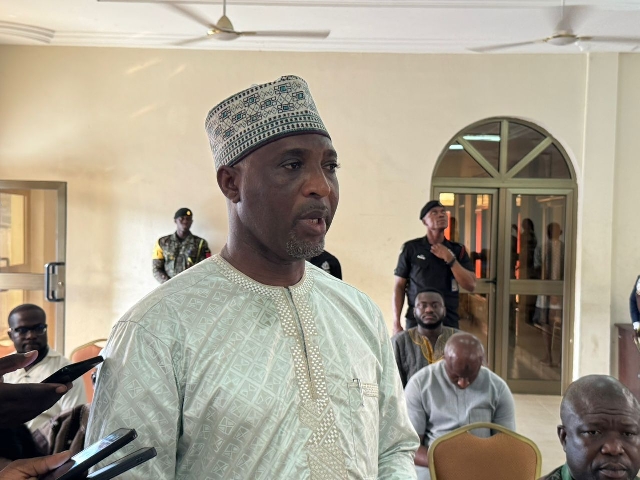
Interior Minister Muntaka Mohammed-Mubarak has sounded the alarm over the escalating dangers of drug abuse, human trafficking, and irregular migration in Ghana, describing them as pressing security issues that demand immediate national action. Speaking at a stakeholder engagement in Ho, the Minister called on religious leaders, traditional authorities, and community members to join forces with the government to tackle crime and shield the nation’s most vulnerable. He highlighted the crucial role that collective vigilance and support play in confronting these growing threats. During his remarks, Mr. Muntaka revealed that in 2025 alone, the Ghana Immigration Service rescued 714 victims of human trafficking and apprehended 103 suspected traffickers in operations conducted across the country. Investigations showed that all the rescued victims had entered Ghana through the Volta Region, specifically using the Aflao and Akanu border corridors, often through unauthorized routes to evade detection. This trend, he noted, underscores the urgent need for enhanced border surveillance and stronger collaboration between local communities and security agencies to identify and report suspicious activity. The Minister also defended the ongoing use of inland security checkpoints, emphasizing their importance in curbing trafficking, smuggling, organized crime, and other potential security threats. While acknowledging public frustrations about checkpoint delays and occasional misconduct by some officers, Mr. Muntaka assured that the government is rolling out reforms and technology-based screening systems to boost efficiency and professionalism within the security services. The Minister further expressed deep concern about the growing abuse of illicit drugs among Ghanaian youth, describing it as a grave threat to both national security and social development. He pointed out that parts of the Volta Region have become hotspots for the cultivation and distribution of illegal substances, with international agencies also flagging Ghana in connection with global narcotics circulation. Mr. Muntaka issued a heartfelt appeal to churches, mosques, and traditional leaders to strengthen public education on the dangers of drug abuse and trafficking. He stressed that community involvement is essential in the fight against narcotics, alongside the efforts of security agencies. Concluding his address, the Minister urged citizens not to conceal criminal activities behind religious institutions or traditional shrines. He reassured the public that security agencies would continue to act on credible intelligence while upholding the rights of all individuals. Source: Apexnewsgh.com
Ghana’s High Commission in South Africa Temporarily Pauses New Repatriation Registrations
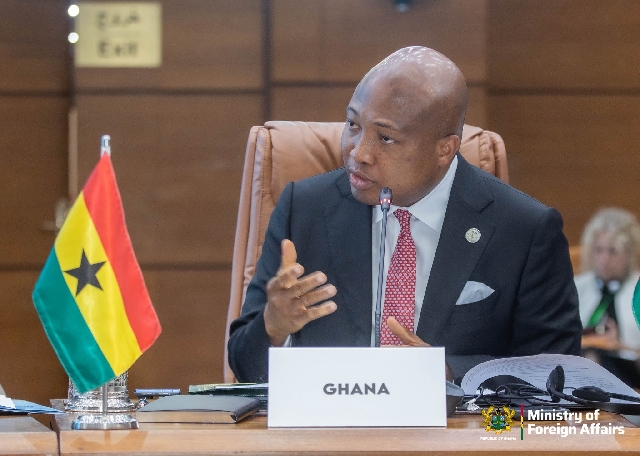
Ghana’s High Commission in South Africa has announced a temporary suspension of new registrations for its voluntary repatriation programme as officials work to process an influx of applications from Ghanaian nationals eager to return home. The announcement came in a statement released on June 1, with the mission specifying that the pause would take effect from Tuesday, June 2, 2026. The suspension is intended to give immigration and consular authorities enough time to review and verify the more than 1,500 applications already received. According to the High Commission, screening and processing of these applications are currently underway. The decision to halt new sign-ups, officials explained, aims to ensure a thorough assessment of all pending applications before moving on to the next phase of the repatriation exercise. Despite the temporary pause, the High Commission was quick to clarify that the repatriation programme itself remains active and has not been discontinued. Prospective applicants who have yet to register were assured that they will have another opportunity to do so once the current verification process has been completed. The mission noted that details of the next registration window will be communicated at a later date. In its statement, the High Commission also expressed sincere gratitude to the Ghanaian community in South Africa, thanking members for their patience, cooperation, and understanding during this period. This support, the mission emphasized, is essential for the smooth execution of the repatriation initiative. The temporary suspension comes in response to the overwhelming demand for voluntary return, as authorities seek to manage the process effectively and ensure that every application receives careful attention before registrations resume. Source: Apexnewsgh.com
Bank of Ghana Refutes Claims of Headquarters Sale
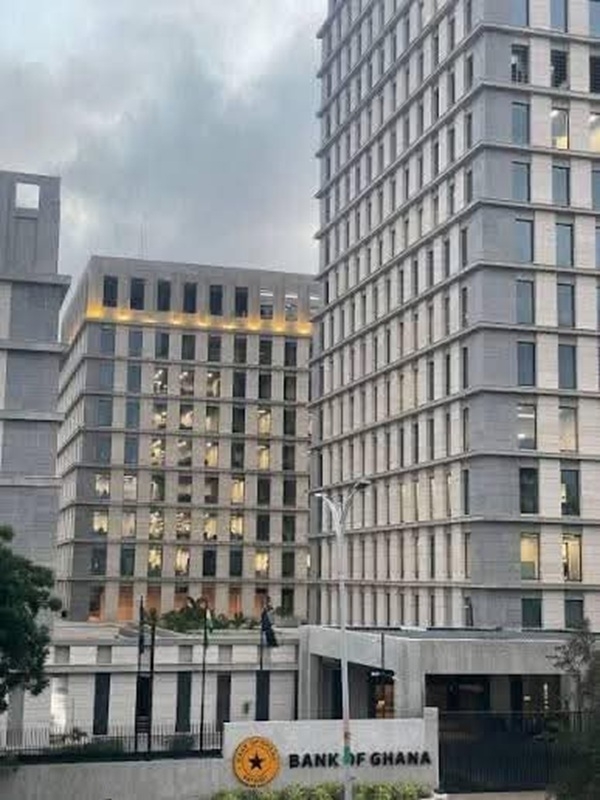
On June 2nd, the Bank of Ghana found itself at the center of swirling rumors. Reports were making the rounds, claiming that the central bank was considering selling its newly constructed $260 million headquarters. The story, first published by MyJoyOnline, sent ripples across the financial sector and raised many eyebrows. But the Bank of Ghana was quick to set the record straight. In an official press release, the central bank categorically dismissed the rumors as both false and misleading. The statement, clear and direct, left no room for doubt: “The Bank of Ghana categorically states that this report is false and misleading. The Bank is not considering, discussing, or planning the sale of its new headquarters.” The Bank went on to explain the significance of its new facility. Designed to enhance efficiency and support its operations, the building is described as a critical institutional asset, an investment in the future of Ghana’s financial system. Far from being up for sale, the headquarters stands as a testament to the Bank’s commitment to its statutory mandate. Concerned about the impact of such unfounded stories, the Bank also issued a word of caution. It warned that the spread of unverified reports could erode public confidence and inject unnecessary uncertainty into Ghana’s financial market. “Unverified reports of this nature have the potential to undermine public confidence in Ghana’s financial system and create unnecessary market uncertainty,” the statement stressed. To further reassure the public, the Bank reaffirmed its dedication to transparency. All official announcements, it emphasized, are made only through its established channels, its website, verified social media accounts, press statements from its Communications Department, or signed statements from the Secretary of the Bank. In the end, the Bank of Ghana’s clear response put the rumors to rest, reminding everyone of the importance of fact-checking and the value of credible information in safeguarding the nation’s financial stability. Source: Apexnewsgh.com
From Classroom to Cabinet: Dr Hafiz Bin Salih’s Journey Recognised by ICMP USA
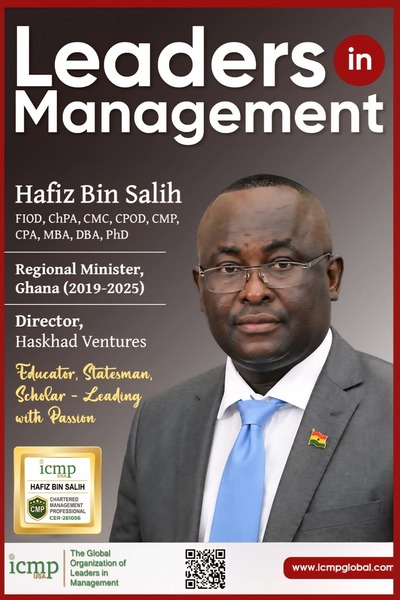
It began with a single classroom in Ghana, a place where young minds were shaped, and where one educator discovered a calling far bigger than textbooks. For three decades, that calling guided a quiet, determined leader through the corridors of schools, the challenges of grassroots educational reform, and eventually into the highest levels of public administration. From leading local institutions to serving as a Regional Minister, every step was driven by the same unwavering belief: that leadership rooted in integrity and strategy can transform communities. Now, that lifelong commitment has earned a new honour. The Institute of Chartered Management Professionals (ICMP USA) has featured this seasoned leader in its prestigious Leaders in Management series, a recognition reserved for those who inspire excellence and advance global management practice. “I am absolutely delighted and deeply honoured,” they shared, reflecting on the milestone. “My focus has always been to lead with commitment, integrity, and a dedication to sustainable institutional development.” As a Chartered Management Professional, this feature feels less like a destination and more like a reaffirmation. It underscores a powerful truth: that professional discipline, governance, and strategic vision, when woven together, can create lasting impact in institutions and across entire regions. With heartfelt gratitude to ICMP USA for championing professionals who empower people and elevate leadership worldwide, this leader looks ahead with renewed excitement. The journey that started in a Ghanaian classroom has come full circle, now inspiring a global audience, one story at a time. Source: Apexnewsgh.com
Ghanaian Returnee Alleges Zulu Role in South Africa’s Xenophobic Attacks
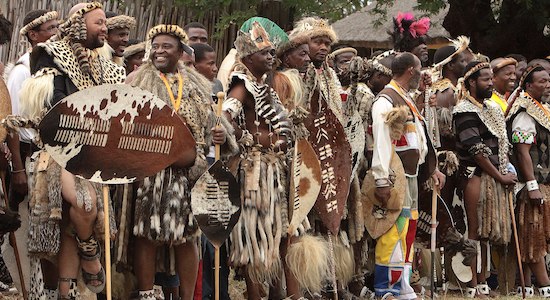
Victor Atsu Togo, a Ghanaian who recently returned from South Africa, has come forward with troubling claims about the wave of xenophobic violence targeting foreign nationals in that country. Speaking to the media on June 2, Mr. Togo described his experiences and observations, painting a grim picture of life for immigrants in South Africa. According to Mr. Togo, members of the Zulu ethnic group, renowned for their rich warrior heritage and cultural traditions, have played a leading role in the recent attacks. “This ethnic group has killed a lot of people; their actions are heartless,” he stated, calling the violence both disturbing and inhumane. The Zulu, the largest ethnic group in South Africa and primarily based in KwaZulu-Natal province, are known for their vibrant culture and proud history. But Mr. Togo alleged that some factions within the group operate like organized mercenary gangs, feared by residents and local leaders alike. He singled out a group he called “The Hit,” accusing them of committing violent acts with little regard for human life. Mr. Togo further suggested that the reluctance of many political and community leaders to openly address the crisis has contributed to the ongoing attacks, leaving immigrants vulnerable. He expressed deep concern about what he sees as growing lawlessness and hostility towards foreigners living and working in South Africa. Offering his personal assessment, he claimed that many male nationals are uninterested in work, while about 30 percent of female nationals embrace employment. For now, Mr. Togo’s testimony adds a personal and urgent perspective to the conversation about xenophobia in South Africa, raising questions about ethnic tensions, leadership, and the safety of immigrants across the region. Source: Apexnewsgh.com
Pre-Dawn Raid by NAiMOS Taskforce Halts Illegal Mining, Uncovers Dammed Dankai River
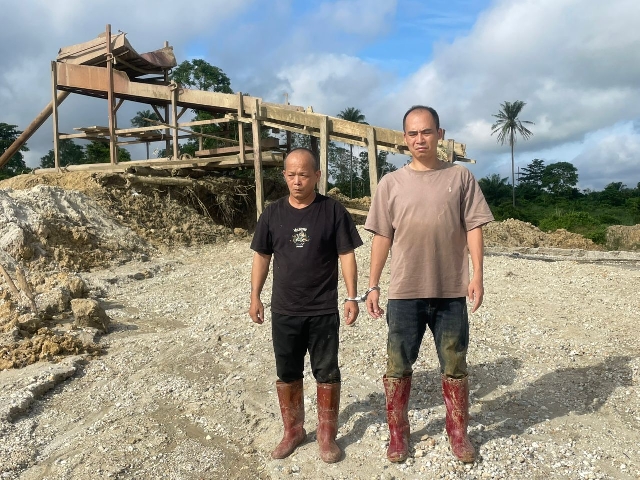
In the quiet, early hours of Sunday, May 24, 2026, the silence of Sanfo Adiam in Ashanti Region was shattered by the swift action of the National Anti-Illegal Mining Operations Secretariat (NAiMOS). Working in tandem with the Blue Water Guards, the Manso Adubia task force executed a carefully planned pre-dawn raid, striking at the heart of a notorious galamsey enclave along the Dankai River. The operation, which began under the cloak of darkness between 4:00 and 7:00 a.m., was fueled by credible intelligence of organized illegal mining in the area. As the task force approached, they spotted several miners at work, among them a Ghanaian wielding a pump-action firearm. Sensing the encroaching danger, most of the illegal operators, including the armed individual, vanished into the surrounding thickets. However, two Chinese nationals attempted to flee but were swiftly pursued and apprehended by the operatives. The arrested suspects, identified as Lu Honggeng (53) and Nong Zisun (41), were found at the very center of a sophisticated mining operation. The most alarming discovery was the deliberate engineering of the Dankai River: the illegal miners had blocked and redirected its natural flow into an artificial dam, channeling water to fuel their extraction activities. This manipulation of the river’s course was a stark assault on the environment and a threat to downstream communities that rely on its waters. Upon securing the site and the suspects, the joint team dismantled the illegal damming infrastructure. The two Chinese nationals were escorted to the NAiMOS Secretariat in Accra, pending further investigation and a handover to the Ghana Immigration Service. The presence of the firearm at the site underscored the escalating security risks facing anti-illegal mining operatives and highlighted the importance of continued vigilance. In a statement following the operation, NAiMOS assured the public that the disruption of the river and the illegal mining operation was complete, and pledged to sustain its crackdown in Amansie East and beyond until rivers like the Dankai are fully restored. The Secretariat also issued a stern warning to illegal miners, urging them to cease activities that devastate the nation’s water bodies and forests. Source: Apexnewsgh.com
Minority Accuses NDC Government of Betrayal Over Changes to Anti-LGBTQ+ Bill
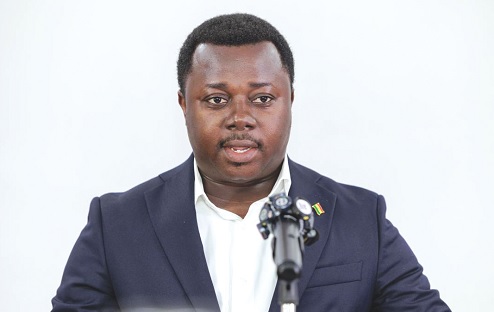
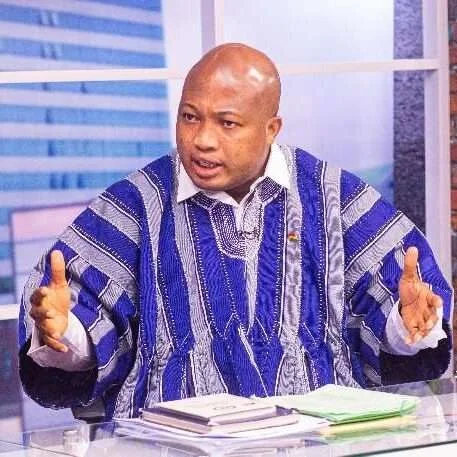
Tensions ran high in Parliament as the Minority caucus leveled serious accusations against the National Democratic Congress (NDC) government, claiming it had broken faith with Ghanaians by significantly altering the Human Sexual Rights and Family Values Bill, 2025, widely known as the anti-LGBTQ+ bill. Speaking passionately at a press conference on Monday, June 1, Rev. John Ntim Fordjour, the Member of Parliament for Assin South and a co-sponsor of the bill, voiced the Minority’s frustration. While reaffirming the caucus’s support for the bill’s objectives, he condemned what he described as sweeping amendments that, in his view, had fundamentally changed the legislation that Parliament originally passed in 2024. Rev. Ntim Fordjour accused the ruling NDC of “mutilating” the bill through extensive deletions, redrafting, and new insertions. He charged that the government’s actions contradicted its earlier stance, reminding the public that the NDC had once demanded the bill be signed into law exactly as passed. “Was that the promise?” he asked, referencing the NDC’s campaign assurances. “Was the promise to come and dilute the bill before he signs? That is a breach of trust. That is hypocrisy, and that is deception.” The controversy arose after Parliament passed the revised bill on Friday, May 30, which introduced several key changes. Under the new provisions, legal professionals offering counsel or representation to LGBTQ+ individuals are now exempt from sanctions. Journalists and media houses reporting on LGBTQ+ matters in their professional capacity are also protected. Additionally, medical professionals, including surgeons, psychologists, and counselors, who provide care to LGBTQ+ persons are shielded from prosecution. Despite the amendments, the Minority insists the government has deviated from its original promise, framing the changes as a betrayal of public trust and a dilution of the bill’s intended impact. Source: Apexnewsgh.com
Ghana Set to Launch Bold “New Economy” Blueprint in 2027 Budget
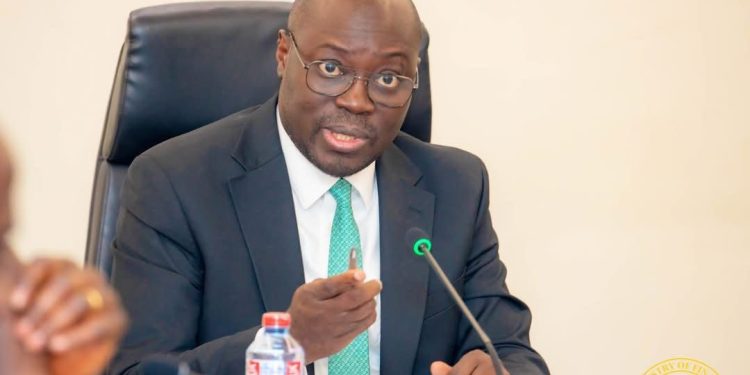
Finance Minister Dr. Cassiel Ato Forson took to the podium with a vision for Ghana’s economic future. Addressing a diverse audience of investors and business leaders, Dr. Forson unveiled plans for a sweeping “new economy” framework, set to be the centerpiece of the 2027 Budget. This ambitious programme, he explained, is designed to attract investment into sectors with the power to transform Ghana’s economy for generations. “We want to channel resources into productive sectors that can expand the economy and create the capacity to repay investments over time,” Dr. Forson stated, underscoring the government’s commitment to sustainable, long-term growth. Central to this new agenda will be a focus on commercial agriculture, the value addition of minerals, energy, and critical transport infrastructure. The framework will pinpoint priority areas where investment can yield the greatest impact, driving industrial development and job creation. Notably, energy projects, particularly gas-to-power and gas-to-fertiliser initiatives, will play a starring role, strengthening Ghana’s energy security and supporting its industrial ambitions. Infrastructure is also in sharp focus. The Western Railway Line, alongside other strategic transport projects, will receive significant attention, with full details to be revealed at the official launch. While the final blueprint is still being fine-tuned, Dr. Forson assured stakeholders that preparations are well advanced. The formal unveiling will be led by President John Dramani Mahama once all elements are in place. To fuel this vision, the government plans to tap into international financing, ranging from UK export finance to hedge funds and private investors. “We want to attract the kind of UK export finance. We want to attract the kind of hedge funds and businesses that you have so that we can get financing to develop the country,” Dr. Forson affirmed, signaling Ghana’s readiness to welcome global partners in its quest for economic transformation. Source: Apexnewsgh.com