

The Editor-in-Chief of Apexnewsgh, Mr. Ngamegbulam Chidozie Stephen, who also serves as a member of the Mental Health Alliance in the Upper East Region, has raised critical questions about the government’s efforts to protect persons with mental health disorders during disasters.
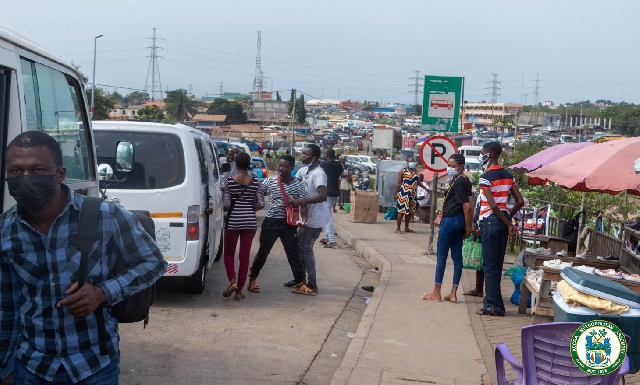
His concerns come in the wake of the recent devastating flooding in Accra, which displaced more than 30,000 households and claimed at least a dozen lives.
Reflecting on the tragedy, Mr. Ngamegbulam shared his thoughts: “I have been thinking about this since the unbearable flooding incident in Accra recently. It appears we are actually not concerned about persons with mental disorders. I’m talking about those roaming the streets, those who sleep anywhere they find or wherever they feel comfortable. Some of these people even have children with them, children who, in many cases, were born from circumstances we may never fully understand, yet we see them every day.”
He questioned whether society ever truly considers the survival of such vulnerable individuals, particularly during disasters. “While we’re counting submerged cars, over a thousand, we hear, and tallying up the lives lost or disrupted, do we pause to consider those in our midst with severe mental health conditions? Those who may not even comprehend what’s happening around them, who might be asleep in a corner when the floods come, with no one to call for help, no voice to shout their name?”
Mr. Ngamegbulam pointed to the lack of attention given to the mentally ill in disaster response efforts. “These people are among the most vulnerable. Who checks on them after a disaster? Who ensures they are safe, alive, or accounted for among the victims? The number of deaths we record, do we ever know if some of those lost were people with mental health disorders, people whose families may not even be able to identify or claim them? These are questions that demand answers.”
Drawing parallels to the Ebola crisis, he highlighted a recurring pattern of neglect: “We made a similar oversight during the Ebola crisis. While everyone was rushing for vaccines and taking measures to protect themselves, who paused to think about the predicament of our brothers and sisters with mental health issues? It seems, too often, we only care about ourselves, the so-called ‘right-thinking’ or ‘normal’ people. Those who find themselves living with mental disorders are overlooked, left out of our planning and response in times of crisis.”
Mr. Ngamegbulam emphasized that the challenges of a city like Accra make survival difficult even for the healthy. “Accra is a choked city, and this last flood proved how challenging it is for anyone to survive such disasters, even those of us who are healthy. How much harder, then, is it for those with mental health challenges, who may not understand the danger or know how to seek safety?”
He called for a more inclusive approach to disaster response: “In times of challenges like flooding or other disasters, we must find a way to consider and actively save our brothers and sisters who are living with mental health issues. They did not choose their condition, circumstances led them there. We must include them in our emergency plans and activities, not avoid or ignore them because of their situation.
This is a shared responsibility, and it is time we act on it.”
Source: Apexnewsgh.com