

Ghana’s Cedi Faces Tough Times—A Story of Decline in 2026
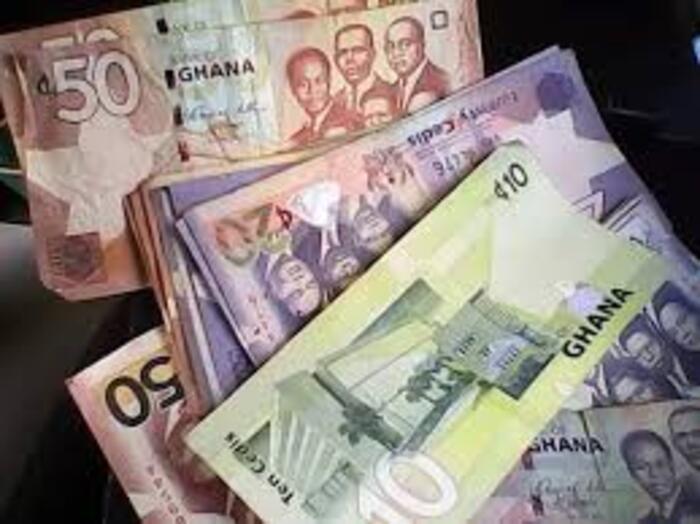
Traders in Ghana count their cedis with worried expressions. The year is 2026, and Ghana’s currency has become the talk of West Africa, not for its strength, but for its steady fall against the US dollar. Early May saw the cedi drop to 11.36 against the dollar, marking a year-to-date decline of 10.28% according to Reuters, which relied on London Stock Exchange Group data for its analysis. The news rippled through the financial world, with predictions of further depreciation due to high demand for foreign exchange, especially from Ghana’s energy sector. “Ghana’s cedi is being dragged down by persistent corporate foreign-currency demand, particularly from the energy sector,” stated the Reuters report. The trend continued, and by the end of last week, the cedi closed at 11.61 to the dollar. Out of the nine currencies circulating in West Africa, including the CFA franc used by eight countries, the cedi stood out for all the wrong reasons. It was the worst-performing currency in the region in 2026, and its weak showing placed it alongside the Libyan dinar among Africa’s most fragile currencies. This downward spiral came even as inflation eased, a positive sign for Ghana’s economy. But for ordinary citizens and businesses, the weakening cedi brought challenges. Prices of goods and services climbed, as importers and traders sought dollars at rates higher than those officially quoted. Reuters attributed the cedi’s woes to relentless demand for foreign currency from importers and businesses. “The cedi is on a depreciating path due to persistent FX demand, with traders expecting the trend to continue,” the report concluded. As the cedi’s story unfolded, Ghanaians braced themselves for the uncertain months ahead, hoping for stability in a world where the value of their money seemed to slip further each day. Source: Apexnewsgh.com
A Vision for Africa: Dr Asiama’s Journey Toward Financial Integration
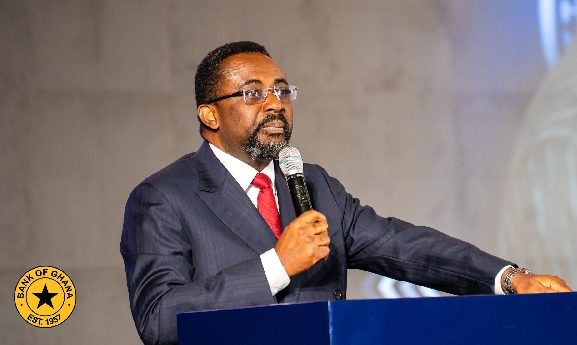
At the ACI Financial Markets World Congress, Dr Johnson Pandit Asiama, Governor of the Bank of Ghana, took the stage, his eyes set on a horizon of possibility for Africa’s economic future. With leaders, innovators, and investors gathered around, he painted a vivid picture of a continent on the cusp of transformation while also outlining the hurdles that still stood in the way. Dr Asiama began by recounting the strides Africa has made in regional trade. Yet, he lamented, the systems that move money across borders remain fragmented and inefficient. “It is cheaper,” he remarked with a touch of irony, “to send money across oceans than to send it to a neighbouring African country.” The cost and complexity of cross-border payments, he argued, threaten to stifle trade and limit opportunities for millions. The Governor’s vision was clear: Africa needed an integrated payment and settlement system—a digital backbone that would connect the continent, support trade, deepen financial inclusion, and fuel economic growth. Achieving this, he stressed, was essential to realizing the promise of the African Continental Free Trade Area (AfCFTA). Dr Asiama shared how the Bank of Ghana, in partnership with AfCFTA and other stakeholders, is exploring digital innovations such as stablecoins to tackle cross-border payment challenges. These efforts, he explained, are being nurtured in regulatory sandboxes, safe spaces where new technologies can be tested and refined before being scaled up. But the journey was not Ghana’s alone. Across the continent, central banks are joining forces to harmonise regulations, enhance payment systems, and share knowledge on emerging technologies. Dr Asiama highlighted the 3i Africa Summit, a collaborative platform bringing together central bank governors, innovators, and investors to drive financial sector development. Still, the Governor cautioned, innovation must be carefully balanced with financial stability and consumer protection. “Do not regulate the technology, but regulate the risk,” he advised, urging regulators to work alongside innovators rather than standing in their way. As the fireside chat drew to a close, Dr Asiama’s optimism was infectious. With greater collaboration among regulators, innovators, and investors, he believed Africa could build a resilient and inclusive financial system, one capable of supporting sustainable growth and prosperity for all. Source: Apexnewsgh.com
Over 6,000 Security Service Applicants Disqualified for Drug Use and Mental Health Issues, Says Interior Minister
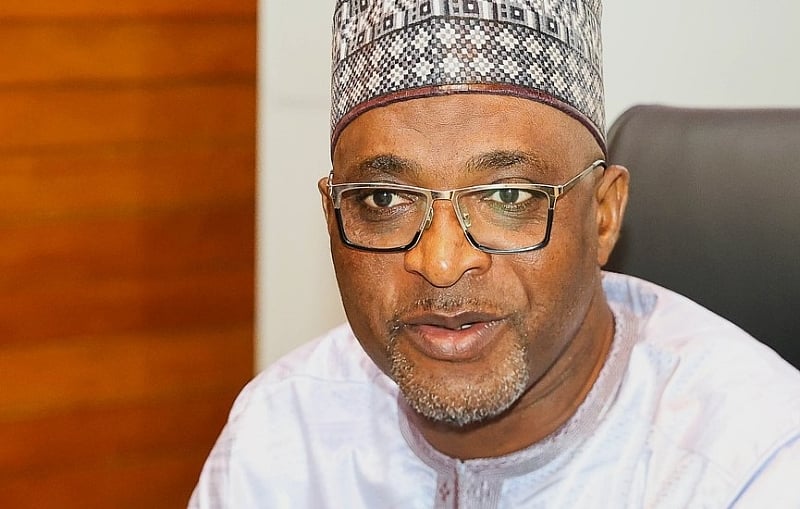
More than 6,000 hopefuls seeking to join Ghana’s security services have been disqualified at the medical screening stage of the ongoing recruitment exercise after testing positive for drugs or being identified with mental health conditions, the Ministry of the Interior has revealed. Interior Minister Mohammed Muntaka Mubarak disclosed during a televised interview on Pan African TV on Saturday, May 23. According to the Minister, over 100,000 applicants underwent rigorous medical examinations as part of the recruitment process. He explained that, in response to growing concerns about the well-being of personnel within the security services, the screening process went beyond routine physical and laboratory tests to include comprehensive drug testing and mental health assessments. “We have over 100,000 people who have gone through the medicals. Because of the large numbers and because of what we have observed within the services, we introduced additional checks, including mental health assessments and drug tests. Interestingly, over 4,000 people failed the drug test, and we have over 2,000 who also failed due to mental health conditions,” he said. Minister Muntaka Mubarak emphasized that these results underscore the need to strengthen screening procedures to ensure that only qualified and fit candidates are recruited into the nation’s security services. He noted that the measures are part of ongoing efforts to improve the well-being and professionalism of personnel entrusted with national security. Source: Apexnewsgh.com
Hajia Charity Rahinatu Asoemah Urges TEIN Students: “Take Your Studies Seriously If You Want a Future in Politics”
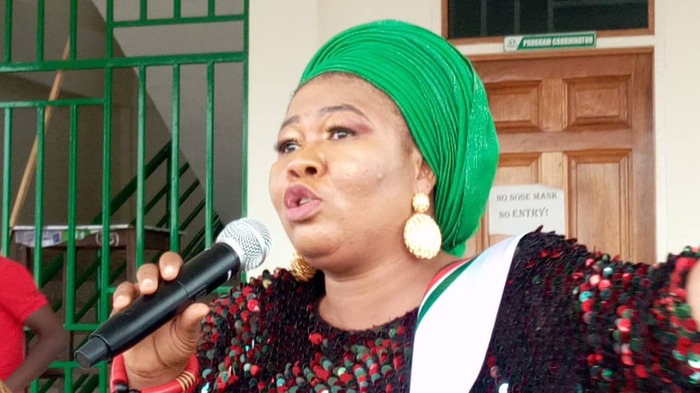
Although Hajia Charity Rahinatu Asoemah could not be physically present at the TEIN ceremony held at the Nursing Training College in Bolgatanga, her words carried immense weight, leaving a powerful impact on the students and igniting fresh hope in their political aspirations. The former Upper East Regional Women’s Organizer of the NDC and now Deputy Director General of Warehouse at NADMO shared a heartfelt and direct message with the eager audience. She reminded the students that while aspiring to be a politician is a noble ambition, it must be built on a solid educational foundation. “Aspiring to be a politician is a noble ambition, but without a solid educational foundation, that dream can quickly turn into frustration,” she cautioned. Drawing from her own life, Hajia Charity spoke candidly about the challenges faced by those who enter politics without proper qualifications. She likened the experience to being a football substitute who never gets the chance to play. “I know this from experience. I’ve worked hard for the party, given everything I had, even sacrificing my own comfort for others. But because I didn’t have the qualifications, I was left behind when it was time for appointments.” She urged the students to learn from the past and avoid repeating the mistakes of her generation. “If we had known earlier, we would have gone back to school and improved ourselves. Education gives you the leverage you need in today’s political landscape. Without it, you might work tirelessly for the party, but when victory comes, you’ll be forgotten while others reap the rewards.” Hajia Charity also warned against the negative trends in modern politics, insults, intimidation, and lies. “I don’t advise any youth to engage in such politics. It doesn’t end well. Lies may spread quickly, but the truth always catches up, even if it’s too late to fix the damage. Focus on your studies, build your career, and let your achievements speak for you,” she advised. Recalling her own struggles, she shared how false rumors had been spread about her loyalty, making her a victim of political machinations. “People lied that the president said not to vote for me, but after the elections, the same president called me back. It was all politics. That’s why I advise you: don’t let lies and pettiness distract you. Stay focused on your goals.” She further encouraged the students to be observant and discerning about whom they trust in politics. “There are people who will ignore the hard work of loyal members and instead reward only their family and friends. This is the reality, but you can rise above it by arming yourself with education.” Hajia Charity concluded with a passionate call to action: “If you want to succeed in politics, build your career first. Get your degree, your masters, your PhD, whatever you can. Then step into politics with confidence, knowing you can stand your ground and claim your rightful place. Don’t let anyone use you, and don’t let your lack of qualifications be an excuse for others to sideline you.” Though she was absent in person, Hajia Charity’s message left a lasting impression. Many students left the ceremony inspired, determined to prioritize their studies alongside their political ambitions. Her story stands as a powerful reminder that with education and integrity, the youth can shape not only their own destinies, but also the future of their communities. Source: Apexnewsgh.com
Upper East NDC Youth Organizer Urges Appointees to Prioritize Service Over Self-Interest
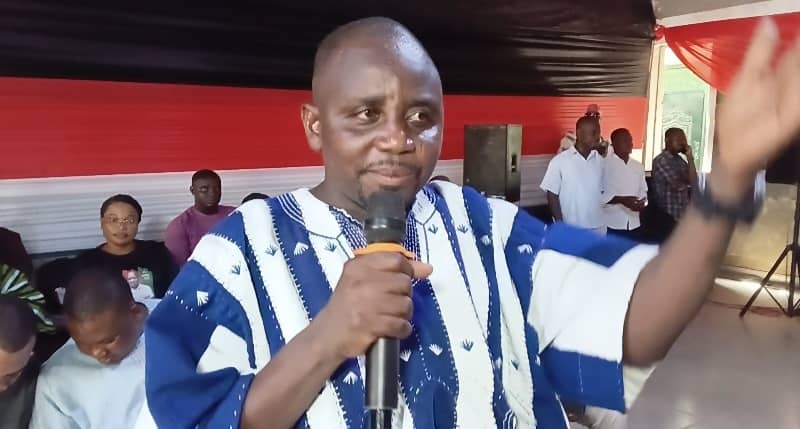
On Saturday at the Bolgatanga Nursing Training College, the Upper East Regional Youth Organizer of the National Democratic Congress (NDC), Abraham Lambon, addressed an enthusiastic gathering of TEIN students. The air buzzed with anticipation as students from eleven institutions and youth organizers across the region came together for a special mentoring event. Abraham Lambon began by highlighting the purpose of the gathering: “We are here to learn from those who have walked this path before us. The best way to grow is to listen to our experienced party members, understand their journey, and carry those lessons into our own communities.” The goal, he explained, was not just personal growth but the betterment of the region and Ghana as a whole. “The party’s current agenda is only starting,” he reminded them, “and it’s up to the youth to keep its momentum alive.” To drive home his message, Lambon shared a story: Once, a wealthy landlord decided to test the loyalty of his servant, who had served faithfully for over ten years. The landlord confided in his wife, saying, “If this man passes my test, I’ll set him up in business so he can uplift others in our community.” In this tale, Lambon drew a parallel to President John Dramani Mahama, who, recognizing the loyalty and hard work of party members, had appointed credible ministers as a test of trust and service. Lambon warned, however, that not all had lived up to this trust. He cited the example of Mr. Hanan from the region of the previous government, who he alleged had stolen government funds, a model he urged other appointees not to emulate. “My plea to the appointees of John Mahama is this: remember, you have been entrusted with your roles to help the ordinary people, especially those who sacrificed for the party’s victory. Do not repeat past mistakes. Let appointments pass through party structures so that the youth and loyal members benefit.” Recalling the sacrifices made during the party’s years in opposition, including the tragic loss of his colleague from Bono East, Lambon emphasized that now was the time to reward loyalty and hard work. “If we see those sacrifices ignored, we will not hesitate to mobilize and demand justice for our youth.” He also celebrated recent successes, announcing that through the efforts of the National Youth Organizer and the National Care Coordinator, every institution in the region had secured local scholarships for ten needy students each , a tangible fruit of the party’s governance. Lambon closed by urging students to network, learn, and identify mentors among the dignitaries present: “In politics, your biggest asset is your network. Seize this opportunity to connect and grow.” The event drew a remarkable array of party dignitaries and political figures from both within and beyond the region, marking it as a memorable and inspiring day for the youth of the Upper East. Source: Apexnewsgh.com
Tebon Zumah Inspires TEIN Students to Pursue Excellence at Bolgatanga Nursing Training College Event
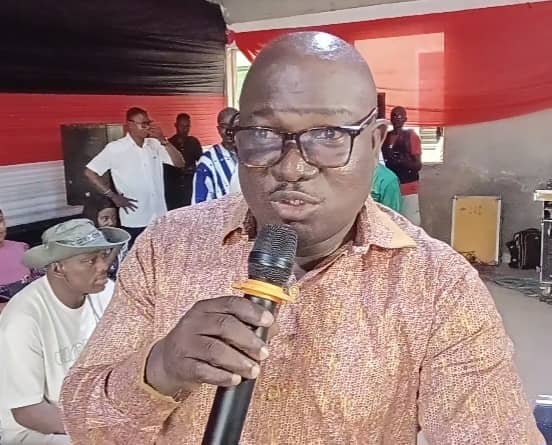
The auditorium of Bolgatanga Nursing Training College was abuzz with excitement on Saturday, as students from eleven institutions and youth organizers across the Upper East Region gathered for a special mentorship event. The guest of honor was Tebon Zumah, the Director of Port, Tema. Addressing the enthusiastic TEIN students, Mr. Zumah urged them to take their studies seriously, reminding them that dedication and ambition can lead to remarkable success. Drawing from his own journey, he shared, “I am the director of a port, a seaport, but it is interesting to know that since the establishment of the Ghana Coast and Harbour Authority, many of our senior brothers have held this position. Rising to this level requires hard work, delivering on your job, and belonging to the right political party.” Mr. Zumah recounted how his career began unexpectedly when he was posted by the National Service Secretariat to the port, a place he knew little about at the time. “When I first arrived, I didn’t even know anything about Seaport. But I embraced the opportunity, worked hard, and after 22 years, I was appointed director by the president.” He emphasized that leadership is about service, not titles. “Our duty is to use our positions to help as many people as we can, especially those from our own communities.” Reflecting on the history of political transformation in Ghana, Mr. Zumah pointed out that many impactful leaders had their roots in student activism and grassroots mobilization. He encouraged the students to focus on their studies while also taking politics seriously. “Your concentration should be on your studies, but you must also be deliberate in certain decisions. Ambition and discipline can open doors to new fields, whether in accounting, law, or even marine engineering.” Mr. Zumah explained that his exposure to different roles at the port helped him discover the variety of careers available, from ship pilots to marine engineers. He urged students to learn from the experiences shared at the event, so they could envision themselves in future leadership roles, perhaps even as director or president of a port. He proudly highlighted the port’s 24-hour operation system, which has boosted employment and created significant job opportunities. “By running a three-shift system, we create jobs for more people. In this system, one job can mean employment for three to five individuals.” Mr. Zumah concluded with words of encouragement: “If you commit to hard work at school and on the job, you will go far. But remember, patience is key.” The event was a massive success, drawing notable politicians and dignitaries from both the region and the national stage, and left the students inspired to pursue excellence in their studies and future careers. Source: Apexnewsgh.com
Charles Taleog Ndabon Granted Bail Amidst Internal Party Vehicle Dispute
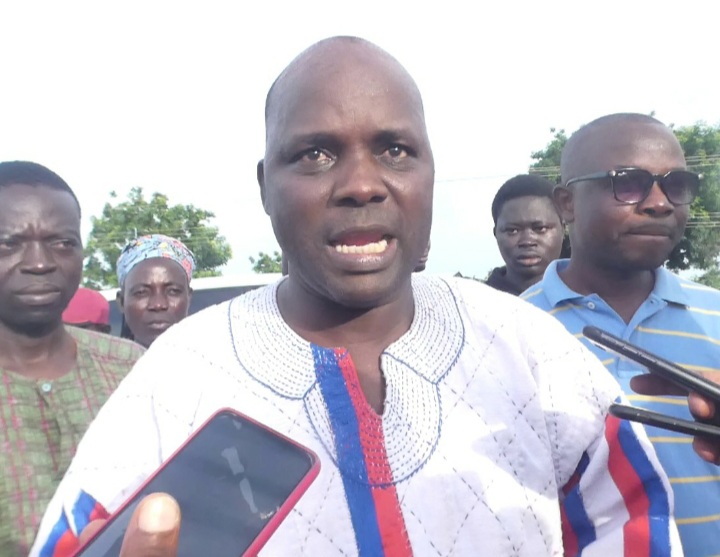
Charles Taleog Ndanbon, the Upper East Regional Organiser of the opposition New Patriotic Party (NPP), recently found himself embroiled in a contentious party dispute centered on the party’s CHANGAN HUNTER pick-up vehicle. After being summoned by the Upper East Regional Police Command, Ndanbon was granted bail, but the ordeal revealed deep divisions within the party’s regional leadership. Speaking after his release, Mr. Ndanbon shared his perspective, offering insight into the circumstances that led to his brief encounter with the police. He explained that the issue began when he was called in by the police regarding the party’s regional leadership and, more specifically, the pick-up vehicle assigned to him during the 2024 general elections. “I was supposed to return the pickup on the 9th of December 2024,” Ndanbon recalled. “But by the 8th, the vehicle had broken down, so I couldn’t hand it over.” He said he promptly informed the party of the breakdown and made it clear that the vehicle was not his personal property, but a party asset assigned to him for official duties. As regional organiser, he insisted, “I have to have a pickup to run the affairs of the party.” Despite his efforts to communicate with party leadership, Ndanbon said confusion persisted over the allocation of the vehicle. “I don’t know why they didn’t give the pickup to me,” he admitted. He wrote to the party leadership, explaining his need for the vehicle to support party official duties and carry out party responsibilities, but received no response. Undeterred, Mr. Ndanbon continued using the pickup for party work, monitoring internal elections, and traveling to remote communities such as Navarongo and its environs. Tensions heightened when the regional chairman sent the vice-chairman to retrieve the vehicle while Ndanbon was on assignment. “The chairman told me to go and do party work in Navarongo, so I did,” he said. Unexpectedly, Ndanbon received a letter via WhatsApp addressed to the party’s general secretary, accusing him of refusing to return the pickup. “I was shocked,” he recalled. “This is a party matter, an internal affair.” The situation escalated when the regional police’s Criminal Investigation Department (CID) contacted him, alleging that he had stolen the party vehicle. “I was stunned. They said I stole a car belonging to the party,” Ndanbon said. With a lawyer by his side, he was required to give a statement at the police station and was subsequently granted bail. Eventually, the disputed vehicle was released to the police, and the regional chairman inspected it before it was handed back to the party. “That was the end. The car was handed over to the party,” Ndanbon confirmed. However, the saga did not conclude quietly. Ndanbon accused the NPP Regional Chairman of incompetence, blaming him for the party’s declining fortunes in the region. “This is a chairman who came and the party was having three seats for the region, and now he has succeeded in bringing it down to zero seats. So, he is not ashamed of himself to send this matter to the police station,” Ndanbon lamented. He criticized the decision to escalate the issue to law enforcement, insisting it was an internal matter and urging the party to focus on reorganizing for victory in the 2028 elections. He also praised former chairmen, the late Adam and Alhaji Murtala, as examples of hardworking leadership. Meanwhile, in a statement issued by the Regional Chairman, Lawyer Anthony Namoo, He said he found himself compelled to take such unprecedented step. In a letter dated May 19, 2024, he recounted the series of frustrating events that led him and the Regional Executive Committee (REC) to involve the police in a matter they would have preferred to resolve amicably. The trouble began in the run-up to the 2024 General Elections, when the party allocated a pick-up vehicle to each of the 15 constituencies in the region. The vehicles were handed over to the parliamentary candidates (PCs) in Accra, with constituency chairmen as witnesses. It was agreed that by December 9, 2024, these pick-ups would be returned to the Constituency Executive Committees. While most PCs either used the pick-ups for their campaigns or yielded them to the constituency chairmen, and subsequently returned them after the elections, there was one glaring exception: Charles Taleog Ndanbon, the Upper East Regional Organiser. Despite repeated requests and even a formal memo demanding compliance, Ndanbon refused to hand over the pick-up meant for the Nabdan constituency. Neither diplomatic appeals nor interventions by respected family members could convince him to release the vehicle. The REC took up the issue in its meetings, with the matter being discussed at length on March 14, 2026. After months of absence, Ndanbon finally showed up at the April 9, 2026, meeting, explaining evasively that the pick-up had broken down. He implied that, as a regional officer, he deserved to keep using the vehicle, even though it was allocated to a specific constituency. Efforts to resolve the matter internally reached a breaking point. The REC, unconvinced by Ndanbon’s assertions, in particular, his claim that the General Secretary had permitted him to keep the pick-up, formed a committee to retrieve the vehicle. The committee visited Ndanbon’s home, inspected the immobilized pick-up, and confirmed it was suffering from a clutch problem. By May 5, 2026, the pick-up was back on the road. Yet, when representatives again approached Ndanbon to request his handover, he defiantly insisted he would not comply, again citing supposed authorization from higher up. Frustrated by months of stonewalling and with all diplomatic channels exhausted, Anthony Namoo and the REC saw no alternative but to involve the Ghana Police Service. In his own words, Namoo described the regional organiser’s conduct as “impudent” and “insolent,” noting that Ndanbon already owned a personal pick-up and several other vehicles, yet still chose to deprive the Nabdam constituency of its designated pick-up, an act that disrupted party operations for over 20 months. In light of what he called gross misconduct and insubordination, Anthony Namoo formally notified the General Secretary
Tension in Upper East NPP as Chairman Reports Organiser to Police Over Pickup
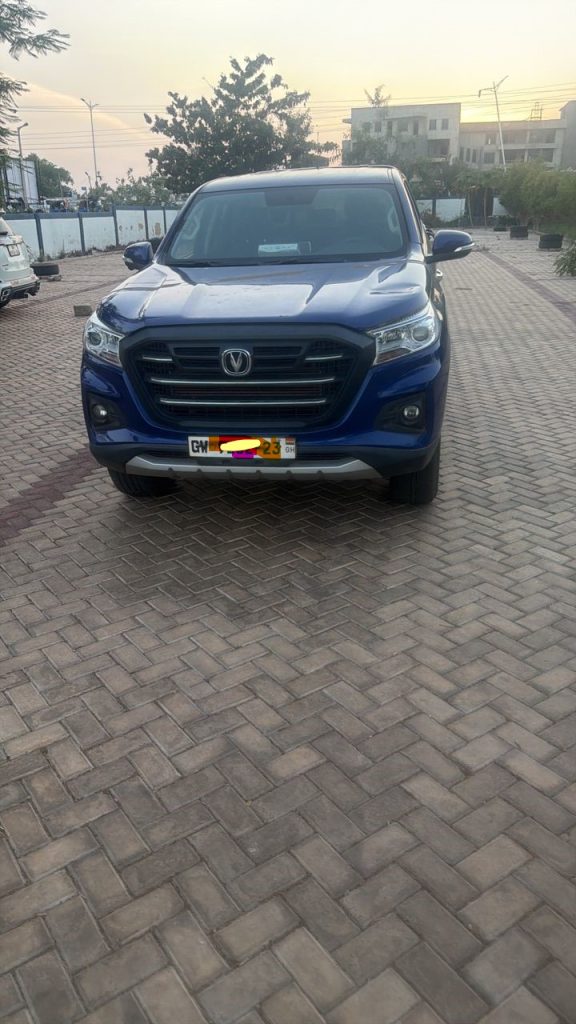
In the Upper East Region, a storm has been brewing within the ranks of the New Patriotic Party (NPP). The Regional Chairman, Lawyer Anthony Namoo, found himself compelled to take an unprecedented step. In a letter dated May 19, 2024, he recounted the series of frustrating events that led him and the Regional Executive Committee (REC) to involve the police in a matter they would have preferred to resolve amicably. The trouble began in the run-up to the 2024 General Elections, when the party allocated a pick-up vehicle to each of the 15 constituencies in the region. The vehicles were handed over to the parliamentary candidates (PCs) in Accra, with constituency chairmen as witnesses. It was agreed that by December 9, 2024, these pick-ups would be returned to the Constituency Executive Committees. While most PCs either used the pick-ups for their campaigns or yielded them to the constituency chairmen, and subsequently returned them after the elections, there was one glaring exception: Charles Taleog Ndanbon, the Upper East Regional Organiser. Despite repeated requests and even a formal memo demanding compliance, Ndanbon refused to hand over the pick-up meant for the Nabdan constituency. Neither diplomatic appeals nor interventions by respected family members could convince him to release the vehicle. The REC took up the issue in its meetings, with the matter being discussed at length on March 14, 2026. After months of absence, Ndanbon finally showed up at the April 9, 2026, meeting, explaining evasively that the pick-up had broken down. He implied that, as a regional officer, he deserved to keep using the vehicle, even though it was allocated to a specific constituency. Efforts to resolve the matter internally reached a breaking point. The REC, unconvinced by Ndanbon’s assertions, in particular, his claim that the General Secretary had permitted him to keep the pick-up, formed a committee to retrieve the vehicle. The committee visited Ndanbon’s home, inspected the immobilized pick-up, and confirmed it was suffering from a clutch problem. By May 5, 2026, the pick-up was back on the road. Yet, when representatives again approached Ndanbon to request his handover, he defiantly insisted he would not comply, again citing supposed authorization from higher up. Frustrated by months of stonewalling and with all diplomatic channels exhausted, Anthony Namoo and the REC saw no alternative but to involve the Ghana Police Service. In his own words, Namoo described the regional organiser’s conduct as “impudent” and “insolent,” noting that Ndanbon already owned a personal pick-up and several other vehicles, yet still chose to deprive the Nabdam constituency of its designated pick-up, an act that disrupted party operations for over 20 months. In light of what he called gross misconduct and insubordination, Anthony Namoo formally notified the General Secretary and announced that a police report had been filed to ensure the pick-up was retrieved for the Nabdam Constituency Executive Committee by all reasonable means. Thus, a matter that began with friendly appeals and patient negotiation has now become a police affair, as the NPP battles to enforce party discipline and safeguard its resources in the Upper East Region. Meanwhile, following the report by the Regional NPP Chairman, Mr. Ndanbon was arrested and later granted bail after the pickup was made available at the Upper East Regional Police Command. The CHANGAN HUNTER pick-up Vehicle has since been handed over to the party. Find the full statement below: Source: Apexnewsgh.com
The eCedi Project: Still on Track, Says Bank of Ghana Governor
The Governor of the Bank of Ghana (BoG), Dr Johnson Asiama, has reassured the public that the central bank’s much-anticipated eCedi project has not been abandoned. Addressing journalists after a recent Monetary Policy Committee meeting, Dr Asiama emphasized the Bank’s ongoing commitment to the digital currency initiative. According to Dr Asiama, the BoG is actively exploring how the eCedi could pave the way for more efficient cross-border payments and boost regional trade across West Africa. He explained that, while significant progress has been made, the central bank intends to conduct several more pilot programmes before considering a nationwide rollout. “Our focus is on how the eCedi can facilitate faster cross-border settlements for businesses in the sub-region,” Dr Asiama stated. He stressed the importance of rigorous testing and broad stakeholder engagement to ensure the security and effectiveness of the digital currency system. The Governor also noted that the Bank of Ghana is closely monitoring global trends in central bank digital currencies. At the same time, the BoG is collaborating with international partners to refine the eCedi project and ensure it meets world-class standards. In summary, Dr Asiama made it clear that the eCedi remains very much on the Bank of Ghana’s agenda, with careful planning and further trials ahead before its full-scale introduction. Source: Apexnewsgh.com
Four Arrested for Armed Illegal Mining at Ankobra
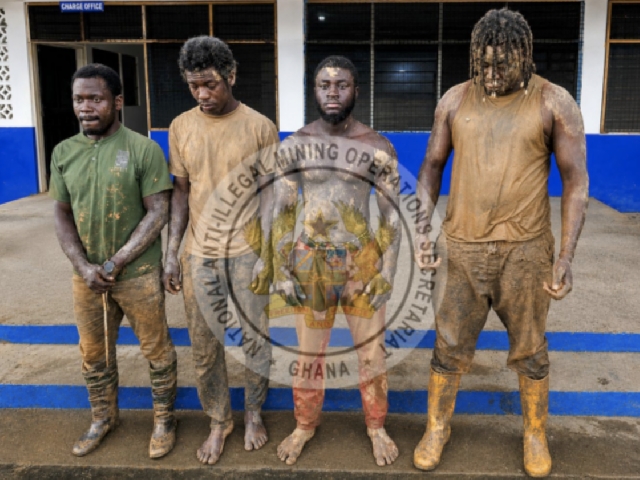
On Wednesday afternoon, the usually tranquil banks of the Ankobra River at Dominase in the Nzema East Municipality became the scene of a dramatic confrontation. The National Anti-Illegal Mining Operations Secretariat (NAIMOS) task force, on a routine patrol at around 3:25 p.m., stumbled upon what appeared to be an illegal mining site nestled within the dense Western Region forest. As the officers approached the site, they were met by four men brandishing machetes and pump-action guns. These armed suspects, later identified as Alpha Musa, 28; Rahaman Rojer, 29; Laji Bengali, 25; and Mohammed Agana, 25, were allegedly acting as both security personnel and active participants in the illicit operation. Undeterred by the show of force, the NAIMOS task force moved in to make arrests. The confrontation quickly escalated as the suspects resisted, refusing to surrender peacefully. Instead, they attempted to obstruct the officers and disrupt the operation. Despite the resistance, the task force managed to disarm and subdue the four men, successfully apprehending them on the spot. Upon detaining the suspects, officers conducted a thorough search of the site. The haul included two pump-action guns, 82 AA cartridges, three machetes, a water pumping machine, and two SDLG control boards believed to belong to excavators used in the illegal mining process. Two excavators were also found, but were immobilized by removing their control boards due to a lack of immediate transport. Interrogation revealed a startling claim: the suspects alleged they were operating under the orders of individuals known only as Ras, Mambo, and Nana Teku, said to be affiliated with National Security and hailing from Prestea. NAIMOS handed these names over to the police, where ongoing investigations are now underway. The environmental toll caused by the suspects was evident, with large swathes of land and forest destroyed and pollution seeping into the Ankobra River. After initial interrogation, the suspects and their belongings, including mobile phones and a talisman, were handed over to the Esiama District Police, where Assistant Superintendent of Police (ASP) Asiedu received them for further investigation and possible prosecution. Despite increasing threats from armed criminal groups, NAIMOS reaffirmed its determination to persist with anti-illegal mining operations nationwide. The Secretariat cautioned illegal miners and armed groups against resistance, warning that reckless defiance would not deter the task force. NAIMOS also extended gratitude to the public, acknowledging the crucial role of community intelligence in the ongoing fight against illegal mining. Source: Apexnewsgh.com