
Bawa Zakaria Abdullah Declares Bid to Contest Bolgatanga Central NDC Executive Member Position

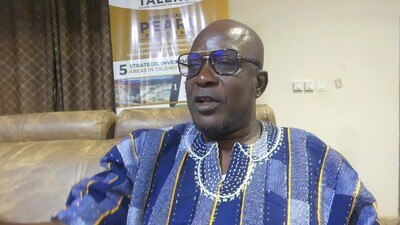
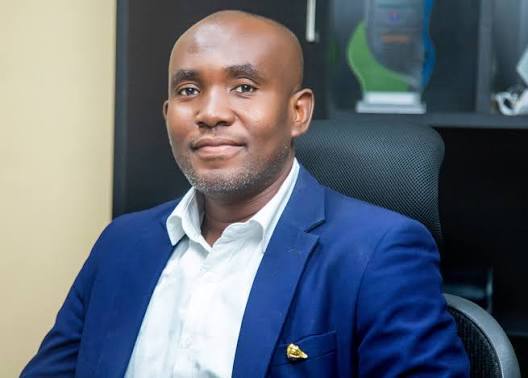
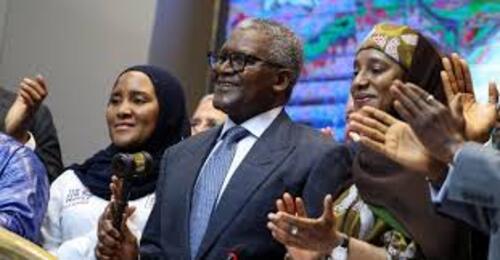
Bawa Zakaria Abdullah, popularly known in the political scene as Profzach, has officially declared his intention to contest for one of the eight Executive Member positions in the NDC Bolgatanga Central Constituency. According to Mr. Abdullah, his decision follows extensive consultations with grassroots members and senior members of the party within the constituency. He said his candidature would be anchored on servant leadership, teamwork and grassroots empowerment, drawing on his years of experience serving the party at various levels. Mr. Abdullah has served as a Branch Secretary from 2014 to date, as well as Dagmeo/Pobaga Ward Secretary and Secretary of the Zongo Caucus of the Bolgatanga Central Constituency, among other responsibilities. He believes his experience at the grassroots level has given him a strong understanding of the concerns, aspirations and expectations of party members. Declaring himself a team player, Mr. Abdullah said he intends to use the opportunity to strengthen collaboration within the constituency while ensuring that the grassroots remain at the centre of party activities. He stressed that grassroots empowerment would be his main priority if elected, adding that a strong and united grassroots base is essential to building an effective and resilient party organisation. Mr. Abdullah is therefore appealing to delegates and party members in the Bolgatanga Central Constituency to support his vision of servant leadership, unity and greater grassroots participation. Source: Apexnewsgh.com
Nabdam MP Nawaane Inspects 24-Hour Economy Market Project, Urges Contractor to Deliver Quality Work
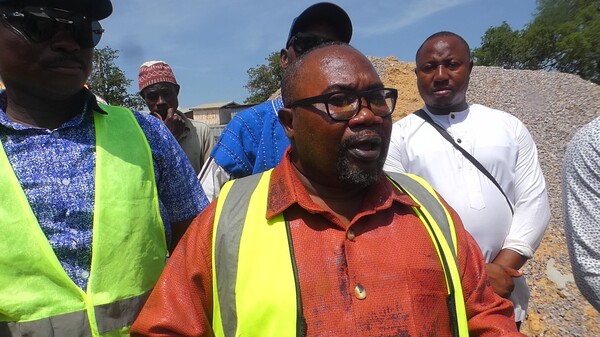
The Member of Parliament for the Nabdam Constituency, Dr. Mark Kurt Nawaane, has inspected the ongoing construction of the Nabdam 24-hour economy market project, a flagship initiative under the John Dramani Mahama-led NDC administration. The visit was aimed at assessing the progress of work and encouraging the contractor, Mac-Deen Ghana Limited, to maintain high standards and ensure the timely completion of the project. Dr. Nawaane expressed satisfaction with the level of work undertaken so far by the contractor, but urged the company not to become complacent. He encouraged Mac-Deen Ghana Limited to focus not only on completing the project but also on delivering a quality, world-class facility that would serve the people of Nabdam for years to come. According to the MP, projects of this nature provide Ghanaian contractors with an opportunity to demonstrate their capacity and contribute meaningfully to the country’s development. He also appealed to wealthy Ghanaians and local businesses to invest their resources in Ghana rather than moving their capital abroad. “Nobody is coming to develop this country for us. We have to develop our country ourselves. We’ve got to put in the resources,” Dr. Nawaane said. He urged Ghanaians with financial resources and expertise to invest in local industries, create jobs and help generate wealth within the country. Dr. Nawaane further challenged the contractor to view the Nabdam project as an opportunity to build a strong reputation that could lead to future contracts. “Don’t get swollen headed. Make sure that it is not just a matter of doing the work, but doing it very well,” he advised. The MP explained that quality delivery on the project could serve as an advertisement for the contractor and position the company for similar projects in the future. He also expressed appreciation to President Mahama for the vision behind the 24-hour economy initiative and urged the contractor and its workers to put in the necessary effort to ensure that the project becomes a reality. Contractor Promises Timely Completion A representative of Mac-Deen Ghana Limited assured Dr. Nawaane and the people of Nabdam that the company was committed to delivering the best possible project. The representative disclosed that the project was expected to be completed within 24 months, although ongoing rainfall had affected the pace of construction. He assured the MP that the contractor had several projects at various stages of completion but remained committed to handing over the Nabdam 24-hour economy market to the people as promised. “We want to assure you that this project will be completed and handed over to you,” the representative said. The contractor also expressed the hope that, by God’s grace, Mac-Deen Ghana Limited would be among the first contractors to successfully complete and hand over a 24-hour economy market project to its beneficiaries. The Nabdam market project is expected to provide modern commercial infrastructure and support economic activities in the constituency as part of the government’s broader 24-hour economy agenda. Source: Apexnewsgh.com/Ngamegbulam Chidozie Stephen
Chief Justice’s Remarks and Tours of State Institutions Stir Controversy
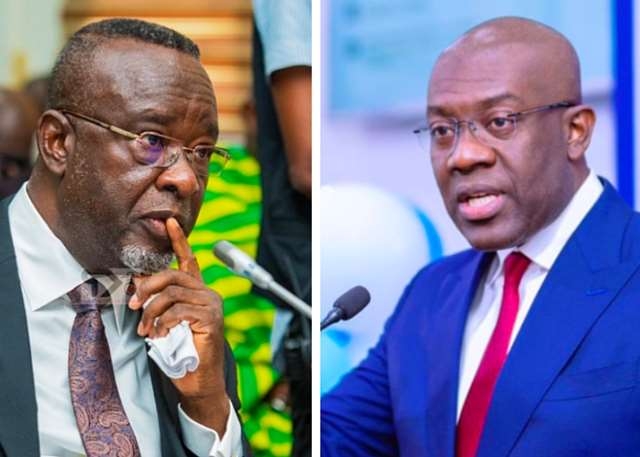
A wave of controversy has swept through Ghana’s political landscape following remarks by Chief Justice Paul Baffoe-Bonnie, who questioned the country’s progress over the past eight years during visits to state-owned institutions, a move that has drawn sharp criticism from Ofoase-Ayirebi MP, Kojo Oppong Nkrumah. The Chief Justice made headlines on Wednesday, September 2, while visiting the Minerals Income Investment Fund (MIIF), where he lauded the institution’s achievements under the current administration. “I must congratulate you. I mean, you have done marvellously well… sometimes when we hear the things that you have done, the things that some organisations are doing now, we wonder; some of us keep wondering what really we have been doing in the past eight years,” he remarked, appearing to contrast recent performance with that of the previous administration. Earlier in the day, the Chief Justice had visited the Social Security and National Insurance Trust (SSNIT), expressing similar praise for its current operations and drawing attention to past management decisions. “If you compare that to the fact that not too long ago, SSNIT was preparing to sell its prized assets like Labadi Beach Hotel, you wonder how Ghana could have sunk so low,” he noted. These comments, coupled with the Chief Justice’s ongoing tours of state-owned enterprises, have provoked concern from Mr. Oppong Nkrumah. The MP questioned the appropriateness of such visits, noting, “For all the years that I have followed politics and governance, I haven’t heard of such that the Chief Justice will be touring state-owned enterprises. I haven’t heard of that before.” He emphasized the traditional independence of the Judiciary from the Executive and Legislature, arguing that judges typically avoid public and political engagements. “It is a well-known, established practice that the Judiciary doesn’t mingle, so you don’t see judges going around mingling in public,” Mr Oppong Nkrumah said. He further described the situation as “absolutely shocking” and “unprecedented,” expressing bewilderment at both the nature of the Chief Justice’s remarks and his involvement with state institutions. “If upon that now there are official tours that are going on, it’s bewildering, and then I find it strange to hear some of these comments being made by the Judiciary,” he concluded. As debate swirls around the Chief Justice’s actions and statements, questions are being raised about the separation of powers and the evolving role of the Judiciary in Ghana’s public life. Source: Apexnewsgh.com
Bawumia Hails Nurses and Midwives as Backbone of Ghana’s Healthcare System
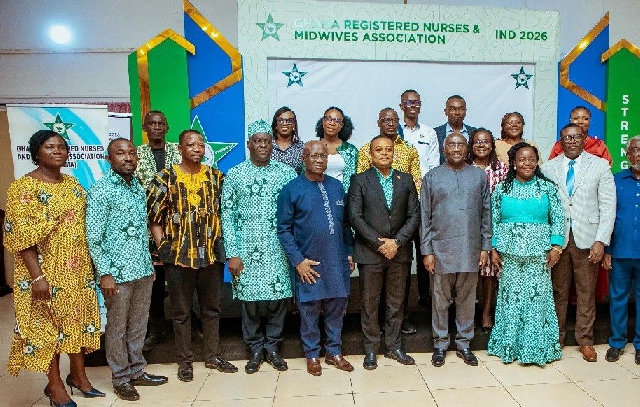
Former Vice President and New Patriotic Party (NPP) flagbearer, Dr. Mahamudu Bawumia, has placed nurses and midwives at the heart of Ghana’s healthcare conversation, describing them as indispensable pillars in building a resilient health system. Dr. Bawumia’s remarks came during a meeting with the national executives of the Ghana Registered Nurses and Midwives Association (GRNMA) in Accra on Wednesday, September 3, 2026. The engagement forms part of his ongoing stakeholder consultations as he refines his policy agenda ahead of the 2028 elections. Calling the session “fruitful and enlightening,” Dr. Bawumia listened intently as frontline health professionals shared their experiences, challenges, and ideas for policy reforms. “Without nurses and midwives, there is no healthcare system. You are the first point of contact, you are the last line of defence, and you are the heart of care delivery in Ghana. You must be seen and treated as indispensable,” he told the Association’s leadership. The GRNMA executives seized the opportunity to highlight urgent issues facing their members and the sector at large. Their presentation zeroed in on the need to enhance nursing education, invest in continuous professional development, address infrastructure gaps in health facilities, and strengthen leadership and management within the sector. They also advocated for innovative and sustainable measures to improve welfare, motivation, and working conditions, calling for clearer career progression, better recognition, and improved service conditions to match the sacrifices nurses and midwives make daily. Dr. Bawumia commended the group for their candor and depth of insight, assuring them that their feedback would help shape his health policy proposals. “What I have heard today is invaluable. You have given me practical insights that you only get from those who are on the ground doing the work every day. My commitment is to work with you to build a healthcare system that values its workers and delivers for the Ghanaian people,” he stated. He reiterated his vision for a modern, well-managed healthcare system, one that motivates, trains, and supports its health workers to deliver quality care for all. The meeting with the GRNMA is the latest in Dr. Bawumia’s series of consultations with key stakeholders, including professional bodies, youth groups, business leaders, and civil society, as he crafts his 2028 policy agenda. Source: Apexnewsgh.com
Presidency Announces Impending Shake-Up of SOE Leadership
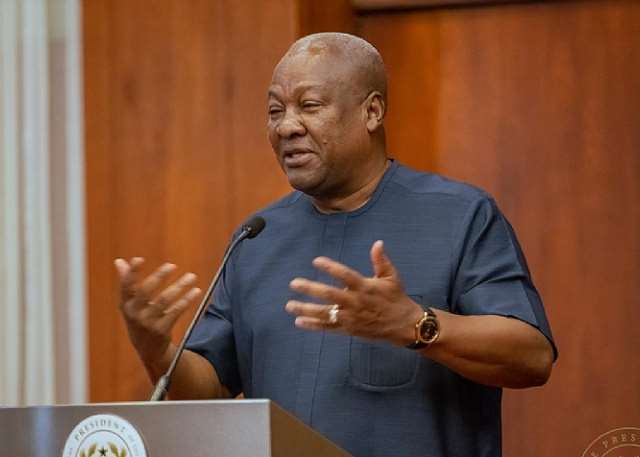
The Presidency has signaled a major shake-up at the highest levels of Ghana’s State-Owned Enterprises (SOEs), with an impending reshuffle of Chief Executives on the horizon. In a formal notice addressed to Ministers and political appointees, Secretary to the President, Callistus Mahama, underscored that the imminent changes, following recent ministerial appointments and the dissolution of selected boards, reflect President John Mahama’s drive to reinforce institutional leadership and sharpen government coordination. “The recent ministerial changes and the dissolution of selected boards, together with the impending reshuffle of Chief Executives, reflect the President’s determination to strengthen institutional leadership, enhance coordination and ensure that every appointee remains fully aligned with the Government’s policies and priorities,” the statement read. The notice stressed that all Ministers, Deputy Ministers, Chief Executives, Board members, and other political appointees are expected to serve with integrity, diligence, humility, and strict adherence to administrative procedures. It warned that any conduct undermining governmental cohesion, institutional authority, or effective policy implementation would not be tolerated. Appointees were reminded that holding public office is both a privilege and a duty to the Ghanaian people. The Presidency made clear that performance will be closely monitored across all sectors, and President Mahama stands ready to take further action to uphold the integrity and effectiveness of his administration. “As we work together to deliver the Government’s mandate and improve the lives of the Ghanaian people, I urge all appointees to cooperate and commit fully,” the statement concluded. This latest move comes after a series of warnings from President Mahama. In March 2025, he cautioned SOE CEOs that their positions depended on performance and alignment with his administration’s reset agenda. The following year, he intensified the pressure, directing CEOs to submit overdue audited accounts and annual reports or risk dismissal, making compliance a key performance indicator. The announcement also follows the release of the State Interests and Governance Authority’s (SIGA) 2025 State Ownership Report, which provides an assessment of the financial and operational health of SOEs, joint ventures, and other state entities. As the reshuffle approaches, all eyes are on who will remain at the helm of Ghana’s major public enterprises and how these changes will shape the future of state-owned institutions. Source: Apexnewsgh.com
Upper East GJA Records Improved Participation for 5th Regional Awards
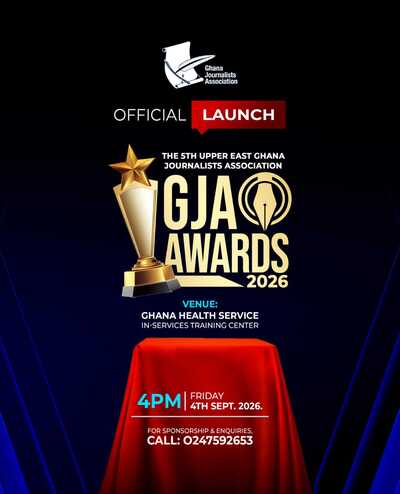
The Ghana Journalists Association (GJA), Upper East Regional Branch, has recorded an increase in both the number of entries and participating journalists for the 5th Upper East Regional GJA Awards, reflecting growing interest in the annual recognition of journalistic excellence. This was disclosed in a press statement issued by the Regional Secretary of the Association, Anthony Adongo Apubeo, following the close of submissions on Sunday, August 30, 2026, at 5:00 p.m. According to the statement, the Branch received 47 entries from 24 journalists, surpassing the previous edition, which recorded 42 entries from 18 journalists. The improvement, the statement noted, demonstrates the increasing enthusiasm among journalists in the Upper East Region to have their professional work recognised and celebrated. The 5th Upper East Regional GJA Awards is being organised under the theme, “Beyond the Headlines: The Media’s Role in Promoting WASH for Safe Motherhood and Quality Healthcare.” The awards aim to honour journalists whose outstanding reportage has contributed to public discourse, accountability, development, and the promotion of issues affecting communities in the Upper East Region and Ghana as a whole. Following the close of submissions, all entries will undergo a rigorous assessment by an independent Awards Vetting Committee, which is expected to be unveiled on Friday, September 4, 2026. The committee will evaluate the submissions based on the approved criteria for the various award categories. The awards ceremony is scheduled to take place on Friday, October 2, 2026. The Upper East Regional Branch of the GJA expressed appreciation to all journalists who submitted entries, as well as its partners and stakeholders, for their continued support in promoting journalism excellence in the region. The Branch also wished all participating journalists success as their entries proceed through the vetting process. Source: Apexnewsgh.com
Christian Council Calls for Unity to Revive National Cathedral Project
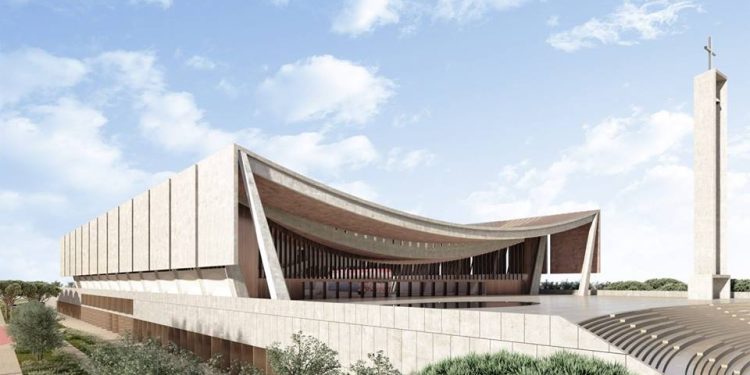
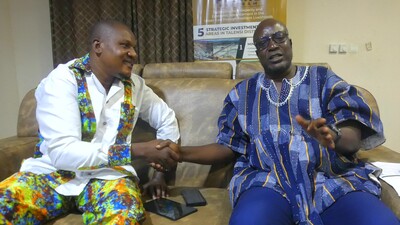
In a renewed bid to breathe life into the long-stalled National Cathedral project, the Christian Council of Ghana is urging the government to put aside political differences and rally support for its completion. The call came from Rev. Dr. Cyril Fayose, General Secretary of the Council, during a courtesy visit to Mahama Ayariga, Ghana’s newly appointed Minister for Local Government, Chieftaincy and Religious Affairs. Seated across from the minister, Rev. Dr. Fayose emphasized the willingness of both Ghanaian Christians and international partners to contribute to the project, if only the government would help clear the political fog surrounding it. “What we need is the blessing of the state,” Rev. Dr. Fayose declared. “We take away all the politics surrounding the building of the National Cathedral. I think it can be done by the grace of God.” He described the cathedral as a potential cornerstone of Ghana’s religious and cultural heritage, and urged the minister to create the conditions for work to resume. Despite the controversies, ranging from management and funding to the suitability of its location, Rev. Dr. Fayose sounded a note of optimism, invoking faith that the project could still be realized. Minister Ayariga responded with support for the cathedral’s vision but reiterated his long-standing concerns about its location. He recalled his time as an opposition MP, when he and other Minority members objected to plans to clear judicial residences to make way for the cathedral. “At the time that the initiative started, I was part of the minority in parliament that really felt that it wasn’t the right location and it wasn’t the right thing to demolish all the Houses of the judges,” Mr. Ayariga explained. He noted that the affected properties were home to senior members of the Supreme Court and Court of Appeal. Despite these reservations, the meeting ended on a conciliatory note, with both the Council and the minister recognizing the cathedral’s potential national importance. As the debate over the project’s future continues, the Christian Council’s plea for unity and government support may mark a turning point for the ambitious but troubled endeavour. Source: Apexnewsgh.com
Pump Price Movements Mark September’s First Pricing Window

As the first pricing window of September unfolds, Ghana’s fuel landscape is witnessing a flurry of price adjustments by major Oil Marketing Companies (OMCs), each charting its course in response to international and local market pressures. It all began quietly, with most OMCs, except Star Oil, holding their pump prices steady, despite projections that petrol and diesel prices would climb in the new pricing period. But Star Oil soon broke the silence, announcing its second price hike for September’s first window. The company raised the price of diesel from GH¢16.97 to GH¢17.26 per litre, and petrol from GH¢14.97 to GH¢15.43 per litre, while keeping RON 95 unchanged at GH¢17.97 per litre. Star Oil attributed these changes to rising international prices for refined petroleum products, even as the Ghana cedi showed signs of strength. In contrast, state-owned GOIL chose not to adjust its prices, maintaining those set in the previous window. Petrol at GOIL outlets remains at GH¢15.43 per litre, diesel at GH¢17.26, and Super XP 95 at GH¢17.97. The company explained its decision as an effort to offer consumers some relief at the pumps amid the ongoing price volatility. Shell, another major player, also held its ground, keeping petrol at GH¢15.99 and diesel at GH¢17.59 per litre. Its premium V-Power fuel is retailing at GH¢17.99 per litre. Meanwhile, TotalEnergies nudged its petrol price upward from GH¢15.99 to GH¢16.18 per litre, though its diesel price remained at GH¢17.59. Excellium 95, the company’s premium offering, continues to sell at GH¢17.99 per litre. These price movements reveal the complex, competitive dance among Ghana’s OMCs as they react to international refined product prices, shifts in the cedi’s strength, and each other’s strategies. With Brent crude hovering above $95 a barrel due to renewed tensions in the Middle East, the specter of further pump price hikes looms if global market pressures persist. Regulatory agencies are also active. For September’s first window, the National Petroleum Authority (NPA) has raised the price floors, the minimum legal prices at which OMCs and LPG Marketing Companies can sell fuel. Petrol’s floor is now GH¢14.53 per litre (up from GH¢13.92 in August’s second window), and diesel’s floor is GH¢15.60 per litre (up from GH¢15.19). Only LPG saw a slight decrease, slipping to GH¢10.85 per kilogram. These regulated floors set a baseline but exclude various industry premiums and margins, which each company determines independently within the guidelines. To cushion consumers, the government has extended a GH¢2 per litre reduction in the regulatory margin on diesel into September’s window. This ongoing intervention aims to soften the blow from rising international prices as OMCs revise their pump prices. As the month unfolds, all eyes will be on the pumps, and the international markets, to see if further adjustments lie ahead. Source: Apexnewsgh.com
NABOCADO Equips Upper East Journalists with Conflict-Sensitive Reporting Skills to Promote Peace
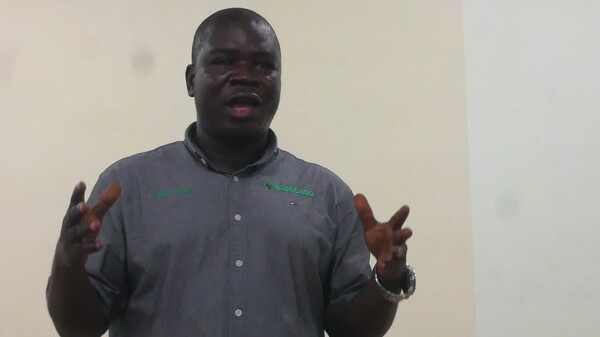
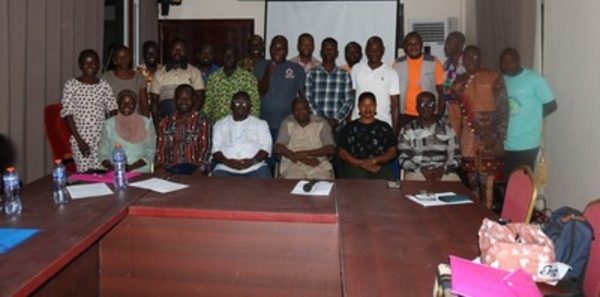
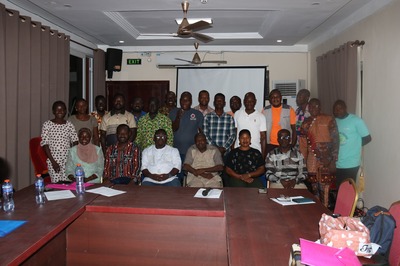
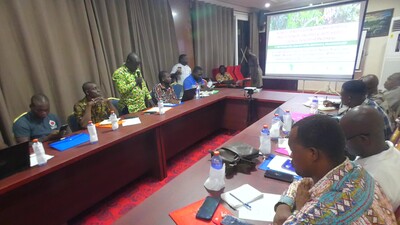
The Navrongo-Bolgatanga Catholic Diocese (NABOCADO) has stepped up efforts to strengthen peacebuilding in the Upper East and North East Regions by training journalists and members of the Ghana Journalists Association (GJA) on conflict-sensitive reporting. The training, held under NABOCADO’s Integrated Peace Building for Improved Food and Nutrition Supply (INPEACE) Project, forms part of a broader strategy to reduce violent conflicts and promote peaceful coexistence in communities affected by recurring tensions. Speaking at the event, the Director of Justice, Peace and Humanitarian Response (JPHR) at NABOCADO, Mr. Theophilus Abolga, explained that the INPEACE Project, which runs from June 2026 to May 2029, is designed to improve social cohesion while reducing violent conflicts across selected communities in the Upper East and North East Regions. According to him, the project is being implemented in four districts, including Bawku Municipality and Kasena Nankana West in the Upper East Region, as well as Nakpanduri and Yunyoo-Nasuan in the North East Region. Mr. Abolga noted that the media remains one of the most influential institutions in society, capable of either promoting peace or escalating tensions through the way conflicts are reported. He said the training was therefore intended to equip journalists with practical tools to ensure their reports contribute to reconciliation rather than deepen divisions. He observed that for many years, conflicts, particularly the protracted Bawku conflict, have shaped public perception of the region, overshadowing its positive developments. He stressed that NABOCADO wants journalists to help rewrite that narrative by highlighting stories that foster unity, peaceful coexistence and hope. “We want media reports to become instruments for building trust and social cohesion instead of unintentionally fuelling violence,” he said, adding that responsible journalism is critical to creating an environment where development can thrive. Mr. Abolga further revealed that significant progress has already been made through the peacebuilding project. He explained that many communities are now taking ownership of peace initiatives by establishing youth groups and community peace structures dedicated to preventing violence. He said NABOCADO has also established peace trackers in project communities to monitor early warning signs of conflict and report them promptly to the relevant authorities for timely intervention before situations escalate. The JPHR Director praised traditional leaders for their growing commitment to peacebuilding, explaining that although chieftaincy disputes have at times contributed to conflicts, chiefs have equally demonstrated their ability to become powerful agents of reconciliation when given the necessary support. He cited examples from Doba, Kandiga and parts of the Bawku area, where traditional authorities have worked closely with NABOCADO, the National Peace Council and other stakeholders to restore peace. Speaking on behalf of the Ghana Journalists Association, Mr. Apubeo commended NABOCADO for consistently investing in the capacity building of journalists. He described the training as timely and necessary, noting that the media has a responsibility not only to inform the public but also to educate citizens, shape public opinion and contribute to peaceful coexistence. Mr. Apubeo called for sustained collaboration between media organisations and peacebuilding institutions to ensure journalists continue to receive the skills and knowledge needed to report conflict-related issues accurately, fairly and in ways that strengthen peace and social cohesion. Source: Apexnewsgh.com/Ngamegbulam Chidozie Stephen
Peace Expert Urges Media to Amplify Peacebuilding Efforts Across Upper East
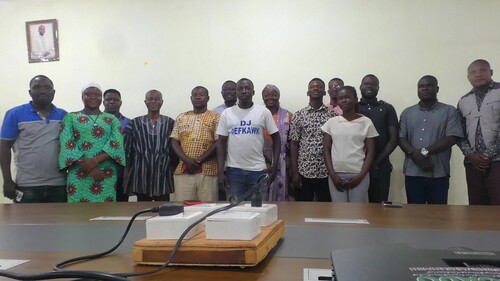
A peacebuilding expert and former Regional Secretary of the Upper East Regional Peace Council, Mr. Ali Anankpang, has urged journalists to dig deeper into conflict-related issues and provide the public with a balanced understanding of both the causes of conflicts and ongoing efforts to promote peace. He said the media had a critical responsibility to amplify peacebuilding initiatives across the Upper East Region, particularly in conflict-affected areas such as Bolgatanga, Doba-Kandiga and Bawku. Mr. Anankpang made the call on Tuesday during a media training engagement organised by the Navrongo-Bolgatanga Catholic Diocesan Development Organisation (NABOCADO) under the Integrated Peace Building for Improved Food and Nutrition Supply (INPEACE) Project. According to him, several peacebuilding interventions were ongoing across the region, but many of them were not receiving the level of media attention needed to inform the wider population. He therefore encouraged journalists to interview individuals and organisations involved in peace promotion to understand their perspectives and communicate their efforts to the public. “There are efforts in building peace in the region across the various conflicts, Bolgatanga, Doba-Kandiga and Bawku and all these efforts are being made, but they need to be amplified. And who can do that better than the media?” Mr. Anankpang asked. He stressed that while violent incidents often dominated news coverage, peacebuilding activities were also taking place and deserved equal attention. “Without the media, there is no way people really know what is happening, except that all we hear is about violence. But while the violence is taking place, we also know that peace efforts are going on,” he noted. Mr. Anankpang said journalists could help bring these efforts to the attention of the public by engaging peace actors, understanding their interventions and reporting on how communities and other stakeholders were working to prevent conflicts. The peacebuilding expert also acknowledged improvements in conflict-sensitive reporting in the region, saying some journalists had moved beyond reporting incidents to examining the historical, social and economic contexts surrounding conflicts. He cited reports that had explored the historical origins of settlements, including engagements by ApexnewsGh with experts on history, as examples of journalism that could help audiences better understand the underlying issues. He also mentioned reports and interviews conducted around the Bongo area, as well as extensive coverage of the Bawku conflict and its effects on education and the local economy. According to him, such reporting was important because it helped the public understand that, despite the challenges in conflict-affected areas, efforts were being made to restore peace and normalcy. He cautioned journalists against amplifying only conflict and violence, warning that such reporting could create fear and discourage people from returning to affected communities. “When we amplify only the conflict, then it will continue to scare people away. But when you begin to talk about peace, like some of you have done, then people will begin to have confidence to return to their place, and that is how communities are developed,” he said. Mr. Anankpang, however, urged journalists not to become complacent with the progress made so far but to continue strengthening their coverage of peacebuilding initiatives. He encouraged the media to maintain professional and responsible reporting that would help the public appreciate the progress being made in peacebuilding across the region. “You need to do more. What you do is so important that you cannot rest on what you have done so far. Continue to add your voice to what is happening in terms of peace promotion,” he urged. He added that responsible and comprehensive reporting would help showcase the Upper East Region not only as an area experiencing conflicts but also as a region where significant efforts were being made to promote peace, stability and development. Meanwhile, Mr. Anthony Adongo Apubeo, Upper East Regional Secretary of the Ghana Journalists Association (GJA), has commended NABOCADO for its continued support towards strengthening journalists’ capacity in conflict-sensitive reporting. Speaking on behalf of the GJA, Mr. Apubeo expressed appreciation to NABOCADO for consistently organising training programmes aimed at equipping journalists with the skills needed to report responsibly on conflict-related issues. He described the initiative as a step in the right direction, stressing the important role the media plays in society, particularly in promoting peace, educating the public and shaping public discourse. He encouraged continued collaboration between media organisations and peacebuilding institutions to ensure that journalists are adequately equipped to report conflict-sensitive issues in a manner that promotes peace and social cohesion. Source: Apexnewsgh.com/Ngamegbulam Chidozie Stephen