
Professor Christian Agyare Emerges as a Top Contender in KNUST Vice-Chancellor Race

As the search for the next Vice-Chancellor of the Kwame Nkrumah University of Science and Technology (KNUST) heats up, all eyes are turning toward Professor Christian Agyare. Currently the Provost of the College of Health Sciences, Prof. Agyare has steadily built a reputation as a formidable candidate, distinguished by both his academic prowess and his proven leadership in university administration. The selection of a new Vice-Chancellor for Ghana’s premier science and technology institution is no simple task. The process demands a leader with not only outstanding scholarly credentials but also deep executive experience in managing the complexities of higher education. In this high-stakes environment, Prof. Agyare’s profile rises to the fore. Since 2020, Prof. Agyare has held the rank of Full Professor, underlining his commitment to academic excellence. His research footprint is impressive: Google Scholar metrics, a global benchmark for academic impact, show he has amassed 5,059 citations. With an h-index of 36 and an i10-index of 84, his work is not only prolific but also highly influential, drawing attention from peers around the world. These achievements speak to his ability to secure research grants, break new ground in science, and elevate KNUST’s reputation on the international stage. Yet Prof. Agyare’s appeal extends well beyond research. As Provost of the College of Health Sciences since 2020, and now, as the Senior Most Provost since 2024, he has played a pivotal role in shaping KNUST’s academic and administrative direction. His leadership journey includes serving as Head/Dean of the Quality Assurance and Planning Office, Vice Dean of the Faculty of Pharmacy and Pharmaceutical Sciences, and as the longest-serving member of the Academic Board since 2014. Each of these roles has deepened his understanding of university governance and policy. Prof. Agyare’s influence is woven into the very fabric of KNUST’s decision-making. He sits on all major statutory bodies: the Executive Committee, the Planning and Resources Committee, the University Appointment Committee, and the Welfare Services Board, among others. This breadth of involvement gives him a comprehensive grasp of both the opportunities and challenges facing the institution. As the University Search Committee intensifies its search for a visionary leader who can bridge academic achievement with operational efficiency, Professor Christian Agyare stands out as a candidate rooted in KNUST’s culture, but ready to lead the university into a new era of innovation and impact. Source: Apexnewsgh.com
Mahama Turns Egg Glut Into School Feeding Opportunity: “If We Can’t Sell It, Let Our Children Eat the Eggs”

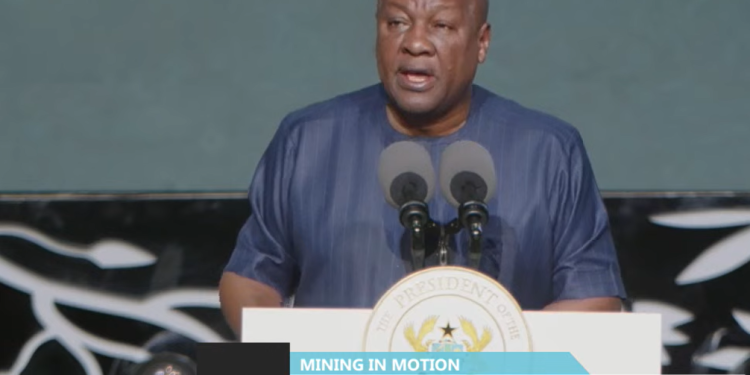
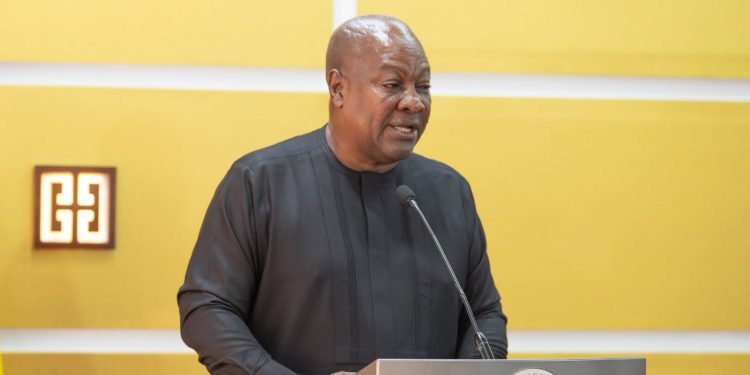
When a trade disruption creates a crisis for poultry farmers, one president’s response is to feed it to schoolchildren. That, in essence, is the thinking behind President John Dramani Mahama’s latest directive, and it is a solution as practical as it is direct. President Mahama has instructed that the School Feeding Programme be used as a temporary outlet to absorb a surplus of eggs currently flooding the domestic market, offering struggling poultry producers a lifeline while putting nutritious food on the plates of Ghana’s schoolchildren. The oversupply did not emerge overnight. Poultry producers have been sounding the alarm over a trade disruption with Burkina Faso that has effectively blocked egg exports for more than two months. With a key export market shut off, eggs that would ordinarily have crossed the border have been piling up locally, driving prices down and squeezing the finances of farmers and distributors who depend on steady market access to stay afloat. The situation has been compounded by the success of the government’s own poultry development programmes, which have boosted domestic egg production. More supply, fewer outlets, the result is a glut that is hurting the very farmers the programmes were designed to support. Speaking during a citizen engagement at the University for Development Studies in the Northern Region on Sunday, April 19, as part of his “Resetting Ghana” tour, President Mahama acknowledged the crisis plainly and offered his response with equal plainness. “As I speak now, there’s a glut in the production of eggs. Poultry farmers are complaining that they can’t get a market for their eggs,” he said. His solution? Route the surplus through the School Feeding Programme, ensuring that the eggs reach children across the country rather than going to waste. “And that’s why I’ve said that we should find a way of getting the School Feeding Programme to absorb the eggs and give it to our children to eat. If we can’t sell it, let our children eat the eggs,” the President said. The directive is notable for addressing two challenges at once. For poultry farmers, it provides an immediate domestic market to ease the pressure of the glut. For schoolchildren benefiting from the feeding programme, it means a more nutritious meal. President Mahama also indicated that efforts are underway to resolve the underlying export impasse with Burkina Faso and restore market stability in the longer term, suggesting that the School Feeding intervention is intended as a bridge measure while diplomatic and trade channels are worked through. For now, Ghana’s schoolchildren may be about to find eggs on their plates a lot more often, and the country’s poultry farmers will be hoping that is exactly what happens. Source: Apexnewsgh.com
Relief for GES Staff as Salary Arrears Dating Back to 2024 Get the Green Light for Payment
After months of waiting, thousands of Ghana Education Service (GES) staff are finally set to receive salary arrears that have been outstanding since August 2024. The GES has confirmed that payments have been approved and disbursements will begin in May 2026, bringing long-overdue financial relief to eligible employees across the country’s education sector. The approval follows clearance granted by the Ministry of Finance, which communicated its authorisation to the Controller and Accountant-General’s Department to proceed with processing the payments. In a circular issued by the Acting Deputy Director-General for Management Services, Prof. Smile Dzisi (Mrs.), GES confirmed that the approval covers arrears accrued between August 2024 and November 2025. The arrears will not be paid in a lump sum. Instead, GES has outlined a structured five-installment schedule designed to ensure an orderly disbursement process. Payments are set to begin in May 2026, with subsequent instalments following in June, July, and August 2026. Each instalment is expected to cover four months’ worth of arrears, gradually clearing the backlog that has accumulated over more than a year. The phased approach reflects a deliberate effort to manage the financial obligations in a sustainable and organised manner, rather than placing an immediate strain on the payment system. To ensure that no eligible staff member is left uninformed, GES has directed all Regional Directors to cascade the information to Heads of Schools across the country. The move is intended to guarantee that those who are owed money are made aware of the development and can expect their payments in line with the approved schedule. The announcement has also been copied to key stakeholders within the Ministry of Education, the GES Council, and senior management of the Service to facilitate coordination and smooth implementation. GES framed the development as part of a broader effort to settle outstanding financial obligations and improve staff welfare within the education sector, a sector where delayed salaries and arrears have long been a source of frustration among teachers and support staff. For the employees affected, the circular marks the end of a lengthy wait. With the first payment now less than two months away, the focus shifts to ensuring that the schedule holds and that every eligible staff member receives what they are owed. Source: Apexnewsgh.com
UDS Names Prof. Mohammed Muniru Iddrisu as New Vice-Chancellor
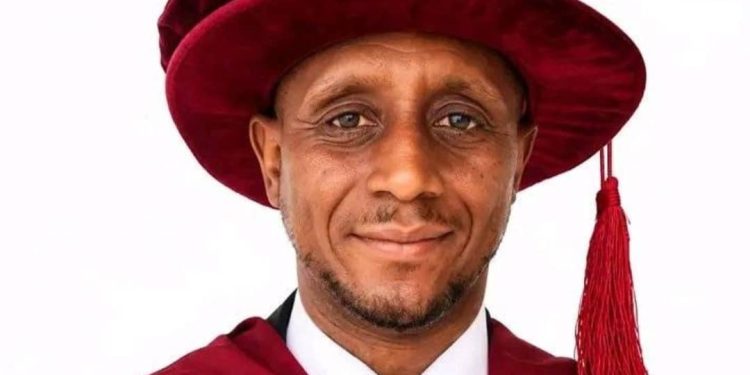
The University for Development Studies (UDS) has a new helmsman. The university’s Governing Council has appointed Professor Mohammed Muniru Iddrisu as Vice-Chancellor, a decision that signals the institution’s confidence in a leader who has spent years shaping its academic identity from within. The appointment was made at a Council meeting held on Thursday, April 16, 2026. Professor Iddrisu will officially assume the role on June 27, 2026, and will serve until August 31, 2030. Professor Iddrisu is no stranger to UDS. He currently serves as Principal of the university’s Nyankpala Campus, a role that has placed him at the heart of the institution’s academic and administrative operations. His elevation to Vice-Chancellor is, in many ways, the natural progression of a career defined by service to the university and its mission. He is widely regarded as a visionary leader with a strong record in teaching, research, and community engagement, qualities that align closely with the development-focused mandate that UDS was founded to fulfil. His scholarly contributions and active involvement in knowledge generation have earned him the respect of peers and students alike. As Vice-Chancellor, Professor Iddrisu will take on one of the most demanding leadership roles in Ghana’s public university system. He will be responsible for providing overall academic and administrative direction, steering the university’s long-term strategic vision, and ensuring that UDS continues to deliver quality higher education that meets both national priorities and global standards. It is a broad mandate, and one that arrives at a time when universities across the country face growing pressure to innovate, expand access, and deepen their relevance to the communities they serve. For UDS, the appointment of a leader of Professor Iddrisu’s standing suggests the Governing Council is betting on continuity, experience, and a deep institutional knowledge to carry the university forward into its next chapter. Source: Apexnewsgh.com
UTAG Demands Sacking of GTEC Top Officials Over Governance Failures
The University Teachers Association of Ghana (UTAG) has issued a bold ultimatum to the government, demanding the immediate dismissal of the Director-General and Deputy Director-General of the Ghana Tertiary Education Commission (GTEC), Ahmed Jinapor Abdulai and Augustine Ocloo, over what it describes as persistent overreach and governance lapses threatening the stability of Ghana’s public universities. Speaking at a press briefing in Accra, UTAG President Vera Fiador revealed that the association had first raised the alarm through a formal petition to the Presidency on February 17, 2026, outlining serious concerns about unilateral decision-making and an increasingly coercive leadership style at the Commission. Nearly two months on, UTAG says it has received no response, a silence that has now compelled the association to take its grievances public. At the heart of UTAG’s frustration is what it sees as a systematic overstepping of GTEC’s regulatory boundaries. The association argues that the Commission’s actions are eroding institutional autonomy, academic freedom, staff welfare, and the overall stability of public universities — values it considers non-negotiable in a healthy tertiary education system. UTAG levelled a string of specific accusations against the GTEC leadership, including interference in internal university governance, overriding decisions made by governing councils and academic boards, introducing unapproved appointment requirements, and disregarding established institutional statutes. The association further alleged that GTEC has wielded excessive discretionary powers, including threats to withdraw accreditation and funding, and the abrupt abolition of certain administrative roles without due process. UTAG also trained its sights on directives issued by GTEC in September and October 2025, particularly those affecting post-retirement contracts and salary administration. According to the association, these measures directly conflict with agreed conditions of service, breed uncertainty among staff, and are disrupting core academic functions including teaching and research. The association warned that the deteriorating situation is straining labour relations and could tip over into industrial action if the government fails to act. Pointing to reputational damage already done, UTAG cited a 2025 incident involving the University of Cape Coast, where GTEC temporarily withdrew accreditation services before reversing course, a move that, according to the association, created significant uncertainty for students and damaged Ghana’s standing with international academic partners. UTAG’s demands are unambiguous: the removal of GTEC’s top officials, the reversal of all contentious directives, and the swift passage of a Legislative Instrument to give full effect to the Education Regulatory Bodies Act, 2020. The association also called for the protection of existing post-retirement arrangements and meaningful stakeholder engagement in future regulatory decisions. In a firm closing warning, UTAG gave the government 14 days to act, making clear that failure to address these concerns within that window will trigger further, unspecified action. Source: Apexnewsgh.com
CDM Warns of Generational Education Crisis Amid Teacher Shortages
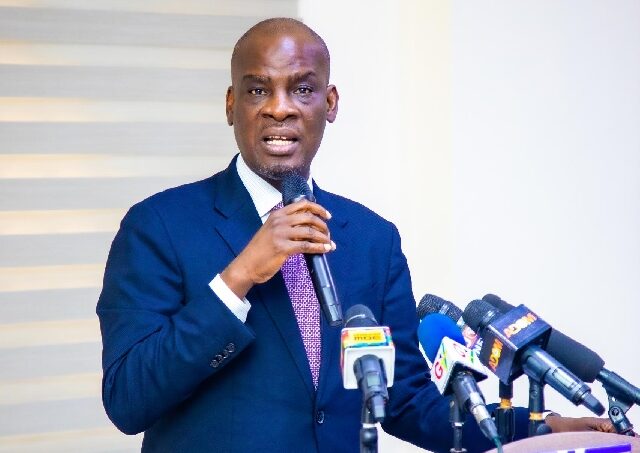
Ghana’s education system stands at a crossroads as the Centre for Democratic Movement (CDM) raises an urgent alarm about the nation’s deepening teacher shortage. In a statement released this week, the advocacy group cautioned that the situation, if left unchecked, could trigger a generational catastrophe for Ghana’s children. Drawing on independent assessments, CDM revealed the potential scale of the crisis: learning losses could soar to 64 percent in arithmetic and 18 percent in reading, putting more than 1.2 million children at risk of falling into learning poverty. “This is a looming generational tragedy that no responsible government should tolerate,” the conveners declared, underscoring the gravity of the situation. The group’s concern was further fuelled by the government’s silence on teacher recruitment timelines following the 2026 Budget presentation. CDM criticized the lack of transparency, noting that the absence of a clear plan has stirred anxiety among unemployed trained teachers and parents across the country. “What is most disturbing is the government’s persistent silence on teacher recruitment timelines,” the group emphasized. “Education is not a privilege; it is a constitutional right, and its continued denial to millions of Ghanaian children is unacceptable in a democratic society.” To address the crisis, CDM called for the Minister for Education to brief Parliament within 30 days and to provide quarterly progress reports, insisting that only urgent, transparent action can avert a national education disaster. Source: Apexnewsgh.com
Ministry of Education Vows Swift Action After Student Violence Videos Go Viral

It was a day of shock and concern as disturbing videos began to circulate on social media, allegedly showing violent acts involving students from two schools in Ghana’s Central Region. The scenes quickly drew the attention of the Ministry of Education, prompting a strong response. Deputy Minister for Education, Clement Abas Apaak, signed a statement denouncing the acts as completely unacceptable. The Ministry assured the nation that immediate steps would be taken to address the situation. “The culprits and perpetrators can expect the most severe sanctions,” the statement warned, leaving no doubt about the seriousness with which the Ministry viewed the incident. In response to the viral videos, the Director-General of the Ghana Education Service (GES) was ordered to launch an urgent investigation. A crucial meeting was scheduled for 10:00 a.m. on February 23, 2026, at the GES headquarters in Accra, bringing together the Central Regional Director, district directors from the affected areas, and the heads of the implicated schools. As the investigation unfolds, the Ministry reaffirms its unwavering commitment to discipline, safety, and order in all of Ghana’s educational institutions. The public was assured that appropriate measures would be implemented once the facts were clear, demonstrating that student welfare remains a top priority. Source: Apexnewsgh.com
Newly Posted Teachers Give GES One-Month Ultimatum Over Delayed Staff IDs, Unpaid Salaries

A wave of frustration swept through the Ghana Education Service (GES) headquarters on Wednesday, February 18, as the 2024 batch of newly posted teachers staged a picket to demand urgent action over months of unpaid salaries and the delayed issuance of staff IDs. The group, who have been teaching in schools across the country since 2024, is calling on the GES to resolve these issues within one month or face “drastic action.” For many of the teachers, the situation has become dire. Some have not been paid for 12 months, others for as long as 14 months, despite having received financial clearance and diligently working in their assigned schools. The teachers say their documents, which district and regional authorities claimed were submitted, have gone missing at the national office, leaving them in limbo. Speaking to the media, Daniel Aidoo, the convenor for the group, voiced the collective frustration: “All that we are demanding is that they give us our staff IDs and acknowledge us as teachers employed by the Ministry of Education and the Ghana Education Service. We don’t want any back and forth. Whosoever is responsible for the issuance of our IDs should be held accountable.” The teachers are adamant that this cycle of delay and neglect should not be allowed to continue, warning that future batches should not have to endure the same ordeal. They have given the GES a one-month deadline to resolve the issue, stressing that if there is no progress, they will escalate their actions in pursuit of justice and recognition. Source: Apexnewsgh.com
President Mahama Pledges Two Million Desks for Basic Schools by 2026
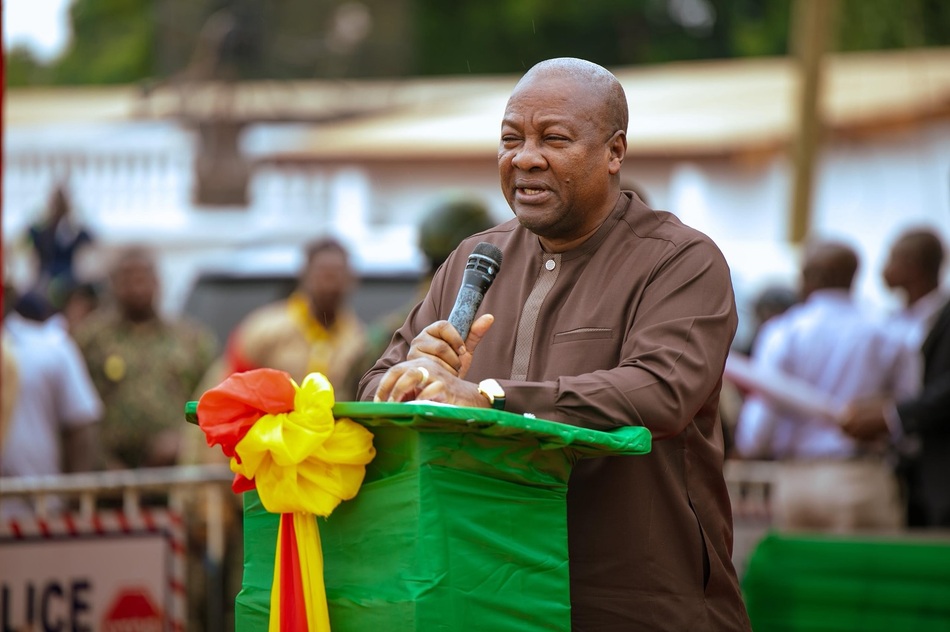
President John Dramani Mahama has unveiled an ambitious plan to supply two million desks to Ghanaian basic schools by the end of 2026, a move set to dramatically improve learning conditions for students across the country. The announcement came during his address to the Ghanaian community in Zambia on Thursday, February 5, as part of his three-day state visit. President Mahama highlighted the chronic neglect of basic school infrastructure, revealing that approximately 1.2 million children currently attend classes without desks. “The basic school level has been neglected. The previous government focused mainly on SHS because of its flagship Free SHS program. Many basic schools lack textbooks and furniture, and you often find children sitting on the floor,” he remarked. He assured the community that the government is determined to tackle the problem head-on. “This year, we are going to provide two million school furnishings. By 2028, no Ghanaian pupil will have to sit on the floor to study,” President Mahama pledged. The announcement has been widely welcomed by education stakeholders. Kofi Asare, Executive Director of Africa Education Watch, commended the government for prioritising student comfort and called for swift implementation. “We hope that the desks will arrive soon because this is long overdue,” he said. The pledge marks a significant step toward bridging infrastructure gaps in Ghana’s basic education sector and ensuring that every child has a comfortable and dignified environment in which to learn. Source: Apexnewsgh.com
President Mahama Orders NIB Probe Into Alleged Sale of Overseas Scholarships
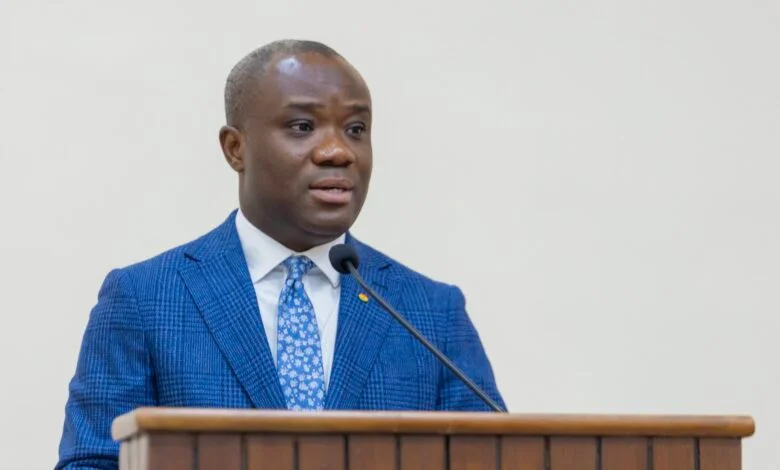
President John Dramani Mahama has ordered the National Investigation Bureau (NIB) to launch an immediate investigation into allegations of malpractice in the award of overseas scholarships, following claims made during a radio programme. In a directive dated February 3, 2026, and addressed to the NIB’s Director-General, Government Spokesperson Felix Kwakye Ofosu, MP, stated that the President’s attention was drawn to comments aired on Sompa 106.5 FM. During the Twi-language broadcast, panellist and former CEO of the National Entrepreneurship and Innovation Programme, Mr. Kofi Ofosu Nkansah, alleged that an individual had paid money to secure a scholarship to study abroad. The President described the accusation as serious and of significant public interest, especially in light of his administration’s commitment to transparency, integrity, and equitable access to education. The directive instructs the NIB to investigate the claims without delay, establish the facts, identify any individuals involved, and assess the credibility of the allegations. The Bureau has also been tasked with submitting its findings to the President for review and any subsequent action deemed necessary. The official communication was signed by Mr. Kwakye Ofosu on behalf of President Mahama. Source: Apexnewsgh.com