

Bank of Ghana Slashes Currency Issuance Costs Amid Rising Cash Demand in 2025
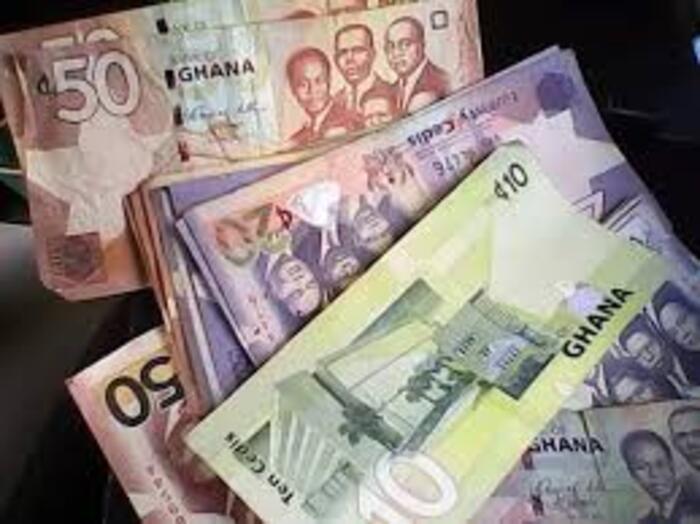
The Bank of Ghana (BoG) has achieved a significant reduction in the cost of issuing currency in 2025, even as the volume of cash circulating in the economy reached new highs. According to the central bank’s latest financial statements, the total cost of currency issuance dropped sharply from over GH¢1 billion in 2024 to GH¢471.4 million in 2025, a noteworthy operational shift for the institution. The decline was largely fueled by a dramatic 72% fall in direct production expenses, with the cost of printing banknotes and minting coins plummeting from GH¢986 million to GH¢277 million year-on-year. This points to a deliberate strategy by the BoG to scale back physical currency production, likely through better inventory management, reduced replacement needs, or targeted cost-optimisation measures. However, the overall picture of currency management remains complex. While the central bank succeeded in slashing production costs, several other operational expenses saw increases. Agency fees inched up to GH¢10.6 million, foreign currency import costs rose from GH¢14.4 million to GH¢16.5 million, and miscellaneous currency-related expenses surged to GH¢183 million from GH¢14.6 million. This sharp rise in ancillary costs partially offset the savings made in printing and minting, highlighting continuing logistical and management pressures. Despite the cost-cutting measures, Ghanaians’ appetite for cash showed no sign of waning. Currency in circulation, defined by the BoG as the total face value of banknotes and coins held by the public and financial institutions, net of cash in the central bank’s vaults, increased by about 17%, rising from GH¢71.6 billion in 2024 to GH¢83.8 billion in 2025. The latest data underscores the BoG’s evolving approach to operational efficiency in currency management, even as demand for physical cash continues to grow across the country. Source: Apexnewsgh.com
Minister Sam George Announces Ghana’s Ambitious Drive to Become Africa’s Leading AI Hub
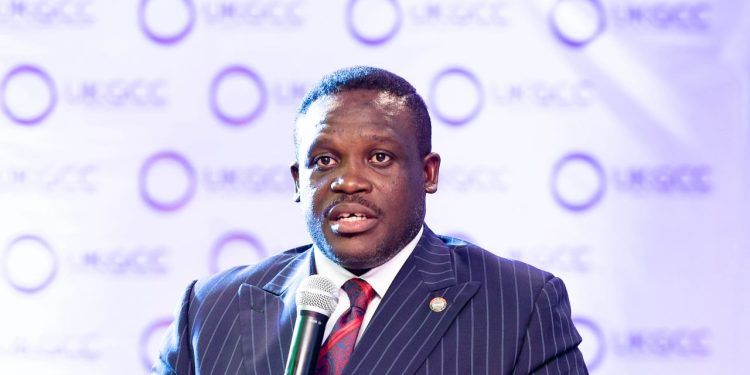
Ghana has set its sights on becoming Africa’s foremost hub for Artificial Intelligence, according to Sam Nartey George, the Minister for Communication, Digital Technology, and Innovation. The minister made this declaration at the official launch of Ghana’s National AI Strategy on Friday, April 24, a landmark initiative designed to provide a comprehensive framework for the development, deployment, and regulation of AI systems across the nation’s key economic sectors. The National AI Strategy is poised to drive innovation in Ghana while upholding ethical standards, ensuring data protection, and making technology accessible to all. Minister George, addressing a gathering of stakeholders, underscored the vital importance of collaboration among government agencies, private sector players, academia, and citizens. Such partnerships, he asserted, are essential to realizing the nation’s bold ambitions in the digital age. Highlighting the transformative power of artificial intelligence, Sam George noted that AI is already reshaping industries such as healthcare, education, agriculture, finance, and governance. He expressed confidence in Ghana’s ability to lead the continent, stating, “Ghana stands capable and ready to lead and become Africa’s AI hub by strengthening collaboration between government, industry, academia and citizens. We will build a Ghana that owns its future in the age of intelligence.” The new strategy is expected to prioritize capacity building by promoting STEM education, supporting research institutions, and encouraging the growth of local innovation hubs. As artificial intelligence continues to revolutionize economies worldwide, Ghana’s proactive approach aims to secure its place at the forefront of Africa’s technological transformation. Source: Apexnewsgh.com
President Mahama Unveils $270 Million Investment to Propel Ghana’s Artificial Intelligence Ambitions
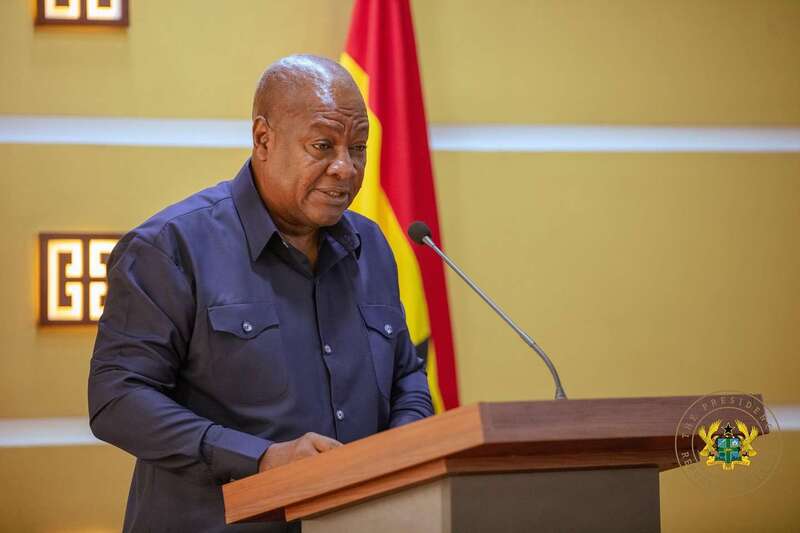
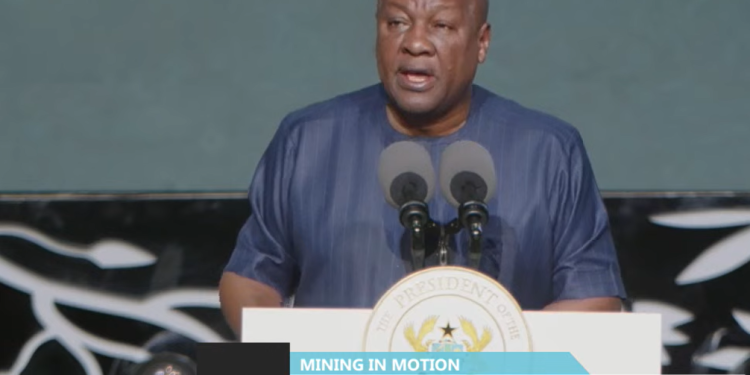
In a landmark announcement at the launch of Ghana’s National Artificial Intelligence Strategy in Accra on Friday, April 24, President John Dramani Mahama revealed a $270 million investment package aimed at fast-tracking the country’s AI agenda. This bold move is part of the government’s vision to position Ghana as a leading digital innovation hub in Africa. Outlining the government’s plans, President Mahama stated that $250 million will be allocated to the creation of a world-class AI Computing Centre, an ambitious facility set to become the nerve centre for research, innovation, and enterprise development. The centre will empower local talent to develop solutions with the potential for impact across the African continent. An additional $20 million will be dedicated to the rollout and implementation of Ghana’s National AI Strategy, supporting short- to medium-term goals and helping to build a solid foundation for the country’s digital transformation. “Infrastructure is the foundation upon which innovation rests. Ghana will invest $250 million to establish a world-class AI computing centre. In addition, the government will commit $20 million to support the short to medium-term National AI strategy. These investments are bold but necessary,” President Mahama affirmed. The investment forms a pivotal part of Ghana’s broader efforts to strengthen digital infrastructure and expand its participation in the global artificial intelligence economy, ensuring the country remains at the forefront of technological advancement in Africa. Source: Apexnewsgh.com
President Mahama Launches Ambitious One Million Coders Programme to Empower Ghanaians with Digital and AI Skills
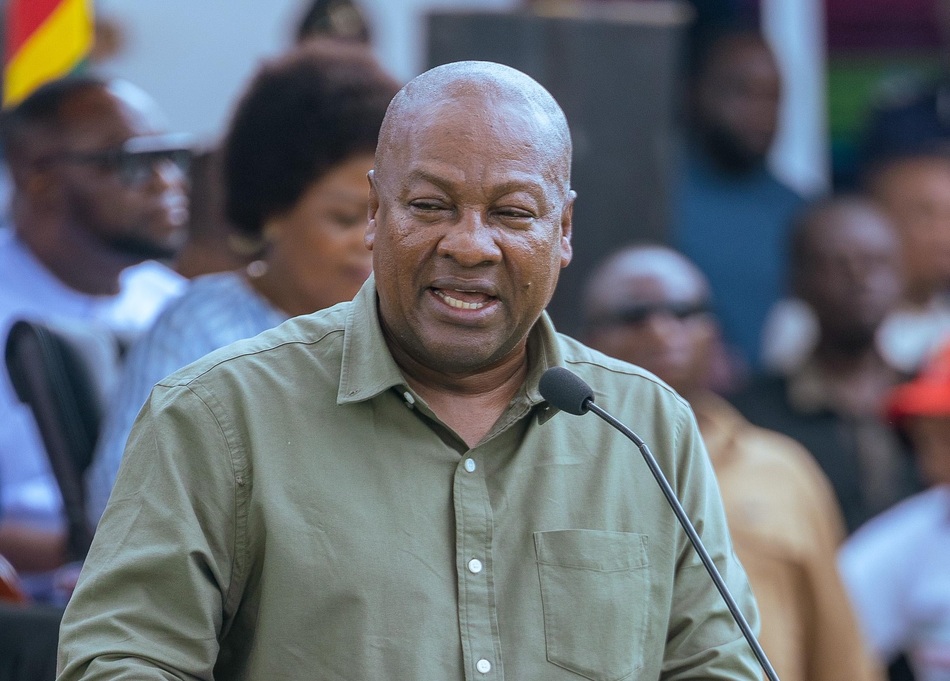
At the launch of Ghana’s National Artificial Intelligence Strategy in Accra on Friday, April 24, President John Dramani Mahama announced a bold new step in the nation’s digital evolution: 300,000 Ghanaians will be trained this year under the government’s One Million Coders Programme. The initiative is a cornerstone of the government’s drive to equip the workforce with cutting-edge digital and artificial intelligence skills, preparing the country for the future. President Mahama highlighted that last year’s pilot phase allowed the Ministry of Communication, Digital Technology, and Innovation to test the programme’s readiness for a nationwide rollout. “The portal is now open, and more than 100,000 applications have already been processed,” he revealed, underlining the excitement and demand for the programme. Currently, citizens can choose from over 15 courses in 10 different disciplines, with learning centres established in local communities to make training accessible. “These are more than numbers, they represent opportunities, employability, and national preparedness,” President Mahama affirmed. He emphasized that developing human capital stands at the heart of Ghana’s AI strategy, with structured opportunities critical for unlocking the nation’s youthful potential. The One Million Coders Programme is designed not only to teach young Ghanaians practical digital and AI skills but also to promote innovation and entrepreneurship. President Mahama stressed that this initiative will help build a robust national talent pipeline, positioning Ghana as a forward-looking competitor in the global digital economy. Source: Apexewsgh.com
Ministry of Energy and NEDCo Begin Transformer Upgrades to Boost Power Supply in Northern Region
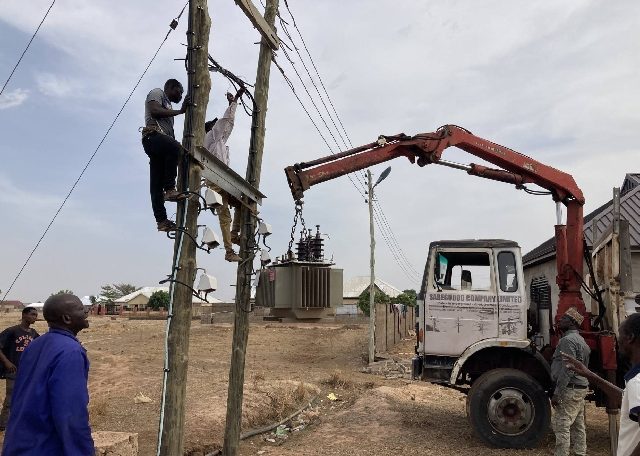
The Ministry of Energy and Green Transition, in partnership with the Northern Electricity Distribution Company (NEDCo), has launched a major initiative to replace and upgrade distribution transformers in Tamale and neighbouring communities across the Northern Region. This intervention is part of a broader strategy to improve voltage stability, reduce frequent power outages, and enhance the reliability of electricity supply to homes, businesses, and public institutions in the area. Announcing the project on Facebook, sector Minister Dr. John Jinapor explained that the upgrade is designed to strengthen the electricity distribution network in response to rising demand for power. He further noted that the enhancements are expected to significantly reduce system losses and boost the overall efficiency of electricity delivery within the affected communities. Dr. Jinapor assured residents that the upgrade works will be conducted in carefully planned phases to minimise disruptions. He reaffirmed the Ministry’s commitment to ensuring a more stable and dependable power supply throughout Tamale and its environs as the project progresses. Source: Apexnewsgh.com
The Governor of the Bank of Ghana Urges Fintechs to Balance Innovation with Compliance and Consumer Protection
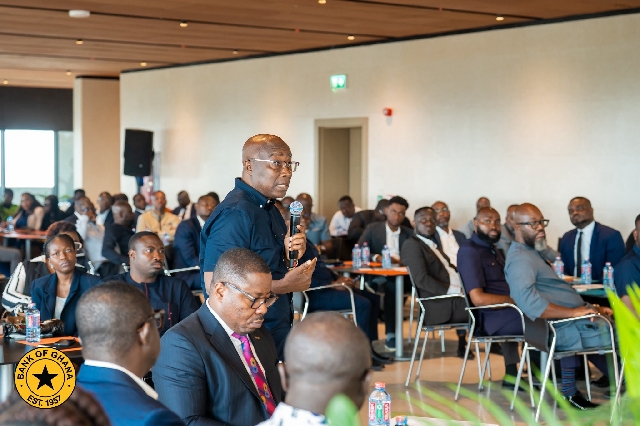
At a breakfast meeting with licensed Fintech institutions held at Bank Square in Accra on Thursday, April 23, 2026, the Governor of the Bank of Ghana, Dr. Johnson Pandit Asiama, delivered a clear and timely message to the Fintech industry. He called on companies to ensure that their drive for innovation is matched by a strong commitment to regulatory compliance and consumer protection. Addressing the gathering, Dr. Asiama underscored the importance of early engagement with regulators, sound corporate governance, and responsible innovation. He acknowledged Ghana’s impressive progress in digital payments and financial inclusion over the past decade, noting that the continued success of the sector will depend on how responsibly Fintech firms operate going forward. “Over the past decade, Ghana has emerged as a leader in digital payments and financial inclusion,” Dr. Asiama remarked. “Our role is not to slow innovation, but to ensure it endures.” He reaffirmed the Bank of Ghana’s commitment to fostering a financial ecosystem that nurtures innovation without compromising the safety and interests of consumers. The event served as a reminder that the future of Ghana’s financial landscape depends on striking the right balance between progress and prudence. Source: Apexnewsgh.com
Parliamentary Energy Committee Visits Accra Plains Depot for Oversight Engagement
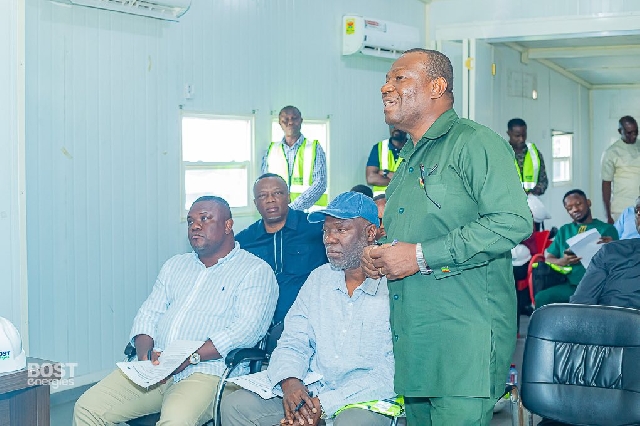
The Parliamentary Select Committee on Energy has paid a working visit to the Accra Plains Depot (APD) of BOSTEnergies, reaffirming Parliament’s commitment to oversight within Ghana’s vital energy sector. The visit is part of the legislature’s ongoing efforts to assess the performance and operations of key institutions in the downstream petroleum and energy supply chain. During the engagement, BOSTEnergies’ Managing Director, Afetsi Awoonor, and Deputy Managing Director, Nat Salifu Acheampong, presented the company’s 2026 strategic work plan and provided the Committee with updates on current operational activities at the depot. Members of Parliament were then taken on a guided tour of the Accra Plains Depot, where they received briefings on storage operations and the infrastructure that underpins the country’s fuel distribution network. The visit emphasized BOSTEnergies’ dedication to transparency, accountability, and operational efficiency, reflecting its critical role in ensuring the long-term security and stability of Ghana’s energy supply chain. The Parliamentary Committee indicated that it will continue similar oversight visits to other key energy facilities across the country, fulfilling its mandate to safeguard Ghana’s energy interests. Source: Apexnewsgh.com
The National Petroleum Authority Battles Exodus of Tanker Drivers to Illegal Mining

The National Petroleum Authority (NPA) has raised alarm over a troubling trend: fuel tanker drivers and their assistants are leaving the petroleum transportation sector in droves, lured by the promise of quick riches in illegal mining, popularly known as galamsey. This concern took center stage at a meeting with Parliament’s Energy Committee in Accra on Wednesday, April 22. Godwin Edudzi Tameklo, Chief Executive Officer of the NPA, recounted how the industry is feeling the pinch. According to Mr. Tameklo, the relatively low income earned by tanker drivers and their assistants has become a driving force behind the shift. He explained that many drivers now struggle to keep their assistants, especially when their routes take them through mining communities. “Every time the tanker drivers come back, they have different mates,” he observed. “When they go to mining areas to deliver petroleum products, some assistants choose to stay behind, attracted by the higher and faster financial rewards of galamsey.” This exodus, Mr. Tameklo noted, is causing a significant shortage of skilled drivers in the downstream petroleum sector, hampering the safe and efficient distribution of petroleum products across the country. The loss of experienced personnel to alternative sources of income is disrupting operations and raising concerns about future industry stability. In response, the NPA is developing a new remuneration framework for tanker drivers. The initiative aims to standardize salaries and improve working conditions, making the profession more attractive and discouraging staff turnover. Mr. Tameklo expressed hope that these measures will help retain skilled workers and restore stability to the sector. As the NPA works on these interventions, it remains optimistic that better pay and improved conditions will keep drivers on the road, ensuring the safe delivery of petroleum products nationwide. Source: Apexnewsgh.com
GCMC Raises Alarm Over Unsafe Gas Cylinders, Urges Swift Rollout of Recirculation Model
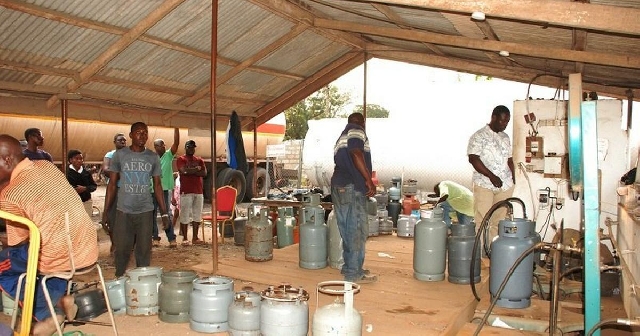
The Ghana Cylinder Manufacturing Company (GCMC) has sounded the alarm over the safety of gas cylinders in circulation, revealing that nearly 30 percent of cylinders submitted for refurbishment under the Cylinder Recirculation Model are deemed unfit for use. This revelation has heightened concerns about the safety standards of gas cylinder distribution and usage nationwide. Managing Director of GCMC, Abdul-Rahman Mankir, disclosed during a recent visit by Parliament’s Energy Committee to the company’s facility. He stressed the urgent need for the National Petroleum Authority (NPA) to speed up the full nationwide implementation of the Cylinder Recirculation Model, a policy designed to enhance safety in the distribution and use of gas cylinders. The visit by the Energy Committee also brought to light several operational challenges facing GCMC. Committee members expressed worry over persistent delays in obtaining financial clearance from the Ministry of Finance, a situation that has hampered the company’s activities. Emmanuel Bedzrah, Chairman of the Committee and Member of Parliament for Ho West, assured that the Committee would formally engage the Finance Ministry to fast-track the necessary approvals to support GCMC’s operations. Supporting this call, the Committee’s Ranking Member, George Kwame Aboagye, urged for increased government backing for the company. He highlighted that a stronger GCMC would not only improve safety in the LPG sector but also create more employment opportunities for Ghanaians. The Cylinder Recirculation Model remains a pivotal policy aimed at improving safety in the handling and distribution of Liquefied Petroleum Gas (LPG) nationwide, and stakeholders are urging swift action to ensure its successful implementation. Source: Apexnewsgh.com
Bank of Ghana Clears the Air: Content Creator Earnings from Digital Platforms Are Legal Foreign Income
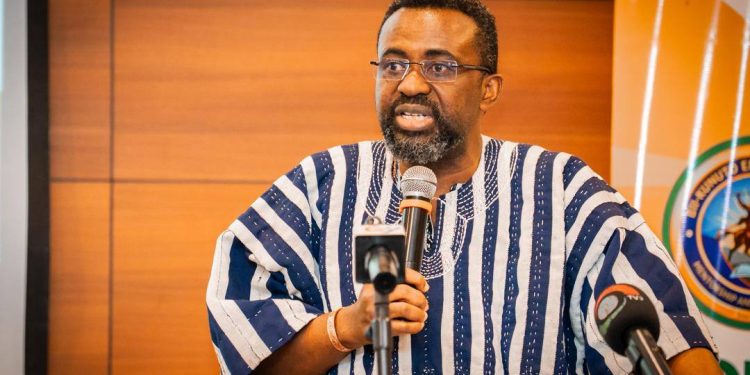
Ghanaian content creators monetising their work on platforms like X and other digital channels now have official clarity from the country’s central bank: their earnings are legitimate, they are recognised under Ghana’s foreign exchange framework, and they should be accessible without unnecessary friction. The Bank of Ghana (BoG) issued a statement clarifying that payouts received by Ghanaian creators from digital platforms qualify as service export proceeds, a classification that places them firmly within the bounds of permissible cross-border inflows under existing regulations. According to the central bank, content creators have two options for receiving their earnings. They may have funds paid into Foreign Exchange Accounts held with banks in Ghana, or alternatively, into cedi accounts, provided that all applicable regulatory requirements are met in either case. The clarification is significant. For creators who have long operated in a grey area of uncertainty about how their digital income should be treated, the Bank of Ghana has now drawn a clear line: these are legitimate earnings, and the system is designed to accommodate them. Despite the regulatory clarity, the Bank of Ghana acknowledged what many creators have experienced firsthand, actually accessing their funds has not always been straightforward. Reports of difficulties in receiving payouts have been a recurring frustration within Ghana’s growing creator community. The central bank, however, was careful to note that such challenges should not ordinarily arise when transactions are processed in accordance with established procedures. In other words, the framework exists; the problem, where it occurs, lies in how that framework is being applied on the ground. Rather than leaving creators to navigate the issue alone, the Bank of Ghana says it is actively engaging financial institutions and other relevant stakeholders to identify the root cause of the difficulties and ensure a prompt resolution. “The Bank appreciates the feedback received from affected persons,” the statement read, adding that “BoG is actively reviewing the matter and engaging with relevant institutions to identify the source of the issues and ensure prompt resolution.” The central bank also committed to keeping affected stakeholders informed throughout the process, a pledge that will be closely watched by creators who have been waiting for their earnings to flow freely. For Ghana’s digital creator economy, which has grown steadily alongside the global rise of content monetisation, Monday’s statement from the Bank of Ghana is a welcome development. The recognition of platform earnings as service exports not only legitimises the work of thousands of creators but also signals that the financial system is beginning to catch up with the realities of how income is earned in the digital age. Source: Apexnewsgh.com