


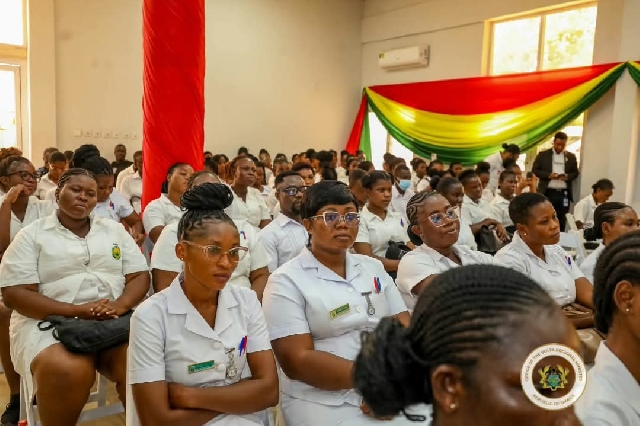
Top GRA Officials Summoned by Special Prosecutor Amid SML Contract Scandal
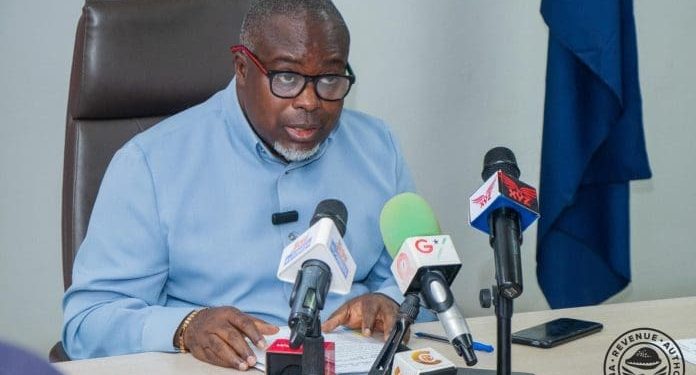
The Office of the Special Prosecutor (OSP) has intensified its investigation into the controversial Ghana Revenue Authority (GRA)–Strategic Mobilisation Ghana Limited (SML) revenue assurance contract, summoning three of the GRA’s most senior officials to appear before investigators. The Commissioner-General of the GRA, Anthony Sarpong, Assistant Commissioner for Finance, Celestine Annan, and Technical Assistant to the Commissioner-General, Kenneth Agyei-Duah, have all been directed to present themselves to the OSP as part of the ongoing probe. The summons follows the recent arrest of Freeman Sarbah, the Acting Head of Legal Affairs at the GRA, who was detained on Monday, November 3, 2025, over allegations of corruption and obstruction of justice linked to the same contract. According to OSP sources, the three senior officials were summoned after revelations that they allegedly instructed Mr. Sarbah to issue a letter to SML’s lawyers at the company’s request in mid-October. Investigators believe the correspondence may have significant implications for the inquiry. This is reportedly the second time both the Commissioner-General and the Assistant Commissioner for Finance have been invited, as their earlier statements appear to contradict the contents of the letter in question. Both Anthony Sarpong and Kenneth Agyei-Duah previously worked with KPMG, the auditing firm that was tasked with reviewing SML Ghana’s operations at the direction of former President Nana Addo Dankwa Akufo-Addo. The GRA–SML contract, which engaged SML Ghana to provide revenue assurance services in the downstream petroleum sector and other areas, has attracted intense scrutiny amid allegations of inflated costs, procurement irregularities, and questionable contractual terms. Following public outcry, the OSP opened an investigation to determine whether the contract involved conflicts of interest, abuse of office, or violations of procurement laws. The probe has since expanded to include several top officials at both the GRA and the Ministry of Finance. The Special Prosecutor, Kissi Agyebeng, has signaled that the office is preparing to prosecute several high-profile individuals implicated in the scandal by the end of November 2025. Those expected to face charges include former Finance Minister Ken Ofori-Atta, former GRA Commissioner-Generals Dr. Ammishaddai Owusu-Amoah and Emmanuel Kofi Nti, and other senior officials and advisers linked to the Finance Ministry. Preliminary findings from the OSP’s investigation reportedly point to corruption, abuse of office, and serious procurement breaches in the award and execution of the SML contracts, originally intended to enhance government revenue mobilisation. The OSP has reiterated its commitment to ensuring accountability and safeguarding public resources, warning that any individuals found culpable will be prosecuted to the full extent of the law. As the investigation deepens, the nation awaits further revelations and the possible prosecution of some of Ghana’s most senior public officials. Source: Apexnewsgh.com
Ministry of Health Urges Doctors to Embrace Nationwide Postings for Equitable Healthcare
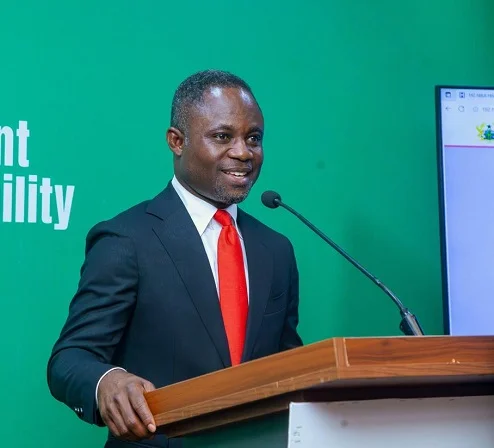
In a renewed push to ensure quality healthcare across Ghana, the Ministry of Health, under the leadership of Mintah Akandoh, has called on newly recruited doctors to accept their postings to hospitals and health facilities in all regions and districts of the country. This initiative, according to a statement from the Ministry, forms part of ongoing efforts to “equitably and fairly distribute doctors across the country,” so that every community, urban or rural, can access quality medical care. “This exercise is part of the Ministry’s broader commitment to improve evenly distribution of health professionals to ensure quality healthcare delivery nationwide,” the statement emphasized. The Ministry outlined that the placement process is being carried out strictly through its official online portal. Officials cautioned that no individual or group has been authorized to collect money or influence postings in any form. “Placement is being done strictly through the official online portal, and no individual or group has been authorized to collect money or influence postings,” the statement reiterated. Eligible doctors were strongly warned against engaging with middlemen or paying money to anyone promising to speed up or alter their postings. “Do not give money to any persons who promise to alter or fast-track your postings,” the Ministry cautioned, urging all applicants to remain vigilant against fraud. The Ministry reaffirmed its commitment to achieving universal health coverage by maintaining a strict policy of equitable distribution of doctors to all districts. “In our quest to achieve universal health coverage, the Ministry of Health is firmly maintaining its policy of equitable distribution of doctors to all districts,” the statement explained. All qualified doctors currently undergoing recruitment were encouraged to visit the official Ministry of Health website and complete their registration before the approved deadline on the portal. The Ministry expressed confidence that with the support and cooperation of new doctors, every region in Ghana would benefit from skilled healthcare professionals, helping to build a healthier and more equitable nation. Source: Apexnewsgh.com
Tragedy at Nangani Checkpoint: Immigration Officers Attacked by Gunmen in Upper East Region
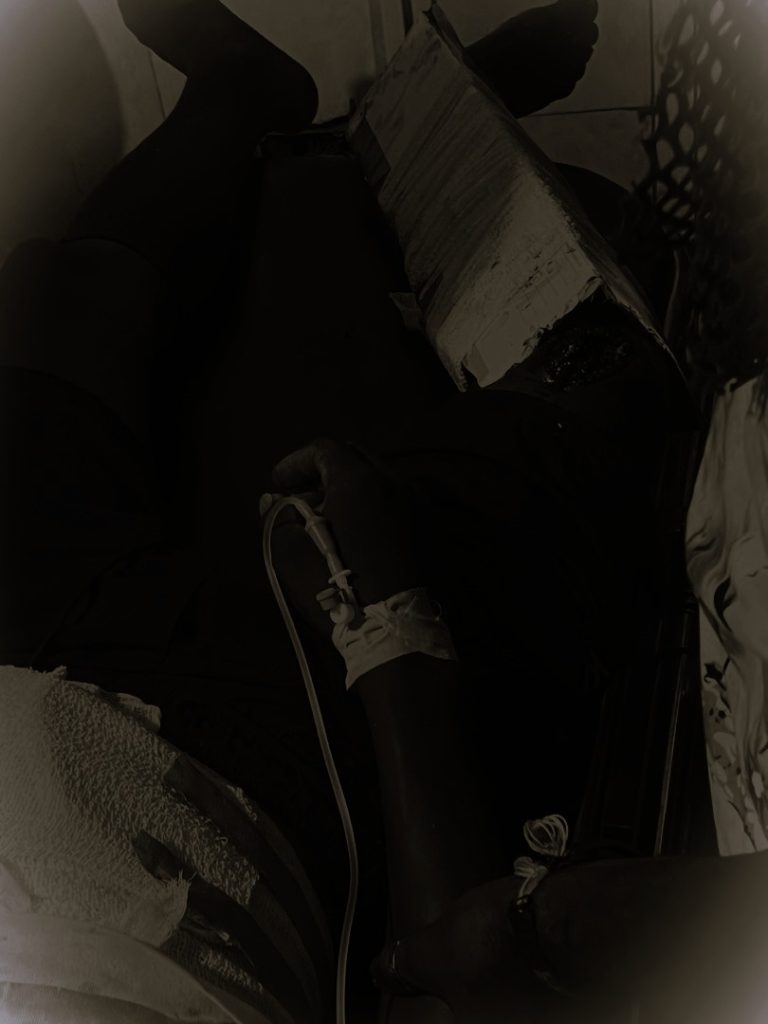
A wave of shock and sorrow has swept through the Upper East Region following a violent attack on Ghana Immigration Service officers at the Nangani checkpoint in the Tempane District. The harrowing incident, which occurred between 10:00 p.m. and 11:00 p.m., has left two officers shot and another critically injured, according to information circulating on social media and confirmed by Apexnewsgh sources. The circulated social media post indicates that the attack was carried out by unidentified gunmen, suspected to be bandits operating in the volatile Bawku area. Emergency responders rushed the wounded officers to the nearest hospital, but despite medical efforts, one of the victims sadly succumbed to his injuries. The remaining officer is reported to be in critical condition, fighting for his life as colleagues and family members anxiously await updates. The incident has heightened concerns about the security situation in the region, especially for frontline officers tasked with maintaining order and protecting Ghana’s borders. Authorities have launched a manhunt for the perpetrators, and security has been tightened at key checkpoints across the district. Source: Apexnewsgh.com
Unemployed Teachers Urge Government to Fulfill Recruitment Promise Amid Growing Uncertainty

With the year drawing to a close, anxiety and frustration are mounting among thousands of newly trained teachers in Ghana. The Coalition of Unemployed Trained Teachers (CUTT), representing 2023 graduates from public Colleges of Education, has issued an urgent appeal to the government to honor its pledge to recruit 60,000 personnel, 50,000 teachers and 10,000 non-teaching staff, into the education sector before the end of 2025. The promise, made by Minister of Education Haruna Iddrisu on June 25, 2025, during a parliamentary session, brought hope to thousands of unemployed graduates. However, with less than two months left in the year, CUTT says there has been little progress. The critical step of financial clearance from the Ministry of Finance, required to kickstart the recruitment process, remains outstanding. For the members of CUTT, the delay is not just a bureaucratic setback, it is a source of economic hardship and emotional distress. Many are struggling to make ends meet, grappling with uncertainty about their future despite their eagerness to serve in classrooms across the nation. “We are appealing to the government to expedite our recruitment into the teaching service before the start of the second term of the 2025/2026 academic year,” CUTT stated in a recent release. The coalition’s leadership, including President Agyei Godwin Dakede, 1st Vice President Atakorah Nelson, 2nd Vice President Eshun De-Graft Brown, Secretary Toboase Frank Kwasi, and Organiser Paul Offeh Karikari, have been at the forefront of advocacy efforts. They say the government’s silence is weighing heavily on thousands of qualified teachers who feel sidelined after years of rigorous training and national service. CUTT’s concerns are echoed in communities nationwide, where the shortage of teachers is already affecting classroom learning. Schools in both urban and rural areas report overcrowded classrooms and a lack of instructional support, impacting the quality of education for Ghanaian children. “Our strong desire is to contribute to Ghana’s educational development, but we remain jobless and uncertain about our future,” the coalition emphasized. To draw attention to their plight, CUTT has called on the media to highlight their situation through interviews, coverage, and feature segments. The group believes that greater public awareness could help sway policymakers and accelerate the recruitment process. “We urge the media to help amplify our plight. Increased public awareness could help influence policymakers to act swiftly,” the coalition stated. The sense of urgency is palpable. With the academic calendar advancing, many worry that further delays could see another cohort of qualified teachers left on the sidelines. The coalition argues that filling these vacancies would not only offer relief to unemployed graduates but would also strengthen Ghana’s education system, improve student outcomes, and reduce the burden on overworked staff in schools. CUTT maintains that with timely government intervention and robust media support, the issue of teacher unemployment can be tackled head-on. For the thousands waiting for a chance to step into classrooms and make a difference, the hope is that the government will keep its word and act, before the opportunity is lost yet again. As the clock ticks toward the end of 2025, the voices of Ghana’s unemployed teachers grow louder, unified in their plea for action, dignity, and the chance to serve the nation’s children. Source: Apexnewsgh.com
Germany’s President Pledges €65 Million Support and Deeper Ties During Landmark Ghana Visit
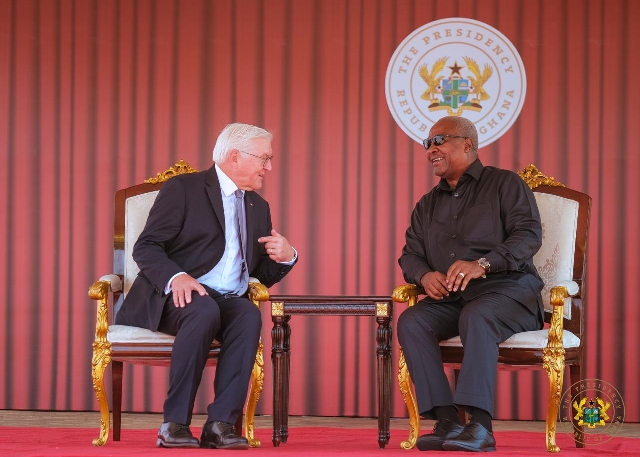
President of the Federal Republic of Germany, Frank-Walter Steinmeier, reaffirmed his country’s enduring partnership with Ghana during a three-day state visit marked by historic milestones and new pledges of support. Addressing dignitaries at the seat of government, President Steinmeier hailed Ghana as “a living democracy, a key regional actor, and an important partner for Germany in West Africa.” His visit, the fourth since becoming president, was especially significant as it marked 50 years of German–Ghanaian development cooperation. Central to the visit was the announcement of a €65 million (about GH₵823 million) support package, newly approved by the German Bundestag, for a range of development projects in Ghana. President Steinmeier explained that this funding would bolster joint initiatives in health, digital innovation, and vocational training. “Together, we are creating the foundations for sustainable economic development that will benefit both Ghana and Germany,” he said. The German leader emphasized his country’s commitment to Ghana’s youth, pointing to ongoing programs designed to equip young Ghanaians with skills in healthcare, pharmaceuticals, and the digital economy. He also highlighted efforts to expand renewable energy and improve energy efficiency—areas where Germany’s expertise continues to play a key role. President Steinmeier announced a new agreement for regular high-level consultations between the two countries, covering bilateral, regional, and global issues of mutual concern. On the economic front, he noted that Ghana had become one of Germany’s most important partners in sub-Saharan Africa. Bilateral trade grew by more than 25 percent last year, reaching €626 million (GH₵8.3 billion)—a testament to deepening commercial ties. Citing Ghana’s stability, educated workforce, English-language advantage, and geographical proximity to Europe, the president described the country as an attractive destination for German investors. He was accompanied by a delegation of business leaders from sectors including infrastructure, technology, and medical innovation, all seeking to explore opportunities in Ghana. Scientific collaboration was another highlight, with President Steinmeier praising partnerships like the Kumasi Centre for Collaborative Research in Tropical Medicine, where Ghanaian and German researchers work together on vaccine research and epidemic prevention. Germany is also supporting the expansion of a vocational training centre and a new nursing school near Kumasi, which will train 200 specialised nurses annually for Ghana’s health sector starting next year. Education remains a pillar of the partnership, with over 1,500 Ghanaian students and researchers benefiting from German Academic Exchange Service (DAAD) scholarships in 2024. President Steinmeier reiterated Germany’s support for academic exchange and capacity building. Turning to regional security, the German president commended Ghana’s leadership in promoting peace and stability in West Africa, pledging continued support for joint efforts against terrorism and transnational crime in the Sahel. He also reaffirmed Germany’s backing for Africa’s permanent representation on the United Nations Security Council. President Steinmeier’s itinerary included meetings with young tech entrepreneurs in Accra and a tour of Kumasi to inspect joint projects and interact with researchers and trainees—a testament to the expanding scope and promise of Ghana–Germany relations. “We have many common tasks ahead of us, and I am convinced that there is still a great deal of potential in our partnership that we will continue to build together,” he concluded. Source: Apexnewsgh.com
Arrest of GRA Legal Head Deepens Controversy Over SML Revenue Assurance Contract
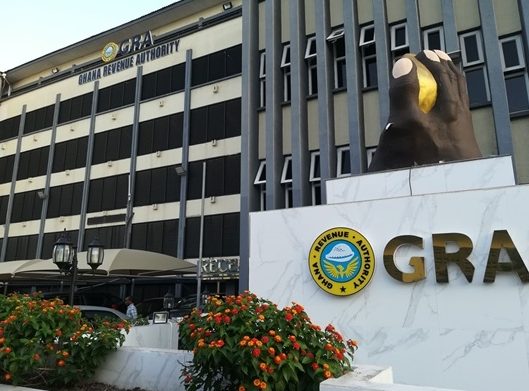
The ongoing controversy surrounding the multi-million-dollar revenue assurance contract between the Ghana Revenue Authority (GRA) and Strategic Mobilisation Ghana Limited (SML) took a dramatic turn this week, as the Office of the Special Prosecutor (OSP) arrested Freeman Sarbah, the Acting Head of Legal at the GRA. The arrest, which was publicly confirmed by the OSP, marks a significant escalation in the high-profile investigation into alleged corruption and obstruction of justice linked to the deal. According to a statement released by the OSP, Mr. Sarbah is under investigation for suspected corruption and corruption-related offences, as well as obstruction of justice, in connection with the GRA–SML contract. The contract, designed to enhance revenue monitoring in Ghana’s petroleum downstream sector, has attracted intense public scrutiny in recent months due to concerns about its cost, scope, and procurement process. While the OSP has not disclosed specific details of Mr. Sarbah’s alleged conduct, officials noted that his arrest forms part of a wider probe into irregularities and possible acts of corruption surrounding the agreement. The Special Prosecutor’s office emphasized that investigations are ongoing and appropriate action will be taken based on their findings. The SML contract has been a lightning rod for criticism from civil society organizations, anti-corruption campaigners, and members of the public, many of whom have questioned its overall value to the state and called for greater transparency. The OSP’s investigation has already seen several officials and corporate representatives invited for questioning, but Mr. Sarbah’s arrest stands out as the most significant development to date. In a parallel development, the GRA last week issued an official statement confirming that SML Ghana Limited had fully executed its contractual obligations under its agreements with the Authority, directly countering claims that the company was paid for “no work done.” The clarification was provided in a letter dated October 14, 2025, signed by Mr. Sarbah himself prior to his arrest. The letter detailed the findings of an internal GRA review covering the period from January 2019 to December 2024. According to the review, SML Ghana performed Transaction Audit, External Price Verification, and Revenue Assurance activities in the petroleum downstream sector in accordance with the contracts. “The Authority’s records and accompanying technical documentation confirm that SML Ghana Limited undertook work related to the assigned services,” the letter stated, adding that all relevant reports and evidence are available for inspection. The GRA’s statement, which comes after months of political debate and public scrutiny, asserted that all payments made to SML were based on verified deliverables. The Authority further explained that all disbursements to the company during the period under review were properly documented, reconciled, and approved in accordance with standard financial procedures. While the Transaction Audit and External Price Verification agreement was terminated in November 2024, SML’s Downstream Petroleum Revenue Assurance contract remained active until June 2025, when it was suspended following the launch of the OSP investigation. The GRA’s clarification significantly shifts the public narrative, indicating that SML Ghana did, in fact, deliver on its contractual obligations, despite ongoing controversy. However, the arrest of Mr. Sarbah has deepened uncertainty, raising new questions about the management of public contracts and the commitment of authorities to accountability and transparency. As the OSP continues its investigation, the case remains a focal point for public debate on corruption, governance, and the prudent use of state resources. Both the Special Prosecutor and the GRA have pledged to uphold due process and transparency as the inquiry unfolds, leaving Ghanaians and observers awaiting further developments in this unfolding saga. Source: Apexnewsgh.com
Upper East Minister Calls for Action on Electricity Access at PURC Public Engagement
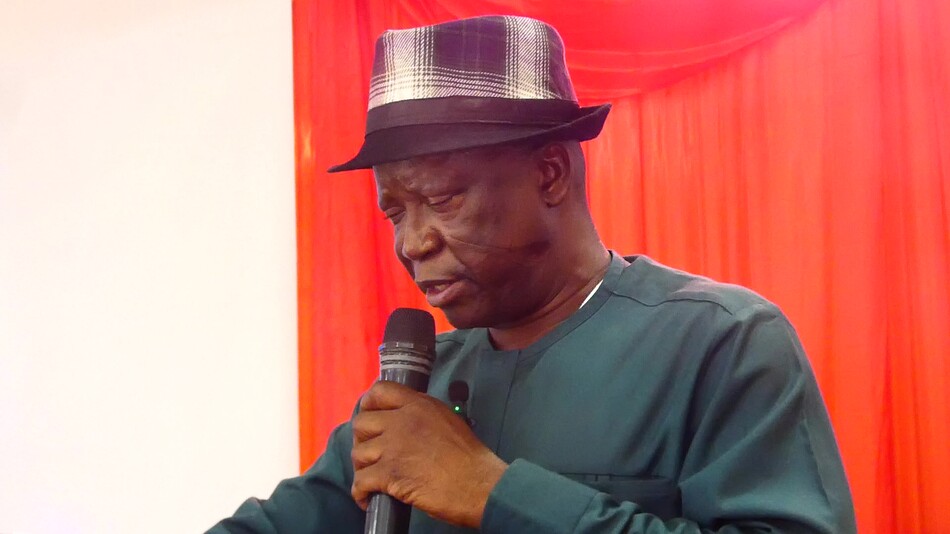
At a well-attended public engagement organized by the Public Utilities Regulatory Commission (PURC), the Upper East Regional Minister delivered a candid and urgent message about the region’s persistent infrastructure challenges. Addressing an audience of local residents, officials, and stakeholders, the Minister emphasized that access to reliable electricity and public water is not a luxury, but a crucial foundation for the region’s economic and social advancement. “Electricity isn’t just about lighting our homes—it powers our schools, hospitals, and businesses. Without it, our communities cannot thrive or compete,” the Minister asserted. He revealed that as of the end of February, the Upper East Region’s electricity coverage stood at just 66.5%. This figure, he noted, is far below the national average of 89%, leaving over 800 communities and sections across the region still disconnected from the national grid. The Minister described this gap as a significant barrier to progress, holding back local businesses, limiting educational opportunities, and weakening healthcare delivery. “These numbers are more than statistics. They represent families, students, and entrepreneurs who are cut off from the opportunities that reliable infrastructure brings,” he said. During his speech, the Minister took the opportunity to make a direct appeal to the Minister of Energy and the Green Transition. He called on them to review and address all outstanding issues related to the World Electricity Committee—a body in which many Upper East communities actively participated, but from which numerous areas have yet to see tangible benefits. “I urge the Ministry to ensure that no community is left behind. Many of our people were promised inclusion, but the reality on the ground tells a different story,” the Minister continued. He also highlighted the broader consequences of infrastructure exclusion, pointing out that inadequate access to electricity and water widens regional inequality and stifles the aspirations of residents. The Minister cited examples of businesses struggling to operate, students unable to study after dark, and health centers grappling with unreliable power. The Minister praised the PURC for providing a platform where citizens’ voices could be heard and for encouraging open dialogue between government, service providers, and the public. He concluded by reaffirming his commitment to advocating for equitable infrastructure development and called for collective action to bridge the gap. “Let’s work together to ensure that every corner of the Upper East enjoys the benefits of reliable electricity and water. This is how we build a stronger, more inclusive region,” he said. The engagement ended with a sense of urgency and hope, as residents and leaders alike agreed that closing the infrastructure gap is vital for the Upper East’s sustainable development. The Minister’s address was a rallying cry, echoing the collective desire for progress and inclusion. Source: Apexnewsgh.com/Ngamegbulam Chidozie Stephen
GFD Members in Talensi receive items for improved livelihood
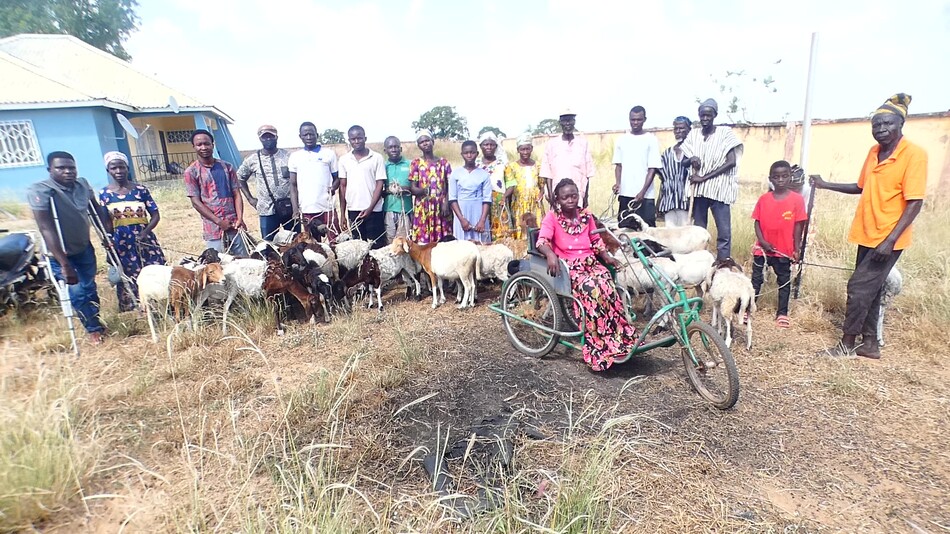
In the Talensi District, members of the Ghana Federation of the Disability Organisations (GFD) have received some items to meet their daily needs. The Disability Fund Management Committee, under the leadership of Chairman Clement Sampana, had organized a comprehensive support program aimed at empowering persons with disabilities (PWDs) to become self-reliant and active contributors to their communities. The first phase of the day’s activities unfolded in an open field alive with anticipation. Clement stood at the front, addressing journalists and beneficiaries alike, his words clear and purposeful. “Just last week, we distributed some items, and today we are here again, handing over about 60 animals, goats and sheep, to 26 beneficiaries. Each recipient receives a token to help with transportation, ensuring their new livestock reaches home safely.” For the recipients, the livestock meant far more than an asset; it represented a path toward independence. Many had long struggled with the challenges of disability and poverty, often forced to rely on charity or the kindness of neighbors. Now, clutching ropes tied to bleating goats or sheep, they looked ahead with hope. The animals would provide income through breeding, milk, or resale, and, more importantly, a sense of dignity through work. But the morning’s generosity was only part of the story. The group soon moved to the assembly conference hall for the next phase of the initiative. Here, another ten PWDs waited eagerly, knowing that the support they were about to receive had been tailored to their unique needs and dreams. The committee distributed pumping machines, sewing machines, refrigerators, and other essential business equipment, items carefully matched to the ambitions and requests of each beneficiary. Clement made it clear that this was not a blanket handout, but a targeted investment in people’s futures. “We don’t just hand out items. If you haven’t requested a tool, we don’t buy it, because it must serve your needs,” he explained. “Today, as you receive these items, we want you to use them to start or grow your business. The goal is for you to earn your own income, support your family, and stand tall in your community.” Clement’s message throughout was one of empowerment, but also accountability. “We don’t want to see any of you begging on the streets or vulnerable to exploitation for small amounts of money. These items are your stepping stones to independence. Use them wisely, grow your businesses, and one day, you’ll be able to support not just yourselves, but others as well.” He also stressed the importance of responsibility. “If, after some time, we find that you’ve sold the items or left them idle, we’ll have to reclaim them. If you sell what we’ve given, we’ll ask you to return the proceeds, or face further action. But if you put them to good use and we see progress, we’ll be back with even more support. Our help doesn’t end today; it grows with your effort and success.” The initiative is funded through the disability common fund, a resource designed to support the economic inclusion of PWDs. Clement handed over each item with a handshake and a word of encouragement, reminding recipients, “These are your items. Use them well, and when we return, we hope to see the difference they’ve made in your lives.” For many in Talensi living with disability, daily life is a challenge not just of health, but of opportunity. A lack of resources had often meant being left behind, with few chances to build a business or support a family. This distribution, however, marked a turning point: a shift from dependency and pity to genuine empowerment and partnership. By day’s end, the signs of change were everywhere. Some recipients led their new goats and sheep home, while others tested out the heft of a new sewing machine or reviewed plans for their small businesses. Those who received cash grants began planning the next steps for their ventures. Throughout, the mood was one of gratitude, optimism, and possibility. As the gathering concluded, Clement offered a closing message: “This is only the beginning. If you make good use of what you’ve received, we’ll be back to support you again. Let’s work together to build a future where everyone, regardless of ability, can thrive.” Beneficiaries could not hide their excitement after they were handed their individually requested items. They further expressed gratitude to the assembly and the Disability Fund Management Committee for their intervention. Source: Apexnewsgh.com
Bats Blamed for Persistent Power Outages in Builsa North: Community Demands Lasting Solution
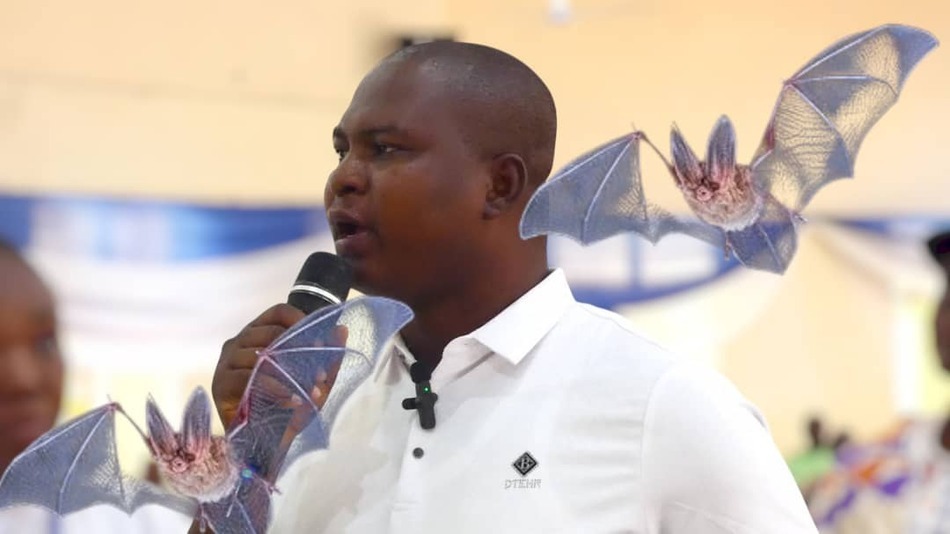
During a recent public engagement organized by the Public Utilities Regulatory Commission (PURC) in the Upper East Region, residents of Builsa North expressed growing frustration over persistent power outages, which they surprisingly attributed to bats. Apexnewsgh reports The meeting, held on Monday, brought together representatives from utility providers, local leaders, and aggrieved community members, whose patience is wearing thin over what has become a recurring disruption in their daily lives. For many in Builsa North, the frequent blackouts have gone from being a mere inconvenience to a serious threat to livelihoods, education, and health. Community members recounted how each time they reached out to the Volta River Authority (VRA) or the Northern Electricity Distribution Company (NEDCo) to complain, the explanation given was always the same: bats are to blame. “It’s always bats, bats, bats,” one resident lamented. “Every time we ask why the lights are out, they say it’s because of bats on the lines or at the substations. But how long must we accept this excuse?” The repeated reference to bats as the culprit has left many residents both bewildered and skeptical. Some see it as a convenient explanation for deeper infrastructural or maintenance problems, while others worry that the issue is not being taken seriously enough by the authorities. For the benefit of the public, Apexnewsgh conducted a quick investigation into the link between bats and power outages. The findings reveal that, while unusual, bats can indeed be responsible for electrical faults and blackouts. In areas with overhead power lines or exposed electrical infrastructure, bats can collide with wires, causing short circuits or faults that lead to outages. Large colonies may also roost or nest on transmission towers and substations. Their droppings and urine can accumulate, creating conductive paths that result in equipment malfunctions and further outages. This phenomenon, while not unique to Builsa North, is recognized by utility companies worldwide. However, communities and wildlife experts agree that there are established measures to mitigate bat-related disruptions. Utilities can install exclusion devices, modify infrastructure, or implement regular cleaning and maintenance schedules to prevent bats from roosting and reduce the risk of outages. Despite this, residents of Builsa North say they have seen little evidence of such interventions. “We are not saying bats aren’t a problem,” another participant noted at the public hearing, “but what are VRA and NEDCo doing to fix it? We deserve a permanent solution—not just excuses.” The persistent outages have had ripple effects throughout the community. Small businesses report losses when refrigeration fails or equipment cannot run. Students struggle to study after dark. Health facilities risk the spoilage of medicines and vaccines that require constant refrigeration. The issue has now become a rallying point for local advocacy, with residents calling on the PURC and all relevant authorities to hold utility providers accountable and demand a comprehensive action plan. Suggestions include the installation of bat deterrents, more frequent inspection and cleaning of substations, and investment in more resilient infrastructure. At the end of the engagement, PURC representatives assured the community that their concerns would be included in ongoing consultations and that follow-up discussions with VRA and NEDCo would address both immediate and long-term solutions. As Builsa North waits for decisive action, the hope is that future power supply stories will focus less on bats and more on the bright promise of reliable electricity for all. Source: Apexnewsgh.com/Ngamegbulam Chidozie Stephen
Talensi Paramount Chief Raises Alarm Over Water Pollution and Appeals for Improved Supply
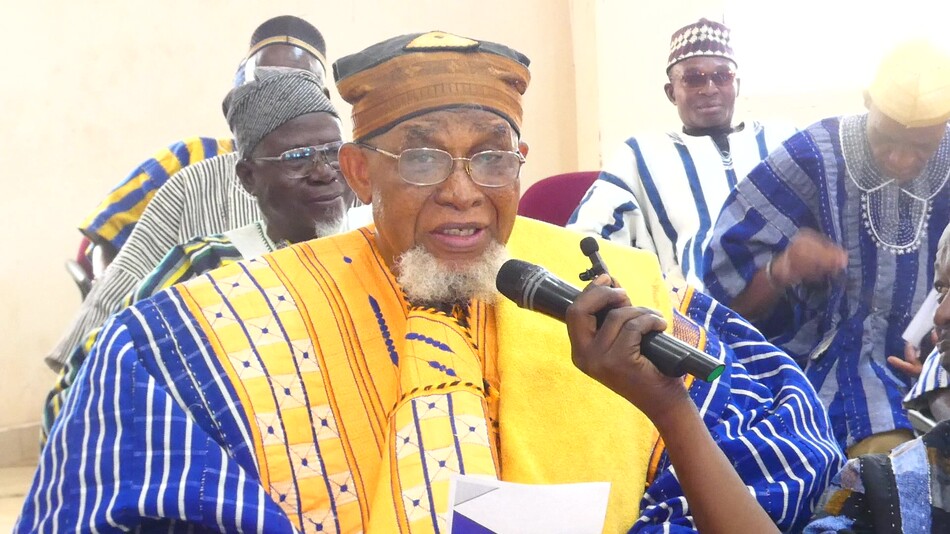
The Paramount Chief of the Talensi Traditional Area, Tongraan Kugbilsong Nanlebegtang, has raised serious concerns about water pollution in his district and called for urgent intervention to ensure clean and reliable water supply for the people of Talensi. Apexnewsgh.com His remarks came during a well-attended public engagement organized by the Public Utilities Regulatory Commission (PURC) in Bolgatanga on Monday, where community leaders, utility providers, and residents gathered to discuss issues affecting essential services in the Upper East Region. Tongraan’s address was both a warning and a passionate appeal, highlighting the environmental and public health risks posed by ongoing illegal mining activities, commonly known as galamsey, within the district. According to the Paramount Chief, Talensi is grappling with the same water pollution challenges affecting other districts, despite not being recognized as such by the regional water company. “Galamsey is happening in the Talensi district, carried out by our young men,” he lamented. “Apart from Cardinal Namdeni and Earl International, several parts of the area have been found to contain gold. As I am speaking, so many young men have gone and started digging left and right. We had to call on the District Chief Executive and the security services because they were digging and carrying away what they called ‘the sand,’ washing it into streams that flow into the White Volta and other water bodies.” The Chief described how these activities have led to severe water pollution. “The water was so polluted and turned so brown that it was very dangerous. The galamsey is happening in those parts of eastern Talensi, and it is not just a local problem. Pollution is coming from all the way from Burkina Faso into the White Volta. I don’t know how come the regional water company said that we are not affected by the pollution. But I want to tell you, you need to go and check the White Volta—the pollution is real and it is affecting us.” The Paramount Chief’s testimony painted a vivid picture of the environmental degradation experienced in Talensi, where streams and rivers have become conduits for mining waste, endangering the health of people and livestock alike. He emphasized that the problem is compounded by the lack of oversight, with many artisanal miners operating without regard for environmental standards or community welfare. Despite these challenges, the Talensi district has not been officially listed by the Ghana Water Company Limited (GWCL) as one of the areas affected by water pollution. Tongraan expressed his disappointment at this oversight and called on authorities to conduct proper assessments. “It is crucial for the water company and relevant regulatory bodies to recognize the reality on the ground. Only then can appropriate interventions be designed and implemented.” Beyond pollution, the Chief highlighted another critical issue: the chronic shortage of potable water in Talensi. “The whole of Talensi doesn’t have water supplied by the Ghana Water Company,” he revealed. “The water we have there comes from community water and sanitation systems, and that water is highly inadequate. At this point, I want to appeal to you to make sure that Talensi is captured in the budget you are making, at least to make sure you stretch water to Talensi.” His plea resonated with many in the audience, particularly residents who have long contended with water scarcity, relying on boreholes, wells, and seasonal streams—sources that are themselves under threat from pollution and overuse. The Paramount Chief called on the PURC, GWCL, and all relevant stakeholders to prioritize the extension of safe, treated water to the district, insisting that reliable access to clean water is a basic right, not a privilege. During the public engagement, other participants echoed the Chief’s concerns, recounting their own experiences with waterborne diseases, livestock losses, and the disruption of farming activities due to polluted streams. Civil society representatives urged for stricter enforcement of environmental regulations and stronger collaboration between local authorities, traditional leaders, and national agencies. Representatives from the Ghana Water Company Limited assured the gathering that their concerns would be taken seriously and promised to review the situation in Talensi. They acknowledged the need for improved monitoring of water quality and committed to exploring options for expanding water infrastructure in underserved districts. Officials from the Public Utilities Regulatory Commission also reiterated their commitment to ensuring that the voices of affected communities inform future utility planning and policy. “We are here to listen and to ensure that your input shapes our decisions,” one PURC representative stated. The meeting concluded with a renewed sense of urgency and a broad consensus on the need for immediate action. The Paramount Chief’s intervention has sparked hope that Talensi’s plight will no longer be ignored and that tangible steps will be taken to address both pollution and water scarcity. As the Upper East Region continues to grapple with the twin challenges of environmental degradation and inadequate infrastructure, community leaders like Tongraan Kugbilsong Nanlebegtang are determined to keep the spotlight on their districts, pushing for recognition, resources, and real change. For Talensi, the hope is that their voices will not only be heard but will lead to lasting solutions that safeguard the health and well-being of all residents. Source: Apexnewsgh.com/Ngamegbulam Chidozie Stephen