



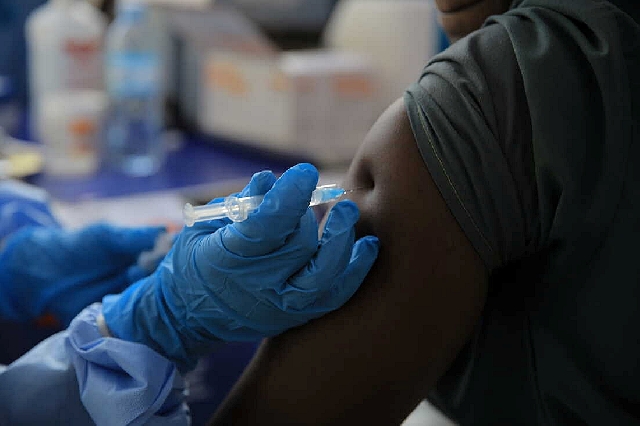


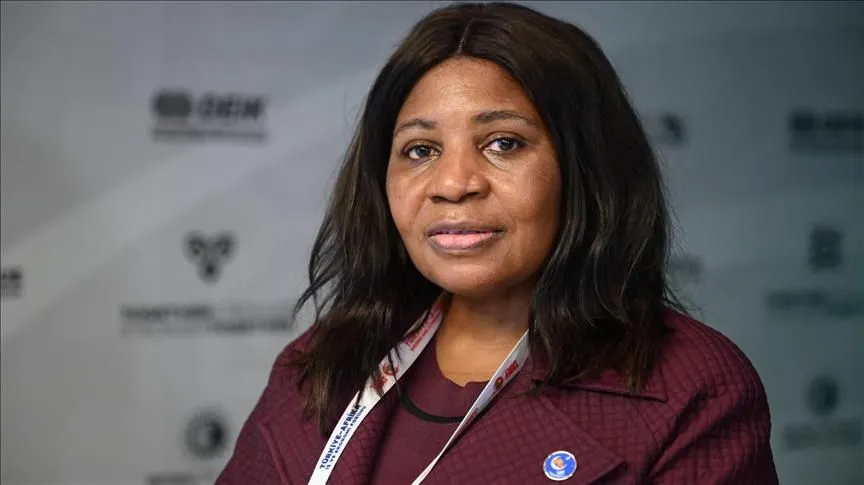


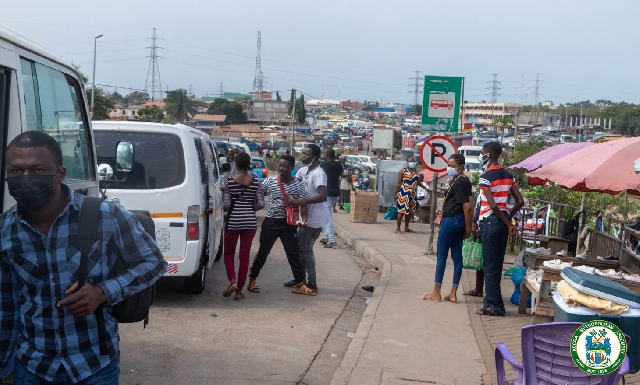
The Ministry of Health, under the leadership of Kwabena Mintah Akandoh, has moved quickly as news of Ebola outbreaks in Kenya, Nigeria, and other African countries sends ripples of concern across Ghana. With Nigeria just a border away, the threat feels especially close to home. To keep the deadly virus at bay, the Ministry has unveiled a comprehensive strategy to protect the nation.
In a press release signed by Minister Akandoh, Ghanaians learned of a series of enhanced preventive measures. Working hand-in-hand with key authorities, the Ministry is ramping up surveillance at all points of entry, including the implementation of stronger screening protocols at airports. Travelers arriving in Ghana are now met with heightened health checks and clear instructions on what to do if symptoms arise.
But the Ministry isn’t stopping at the borders. Minister Akandoh shared that simulation exercises are being carried out at the Accra International Airport and the Ghana Infectious Disease Centre. These drills, he explained, are designed to stress-test Ghana’s readiness to handle suspected Ebola cases. Health officials are also closely monitoring visitors from high-risk areas throughout their stay in the country, in strict adherence to public health protocols.
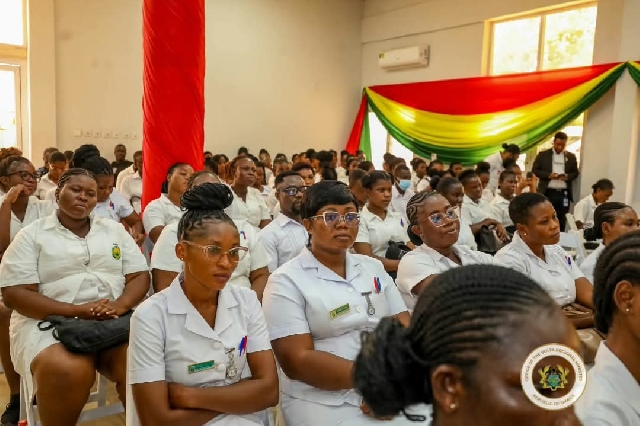
The preparedness extends to Ghana’s laboratories as well. The Ministry is updating Standard Operating Procedures and ensuring that healthcare workers across the nation are sensitised and trained to spot, respond to, and manage potential Ebola cases swiftly and appropriately.
Public education is taking center stage. Travellers at the Accra International Airport receive vital information about Ebola prevention, symptoms, and the steps to take if illness develops. The goal, as Minister Akandoh emphasized, is to strengthen the country’s capacity to prevent, detect, and respond rapidly to any potential Ebola threat.
The Minister also took the opportunity to educate the public about the disease itself. “Ebola spreads through direct contact with the blood or body fluids of an infected person, or contaminated materials. It is not airborne,” he clarified. Symptoms of Ebola can appear anywhere from 2 to 21 days after exposure, with the average onset between 8 and 10 days. Early signs include high fever, severe headache, extreme fatigue, sore throat, and chills, followed by more severe symptoms such as unexplained bleeding and confusion.
“Anyone who falls ill and experiences these symptoms after traveling to an affected area, or after contact with a suspected or confirmed case, should seek immediate medical attention and share their travel history with health workers,” the Minister advised. Travellers from affected countries will be monitored for 21 days to ensure their health and the safety of those around them.
Finally, the Ministry urged everyone to practice good hand hygiene, avoid contact with anyone showing signs of unexplained illness, and not to spread unverified information. Instead, they encouraged citizens to rely on official channels for updates and guidance as Ghana stands united against the threat of Ebola.
The Ministry of Heath led by Kwabena Mintah Akandoh has outlined measures to prevent any occurence of the deadly Ebola in Ghana.
These measures are being implemented after reports of Ebola cases in Kenya, Nigeria and other African countries which, to the Ghanaian populace, comes close to Ghana especially when Nigeria remains one of the closest neighbouring countries.
In a press release signed by the Minister, the Health Ministry in collaboration with the relevant authorities is ensuring an “enhanced surveillance at points of entry including strengthened airport screening measures”.
Hon. Mintah Akandoh further disclosed the measures to include “simulation exercises at the Accra International Airport and the Ghana Infectious Disease Centre to assess and improve readiness to respond to suspected cases. Follow-up with travellers from high-risk areas throughout their stay in Ghana, in line with public health protocols. Strengthen laboratory preparedness, including updating Standard Operating Procedures” and sensitise healthcare workers to “enhance awareness, preparedness, and appropriate management of suspected cases”.
Furthermore, public education and risk communication at the Accra International Airport is being provided to travellers with “relevant information on Ebola prevention and the actions to take if symptoms develop”.
These measures, the Minister noted, are aimed at strengthening Ghana’s capacity to “prevent, detect, and respond to any potential Ebola case”.
He also conscientised the general public to carefully note the signs and symptoms of this lethal disease, stating that “Ebola spreads through direct contact with the blood or body fluids of an infected person, or with contaminated materials. It is not airborne”.
“Ebola virus disease symptoms typically start 2 to 21 days (average 8 to 10 days) after exposure. These include high-grade fever, severe headache, extreme fatigue, sore throat, chills and later unexplained bleeding and confusion.”
He cautioned “anyone who falls ill and has any of the above symptoms after travelling to an affected area, or after contact with a suspected or confirmed case, should seek prompt medical care and disclose their travel history to health workers”.
Also, “travellers from affected areas would have their health monitored for 21 days”.
The Health Ministry urged the public to “practise good hand hygiene and avoid contact with anyone showing unexplained fever, vomiting, diarrhoea or bleeding” and “do not spread unverified information. Follow official updates from health authorities”.
Read full statement below:
PRESS RELEASE
Ebola Update- Enhanced Surveillance and Response Measures Following Ebola Outbreaks in the Democratic Republic of the Congo, Kenya and Nigeria
The Ministry of Health, with its relevant agencies and partners, wishes to update the public on measures Ghana is implementing in response to the ongoing Ebola outbreak in the Democratic Republic of the Congo (DRC) and the subsequent report of cases in Kenya and Nigeria.
On 6 October 2026, Kenyan authorities reported an imported case of Ebola caused by the Bundibugyo virus from the DRC. As of 17 October 2026, authorities reported six additional cases, all linked to the initial case, including among healthcare workers. On 20th October, Nigerian authorities also reported a confirmed case of Ebola in the Federal Capital Territory. Although Ghana has not reported any Ebola case, the Ministry of Health, through the Ghana Health Service and other agencies and partners, is strengthening national preparedness to prevent importation and ensure early detection, prompt isolation, and effective management of any suspected case.
The situation in Kenya poses a significant risk to Ghana due to direct flights between the two countries and higher passenger volumes than in the DRC. In addition, the confirmed case in Nigeria has compounded this risk because of frequent travel between the two countries. This has necessitated strengthening existing surveillance and screening measures, especially at the airport.
Since the outbreak began in the DRC, the Ministry of Health, through the Ghana Health Service, has implemented public measures to strengthen the country’s capacity to prevent, detect, and respond to any potential Ebola case. These measures include:
Engagement with relevant stakeholders, including the Ghana Airports Company Limited, the Ghana Civil Aviation Authority, and other key partners, to strengthen preparedness and coordination. Enhanced surveillance at points of entry, including strengthened airport screening measures. Simulation exercises at the Accra International Airport and the Ghana Infectious Disease Centre to assess and improve readiness to respond to suspected cases. Follow-up with travellers from high-risk areas throughout their stay in Ghana, in line with public health protocols. Strengthen laboratory preparedness, including updating Standard Operating Procedures. Sensitise healthcare workers to enhance awareness, preparedness, and appropriate management of suspected cases. Public education and risk communication at the airport to provide travellers with relevant information on Ebola prevention and the actions to take if symptoms develop.
Signs and Symptoms of Ebola
Ebola virus disease symptoms typically start 2 to 21 days (average 8 to 10 days) after exposure. These include high-grade fever, severe headache, extreme fatigue, sore throat, chills and later unexplained bleeding and confusion.
Public guidance
Ebola spreads through direct contact with the blood or body fluids of an infected person, or with contaminated materials. It is not airborne. Anyone who falls ill and has any of the above symptoms after travelling to an affected area, or after contact with a suspected or confirmed case, should seek prompt medical care and disclose their travel history to health workers. Travellers from affected areas would have their health monitored for 21 days. Practise good hand hygiene and avoid contact with anyone showing unexplained fever, vomiting, diarrhoea or bleeding. Do not spread unverified information. Follow official updates from health authorities.
The Ministry of Health wishes to reassure the public that, together with its relevant agencies and partners, it is implementing the necessary measures to protect public health. The public is encouraged to remain calm, stay informed through official communication channels, and cooperate with public health authorities as Ghana continues to strengthen its preparedness and response measures.
Thank you.
SIGNED
KWABENA MINTAH AKANDOH (MP)
MINISTER FOR HEALTH