
President Mahama Maintains Public Approval as Ghanaians Weigh Progress and Challenges
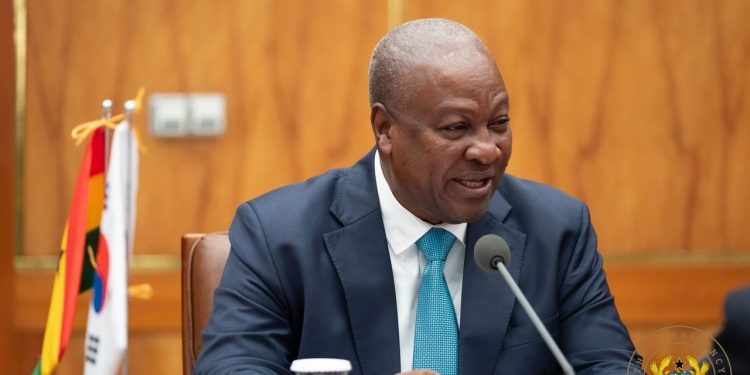
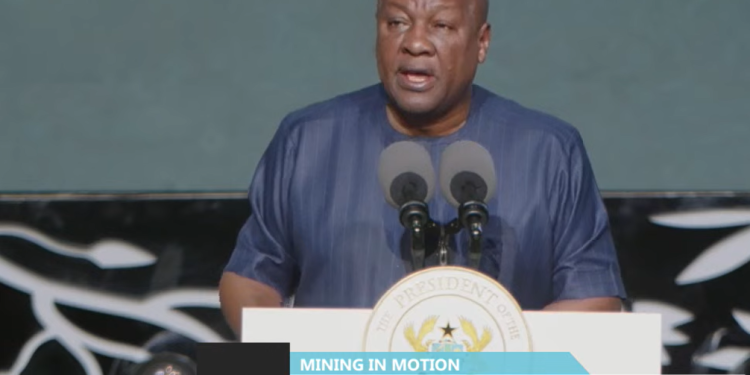
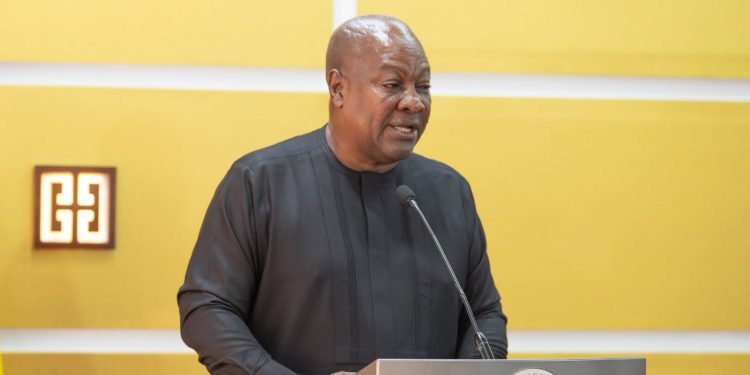
A recent nationwide survey by the Institute of Economic Affairs (IEA) has painted a nuanced picture of public sentiment towards President John Dramani Mahama, showing that the majority of Ghanaians continue to back his leadership 18 months into his administration. The poll, conducted in May 2026 and involving over 1,000 respondents from all 16 regions, found that 58.9% of citizens approve of the President’s performance, while 28.4% disapprove and 12.8% remain undecided. This endorsement comes on the back of significant improvements in Ghana’s economic indicators over the past year and a half. Since January 2025, inflation has plummeted from 23.5% to 3.4%, and the Ghanaian cedi has appreciated by 26% against key international currencies. The Bank of Ghana’s policy rate has been slashed from 27% to 14%, bringing commercial lending rates down from 32% to 20%. Ghana’s debt-to-GDP ratio has also improved remarkably, dropping from 61.8% at the close of 2024 to 45.3% by the end of 2025. These achievements have earned the country rating upgrades from major international agencies, including Fitch, Moody’s, and S&P. The IEA found that most Ghanaians who approve of the President’s performance cite these economic gains as their primary motivation, 73.5% point to improvements in the economy, 16% highlight road infrastructure, and 2.7% mention advancements in energy and electricity. Yet, the survey also notes a dip in approval from the 68% recorded in December 2025, suggesting that while macroeconomic stability is welcomed, the public is eager to see these gains reflected more directly in everyday life. Among respondents who expressed dissatisfaction, 30.9% identified the economy as a concern, and 29.9% pointed to ongoing challenges with electricity supply, a sentiment likely influenced by recent power outages in May 2026 that disrupted households and businesses. Corruption remains a significant issue, with 19.1% of disapprovers calling for more robust anti-corruption action and greater accountability from government officials. The IEA’s analysis indicates that while President Mahama enjoys a solid base of support rooted in perceived economic stabilization and infrastructure development, rising expectations around living standards, energy reliability, and anti-corruption efforts are shaping a more demanding electorate. For many Ghanaians, the full benefits of economic recovery are yet to be felt in terms of cost of living, job opportunities, and household income. As President Mahama navigates the second half of his term, the survey underscores the government’s need to balance continued macroeconomic progress with tangible improvements in the daily lives of citizens. The findings reflect a broadly supportive but increasingly expectant public, looking for real change beyond the numbers. Source: Apexnewsgh.com
The NDC at 34: A Journey of Democracy and Development

On June 10, 2026, the National Democratic Congress (NDC) celebrates its 34th anniversary, a milestone that marks over three decades of active political participation, democratic governance, and national development in Ghana. The story of the NDC began on June 10, 1992, when the party was founded during a pivotal moment in Ghana’s history. As the country transitioned back to constitutional rule under the Fourth Republic, the NDC emerged as a leading force on the political stage. Its roots trace back to the Provisional National Defence Council (PNDC) administration, led by the dynamic Jerry John Rawlings. Rawlings, who became the NDC’s first presidential candidate, led the party to resounding victories in the 1992 and 1996 general elections, setting the stage for a new era in Ghanaian governance. Since its formation, the NDC has played a vital role in shaping Ghana’s democratic journey. The party has produced three presidents—Jerry John Rawlings, John Evans Atta Mills, and John Dramani Mahama, each contributing to the nation’s progress and stability. With a strong presence in Parliament and local governance structures, the NDC’s influence has been felt in communities across the country. As the party commemorates its 34th anniversary, members and supporters are taking time to reflect on the NDC’s achievements and its contributions to nation-building. Many recall the party’s impact in expanding infrastructure, improving education, advancing healthcare, and implementing social intervention programmes and economic reforms. These milestones, achieved during its time in government, have left a lasting legacy on Ghana’s development. This year’s anniversary comes at a significant time, with the NDC once again in government under President Mahama, following the party’s return to power after the 2024 general elections. Party leaders describe the 34th anniversary as an opportunity to renew their commitment to the NDC’s founding principles of social justice, accountability, inclusiveness, and national development. Across Ghana, supporters are expected to mark the occasion with messages of solidarity, community engagements, and reflections on the party’s rich history and future aspirations. The anniversary serves not only as a celebration of the NDC’s past but also as a reminder of its enduring role in Ghana’s political evolution and its continued influence in shaping the nation’s democratic and developmental agenda. Source: Apexnewsgh.com
Nabdam MP Dr. Mark Kurt Nawaane Commissions Construction of 1No.2 Unit KG Block at Nkusiezie
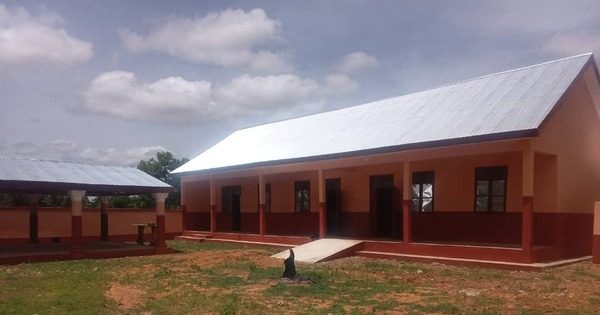
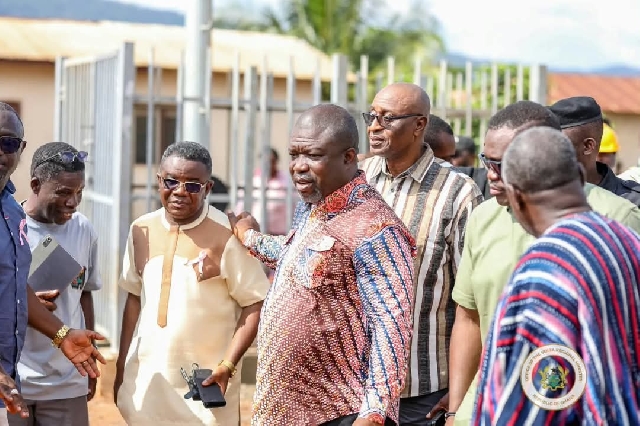
Excitement filled the air in Nkusiezie as community members, chiefs, and local leaders gathered to witness a significant milestone in the area’s educational journey. The Nabdam Member of Parliament, Dr. Mark Kurt Nawaane, stood before the gathering to commission the construction of a new two-unit kindergarten block, a facility complete with an office, storeroom, five-seater KVIP toilets, and two-unit gender-friendly urinals. Dr. Nawaane, in his address, highlighted the far-reaching impact of the project, linking it to former President Mahama’s educational policy. “This project falls in line with President Mahama’s vision to increase the number of pupils attending kindergarten. We all know the importance of early childhood education; it is during these formative years that children develop essential skills. We teach them how to speak, write, read, sing, and even instruct them in our local language, nurturing their cognitive and social abilities.” He emphasized that research shows children who benefit from quality kindergarten education tend to excel as they move through primary, secondary, and even tertiary levels. “President Mahama is committed to kindergarten education, and that is why we’ve allocated about 10 percent of the common fund towards educational projects such as this.” Dr. Nawaane extended his gratitude to the assembly for championing the policy, and heaped praise on the contractor for delivering quality work. “You can see the good work that has been done,” he noted, inviting the young contractor to stand and be recognized by the crowd. “I also want to thank the chief and people of the community for embracing this project. Community acceptance and cooperation are what make successful implementation possible.” He concluded by assuring the community that maintenance of the facility would be a priority, so that generations of children would benefit from a safe and welcoming learning environment. The event marked not just the commissioning of a building, but the start of brighter educational prospects for the youngest members of Nkusiezie. Meanwhile, the contractor of the project, Mr. Jacob Azumah of Winmailes Company Ltd, expressed satisfaction with the support he received from the assembly and community members. According to him, he was able to meet the construction deadline because of the community’s support and cooperation. The event was honoured by opinion leaders, assembly officials led by the DCE, and GES officials, all of whom commended the initiative and pledged their continued commitment to the advancement of education in Nkusiezie. Source: Apexnewsgh.com
Asonge-Zanlerigu Road Delay Due to Commitment Letter, Contractor to Start Soon – Nabdam MP
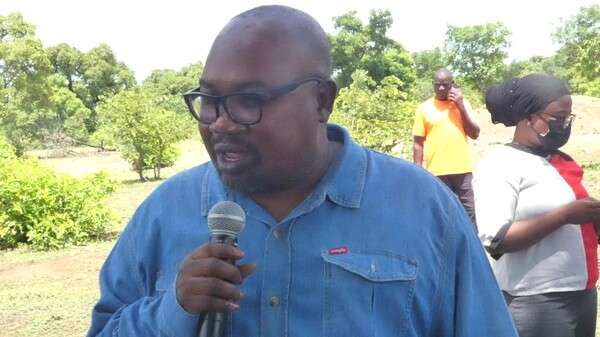
The Member of Parliament for Nabdam, Dr. Mark-Kurt Nawaane, has announced that a contractor selected to construct the long-awaited Asonge–Zanlerigu–Damolgo–Tindongo–Pelungu road is yet to receive a commitment letter, which is required before mobilising to the site. The MP disclosed during the commissioning of a maternity block at the Gundug/Wore-Daah health centre in the Nabdam District. He reassured residents that efforts are ongoing to get the project off the ground, stressing that the road has been included under the Department of Feeder Roads and remains a government priority. Dr. Nawaane used the occasion to refute claims that roads in the Upper East Region have been left out of the government’s development agenda, particularly the widely discussed “Big Push” initiative. He explained that many people have misunderstood the scope of the programme, which is largely focused on major highway projects across the country. Most roads in the Upper East Region, he noted, fall under the feeder roads category. “As for roads, this government is committed to working on them. The Big Push is mainly about highways, and many people have heard about that. But resources are also being organised for us to work on feeder roads,” the MP stated. He added that Members of Parliament from the region are actively engaging government agencies and relevant ministries to ensure feeder roads receive the necessary attention and funding. Dr. Nawaane revealed that he had successfully pushed for the inclusion of the strategic road linking Asonge, Zanlerigu, Damolgo, Tindongo, Pelungu, and extending to Sakoti on the list of feeder roads earmarked for intervention. Interested contractors have already been identified, and discussions have been held with the Department of Feeder Roads to pave the way for work to begin. Providing an update on the progress, the MP said: “I was with a contractor about five or six days ago, and we visited the national feeder roads office to find out how far the process had gone. We were informed that the commitment letter is not yet ready.” He explained that government procedures require contractors to obtain a commitment letter before commencing any project. To speed up the process, he indicated that further engagements would be held with the Minister for Roads and Highways. The MP disclosed that he had personally contacted the Roads Minister in Parliament and had been invited to a meeting alongside the contractor to explore ways of securing the release of the letter. Dr. Nawaane urged residents not to conclude that the road project has been abandoned, insisting that continuous behind-the-scenes engagements are taking place to ensure the project becomes a reality. In a pointed remark, he added: “We are not like the NPP government that will bring equipment on the site just to deceive people.” Source: Apexnewsgh.com
Sam George Stands Firm: No Reopening of Anti-LGBTQ+ Bill After Passage
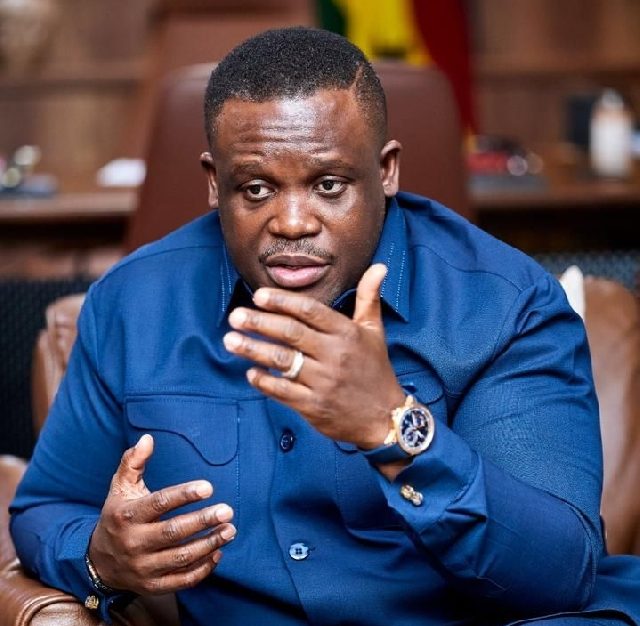
Samuel Nartey George, Minister for Communications, Digital Technology and Innovation, and sponsor of the Human Sexual Rights and Family Values Bill, 2025, has firmly rejected calls for Parliament to revisit the legislation following its passage on May 29, 2026. Mr. George’s stance comes after Speaker of Parliament Alban Bagbin urged lawmakers to reconsider the bill, which has sparked ongoing debate within the House. Speaking at the 4th African Inter-Parliamentary Conference on Family Sovereignty and Values, George stressed the importance of adhering to parliamentary procedure. “Everything that we do in this House, Parliament, is a house of rules. Respectfully to Mr Speaker, it’s not a house of appeals. It’s a house of rules. And so if there’s no rule in the rule book that gives us room to do what he wants to do, I’m saying that there is still room in there; the Presidency can come back to us,” George explained. He emphasized that once Parliament has passed a bill, its legislative role is complete and the only remaining duty is to transmit the bill to the President. “When Parliament passes a bill, Parliament becomes functus officio. I think that the only role that Parliament has today is to transmit the bill to the President,” he stated. According to George, the Constitution clearly outlines the President’s options: to assent to the bill, seek advice from the Council of State, or return it to Parliament with specific recommendations for reconsideration. “If he has an issue, he can write back to us and say, ‘I have an issue with this provision, that provision. Parliament should reconsider it with his recommendations.’ He cannot just raise objections; he must make recommendations through his Attorney-General,” he added. George further underscored that Parliament’s Standing Orders do not permit the reversal or rescission of a bill once it has been passed. “The act of rescission of a passed bill is alien to our Standing Orders,” he said. He concluded that any further concerns about the legislation must be addressed through the constitutional processes available to the President, not by reopening debate in Parliament. The Human Sexual Rights and Family Values Bill, popularly known as the Anti-LGBTQ+ Bill, now awaits transmission to President John Mahama for further action. Source: Apexnewsgh.com
President Mahama Embarks on State Visit to Belarus to Strengthen Bilateral Ties
President John Dramani Mahama has begun a four-day state visit to Belarus, seeking to deepen diplomatic relations and expand cooperation across key sectors such as agriculture, education, commerce, and industry. The visit, which commenced on Friday, June 5, follows an invitation from Belarusian President Aleksandr Lukashenko and is poised to open new avenues for economic and technical collaboration between the two nations. According to a statement by Felix Kwakye Ofosu, Spokesperson to the President and Minister for Government Communications, President Mahama’s itinerary features high-level meetings with Belarusian officials and tours of strategic institutions. A major highlight will be bilateral talks with President Lukashenko, followed by expanded discussions involving ministers and senior government officials from both countries. These engagements will focus on strengthening partnerships in agriculture, education, and commerce, areas identified as vital to both nations’ development goals. Upon arrival in Minsk, President Mahama will pay tribute by laying a wreath at the Victory Monument, honoring Soviet Army soldiers and Belarusian partisans who fought during World War II. Furthering Ghana’s industrialization and food security agenda, the President will travel to the western city of Brest to tour a major milk, cheese, and baby food processing facility, to facilitate knowledge exchange and explore partnerships in agro-processing, a sector crucial to adding value to Ghana’s agriculture. President Mahama’s programme also includes a visit to the Brest Hero Fortress Memorial Complex, commemorating the Soviet defense against Nazi forces in 1941, and the Belovezhskaya Pushcha National Park, a UNESCO World Heritage Site that highlights both countries’ commitment to environmental conservation. The state visit is expected to culminate in the signing of at least four bilateral agreements designed to promote mutual growth and strengthen institutional cooperation between Ghana and Belarus. President Mahama will return to Accra on Tuesday, June 9, concluding a trip focused on forging new partnerships and advancing Ghana’s development agenda. Source: Apexnewsgh.com
Police Arrest 80 Suspects in Major Anti-Crime Sweep Across Upper East Region
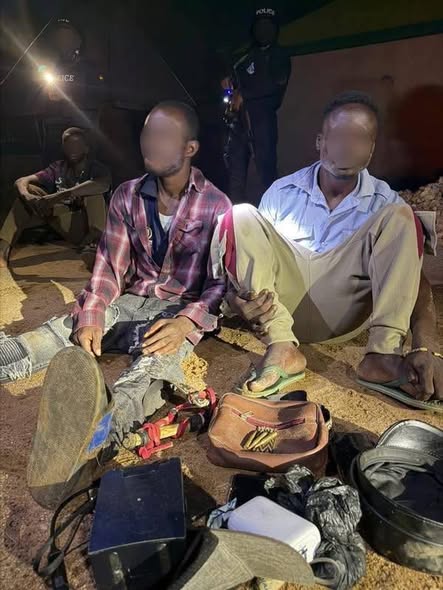
The Upper East Regional Police Command, backed by the Inspector-General of Police’s Special Operations Team, has apprehended 80 suspects in a sweeping, intelligence-led anti-crime operation across several hotspots in the Upper East Region. The operation, which took place between May 25 and June 3, 2026, targeted areas known for criminal activity, including Zuarungu, Bolgatanga, Tongo, Bongo, and the Nabdam District. According to a police statement, the coordinated raids were aimed at dismantling networks involved in narcotics and other crimes. In Zuarungu, 12 individuals, eight males and four females (with three Nigerians and one Ghanaian among the women), were arrested. Bongo saw the largest number of arrests, with 34 suspects (32 males and two females) taken into custody. In Pelungu, Kongo, and Nangodi within the Nabdam District, 14 suspects were rounded up, while Bolgatanga accounted for 20 additional arrests. Preliminary investigations suggest that those apprehended were engaged in narcotics peddling, consumption, and a range of other criminal activities. The crackdown also resulted in significant seizures: in Tongo, police retrieved a motorcycle, assorted foreign cigarettes, male condoms, and substances suspected to be Indian hemp. Bongo operations yielded three rounds of 5.56×45mm NATO ammunition and two motorbikes. The Nabdam District operation uncovered parcels and sacks of dried leaves believed to be narcotics, assorted drinks suspected of containing illicit substances, an unregistered motorbike, foreign cigarettes, and components of a casino jackpot machine. In Bolgatanga, further seizures included dried leaves suspected to be Indian hemp, assorted cigarettes, three motorbikes, two with registration numbers and one unregistered, and a casino jackpot machine. All 80 suspects remain in police custody and will be prosecuted in court. The police have reaffirmed their commitment to intensifying such operations to rid communities of crime and safeguard public safety across the region. Read the statement below: The Upper East Regional Police Command supported by the IGP’s Special Operations Team conducted an intelligence led swoop operation at Bolgatanga, Tongo, Bongo and Nabdam District from 25th May to 3rd June, 2026. The team arrested twelve suspects comprising eight males and four females at Zuarungu. The female suspects comprised three Nigerians and a Ghanaian. In Bongo, a total of thirty-four (34) suspects comprising thirty-two (32) males and two (2) females were arrested. Subsequently, the operation at Perlungu, Kongo and Nangodi led to the arrest at fourteen (14) suspects comprising twelve males and two females in the Nabdam District. Twenty (20) suspects were also arrested in Bolgatanga. Preliminary investigation indicates that the suspects were involved in narcotic peddling and consumption as well as other criminal related activities. The team also retrieved a motorcycle, assorted foreign cigarette, male condoms and quantities of substances suspected to be Indian hemp in Tongo. In Bongo, three rounds of 5.56×45mm NATO ammunition and two motorbikes were retrieved and in Nabdam, parcels and sacks containing dried leaves suspected to be Narcotic substances, assorted drinks suspected to contain narcotic content, one unregistered motorbike, assorted foreign cigarettes and pieces of casino jackpot machine were retrieved. Suspects arrested in Bolgatanga were in possession of dried leaves substances suspected to be Indian hemp, assorted cigarette, a Yamaha black Sirius motorbike with registration no. M-19-UE 2688, black Luojia motorbike with registration no. M-13-UE 7181, an unregistered Haojue motorbike and a casino jackpot machine. All suspects are in Police custody and will be put before court to face the full rigours of the law. Signed Chief Inspr. Abdul-Rahman Sumaila Public Relations Officer Upper East Region
Strategic Leadership and Electoral Reclamation: The Necessary Calling for the NPP
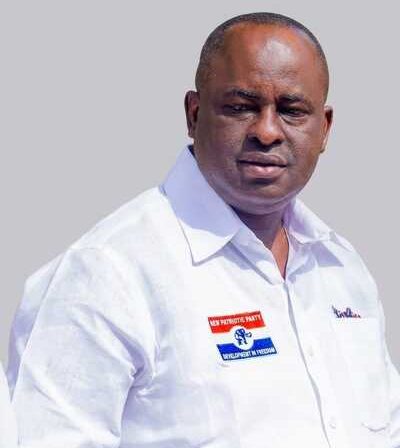
The New Patriotic Party (NPP) stands at a critical historical junction. Navigating a highly competitive political landscape requires recognising that traditional partisan rhetoric and legacy campaigning are no longer sufficient to guarantee victory. The contemporary Ghanaian electorate is younger, more discerning, digitally connected, and increasingly impatient with standard political promises. For the NPP, “Electoral Reclamation” is not merely about winning the next election cycle; it is about reclaiming the party’s core identity as the pioneer of property-owning democracy, economic competence, and institutional development. To achieve this, the party must treat strategic leadership not as an abstract ideal, but as an immediate operational necessity. To reclaim lost ground, the NPP must first objectively diagnose its recent electoral vulnerabilities. A clinical look at recent voting patterns reveals three distinct challenges: The Squeezed Centre and Floating Voters: The party has faced significant pushback from middle-class, urban, and independent voters who historically favoured the NPP’s technocratic appeal but have grown weary of macroeconomic pressures. The Youth Demography: Ghana’s demographic tilt means first-time and young voters hold the balance of power. This cohort is less moved by historical party loyalty and highly motivated by immediate economic survival, job creation, and digital governance. Grassroots Apathy: Internal friction, perceived elitism, and communication gaps between leadership and local party faithful have occasionally dampened the enthusiasm of the party’s most vital asset: its grassroots mobilisers. Strategic leadership begins from within. If the NPP is to present itself as the fit instrument to lead Ghana forward, it must demonstrate peerless organisational discipline internally. – Institutionalising Unity and Healing Factions: Political transition and internal primaries invariably leave bruises. Strategic leadership demands a deliberate, structured reconciliation mechanism that integrates aggrieved factions into the mainstream campaign machinery. – Merit-Based Party Administration: Transitioning party operations from ad-hoc electioneering to a continuous, data-driven corporate structure. Constituency and regional executives must be equipped with modern management tools, KPIs, and resource flows that do not dry up between election cycles. – Balancing the Technocrat and the Politician: The NPP’s greatest strength has often been its policy depth. However, policy must be translatable. Leadership must ensure that complex socio-economic interventions are coupled with empathetic, grassroots-friendly political marketing. Reclamation requires a proactive strategy to dominate the national narrative and re-secure critical voting blocs. – Message Discipline and Narrative Control: The party must move away from defensive politics. The narrative must aggressively focus on forward-looking solutions, contrasting the party’s structural development achievements with the alternatives. Every party communicator must speak from a unified, fact-checked script. – Aggressive Digital and Youth Mobilisation: The battle for the minds of the youth is happening online. The party must deploy sophisticated, decentralised digital campaign structures-utilising micro-influencers, localised content, and interactive platforms- to meet young voters where they live. – Grassroots Empowerment: Reclaiming lost constituencies requires decentralising resources directly to the polling station level. When local foot soldiers feel valued, adequately resourced, and respected, their capacity for door-to-door mobilisation remains unmatched. The NPP has historically been the party that rises to meet national challenges with intellectual rigour and democratic resilience. The current political climate does not favour the complacent. By embracing a renewed framework of disciplined leadership, internal unity, and modernised voter engagement, the NPP can successfully answer this calling, not just to win an election, but to secure its legacy as the definitive architect of Ghana’s progress. Hafiz Bin Salih (PhD) Member, National Council (NPP) Former Upper West/East Regional Minister Source: Apexnewsgh.com
Government Reassures: Win-Win Mining Partnerships Not Nationalisation
Amid renewed public debate over the renewal of mining leases and the future of resource ownership in Ghana, the government has reiterated its stance that fostering mutually beneficial partnerships with investors should not be mistaken for nationalisation of the country’s mines. Speaking at the 19th West African Mining and Power Expo (WAMPEX) on Wednesday, June 3, Lands and Natural Resources Minister Emmanuel Armah-Kofi Buah addressed concerns about Ghana’s mining policy and the investment climate. He emphasized the government’s commitment to providing a stable, transparent, and investor-friendly environment, assuring stakeholders that Ghana remains open for business. “To our partners and our investors, I wish to reaffirm that Ghana remains committed to providing a stable, predictable, fiscal, legal certainty, and transparent environment for investors. So, forget about all the noise you’re hearing. You are hearing it from me. That is what we are focused on,” the Minister declared. Buah clarified that a partnership model where investors earn competitive returns while contributing to local empowerment, value addition, and skills transfer is not the same as nationalising the mining sector. “A win-win partnership where investors get a good return on their investment and, in return, leave a lasting legacy of empowerment, value addition, and expertise cannot be nationalism of mines. It cannot,” he stated. The Minister also called on investors to strengthen collaborations that foster value addition and urged policymakers and regional institutions to align development frameworks for accelerated progress. “So, let me conclude by reemphasising Ghana’s commitment to building a mining sector that is modern, responsible, resilient, and globally competitive. The opportunity before us is very important. Therefore, if we act with vision, discipline, and partnership, we can turn West Africa’s natural wealth into jobs, industries that guarantee security and lasting prosperity for our people,” Buah urged. The government’s message comes at a pivotal moment for Ghana’s mining sector, as it seeks to balance investor interests with sustainable development and local empowerment. Source: Apexnewsgh.com
Court Clarifies Presidential Powers Over Security Appointments
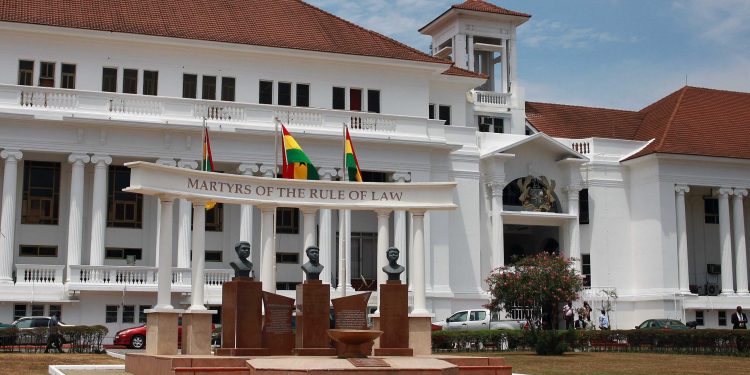
The Court has drawn a clear distinction between the appointments of the Inspector-General of Police (IGP) and the Director-General of Prisons, and those of other high-ranking security officials, clarifying the extent of presidential authority under Ghana’s Constitution. The case, brought before the Court in 2024 by IMANI Africa and security analyst Professor Kwesi Aning, sought a declaration that the President does not possess unfettered power to terminate or remove the heads of specific security agencies. The plaintiffs argued that Article 191 of the Constitution provides certain protections for public office holders, which should extend to these agencies. However, the Court’s decision stated that the offices of the IGP and Director-General of Prisons do not fall within the categories protected by Article 191. Instead, the Court found that the appointments of the Chief Fire Officer and the Comptroller-General of the Ghana Immigration Service are governed by statutory provisions. These positions, the Court held, remain within the President’s discretion, as the Constitution mandates the President to constitute and oversee the country’s security architecture. The ruling provides clarity on the constitutional and statutory frameworks governing key security appointments in Ghana, reinforcing the President’s role while also affirming the limits set by the law. Source: Apexnewsgh.com