

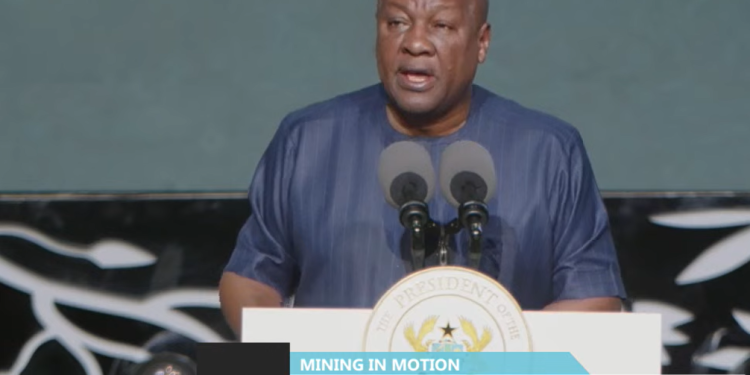
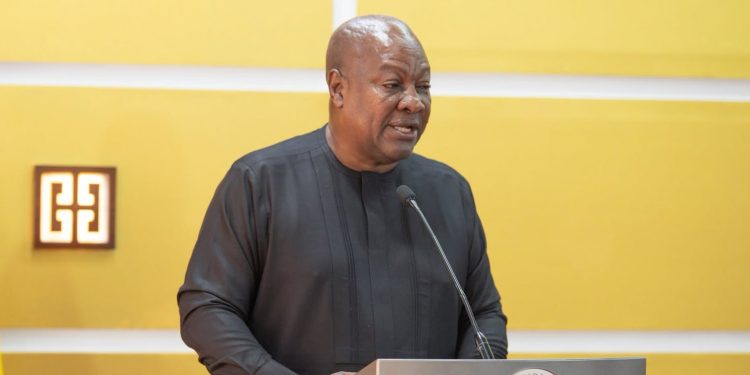
A recent nationwide survey by the Institute of Economic Affairs (IEA) has painted a nuanced picture of public sentiment towards President John Dramani Mahama, showing that the majority of Ghanaians continue to back his leadership 18 months into his administration.
The poll, conducted in May 2026 and involving over 1,000 respondents from all 16 regions, found that 58.9% of citizens approve of the President’s performance, while 28.4% disapprove and 12.8% remain undecided.
This endorsement comes on the back of significant improvements in Ghana’s economic indicators over the past year and a half. Since January 2025, inflation has plummeted from 23.5% to 3.4%, and the Ghanaian cedi has appreciated by 26% against key international currencies. The Bank of Ghana’s policy rate has been slashed from 27% to 14%, bringing commercial lending rates down from 32% to 20%. Ghana’s debt-to-GDP ratio has also improved remarkably, dropping from 61.8% at the close of 2024 to 45.3% by the end of 2025. These achievements have earned the country rating upgrades from major international agencies, including Fitch, Moody’s, and S&P.
The IEA found that most Ghanaians who approve of the President’s performance cite these economic gains as their primary motivation, 73.5% point to improvements in the economy, 16% highlight road infrastructure, and 2.7% mention advancements in energy and electricity. Yet, the survey also notes a dip in approval from the 68% recorded in December 2025, suggesting that while macroeconomic stability is welcomed, the public is eager to see these gains reflected more directly in everyday life.
Among respondents who expressed dissatisfaction, 30.9% identified the economy as a concern, and 29.9% pointed to ongoing challenges with electricity supply, a sentiment likely influenced by recent power outages in May 2026 that disrupted households and businesses. Corruption remains a significant issue, with 19.1% of disapprovers calling for more robust anti-corruption action and greater accountability from government officials.
The IEA’s analysis indicates that while President Mahama enjoys a solid base of support rooted in perceived economic stabilization and infrastructure development, rising expectations around living standards, energy reliability, and anti-corruption efforts are shaping a more demanding electorate. For many Ghanaians, the full benefits of economic recovery are yet to be felt in terms of cost of living, job opportunities, and household income.
As President Mahama navigates the second half of his term, the survey underscores the government’s need to balance continued macroeconomic progress with tangible improvements in the daily lives of citizens. The findings reflect a broadly supportive but increasingly expectant public, looking for real change beyond the numbers.
Source: Apexnewsgh.com