

Vice President Jane Naana Opoku-Agyemang Urges Public to Safeguard State-Owned Transport Assets
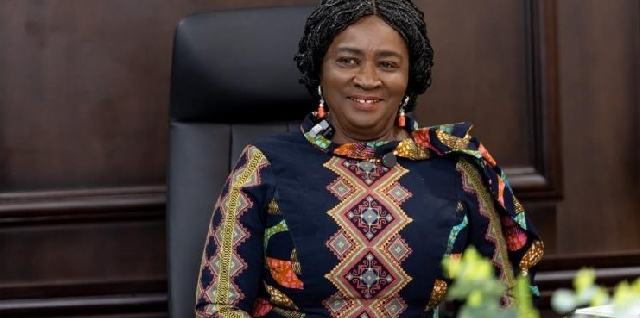
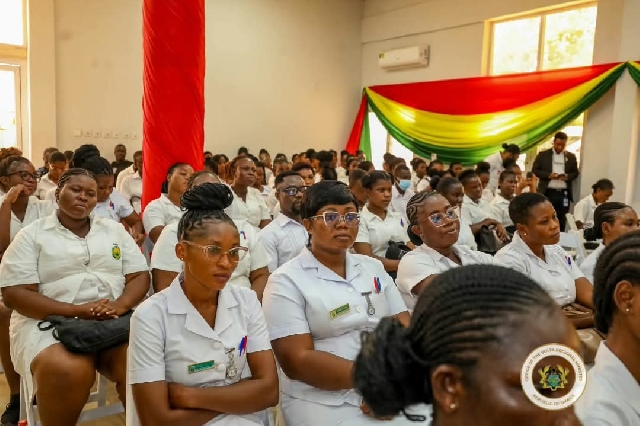
Vice President Professor Jane Naana Opoku-Agyemang has made a heartfelt appeal to both transport operators and commuters, urging them to protect and diligently manage state-owned transport assets for the benefit of all Ghanaians. Her call comes amid ongoing concerns about a shortage of commercial vehicles, an issue that has led to crowded stations, extended waiting times, and, at times, the mistreatment of passengers. During a stakeholder engagement with management and staff of Metro Mass Transit Limited on Friday, January 16, the Vice President reiterated the government’s commitment to building a reliable, efficient, and well-organised public transport system. She encouraged Metro Mass employees to prioritize the regular maintenance of buses, highlighting that proper upkeep is vital to extending the lifespan of vehicles and ensuring uninterrupted service for commuters. Professor Opoku-Agyemang assured workers that the government stands ready to retool Metro Mass and provide additional buses to boost the company’s operations. She explained that even older vehicles can continue to serve the public effectively if they are well cared for, emphasizing the shared responsibility of all Ghanaians in preserving public transport assets. “Government is ready to retool Metro Mass and provide more buses. While ten years may seem long, we also know that in this country, vehicles can remain operational far beyond that if they are well-maintained. We must all take responsibility for public property because it belongs to every Ghanaian,” she affirmed. Her remarks underscore the urgent need for collective stewardship of state resources to ensure a dependable and accessible transport system for all. Source: Apexnewsgh.com
State Minister Blames Accra’s Transport Woes on Unlawful Practices by Drivers

As the sun rose over Accra on January 14, 2026, the city’s residents braced themselves for yet another day of lengthy queues and soaring fares at bus stops across the capital. What had once been a routine commute had become a daily struggle, with frustration mounting among passengers in neighborhoods like Madina, Amasaman, and Kasoa. The root of the problem, it seemed, ran deeper than congestion. Addressing the nation during the Government Accountability Series, the Minister of State in charge of Government Communications, Felix Kwakye Ofosu, shed light on the troubling trend. He attributed the worsening transport crisis to the unlawful tactics of some private transport operators, who were accused of deliberately creating vehicle shortages during peak hours to extract higher fares from desperate commuters. “Some of these drivers have abandoned their designated stations and now roam the city instead,” Mr. Ofosu explained. “By limiting vehicle availability, they compel passengers to part with more money than they would ordinarily pay. It is an unlawful activity and must be addressed.” The minister’s remarks came in the wake of repeated fuel price reductions and a 15% cut in official transport fares, measures that should have eased the burden for commuters. Instead, he noted, a few operators had responded by manipulating supply, hoping to maximize profits at the public’s expense. The phenomenon, which worsened during the 2025 yuletide, has persisted despite government assurances of action. Mr. Ofosu emphasized that Ghana’s transport sector is largely private-sector-led, with groups like the GPRTU organizing much of the public conveyance system. Still, he assured Ghanaians that the government would take the lead in confronting these unlawful acts. “We are looking into these practices to ensure that those involved are dealt with,” he stated, pledging a renewed commitment to restoring fairness and order on Accra’s roads. Source: Apexnewsgh.com
NPP Moves to Expel Former Minister Over ‘Fake Party’ Claims
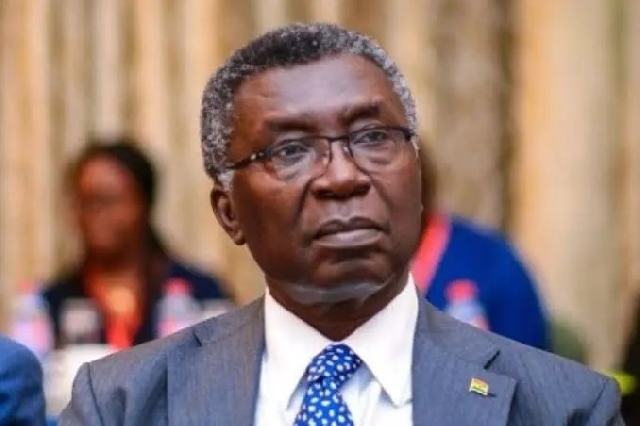
The New Patriotic Party (NPP) is taking steps to expel one of its most prominent former members, Professor Kwabena Frimpong-Boateng, after a series of explosive remarks that have rocked the party’s top ranks. The controversy erupted after Professor Frimpong-Boateng, a renowned heart surgeon and former Minister for Environment, Science, Technology, and Innovation, appeared on Channel One TV on Monday, January 12, 2026. During the interview, the respected academic did not hold back, calling the NPP a “fake party” and openly questioning the legitimacy of the party’s internal elections. The following day, the NPP leadership responded swiftly. In a statement signed by General Secretary Justin Kodua Frimpong, the party said it had taken note of Professor Frimpong-Boateng’s comments, which included allegations that the party’s 2023 presidential primary was rigged in favour of Vice President Dr. Mahamudu Bawumia, who later became the NPP’s presidential candidate for the 2024 general elections. According to the statement, Professor Frimpong-Boateng not only attacked the party’s credibility but also declared that he no longer considered himself a member. The NPP described his words as “disparaging” and “damaging to the unity, values, and integrity” of the party. The party strongly refuted the former minister’s claims, insisting that the 2023 presidential primaries were conducted in a manner that was “free, fair, transparent, and credible,” and pointing out that the outcome was broadly accepted by all participating candidates and supporters. Now, citing its constitutional mandate, the NPP says it has begun formal disciplinary proceedings to expel Professor Frimpong-Boateng, pledging to follow due process in the days ahead. The party’s leadership emphasized that unity and adherence to core values remain non-negotiable, even as it faces criticism from within its own ranks. Source: Apexnewsgh.com
Jersey returns £7m of ‘tainted’ funds to Nigeria
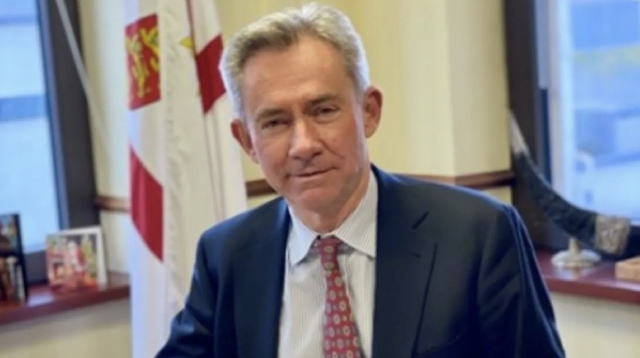
More than $9.5m (£7m) from “tainted property” held in a Jersey bank account is to be returned to the Government of Nigeria to support an infrastructure project. His Majesty’s Attorney General for Jersey Mark Temple KC signed a Memorandum of Understanding (MOU) in December to return the money. The MOU built on two previous agreements between Jersey and Nigeria involving the repatriation of more than $300m (£230m). In January 2024, the Royal Court found the funds were “more likely than not” proceeds from a corrupt scheme where third-party contractors diverted government funds “for the benefit of senior Nigerian officials and their associates”. Lateef Fagbemi, Nigeria’s Attorney-General and Minister of Justice, said the repatriated assets would be used “in line with the terms” of the MOU. He said: “The successful recovery and repatriation of the forfeited assets underscores the effectiveness of Nigeria’s collaborative efforts with its international partners in ensuring that there is no safe haven for illicitly acquired wealth or assets moved to foreign jurisdictions.” Funds will contribute to the final stages of a stretch of highway that acts as a “vital link” between Nigeria’s capital and its second-largest city. Temple said the return demonstrated “the strength of our civil forfeiture legislation as a powerful tool in the fight against corruption”. Source: bbc.com
Ukraine Offers to Release Captured Ghanaians Fighting for Russia, Says Foreign Minister Ablakwa
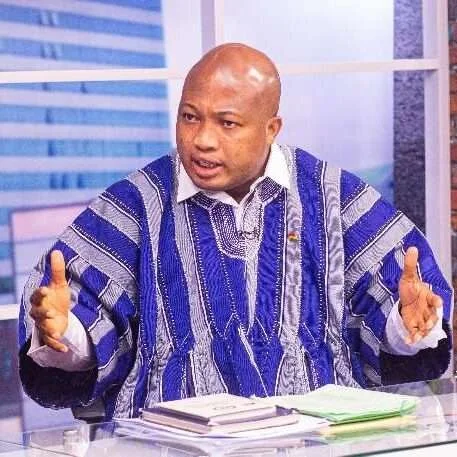
A new chapter in Ghana’s diplomatic efforts unfolded this week as the Minister for Foreign Affairs and Regional Integration, Mr Samuel Okudzeto Ablakwa, revealed that Ukraine is ready to hand over some Ghanaians captured while fighting as mercenaries for Russia. The announcement came via Mr Ablakwa’s official Facebook page, where he credited Ukraine’s Foreign Minister, Andrii Sybiha, for his cooperation and goodwill. “See you in Ukraine next month,” Mr Ablakwa wrote, hinting at imminent high-level talks to advance the process and secure the safe return of the detained citizens. Mr Ablakwa reaffirmed the government’s dedication to the safety and welfare of Ghanaians abroad. “The Ghanaian Government will continue to prioritise the safety and welfare of all our citizens, no matter how challenging it might be,” he stated, emphasizing Ghana’s unwavering commitment despite the complexities involved. He also highlighted the robust diplomatic ties between Ghana and Ukraine, noting that ongoing engagement continues to deliver positive outcomes for both countries. This partnership, he stressed, has been crucial in addressing sensitive issues and protecting Ghanaian nationals during turbulent times. The development comes as the world watches the Russia-Ukraine conflict with increasing concern about the recruitment and coercion of foreign nationals—including Ghanaians—into the fighting. Ghanaian authorities have repeatedly warned citizens against involvement in foreign armed conflicts and have intensified diplomatic efforts to secure the release and repatriation of affected nationals. As the government prepares for further negotiations in Ukraine, families back home remain hopeful that their loved ones will soon return, thanks to continued diplomatic vigilance and international cooperation. Below is the response from the Ukrainian Foreign Affairs Minister Source: Apexnewsgh.com
Dr. Mark Kurt Nawaane Empowers Nabdam Farmers with New Cooperatives, Seed Funding, and Fertilizer Support
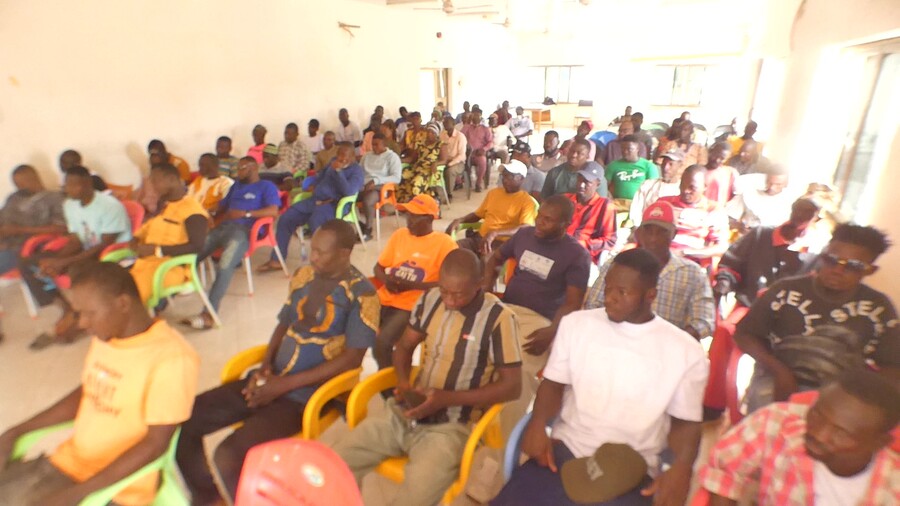
The Nabdam constituency was alive with excitement as Dr. Mark Kurt Nawaane, the Member of Parliament, inaugurated 19 newly formed cooperative farmers groups. The event marked a fresh chapter for local agriculture, promising unity, resources, and a renewed sense of purpose for farmers across the district. Before gathering the farmers for the main engagement, Dr. Nawaane took a significant step by facilitating the opening of a group bank account for the cooperatives. Demonstrating his commitment, he deposited GHC 50,000 as seed money into the account and further promised to support the groups with 190 bags of fertilizer, ensuring each cooperative had a solid foundation to launch their activities. During the inauguration, Dr. Nawaane addressed the farmers with a heartfelt speech that underscored the importance of collaboration. He explained that, while he had previously assisted individual farmers, the new approach under the leadership of President John Dramani Mahama’s government emphasized group organization for greater impact. “In the past, many small and scattered farmers’ groups made it difficult to distribute support fairly and efficiently,” Dr. Nawaane recounted. “This time, we decided to form area-based groups, neighbors working with neighbors, making it easier to share information and coordinate activities.” He encouraged the cooperatives to embrace this new structure, assuring them that a coordinator and temporary leaders would help guide their efforts. With the groups now formally registered, Dr. Nawaane stressed that the extent of assistance they would receive depended on their own initiative and collaboration. “You have your seed money in the Rural Bank in Nabdam. The kind of support you get will depend on your discussions, your ideas, and your willingness to work together,” he said. Dr. Nawaane advised the groups to hold regular meetings, register new members, and keep their operations open and inclusive. He suggested modest contributions from members to supplement the seed funding and reminded everyone that lasting progress is built on collective effort rather than waiting for large, infrequent handouts. “Always remember that God helps those who help themselves,” he reminded the crowd. The MP also touched on the economic realities of the district, citing a study by the Ghana Statistical Service that placed Nabdam at the highest poverty level in the region with a 68.6% multidimensional poverty index. “Should we continue to sit down and say that because we are poor, we do nothing? No. That is why I’ve identified farming as the area where, if we work hard and support each other, we can change our destiny.” Dr. Nawaane concluded by encouraging the groups to bring forward their concerns and ideas, assuring them of his ongoing support and the potential for greater assistance from banks and government programs. He praised the achievements of local farmers, noting that some were already among the best in the district, and expressed confidence that with unity and determination, Nabdam’s farmers could transform their fortunes. With the official inauguration complete and resources in place, the 19 cooperative groups are set to begin a new journey, one fueled by teamwork, practical support, and the shared vision of a more prosperous farming community. During the inauguration of the new farmers’ cooperative groups in the Nabdam District, the District Director of Agriculture, Mr. Rasheed Imoro, delivered an insightful address that highlighted both the challenges and the opportunities facing local agriculture. Drawing from recent surveys and development strategies, Mr. Imoro emphasized that poverty and hunger in the district were not just matters of food scarcity, but also linked to how communities approached development. He urged everyone to adopt a “SWORD analysis,” to examine their strengths and weaknesses and build upon them. “Our strength in Nabdam is agriculture,” Mr. Imoro noted, “yet, despite the majority of our people being involved in farming, we remain poor. The reason is simple: we have been working as individuals, each in our own corner.” Mr. Imoro praised Dr. Mark Kurt Nawaane, the Member of Parliament, for his hands-on efforts to support farmers. He shared that Dr. Nawaane’s willingness to make his tractor available for plowing, often at great personal effort, was a rare and commendable gesture in the region. “Our soil here is hard, and without tractors, it’s nearly impossible to prepare the land after the rains. The MP’s support means a lot to our community,” he said. Turning to the future, Mr. Imoro explained that government policies, such as the Feed Ghana program introduced by President John Dramani Mahama, were designed to transform agriculture with subsidies, mechanization, and new markets. However, he stressed that these benefits were most accessible to those organized in groups. “If you are in a group, you can access loans, set market prices for your produce, and have your voice heard, not just in Nabdam, but across the whole country,” he explained. He outlined how small farmer-based organizations (FBOs) could combine to form even stronger cooperatives, echoing Dr. Nawaane’s vision for area-based groups. “A group should have a minimum of 15 and a maximum of 40 members,” he advised, “with clear leadership and an active, workable bank account.” Mr. Imoro applauded Dr. Nawaane for providing seed money to register the cooperatives and open their accounts. He explained the importance of these accounts, not just for receiving funds, but also to show potential supporters, such as those who might drill boreholes for dry-season farming, that the group is financially responsible and sustainable. He encouraged members to make regular contributions, even as little as five cedis a week, to grow their collective resources. “I’ve seen groups elsewhere with as much as GHC 200,000 in their accounts. This is the way forward,” he said. Concluding his remarks, Mr. Imoro expressed gratitude for the focused efforts of both the MP and the district executive on uplifting agriculture in Nabdam. “I am 100% in support of these initiatives,” he declared. “My doors are always open. If you need anything related to agriculture, come to our office. We are here to help.” With his practical advice and endorsement, Mr. Imoro’s speech reinforced the message that cooperation and collective action are
Dr. Esmond Balfour Calls for Enhanced Cooperation with MPs to Drive Regional Development
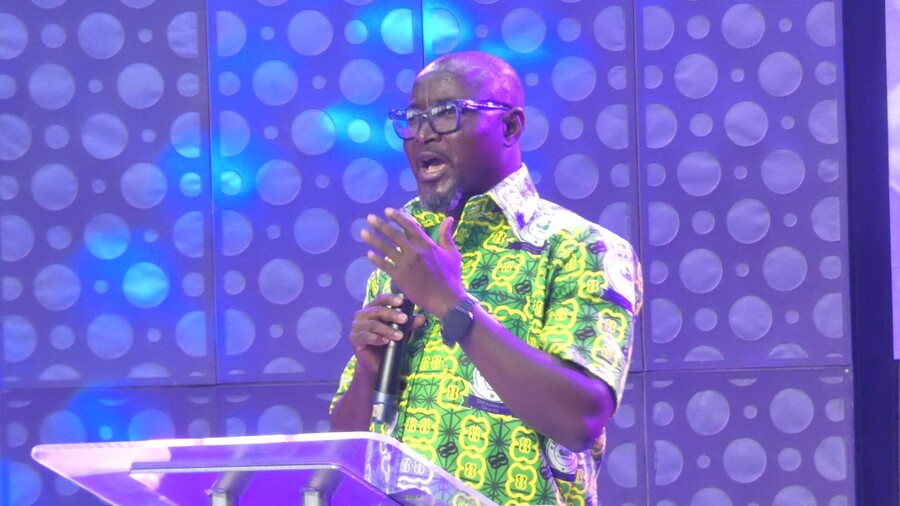
As delegates gathered for the 14th biennial national congress of BONABOTO, the air was thick with anticipation and pride. The theme, “BONABOTO@25: Celebrating our legacy, unity, advocacy, culture and impact, the journey continues”, set the tone for a day meant to honor the organization’s remarkable achievements and chart a path for the future. Dr. Esmond Balfour, Chairman of BONABOTO’s Upper East branch, took the stage to deliver a heartfelt welcome speech. He began by applauding the organization’s dedication to advocacy and development in the region, noting that BONABOTO’s efforts extend far beyond local borders. “Our BONABOTO UK branch,” he highlighted, “has adopted our regional hospital, consistently making generous donations in support of its operations.” Yet, despite such successes, Dr. Balfour did not shy away from addressing a persistent obstacle. With candor, he expressed concern over the lack of cooperation from the region Members of Parliament. “Our biggest challenge is implementation,” he lamented. “BONABOTO has the strategy. BONABOTO has the ideas. But we cannot bring our strategic development plan to life without collaboration from our politicians.” Dr. Balfour was quick to acknowledge the productive relationships with District Chief Executives and regional ministers, attributing their cooperation to their holistic approach to governance. However, he explained that, as outlined by the constitution, many ministers are drawn directly from Parliament. “We have always wished for a closer working relationship with our parliamentarians,” he explained. “When our ideas reach them, we hope they can champion our proposals with their ministerial colleagues and lobby for much-needed support.” Despite the challenges, Dr. Balfour’s message was ultimately one of hope and resolve. He called on delegates and leaders alike to turn the page toward greater partnership, expressing his fervent wish that this congress would mark a turning point. “We pray that from this Congress going forward, things will change. With true collaboration, the development we seek for our area can accelerate,” he concluded, his voice resonating with both realism and optimism. With a warm smile, Dr. Balfour closed his address, “Ladies and gentlemen, as you were told, I was asked to give a word. I think I have given more than one word.” His remarks left the audience reflective and inspired, ready to continue the journey of BONABOTO’s legacy. Source: Apexnewsgh.com/Ngamegbulam Chidozie Stephen
Naba Yelzoya Kosom Asaga II’s Stirring Address at the 14th BONABOTO National Congress
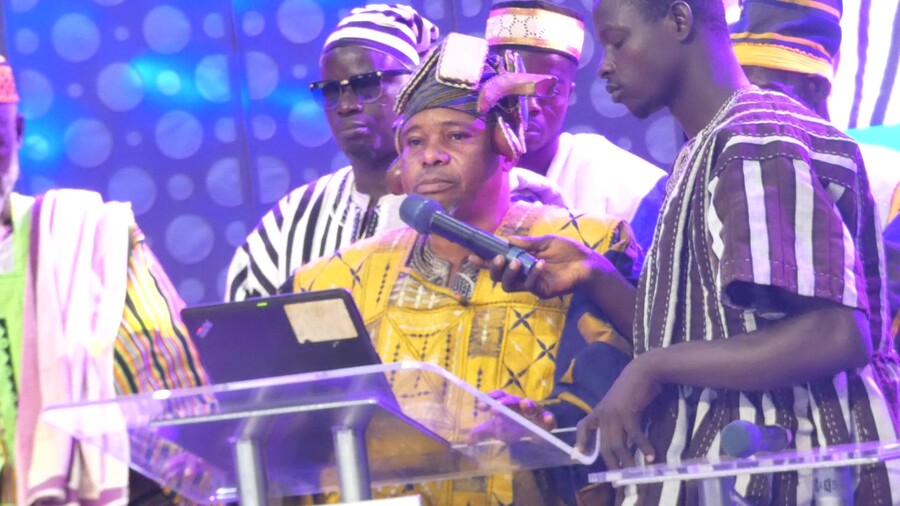
With a deep sense of humility and responsibility, Naba Yelzoya Kosom Asaga II, the Paramount Chief of the Nangodi Traditional Area, welcomed delegates to the Nabdam District for the 14th BONABOTO Biennial National Delegates Congress. His words set a purposeful tone, reminding all present that their gathering was more than a mere event; it was a powerful reaffirmation of unity and collective resolve among the people of Bolgatanga, Nangodi, Bongo, and Tongo. Naba Yelzoya reflected on the roots of BONABOTO, an association founded through reflection, experience, and foresight. He acknowledged that, as in any vibrant community, differing energies and approaches had emerged over time. Rather than allowing these differences to breed rivalry, he stressed, they must be harnessed as sources of strength. “Wisdom provides direction while enterprise provides momentum,” he said, urging leaders and elders to be peacemakers, calming tensions, discouraging unnecessary competition, and guiding their people towards cooperation and mutual respect. Turning to a matter close to his heart, the chief spoke passionately about the proposed BONABOTO College of Education in Nabdam. This initiative, he explained, was not a mere afterthought but the culmination of years of sacrifice and commitment. Land had been secured, and temporary facilities had been identified, with the former Congo Secondary School standing ready for use. He emphasized that education is the foundation for development: “A college of education here will not only train teachers but will strengthen communities, empower our youth, and secure the future of generations yet unborn.” The chief called upon BONABOTO’s leadership to remain faithful to the original promise made to Nabdam, highlighting the region’s historic lack of educational institutions compared to others. Naba Yelzoya reminded delegates that honoring this promise was about more than development; it was crucial for maintaining BONABOTO’s credibility and the unity of their communities. “To protect the credibility of BONABOTO and preserve unity among our communities, we must honor our original commitment,” he declared. The chief approached the sensitive issue of peace, particularly regarding the Baku conflict, a matter that, given his boundary with Bawku, he felt compelled to address. He commended the mediation efforts of Otumfuo Osei Tutu II and the Asantehene, whose statesmanship had laid a crucial foundation for peace. Yet, he cautioned that conflicts rooted in complex histories cannot always be resolved by attempts to restore the past. One side seeks recognition and self-determination, while the other seeks security and continuity, deep-seated concerns that must be acknowledged. “For peace to endure, no side must feel ignored or uncertain about its future,” he advised, insisting that true peace must recognize and respect the identity, history, and legitimate concerns of all parties. In conclusion, Naba Yelzoya called for greater responsibility from all, especially intellectuals and leaders who, by virtue of shared experiences and deep community ties, must not remain mere spectators in the peace process. He advocated for ending the “slave mentality” and urged his people to take up their responsibilities, emphasizing that true independence is born from responsibility. He recommended that the BONABOTO Congress formally establish a Peace Building Committee, composed of respected elders and experienced voices from across the traditional areas. This committee, he envisioned, would engage continuously, build confidence, and help carry the peace process forward with patience and cultural understanding. Thus, Naba Yelzoya Kosom Asaga II concluded, weaving together the themes of legacy, unity, advocacy, culture, and impact, reminding all that their shared journey continues, strengthened by their commitment to each other and to the future. Source: Apexnewsgh.com
Ghana Introduces Prestigious Kwame Nkrumah Diaspora Awards
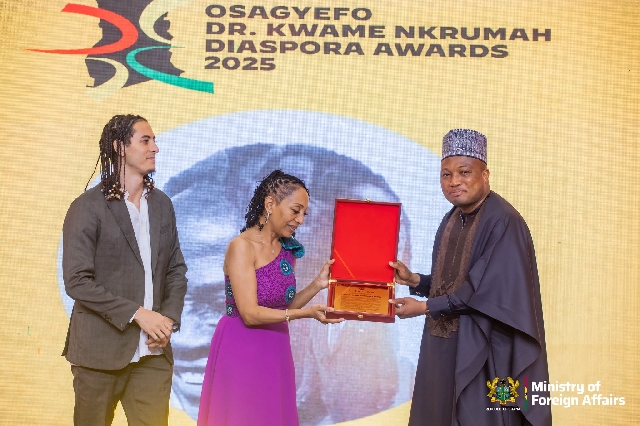
The Ministry of Foreign Affairs and Regional Integration has officially established the Osagyefo Dr. Kwame Nkrumah Diaspora Awards, an annual initiative to honour individuals of Ghanaian and African descent abroad who have made significant contributions to development, culture, and global Pan-African advancement. In a landmark event on Tuesday evening, the Ministry of Foreign Affairs and Regional Integration launched the Osagyefo Dr. Kwame Nkrumah Diaspora Awards, a new annual tradition aimed at celebrating the achievements of individuals of Ghanaian and African descent living abroad. These awards will recognise those who have made outstanding contributions to development, culture, and the advancement of Pan-African ideals across the globe. The unveiling ceremony was graced by Samia Nkrumah, daughter of Ghana’s first President and founder, Dr. Kwame Nkrumah. Her presence and participation in the launch brought a sense of history and continuity to the initiative, as she lent her family’s legacy to the prestigious awards. Also present was Professor Abena Busia, daughter of former Prime Minister Dr. Kofi Abrefa Busia, who openly supported and endorsed the programme. The involvement of descendants from two of Ghana’s most prominent political families highlighted the national importance and non-partisan spirit of the awards. The Osagyefo Dr. Kwame Nkrumah Diaspora Awards are designed not only to honour individual excellence, but also to strengthen the deep and enduring bonds between Ghana and the global African diaspora. The initiative reaffirms Ghana’s role as a beacon of Pan-Africanism and a welcoming homeland for people of African heritage worldwide. The Ministry of Foreign Affairs and Regional Integration has announced that further details regarding nomination categories, selection criteria, and the first awards ceremony will be made public in the coming weeks. Source: Apexnewsgh.com
U.S. Extradition Request for Ken Ofori-Atta May Face Political Hurdles, Says Law Expert
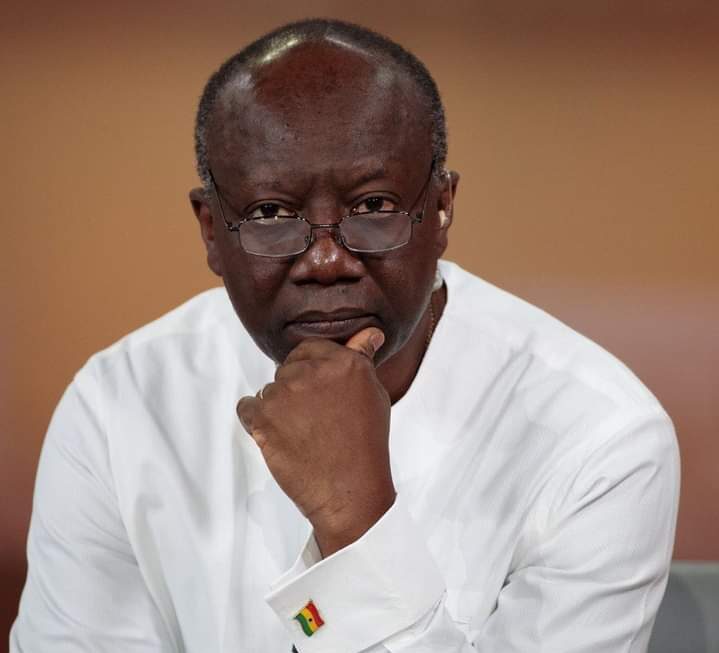
The extradition of Ghana’s former Finance Minister, Ken Ofori-Atta, to the United States could encounter significant legal obstacles if political motivations are raised, according to Professor Kwadwo Appiagyei-Atua, an International Law and Human Rights expert at the University of Ghana School of Law. Speaking in an interview on JoyNews on Saturday, December 12, Professor Appiagyei-Atua explained that while U.S. courts will focus on whether the technical and legal requirements for extradition have been met, claims of political persecution could complicate proceedings, especially in cases involving high-ranking officials. “It is possible that Mr. Ofori-Atta may argue that the extradition request is politically motivated. Such claims are not uncommon in international extradition cases, particularly where high-ranking political figures are involved,” he noted. “The U.S. courts will examine both the procedural correctness of the submission and whether there are grounds to believe the request may be politically motivated.” The extradition request, formally submitted by Ghana’s Attorney-General Dr. Dominic Ayine, seeks to have Ofori-Atta and his former Chief of Cabinet, Ernest Darko Akore, brought to the United States to face 78 corruption-related charges filed by the Office of the Special Prosecutor. The legal documents were transmitted on December 10, 2025, through Ghana’s Ministry of Foreign Affairs to the U.S. Department of Justice. This move represents a significant step in the fight against corruption, signaling Ghana’s commitment to holding public officials accountable. However, as Professor Appiagyei-Atua warns, the extradition process could be prolonged if arguments about political motivation are introduced in U.S. courts. Source: Apexnewsgh.com