

32 Royal Artefacts Looted from Asante Kingdom Returned by UK

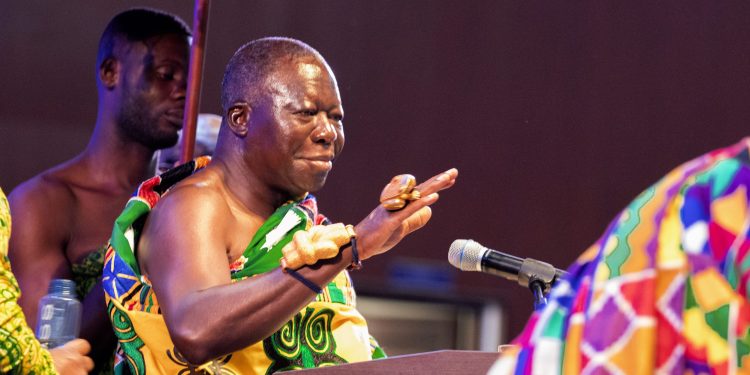
The United Kingdom has taken a significant step in acknowledging its colonial past by returning 32 royal artefacts looted from the Asante Kingdom in the 19th Century. These royal objects, including mostly golden royal regalia, were taken from the Palace in Kumasi during the Anglo-Asante Wars, particularly during the Sagrenti War of 1874. Apexnewsgh reports The British Museum (BM) and the Victoria and Albert Museum (V&A) returned the 150-year-old artefacts on Tuesday, April 9. The artefacts will be on loan for an initial three years, with the possibility of renewal for another three years. The loan deal is not with the Ghanaian government but with Otumfo Osei Tutu II – the current traditional ruler of the Ashanti people. Due to legal restrictions in the UK, it has been impossible to return the artefacts permanently. However, the return of the royal objects is a significant gesture towards recognizing the impact of colonialism on cultures and traditions. The artefacts will be displayed at the Palace Museum in Kumasi as part of a long-term loan commitment by the Victoria and Albert Museum and the British Museum. Otumfuo Osei Tutu II will receive the objects in specially designed Belgian cases in Kumasi. The Manhyia Palace Museum will be closed for three weeks for installation works and encasing. The return of the royal artefacts coincides with the silver jubilee anniversary of Asantehene Osei Tutu II, who initiated negotiations for the return of the artefacts last year. These gold and silver regalia are essential symbols of the Asante traditional authority and will be seen by the public in Ghana for the first time in 150 years. The items, including 15 pieces from the British Museum and 17 from the Victoria and Albert Museum, will be open to the public for display in May. Source: Apexnewsgh.com/Ghana For publication please kindly contact us on 0256336062 or Email apexnewsgh@gmail.com
Vietnamese businesswoman sentenced to death in bank fraud trial

In a stunning turn of events, a 67-year-old Vietnamese property developer was sentenced to death for a bank fraud that shook the nation. Apexnewsgh reports Truong My Lan was found guilty of looting Saigon Commercial Bank of $44 billion over 11 years, making up 93% of the bank’s lending. This rare verdict showcases a stern message against corruption in Vietnam. The communist authorities left no stone unturned, marshalling 2700 witnesses, 10 prosecutors, and 200 lawyers during the trial, which saw a total of 85 defendants, including Truong My Lan. This trial marks the pinnacle of the anti-corruption campaign led by Communist Party Secretary-General Nguyen Phu Trong. With two presidents and two deputy prime ministers already forced out due to the campaign, Truong My Lan’s case has raised eyebrows due to its sheer scale and audacity. Starting as a market stall vendor, Truong My Lan amassed a vast fortune by owning hotels and restaurants in Ho Chi Minh City, positioning herself as a significant player in the city’s business scene. By manipulating Saigon Commercial Bank through proxy companies and bribes, she was able to exploit the system for over a decade. The case sheds light on the endemic corruption within Vietnam’s business and political landscape, revealing a nexus between powerful figures and business magnates who exploit state-owned resources for personal gain. While Truong My Lan’s fate has been sealed with the death penalty, the broader implications of her case on Vietnam’s economic and political future remain murky. As the authorities strive to stamp out corruption, there are fears that economic growth might suffer in the process, posing a dilemma for the country’s leadership. Source: Apexnewsgh.com/Ghana For publication please kindly contact us on 0256336062 or Email apexnewsgh@gmail.com
Vice President Bawumia Firmly Opposes LGBTQ+ Activities in Ghana

During Eidul-Fitr prayers at the Kumasi Central Mosque in the Ashanti Region, Vice President Dr. Mahamudu Bawumia reiterated his strong opposition to LGBTQ activities in Ghana. Apexnewsgh reports He emphasized that both the cultural and societal norms of Ghanaians, as well as his religious beliefs as a Muslim, reject the practice of homosexuality. Dr. Bawumia emphasized that the Holy Quran condemns LGBTQ acts including same-sex marriages, and he personally cannot support such practices. He made it clear that all major religions in Ghana, including Christianity and Islam, are opposed to this practice, and he stands in opposition to it as well. Parliament recently passed the Human Sexual Rights and Family Values Bill, imposing jail terms on those who engage in and promote homosexual activities. The bill is awaiting the signature of President Akufo-Addo, following a challenge at the Supreme Court. Dr. Bawumia’s stance against LGBTQ activities aligns with the prevailing sentiments in Ghana and highlights the importance of respecting cultural and religious values in the country. Source: Apexnewsgh.com/Ghana For publication please kindly contact us on 0256336062 or Email apexnewsgh@gmail.com
GCNH Inaugurates network of CBOs, CSOs and NGOs to combat NTDs

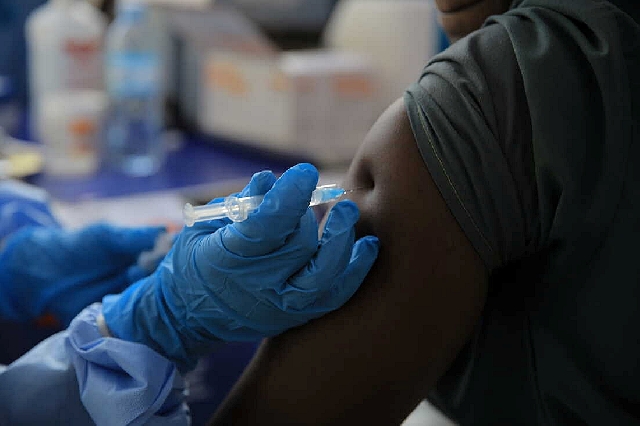
Upper East Region branch of Ghana Coalition of NGOs in health are raising awareness about Neglected Tropical Diseases (NTDs) such as leprosy and elephantiasis and others, which often go untreated due to a lack of knowledge and stigma. Apexnewsgh reports Neglected tropical diseases (NTDs) are a varied group of conditions caused by a range of pathogens such as viruses, bacteria, parasites, fungi, and toxins. These diseases have severe health, social, and economic impacts, particularly affecting impoverished communities in tropical regions. While some NTDs have a broad geographical reach, they predominantly afflict those in low-resource settings. NTDs are estimated to impact over 1 billion individuals, with 1.6 billion requiring interventions for these diseases, both preventive and curative. The epidemiology of NTDs is intricate and often linked to environmental factors. Many of these diseases are transmitted by vectors, have animal hosts, and involve complex life cycles, making their control in public health a significant challenge. Neglected tropical diseases (NTDs) include a range of illnesses such as Buruli ulcer, Chagas disease, dengue, chikungunya, dracunculiasis, echinococcosis, yaws, foodborne trematodiases, human African trypanosomiasis, leishmaniasis, leprosy, lymphatic filariasis, chromoblastomycosis, noma, onchocerciasis, rabies, scabies, soil-transmitted helminthiases, snakebite envenoming, taeniasis/cysticercosis, trachoma, schistosomiasis and mycetoma. The Upper East Regional Disease Control Officer, Mr. Emmanuel Konlan, highlighted the challenges faced in tackling Neglected Tropical Diseases (NTDs) in the region. He emphasized the need for prompt medical attention when symptoms arise, as relying on traditional cures can allow diseases like leprosy to advance unnoticed. Mr. Konlan urged community members to seek help at health facilities at the first sign of any unusual symptoms to prevent the spread of NTDs. The Upper East Regional Vice Chairman of Ghana Coalition of NGO in health, Mr. Abanbire Adua, also raised concerns about the long-lasting effects of NTDs on individuals and the community. According to him, despite the disease not being immediately fatal, diseases like leprosy and elephantiasis can severely impact productivity and overall well-being. Mr. Adua called for increased awareness and action from government and stakeholders to address the prevalence of NTDs. Mr. Alemna Duncan Adogboba of Ghana Health Service who was also part of the inauguration emphasized the importance of early detection and treatment of leprosy cases to prevent further spread. He said, training programs have been implemented to equip staff and volunteers with the skills to identify and treat NTDs effectively. Meanwhile, the Program Director of Development Research and Advocacy Center (DRAC), Mr. Milton Aberinga, outlined ongoing efforts to combat NTDs in the region, including training initiatives and collaboration with community leaders and organizations. Mr. Aberinga further reveals that the formation of a strategic plan involving various stakeholders aims to sustain progress and ultimately eliminate NTDs in the Upper East Region. Source: Apexnewsgh.com/Ghana For publication please kindly contact us on 0256336062 or Email apexnewsgh@gmail.com