




NDC Calls for Resignation of Electoral Commission Chairperson Amid Claims of Political Bias
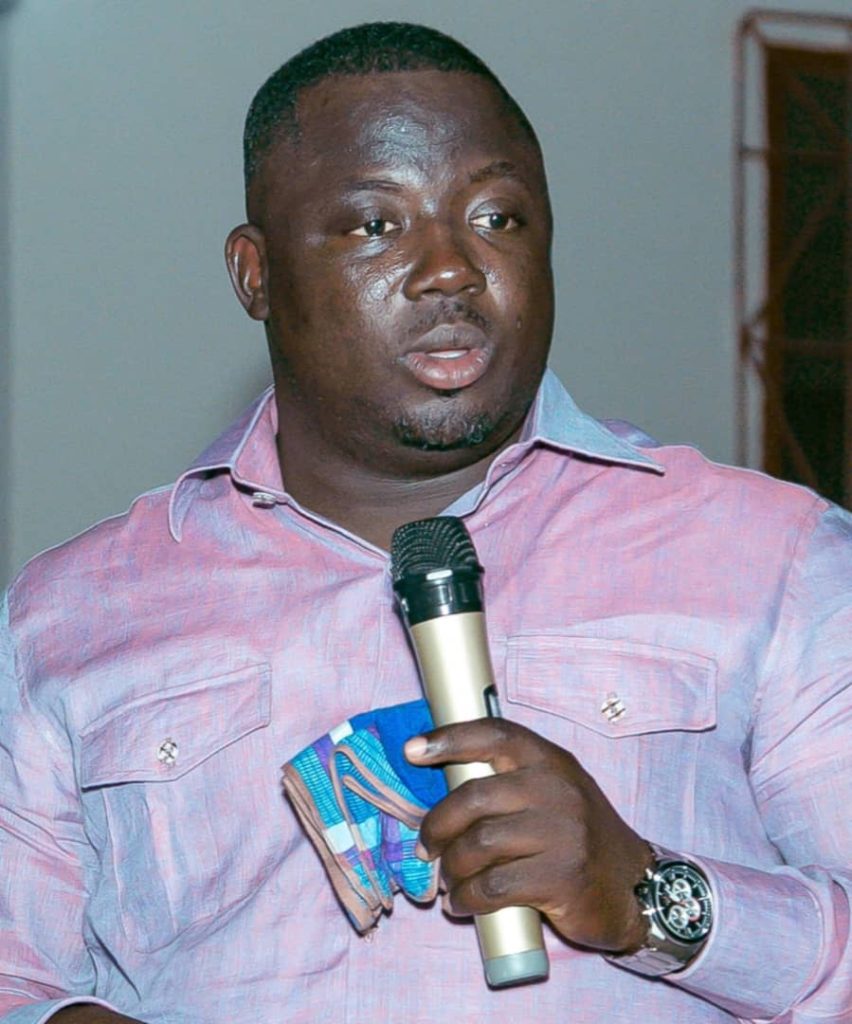
The Deputy General Secretary of the National Democratic Congress (NDC), has publicly demanded the resignation of Jean Mensah, the Chairperson of the Electoral Commission, along with her two deputies, Dr. Bosman Asare and Samuel Tettey. Apexnewsgh reports Gbande argues that this action is essential for ensuring credible, free, and fair elections in the nation. During an appearance on the Ultimate Breakfast Show with host Julius Caesar Anadem, Gbande criticized Mensah’s handling of her responsibilities, labeling her actions as politically motivated and influenced by the ruling New Patriotic Party (NPP). He stated, “Jean Mensah is an NPP Akufo Addo induced commissioner who, but for the love between the NDC and NPP, could have thrown this country into flames.” Gbande went on to express his dissatisfaction with the Electoral Commission’s conduct, asserting that the commission’s management has come close to destabilizing the country. He emphasized that both political parties’ restraint prevented further turmoil, stating, “They did a poor job, and nearly set this country on fire.” Moreover, he warned that any Electoral Commission director exhibiting political bias as the 2024 elections approach would also face consequences. Gbande was clear about his stance on Mensah, Asare, and Tettey: “Jean Mensah is corrupt and she will go. Bosman Asare will go, and Tettey will go. Every regional EC director who has demonstrated to be political will go.” Highlighting a statement made by Mensah at the conclusion of the presidential polls, where she declared, “it is finished,” Gbande interpreted this as an announcement of her departure from the role. “By that statement, she announced her departure. She is finished her work and she must leave,” he insisted. In concluding his remarks, Gbande proposed a more neutral approach to appointing members of the Electoral Commission, suggesting that chiefs, pastors, and representatives from peace councils should participate in the nomination process. “We should neither have an NDC induced EC nor an NPP induced EC. We should have a commissioner that represents Ghana and a commissioner that is neutral,” he asserted, advocating for a shift towards a more impartial electoral oversight. Source: Apexnewsgh.com
NDC to Revisit Allegations Against Prophet Victor Kusi Boateng

The National Democratic Congress (NDC) is poised to reignite discussions surrounding serious allegations made against Prophet Victor Kusi Boateng, who serves as the secretary of the board of trustees for the National Cathedral Secretariat. Apexnewsgh reports This decision comes in light of claims raised by the party’s Deputy General Secretary, Mustapha Gbande, who has accused the prophet of participating in various illegal activities, including an alleged scheme to assist the New Patriotic Party in rigging the upcoming 2024 elections. Previously, on November 24th, the Commission on Human Rights and Administrative Justice (CHRAJ) cleared Prophet Kusi Boateng of allegations relating to the use of double identities for acquiring multiple passports. The commission also found no evidence of financial misconduct regarding a significant payment of GH¢2.6 million made from the National Cathedral Secretariat to JNS Talent Centre Limited, a company connected to the prophet. In a recent interview with Julius Caesar Anadem on Ultimate FM’s “Cup of Tea,” Gbande voiced his concerns, declaring, “We are all children of his eminence the Archbishop Nicholas Duncan Williams. Tell him we are holding his files, including things that have not come to the public; including his role in these elections.” He expressed his belief that Rev. Kusi has played a crucial and illegal role in the electoral process. Furthering his allegations, Gbande stated, “Rev Kusi played a very vital syndicate role which is illegal in this election.” He criticized the prophet for failing to fulfill his spiritual duties and accused him of colluding with the New Patriotic Party to exploit the nation’s resources. “Rev. Kusi was on the dining table of the evil that punished this country. He has been a beneficiary of funding through robbing in the construction of the National Cathedral. He was an architect, an actor, and a beneficiary of the crimes of this administration,” Gbande lamented. He concluded with a poignant reflection on how the respected clergyman has strayed from his previous reputable demeanor, raising questions about the moral and ethical implications of his current actions. Source: Apexnewsgh.com
Iranian-American Journalist Sentenced to 10 Years in Prison Amid Ongoing Crackdown on Dissent

Iranian-American journalist Reza Valizadeh has been sentenced to ten years in prison by a court in Tehran. His conviction comes on the grounds of alleged collaboration with the United States government, a charge his lawyer, Mohammad Hossein Aghasi, condemned as politically motivated. Valizadeh, who previously worked for Radio Farda—an outlet associated with the U.S. Agency for Global Media—was found guilty on charges of working with what Iranian authorities deem a “hostile” government. Aghasi revealed that the verdict was issued by the Tehran Revolutionary Court and indicated that an appeal could be filed within 20 days. Despite this legal recourse, Aghasi lamented the fact that he has yet to meet with his client since the ruling. Compounding concerns about Valizadeh’s case is the context of his return to Iran. In a troubling message posted in August, he indicated that he had returned to the country on March 6, 2024, after a long absence of 13 years. He described his return as fraught with uncertainty, mentioning a lack of guarantees for his safety: “Eventually I came back to my country after 13 years without any security guarantee, even a verbal one,” he noted. According to Aghasi, Valizadeh experienced six months of freedom before being detained. The plight of journalists in Iran remains dire, highlighted by the recent tragic death of Kianoosh Sanjari, a former journalist with VOA’s Farsi Service. Sanjari reportedly took his own life in protest against the country’s oppressive regime, emphasizing the bleak reality for those who challenge the government. Just before his death, he had called for the release of imprisoned colleagues and threatened self-harm if his demands were unmet. This pressure on journalists is not unprecedented; a similar fate befell Parnaz Azima, a former Radio Farda broadcaster, who faced harassment and was barred from leaving Iran after a brief visit to see her ill mother in 2007. As Iran continues to grapple with societal unrest, particularly in the wake of the protests following Mahsa Amini’s death in 2022, the country’s economic struggles worsen. The rial’s continued devaluation against the U.S. dollar and persistent unemployment contribute to the rising tension among the Iranian populace, leaving many to question the future of freedom and expression within the nation.
U.S. Administration Condemns Iran for Imprisonment of Dual National Journalist
In a significant diplomatic concern, the Biden administration has publicly condemned Iran for sentencing Reza Valizadeh, an Iranian American dual national, to ten years in prison. This case stands out as the only known instance of a U.S. citizen being jailed in Iran since the rare prisoner swap that occurred in September 2023. The State Department confirmed the troubling news in an email, prompted by inquiries from Voice of America (VOA). “We are aware of reports that dual Iranian-U.S. citizen journalist Reza Valizadeh has been sentenced to ten years in prison in Iran,” a spokesperson stated. “We strongly condemn this sentencing and call for his immediate release and the release of all political prisoners in Iran.” Valizadeh’s situation came to light in October when reports surfaced regarding his detention in Iran shortly after the September prisoner exchange between the two nations. A former journalist for Radio Farda, a sister network of VOA, Valizadeh had left the Persian-language service in 2022. His sentencing not only highlights concerns regarding the treatment of dual nationals in Iran but also reflects the ongoing tensions and complexities surrounding U.S.-Iran relations.
North Korean Troops Engaged in Combat Alongside Russian Forces in Ukraine War
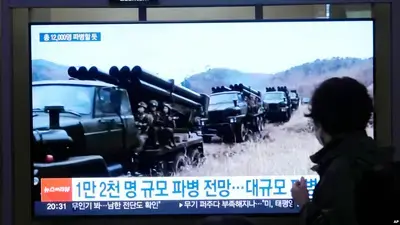
In a startling development, North Korean soldiers have been reported to be fighting alongside Russian troops in the ongoing conflict in Ukraine. According to a recent assessment from the Pentagon, the engagement of North Korean forces has been confirmed specifically in the Kursk region of Russia. Pentagon press secretary Major General Pat Ryder disclosed that these troops have actively participated in combat operations in Kursk, where they have already suffered casualties, both killed and wounded. He emphasized that the involvement of North Korean soldiers has been limited to this particular region for the time being. However, the Pentagon refrained from providing further details regarding the extent of the casualties faced by these troops. The news comes amidst escalating tensions in Eastern Europe, with the United States previously estimating that North Korea had dispatched approximately 12,000 soldiers to Russia for training in preparation for potential combat in support of Moscow’s military objectives in Ukraine. It appears that North Korean forces have only recently begun to join Russian military operations, marking a significant shift in the dynamics of the conflict. Just hours before the Pentagon’s announcement, Ukraine’s intelligence agency reported that at least 30 North Korean soldiers had been killed or injured during combat across various villages in the Kursk region. Ukrainian President Volodymyr Zelenskyy has publicly accused Russia of deploying a “significant number” of North Korean soldiers in its assaults, characterizing the losses among North Korean troops as “noticeable.” The international response to these developments remains cautious, with inquiries directed to both the Russian Embassy in Washington and the Russian Ministry of Defense going unanswered. As the situation unfolds, the implications of North Korean involvement in the war could reverberate throughout the region and beyond. Source: Apexnewsgh.com
Dr. Clement Apaak Advocates for Trust in John Mahama’s Commitment to Free SHS
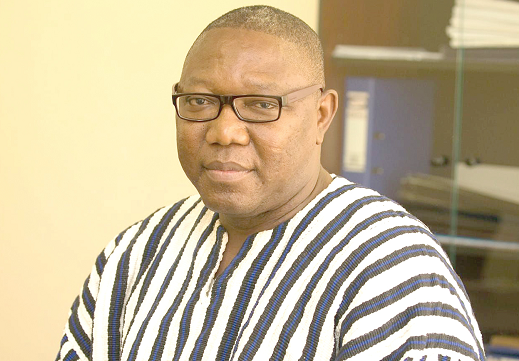
Dr. Clement Apaak Abas, the Member of Parliament for Builsa South in the Upper East Region, passionately called on Ghanaians to place their trust in John Mahama regarding the future of the Free Senior High School (Free SHS) policy. Apexnewsgh reports Dr. Apaak, who is also the spokesperson on Education for the National Democratic Congress (NDC) 2024 campaign, emphasized that Mahama’s commitment to enhancing and sustaining the Free SHS initiative is unwavering, as outlined in the NDC’s 2024 manifesto. Speaking with conviction, he stated, “Indeed, John Mahama’s commitment to improving and sustaining secondary education as captured in the 2024 NDC manifesto is not in doubt.” Dr. Apaak urged the public to disregard any naysayers who suggest that Mahama plans to abolish the Free SHS program. “I call on Ghanaians to ignore comments and or opinions by any individual or group to the contrary,” he declared. Reinforcing his point, the lawmaker urged the citizenry to have faith in Mahama’s assurances, saying, “Ghanaians should trust and be assured that John Dramani Mahama will improve and sustain Free SHS for the good of Ghana as he promised.” Dr. Apaak’s statements come as the 2024 elections approach, highlighting the NDC’s commitment to education and the importance of maintaining public trust in educational policies.
Afenyo-Markin Urges NDC to Consider Parliament Insider for Speaker Position

In a notable address on the floor of Parliament, Alexander Afenyo-Markin, the outgoing Majority Leader of Ghana, offered important advice to the incoming National Democratic Congress (NDC) government concerning the future Speaker of the House. Apexnewsgh reports Afenyo-Markin took a moment to commend the current Speaker, Alban Bagbin, for his exemplary leadership and dedication over the past four years. He underscored the critical value of having a Speaker with institutional knowledge, highlighting how such experience contributes to the effective functioning of Parliament. As the NDC prepares to assume leadership, Afenyo-Markin suggested that if they choose to replace Bagbin, it would be prudent to appoint someone from within the ranks of Parliament. He expressed concern that an outsider might struggle to grasp the intricacies of the institution. “We need someone who will understand us,” he stated, emphasizing the importance of familiarity with parliamentary procedures and culture. Reflecting on Bagbin’s contributions, Afenyo-Markin noted, “The institutional empowerment you have given to Parliament is unmatched, and it is likely because we have you as Speaker coming from within.” He left the door open by stating that should Bagbin be retained, Parliament would undoubtedly continue to benefit from his leadership. However, he also acknowledged the possibility of change, cautioning, “If they decide to retire you, which I know they can do, if they choose to bring in a new Speaker, that person should come from within. We don’t want an outsider.” His remarks came during the first parliamentary session after a prolonged break caused by a vacancy in the House, marking a significant moment in the transition of power. Source: Apexnewsgh.com
Tragic Toll of Conflict: Gaza Health Ministry Reports Over 45,000 Dead Amid Ongoing Strikes
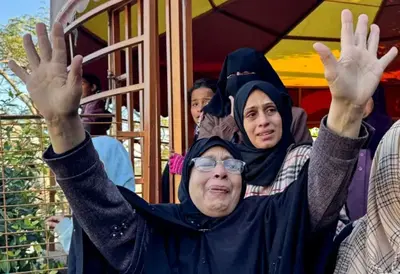
In a heartbreaking update released on Monday, Gaza’s health ministry announced that the relentless offensive by Israel against Hamas militants has resulted in the deaths of more than 45,000 people since the conflict began. Apexnewsgh reports The ministry noted that nearly 107,000 individuals have been injured, illustrating the magnitude of the humanitarian crisis unfolding in the region. Alarmingly, it has been stated that more than half of those killed are believed to be women and children, although the ministry does not differentiate between civilians and fighters in its casualty count. The past day marked yet another brutal chapter in this ongoing tragedy, as airstrikes claimed the lives of 52 additional people. Local civil defense and hospital officials reported that Israeli airstrikes targeted multiple locations, including Gaza City in the north, Khan Younis in the south, and the Nuseirat refugee camp in central Gaza. The Israeli military revealed that its operations aimed to strike key Hamas command and control centers within these areas. Israel has repeatedly asserted that Hamas militants operate within civilian-populated zones, complicating the military operations. In contrast, Palestinians and various human rights organizations have called attention to the Israeli military’s failure to adequately protect civilian lives during these assaults, raising urgent concerns about the mounting civilian casualties. The current conflict erupted in October 2023, ignited by a sudden and deadly attack from Hamas on southern Israel, during which approximately 1,200 Israelis were killed and 250 hostages taken. As of now, about 100 hostages remain in Gaza, with fears that at least one-third of them may be deceased. Amidst this turmoil, Hamas continues to be designated as a terror organization by the United States, the United Kingdom, the European Union, and various other nations, highlighting the complex and dire circumstances that have engulfed the region in suffering and loss. Source: Apexnewsgh.com
U.S. Air Strikes Target ISIS in Syria Amid Ongoing Conflict
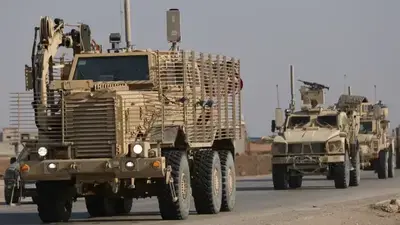
In a decisive move to undermine the Islamic State group’s influence in Syria, American forces conducted air strikes on Monday, successfully eliminating a dozen ISIS fighters, according to a statement from the U.S. military. The operation was part of an ongoing mission aimed at disrupting and degrading the capabilities of the notorious jihadist organization. U.S. Central Command (CENTCOM) revealed through social media that the air strikes targeted key ISIS leaders, operatives, and camps. This strategic initiative is designed to prevent the group from launching external operations and to thwart any attempts to re-establish a foothold in central Syria. CENTCOM further emphasized the significance of these strikes, which were carried out in areas previously controlled by the Syrian regime and Russia. The intent is to maintain sustained pressure on ISIS at a critical juncture in the volatile region. The backdrop of these operations is the recent upheaval following the downfall of Bashar al-Assad’s government, which was overthrown by an Islamist-led rebel alliance that seized the capital, Damascus, on December 8. In response to the evolving dynamics on the ground, U.S. forces targeted over 75 locations associated with ISIS, employing a fleet of warplanes, including B-52s, F-15s, and A-10s. Currently, around 900 U.S. troops remain deployed in Syria, with an additional 2,500 in Iraq, as part of an international coalition formed in 2014 to combat the persistent threats posed by the Islamic State group. The coalition’s ongoing efforts underscore a commitment to thwart the resurgence of this extremist organization in the region. Source: Apexnewsgh.com
A Grief So Deep: Families Seek Justice Amidst the Shadows of Damascus
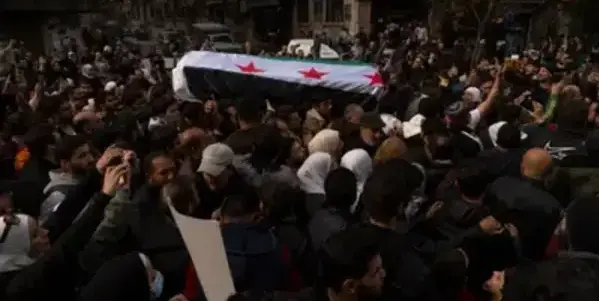
In the heart of Damascus, outside al-Mujtahid Hospital, a somber crowd gathers. The walls are plastered with grim photographs—images of bodies, victims of years of relentless torture. Apexnewsgh reports Families sift through the poignant reminders, desperately searching for missing loved ones. Yet, for many, their search ends in heartache as they leave without answers. A young woman, her black ponytail swaying as she strides away from the wall, breaks the silence with a piercing shriek. “You knew about this. You always knew!” Her voice trembles with anger as she demands accountability for the suffering. The crowd remains hushed until a man quietly offers, “God will have his justice after death.” She storms off, her disbelief echoing in the air. “What God?” she retorts. “I don’t believe in God.” According to the Syrian Network for Human Rights, an estimated 100,000 individuals are unaccounted for in Syria’s shattered prison system, although many locals suspect the true figure is much higher. Under the regime of Bashar al-Assad, arrests were often made for mere accusations of dissent against the government. As the citizens of Damascus navigate their daily lives—a struggle that includes waiting in long lines for bread or finding solace in rituals of newfound freedom—the shared anguish is palpable. A man at a bakery asserts the grim reality: “Every family in Damascus is missing someone.” Amid the sorrow, one woman, Hiba al-Sadfy, claims her family’s fortune, having not lost anyone directly. However, her husband, Anas al-Nesmeh, speaks of his time in prison, where the cries of the tortured still haunt him. “The driver was arrested, and they thought I was sending food to rebels,” Nesmeh recounts, revealing the horror of his three-year imprisonment where starvation and brutality were rampant. Marked by the scars of his past, his wife points to the lingering wounds on his wrists and back—evidence of his torment. Not far from the hospital, the community mourns the loss of Mazen al-Hamada, a young man who succumbed to the tortures of prison. Initially incarcerated for smuggling baby food to needy families, he later became an international voice advocating for Syrian torture victims after fleeing to Europe. His haunting testimony, where he described the unimaginable atrocities he witnessed, resonates deeply with those attending his funeral. As al-Hamada’s body is carried through the streets, a procession emerges, draped in a rebel flag that has now transformed into a symbol of their struggle. The mood shifts as grief morphs into a demand for justice; chants rise to the heavens, proclaiming, “The people of Syria are one!” and calling for the execution of those responsible for their suffering. The visible signs of dissent are unmistakable—posters of Assad, once symbols of his regime, are torn down and trampled underfoot as locals express their unrelenting anger. In a vivid act of defiance, one poster is placed on the ground at the entrance of the ancient market, an invitation for passersby to step on the face of the fallen dictator. In this atmosphere of grief and resistance, the people of Damascus are united, sharing a collective pain that transcends personal loss. Each search for the missing is a plea for justice, a cry that reverberates through the alleys and streets of a city scarred but not broken. Source: Apexnewsgh.com